



23 Things To Know Before You Visit Naples | A Traveller's Guide
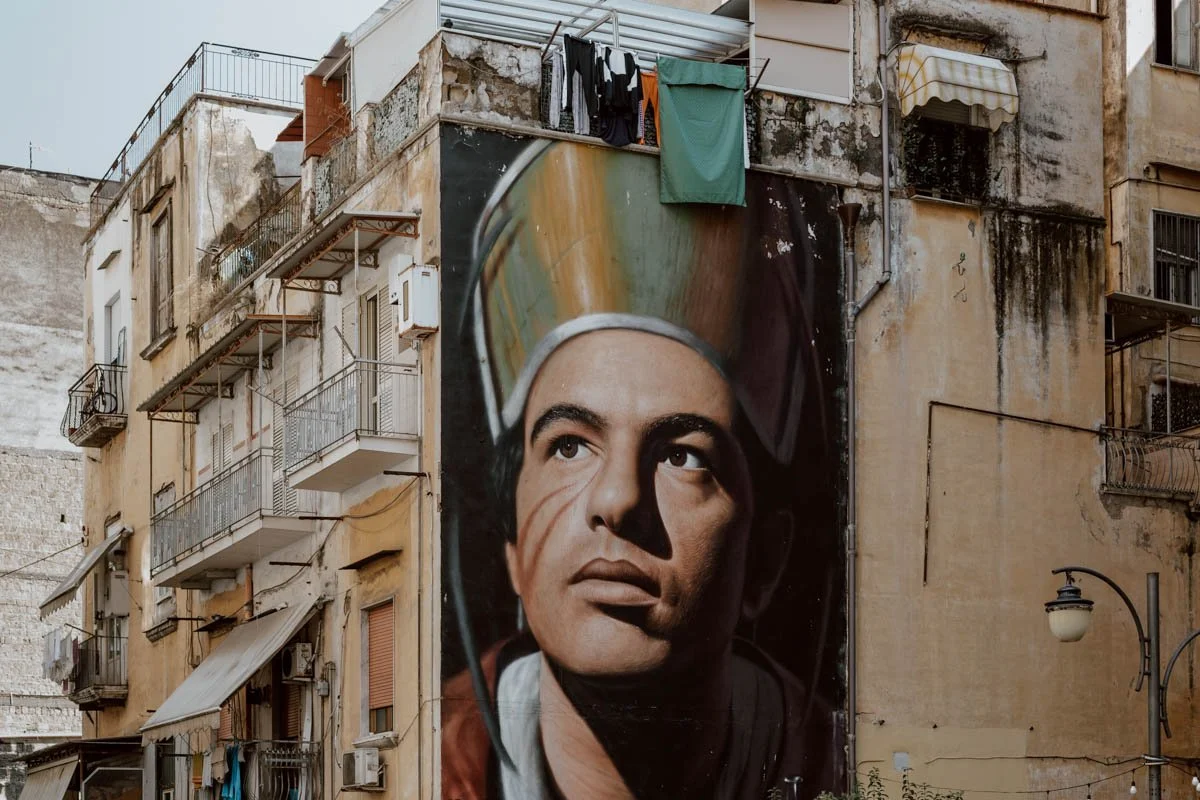
Naples is one of our favourite cities in the world.
It’s also one of the few places we can recommend with complete sincerity, whilst also understanding why somebody else might arrive, take one look around, and decide it is absolutely not for them.
Across eleven days and two trips, we’ve been exhausted by her, frustrated by her, repeatedly astonished by her, and very ready to leave her behind.
Yet, we also couldn't wait to be back in her arms.
This is not our list of the best things to do in the city (you’ll find that here). Instead, we’ll be sharing the essential context, practical details, cultural peculiarities, honest observations, and important expectations that will help you decide whether Naples is for you and plan a better trip to this beautiful mess.
These are 23 Things To Know Before You Visit Naples.
The ADR x Napoli Series
If you’re heading to this incredible Italian city, we have an entire series of guides that you absolutely must read before you go.
· 19 Wonderful Things to Do in Naples ·
· The Best Day Trips From Naples ·
· Where To Find The Best Pizzas in Napoli ·
· Where to Stay in Naples (tbc) ·
Naples = Napoli
Probably because of a childhood spent watching Football Italia on Channel 4, one half of Ad Roads simply always knew the city as 'Napoli' and that's how we always referred to it.
The English-speaking version of 'Naples' didn't roll off the tongue, brought nipples to mind, and just never seemed to fit.
However, Napoli and Naples are one and the same: Italians and football fans use Napoli, tourists use Naples, and in our series of guides we use the two interchangeably.
Travel Tip // You'll encounter endonyms and exonyms a lot when travelling in Italy; the former is the native language's name for a place (i.e. Firenze, Roma, Torino, and Venezia in Italian) whilst the latter is the well-established foreign name for it (i.e. Florence, Rome, Turin, and Venice in English). It won't cause any issues for you - aside from sounding a tad pretentious at home when talking about your trip to Milano - but is usually the reason why you'll struggle to find the correct destination when searching for a train ticket in Italian.
Find out more in 12 Tips for Train Travel in Italy
This Is Not Your Typical Italian City
There is, of course, no single typical Italian city, but most first-time visitors arrive with a recognisable set of expectations shaped by Rome, Florence, Venice, and a thousand carefully framed photographs of la dolce vita.
Naples quickly knocks those expectations sideways.
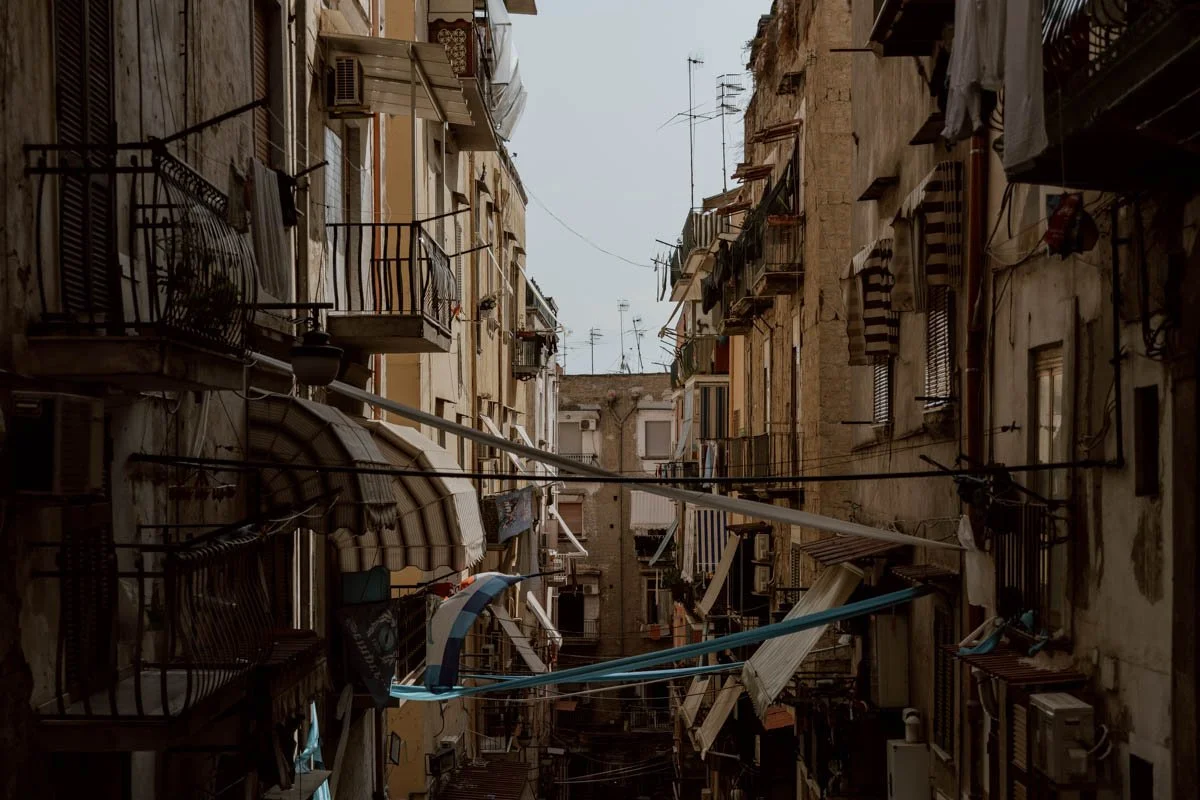
This is a rough-and-tumble city of extraordinary contrasts, although rarely the neat, photogenic kind. Baroque churches open onto graffitied streets, grand palazzi bear the scars of decades of neglect, ancient ruins sit beneath busy neighbourhoods, and beauty and decay are often only a few doors apart.
Naples remains a working port city with pockets of poverty, congestion, neglect, and some serious systemic problems. Those realities shouldn’t be romanticised as part of its ‘authenticity’, but neither should they prevent you from noticing the extraordinary art, generosity, humour, history, and humanity that's just as much a part of the city’s story.
Instead, its vibe, its energy, and its character feel more akin to places we've visited in reality and in film — Buenos Aires in Argentina, Valparaiso in Chile, and the New York neighbourhoods of the '50s and '70s.
This isn't a museum city: it doesn't always make things easy for you, and it rarely tones itself down.
That is precisely why Naples feels so different.
You Will Love It Or Hate It
The same qualities that make one traveller fall hard for Naples will make another count down the hours until their train leaves.
Its noise can feel exhilarating or oppressive. Its narrow streets can feel theatrical or claustrophobic. The disorder, crowds, traffic, grime, intensity, and sheer volume of life will either pull you in or wear you down - and neither response is necessarily wrong.
For us, the city’s rough edges are part of why it’s remained so vivid in our memories. However, we also understand the travellers who find it stressful, dirty, or simply less enjoyable than the version of Italy they came looking for.
We would only ask that you don’t make your decision during the first hour, particularly if your introduction is the area around Napoli Centrale and Piazza Garibaldi. Get into the historic centre, look upwards, eat something, visit one of its extraordinary museums or churches, and give yourself time to adjust.
Naples may still not be for you.
But at least give her a fair shot.
Tip // If you feel you may be in the ‘hate’ category, then a walking tour may offer a good way to ease yourself in. This small-group tour focuses on the historic centre, whilst this highly-rated alternative also has excellent reviews. If you’re more interested in food, then this street food walking tour is considered one of the best in the city!
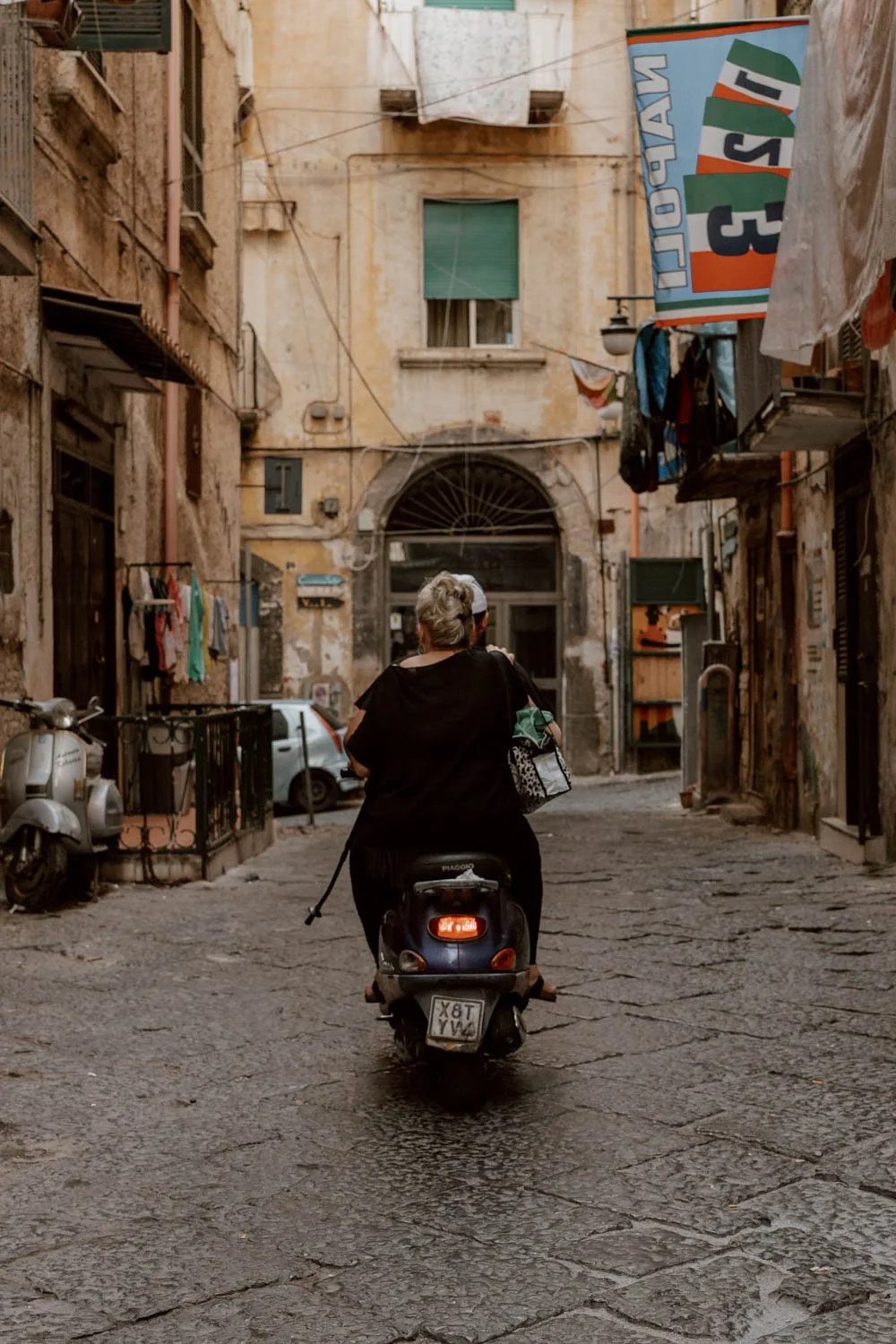

What's The Best Time To Visit Naples?
For most travellers, the best time to visit Naples will be from April to June or in September and early October.
Despite its coastal location, Napoli isn't somewhere you come for a traditional beach holiday or to spend every day beside the sea, so the seasons have less influence on a trip here than they do along the Amalfi Coast or the islands. Several of the best things to do in Naples are inside or underground, but the city is still far more enjoyable when it isn't unbearably hot, wet, or crowded.
Spring - particularly April and May - offers the best balance. Temperatures are usually comfortable for walking, accommodation is more affordable than in summer, and queues should be shorter at the major attractions. Nearby Pompeii and Herculaneum are also much easier to explore before the fiercest heat arrives.
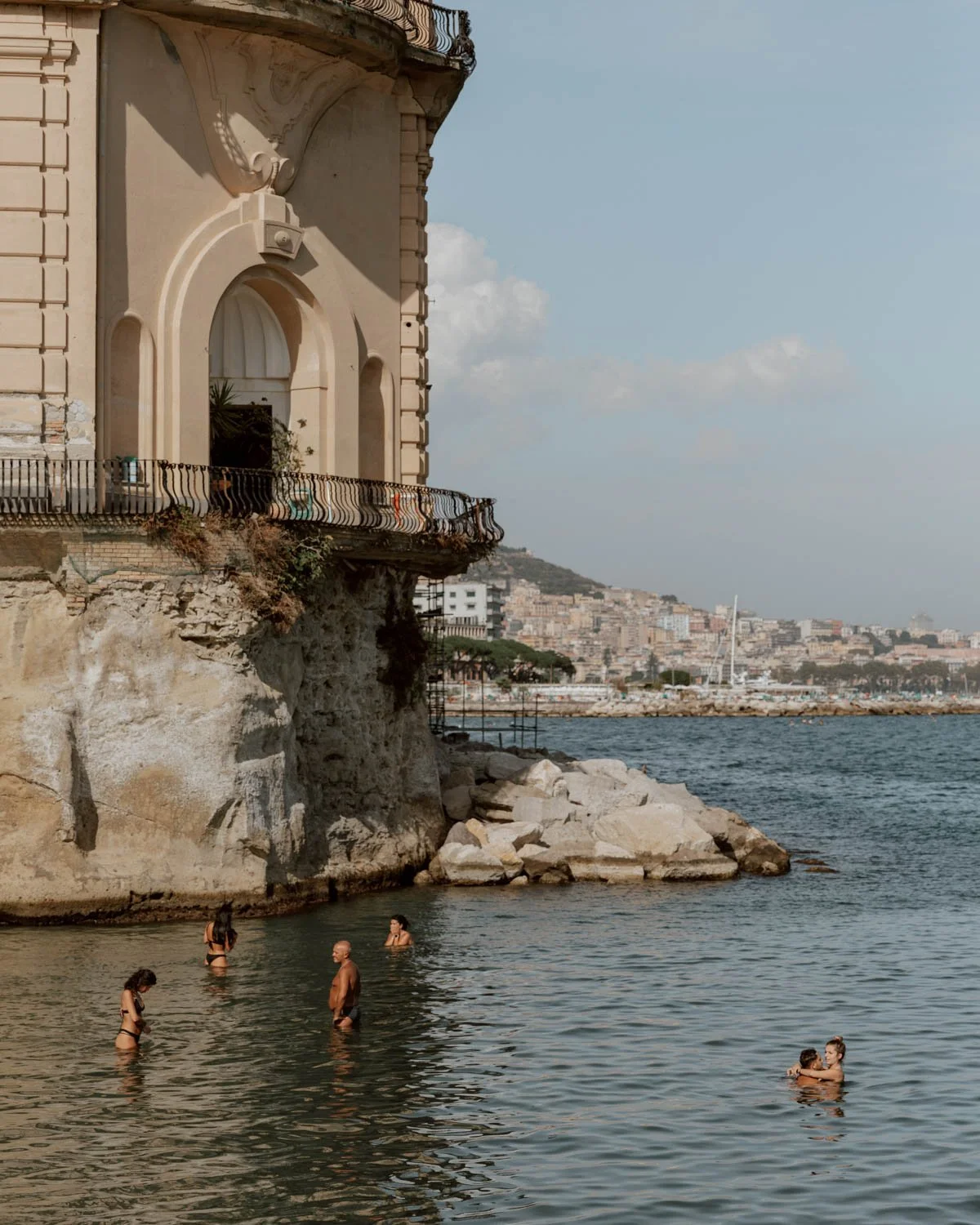
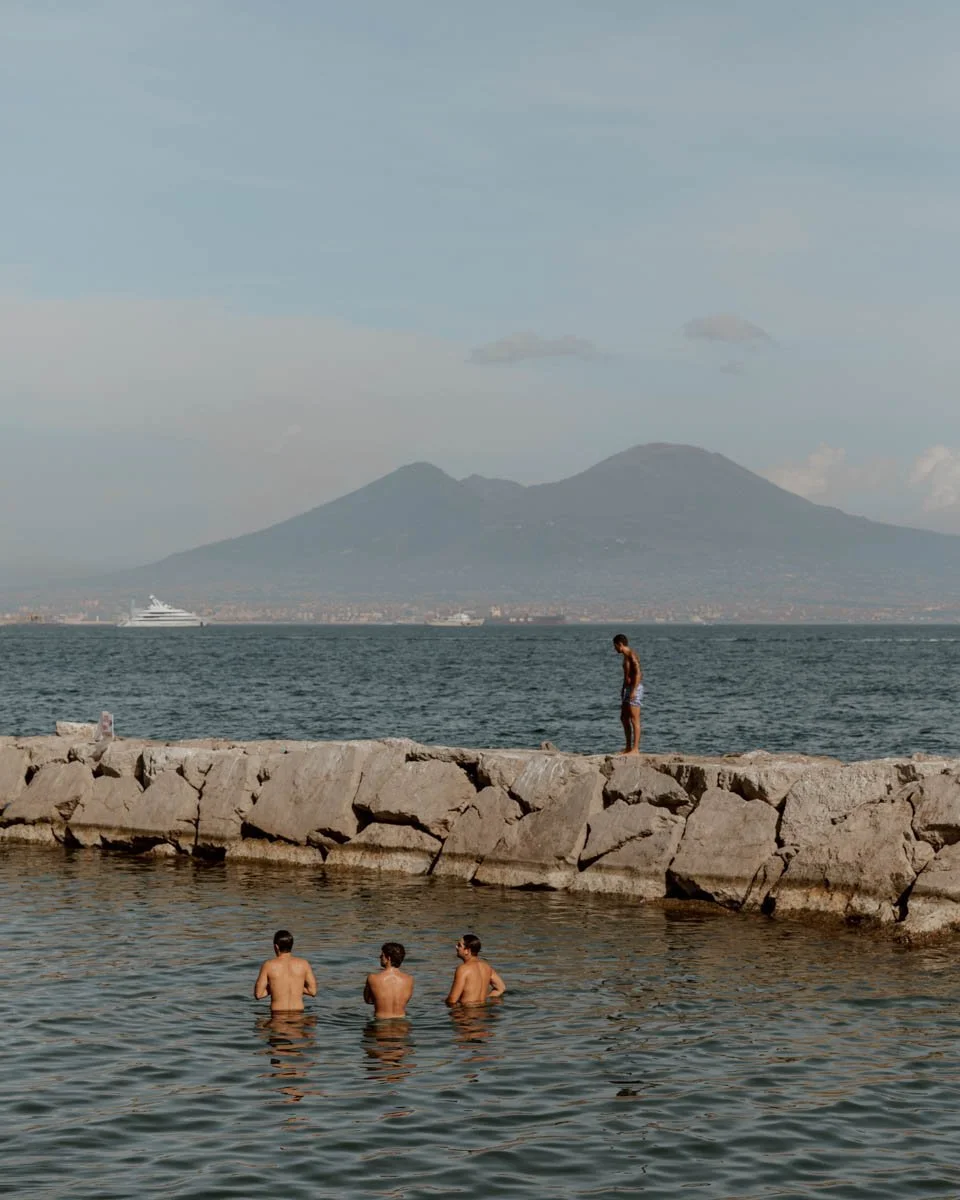
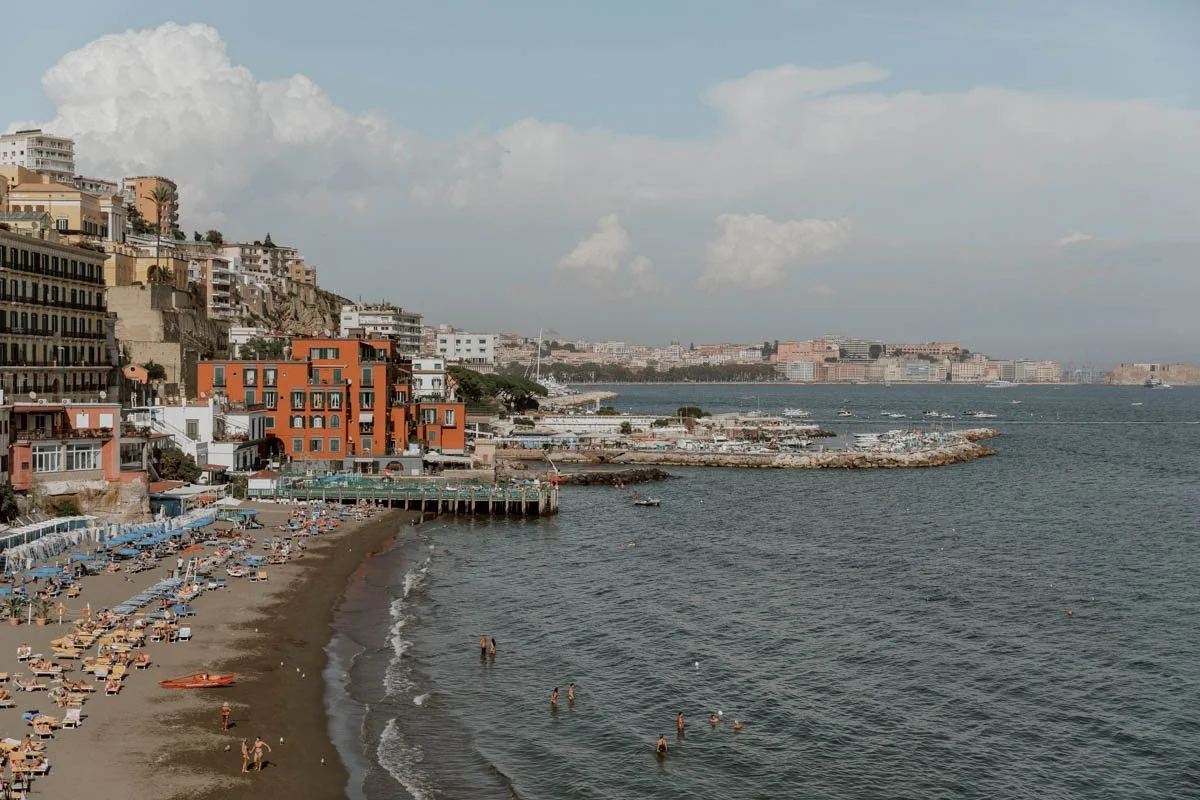
June and September are good alternatives for those who want warmer weather and more of the city’s summer atmosphere. This is when the lungomare and the rocks beside the bay fill with Neapolitans sunbathing, swimming, and spending long afternoons by the water - something that simply cannot be replicated earlier or later in the year.
July and August are the hottest and busiest months. With temperatures regularly reaching 30-35°C, the heat adds another layer to a city that some travellers already find intense and exhausting. Naples is also the main gateway for Sorrento, Capri, Ischia, and the Amalfi Coast, so accommodation and transport connections around the bay are under greater pressure. Pompeii and Herculaneum will be hotter, busier, and more tiring too.
Our two stays have been in September and October. September was our clear favourite, despite still being busy, whilst several days of rain affected our week in October. It remains a perfectly viable month for a city break, but the weather becomes less dependable as autumn progresses.
Personally, we would avoid visiting from November to early March unless lower prices and fewer visitors are more important to you than cooler temperatures, shorter days, and a greater chance of rain.
Lastly, consider the rest of your itinerary. If Naples is being combined with the Amalfi Coast or one of the islands, then May, June, or September will give you the best chance of enjoying both the city and the coast without the worst of the summer crowds.
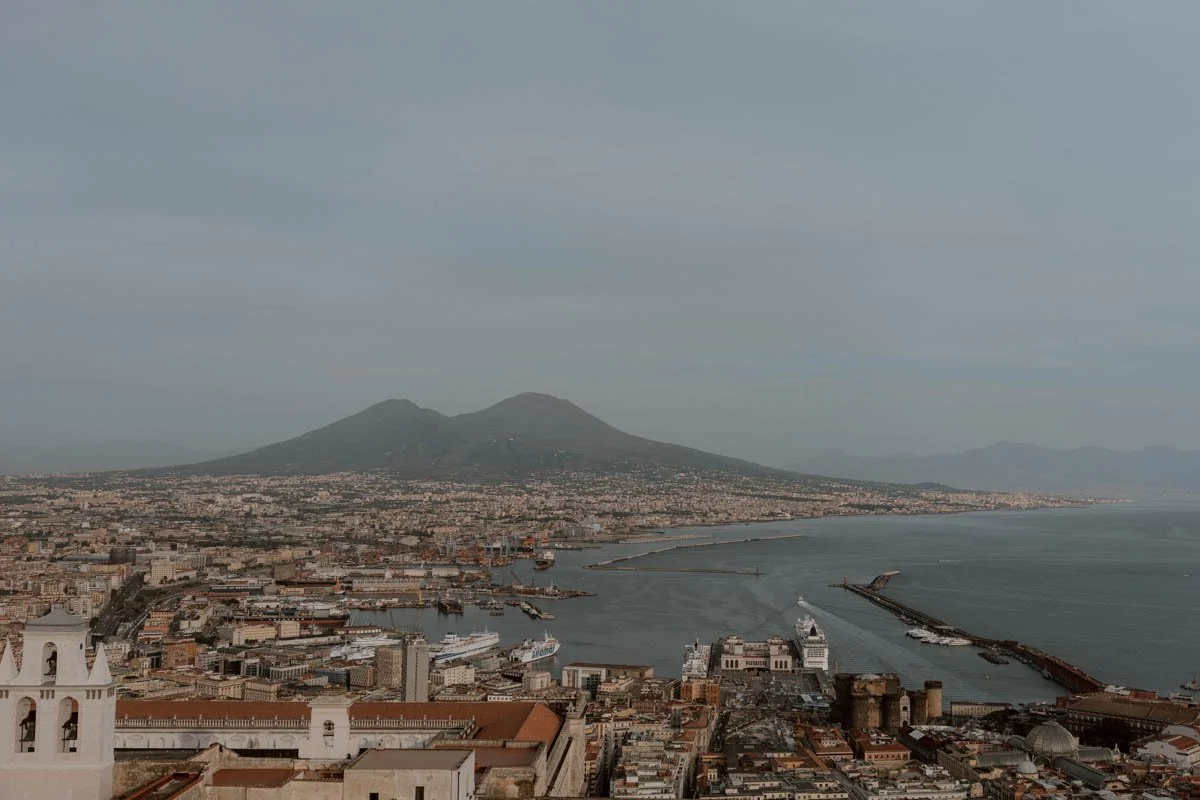
How Many Days For Naples Depends On Your Travel Style
We've spent eleven days in Naples over two trips and discussed this question at length over several aperitivo Negronis. Long-time readers will know that we're all about slow travel and spending longer in a place, but Napoli is a city where enjoyment levels differ quite dramatically.
For most travellers, we think three days is about right. That gives you enough time to see several of the main sights, eat some of its best pizza, and take a day trip to Pompeii. You won't be able to do everything, and there won't be much room for spontaneity, but it provides a good introduction without taking too much time away from the rest of your Italy itinerary.
You could squeeze Naples into two days if your trip is short or you’re already pretty certain it won't be a good fit for you. However, if one of those days is spent at Pompeii, that leaves just a single day for the city itself. Personally, we don't think that is anywhere near long enough, but we know it may be plenty for some.
For those who think they’ll fall into the ‘love’ camp, want to give Napoli a proper chance, or simply prefer travelling at a slower pace, we’d suggest four or five days, including at least one day trip. You still may not cover all our favourite things to do, but the city is intense and a day here can feel like two elsewhere. Much longer than five days may therefore bring diminishing returns!
We couldn’t wait to return for our second visit, but we were definitely ready to leave by the end of our first week. Napoli is absolutely perfect for an alternative European city break, but it isn’t somewhere you come to relax.
It will exhaust you.
Read the rest of this post alongside our main Naples guide, then make a realistic decision based on your wider itinerary and the way you like to travel.
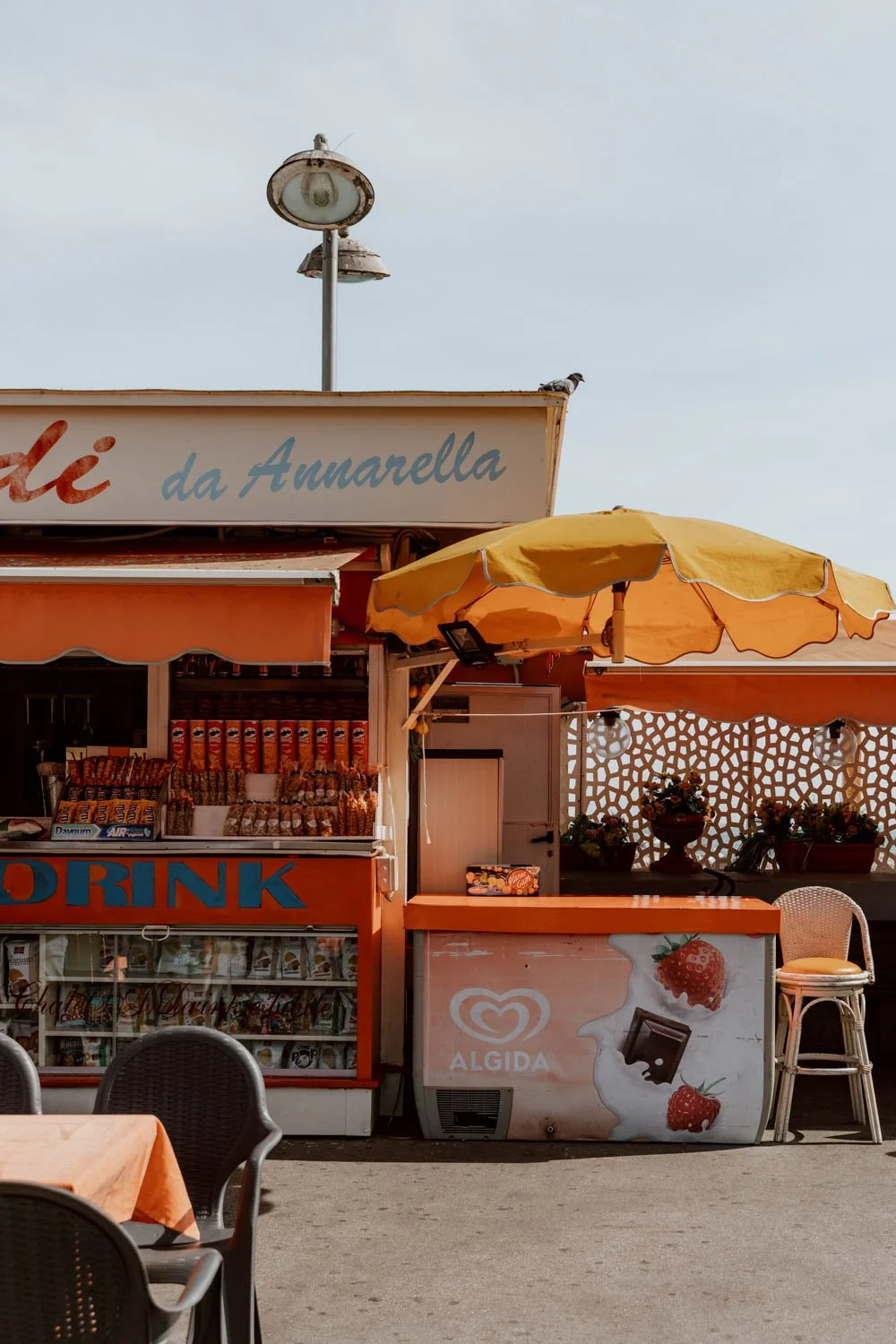
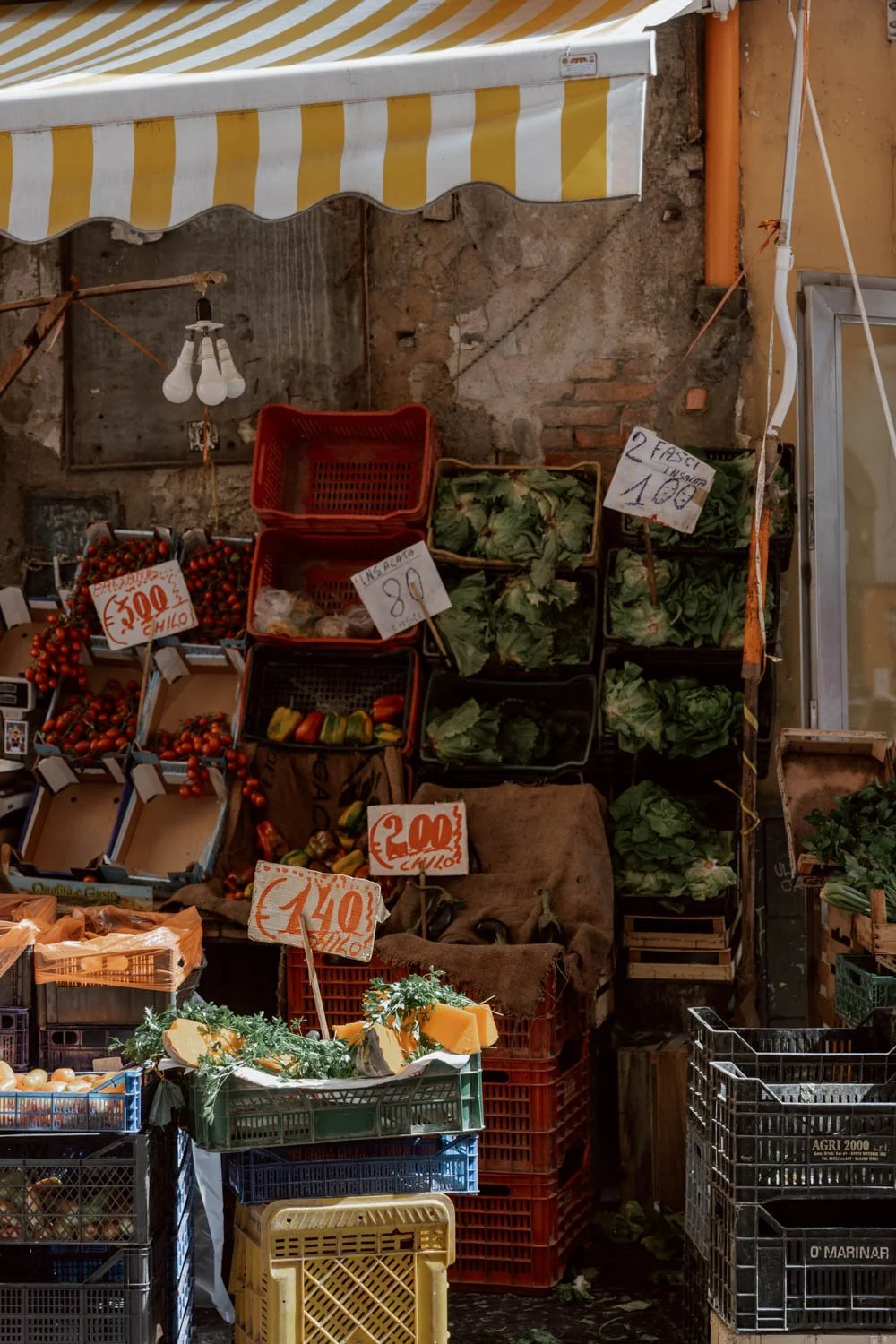
The Airport Is Really Close To The City...
Naples-Capodichino International Airport is going to be the start/end point for many southern Italian adventures.
The city’s only airport, it’s surprisingly small with a residential neighbourhood right outside it, but is really easy to reach from central Napoli by public transport. The Alibus shuttle costs €5, normally departs roughly every ten minutes, and has only three stops: the airport, Napoli Centrale train station and the port.
Note that it can get absolutely rammed though.
There is no train or metro to or from Naples airport, but taxis offer a more comfortable and convenient alternative than the bus. Official predetermined fares currently include €21 between the airport and Napoli Centrale, €24 to the port, Piazza Municipio, or the historic-centre ZTL, and €28.50 to Via Partenope and hotels in San Ferdinando. The fixed fare is per vehicle and includes luggage, airport, night, and holiday supplements.
Be sure to confirm that you want the predetermined fare before setting off and ask the driver to complete the official fare receipt.
For destinations farther afield, a pre-booked private transfer may be more convenient, but always compare it against the official taxi tariff first.
Travel Tip // We do a lot of road trips in Italy, but you absolutely do not need to add to your stress by arriving in Napoli with a rental car. The airport is however the cheapest and easiest place to pick up a rental car, so we'd instead recommend taking the bus / taxi to the city, spending your days there, then heading back to collect a rental car from the airport for the next leg of your trip.
Compare current prices with Auto Europe and RentalCars.com, then read our Essential Car Rental Tips before reserving anything.

…And It’s Just Over An Hour From Rome By Train
Alternatively, if you're visting Napoli from elsewhere in Italy, then we don’t recommend flying in.
Instead, the train offers a more enjoyable, affordable, sustainable, and convenient way to arrive in the city. One of the most popular options for first-time itineraries is to visit Napoli right after Rome, and the journeys takes just 1 hour 10 minutes on the superquick Frecciarossa line. On the cheaper InterCity train line, it's still just 2-3 hours, and each has frequent daily services.
You'll arrive in Napoli Centrale (Google Maps), the city's main train station and start point for day trips to Pompeii or onward travel to Sorrento and the Amalfi Coast. However, as we explain later on, this train station isn't one to linger around and we don't recommend picking accommodation by it either.
You can find schedules and book tickets on TrenItalia's official website.
Plan // For more information, advice, and the one thing you must do before boarding any train in the country, make sure to check our guide to train travel in Italy

It's The Gateway to Many Famous Italian Destinations
We don't want to keep banging on about transport connections, but it is really important to know that Naples' popularity isn't just because of its history, food, art, and character.
The large southern Italian city's proximity to several of Italy's most popular and iconic destinations underpins much of its tourism as well.
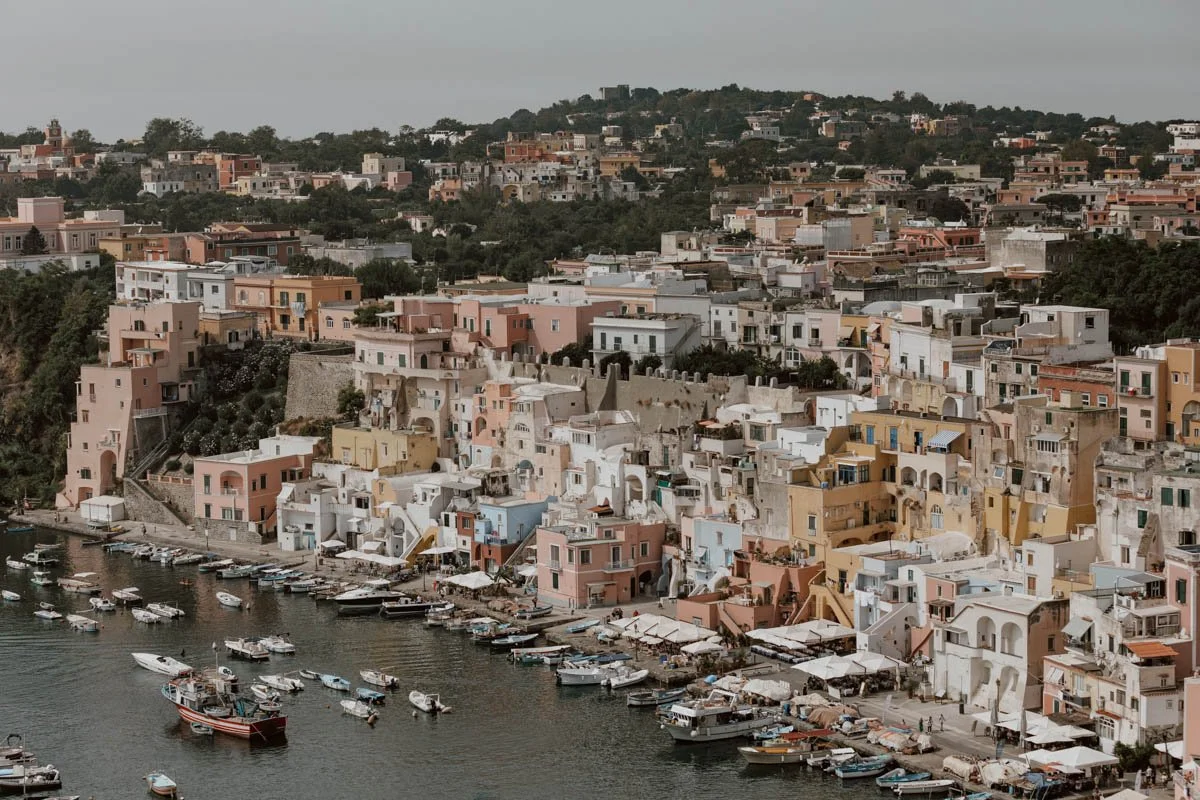
Napoli serves as the main gateway for travels to Sorrento and the Amalfi Coast, day trips to Pompeii and Herculaneum, walks up Mount Vesuvius, and departure point for ferries to the islands of Capri, Ischia, and Procida.
This means many of you will primarily be flying or sailing into Napoli in order to go elsewhere, and the main decision for you is whether or when to tack on a day or two in the city (personally, we'd suggest front-loading it, rather than having your final days of the vacation here).
For others, the city’s proximity and transport connections to these other destinations means you'll actually use Napoli as a base for a couple of day trips, which in turn impacts how long you’ll need to stay there and plan your time.
Plan // Whether you want to travel independently or join a tour, our guide to the Best Day Trips From Naples explains how to visit Pompeii, Herculaneum, Mount Vesuvius, Procida, Ischia, the Royal Palace of Caserta, and the Amalfi Coast.
The Art Scene Is Breathtaking
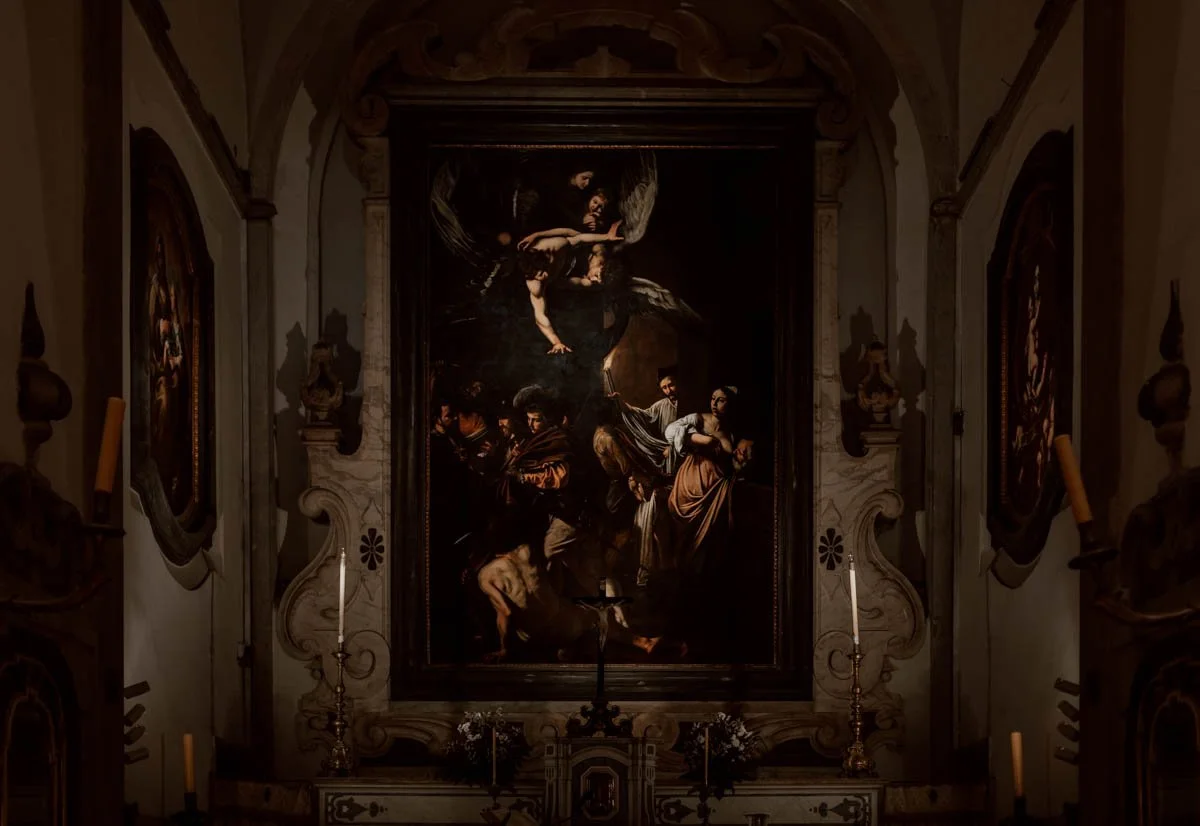
The Veiled Christ, Modesty, and Disillusion at the Sansevero Chapel are masterpieces in marble; the hilltop Museo e Real Bosco di Capodimonte houses an extensive collection of Italian and European art, including works by Caravaggio, Titian, and Raphael; and at Pio Monte della Misericordia you can stand before Caravaggio’s The Seven Works of Mercy in the setting for which it was painted more than four hundred years ago.
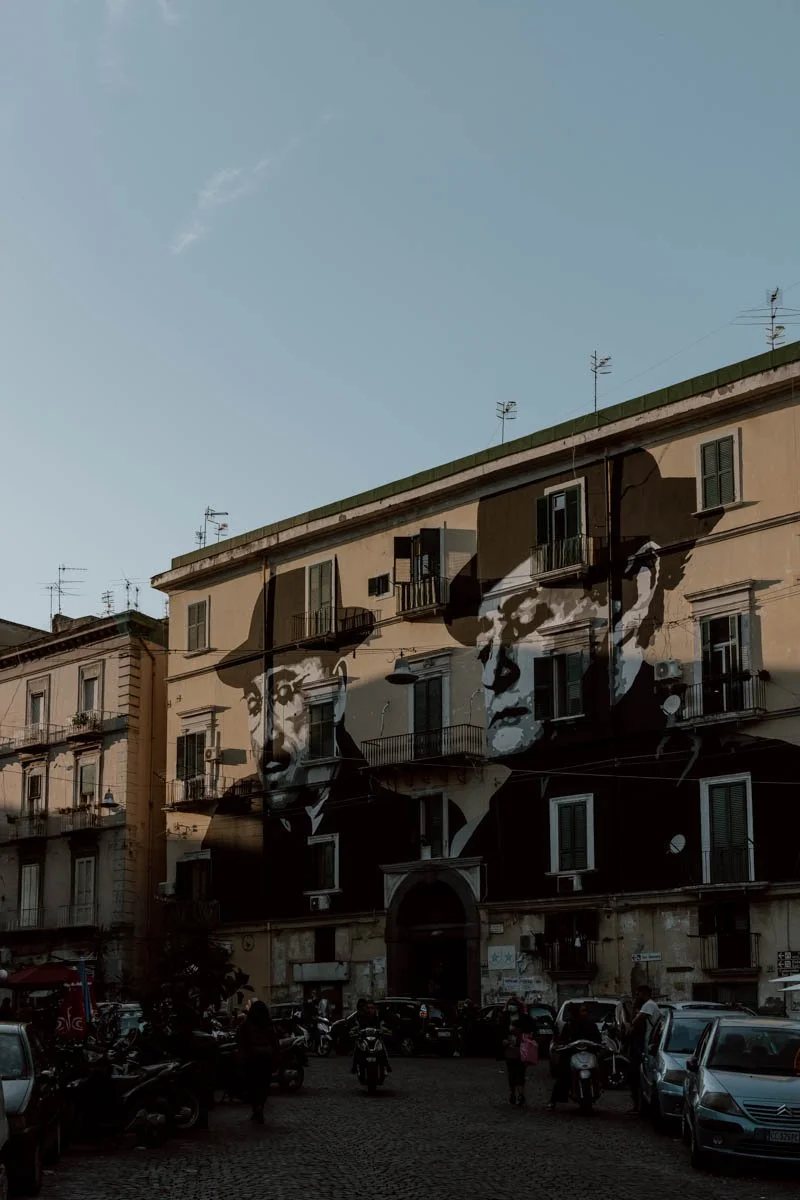
Then there is MANN’s extraordinary array of Greco-Roman sculptures, mosaics, and artefacts recovered from Pompeii, Herculaneum, and Stabiae; the art, history, and remarkable presepi of the former monastery housing the Museo Nazionale di San Martino; Jorit’s enormous hyper-realist murals on apartment blocks and office towers; modern art at Madre; and the beautiful religious works found across the city’s churches and cathedrals.
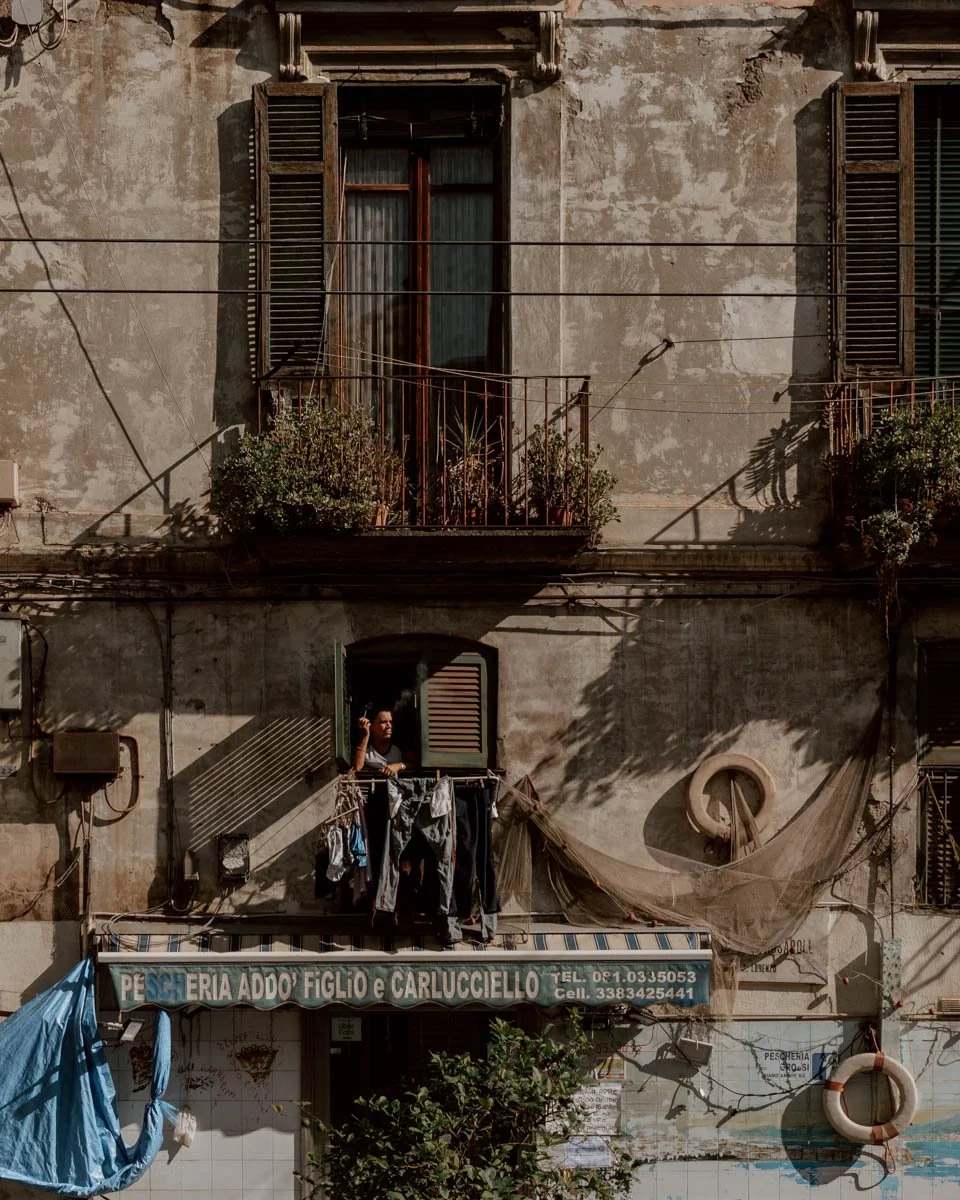
That is before considering the art of the streets themselves: the characters, shrines, gestures, washing lines, and scenes from a novel that you encounter with such regularity that you begin to wonder whether it is all an elaborate stage play the locals are in on, and the real city is hiding behind this beautiful, bewildering fake one.
So, Napoli is not just chaos, pizza, the football team, and scrawled graffiti on abandoned palazzi or university buildings; if you come away with just that impression, you probably didn’t look hard enough.

Weekday Closures & Buying Tickets in Advance
There are a few popular attractions in Naples that are closed during the week, and it's important to anticipate these for shorter visits.
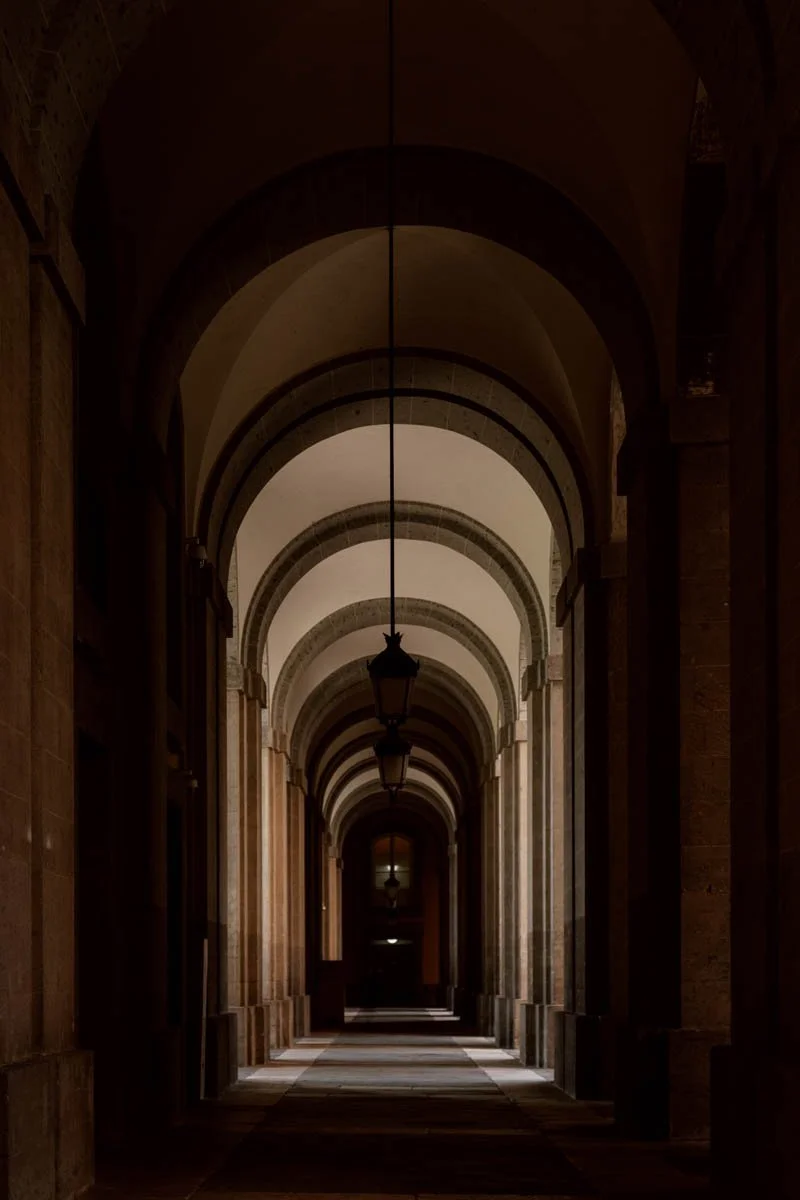
The National Archaeological Museum (MANN), the Sansevero Chapel Museum, and Madre are normally closed on Tuesdays. The Royal Palace, Capodimonte, and the Catacombs of San Gennaro are normally closed on Wednesdays. Public holidays can result in exceptions, so always check the official website shortly before your visit.
The following places deserve particular attention:
Sansevero Chapel Museum / online booking is mandatory, with tickets normally released 60 days in advance. Book through the official website.
Teatro di San Carlo / reserve through the theatre’s official website if you want to join a guided daytime visit. You can, of course, also attend a performance.
Catacombs of San Gennaro / visits are guided and reservations are required. Tickets can be booked through the official Catacombs of Naples website.
Napoli Sotterranea / advance booking is not essential for groups of fewer than ten, and entry on the regular tours is generally guaranteed. However, a timed skip-the-line ticket can reduce waiting during busy periods.
For several other museums, buying online is still worthwhile simply to reduce time spent in ticket queues.
Don't Expect Beaches in Napoli
As mentioned, with much of this coastal city on the Bay of Naples, you would be forgiven for assuming that Napoli must double up as a place where you can enjoy some sunbathing in the southern Italian sunshine between your explorations.
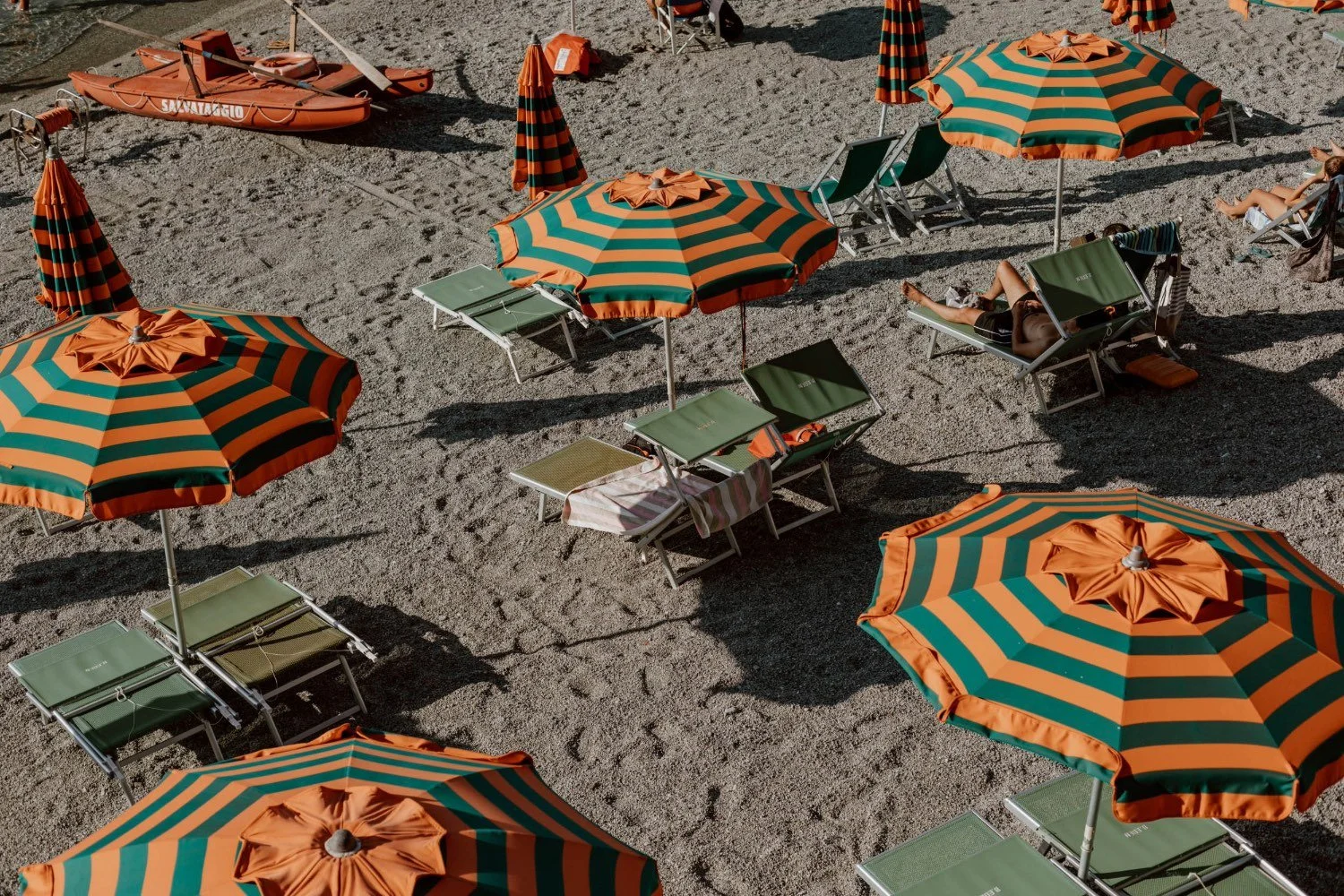
Although Naples does have a few beaches, lidos, and several areas where oiled-up locals hang out on the rocks or smooth concrete, it is not somewhere to book specifically for beach time on your holiday.
You can absolutely intersperse your day with a swim or few hours at these - with Bagno Sirena at Spiaggia delle Monache our pick of the Naples beaches if you want a full day - but you'll be better off elsewhere in Campania, across in Puglia, or down in Calabria if you're looking for really stunning set of beaches and sparkling water in southern Italy.
We've shared our other favourite sunbathing and hangout spots by the water in 19 Wonderful Things To Do In Napoli

The Naples Pass Will Save You Money
Lots of European cities offer up tourist cards bundling tickets, discounts, and other goodies, but they're not always a good deal. We usually prefer the independence of picking and choosing what we want to do rather than feeling obliged to visit their designated attractions just to get value for money.
However, the Naples Pass will be a solid investment for some visitors.
It comes in several packages covering either the city or attractions across the wider region. Based on our experiences, the €49.90 Pompeii & Royal Sites - 3-Day Naples Pass is the strongest option: it includes entry to Pompeii, Herculaneum, MANN, Capodimonte Museum, the Royal Palace of Naples, Castel Sant’Elmo, and the Royal Palace of Caserta.
You don't need to visit everything to save money either - MANN alone now costs €20, so pairing it with Pompeii and one or two others already makes the Pass worthwhile. Public transport isn't included as standard, but can be added.
Just be careful not to confuse it with the slightly cheaper City Highlights - 3-Day Naples Pass, which covers the city’s catacombs, underground sites, and smaller museums, but does not include MANN, Pompeii, or Herculaneum.
Longer 5 and 7-day passes are also available, but are only likely to pay off if you plan to visit a substantial number of the included attractions.
EU citizens aged 18–25, under-18s, and anybody eligible for free or reduced admission should also compare the individual ticket costs before buying a pass, as the potential savings available will be much lower.
A cheaper alternative is the Campania Artecard. The €27 Naples version covers your first three participating attractions, then offers discounts of up to 50% thereafter, and includes city transport. A €41 regional version includes your first two attractions, subsequent discounts, and much of Campania’s public transport.
It may work out better if you plan to visit fewer attractions or expect to use public transport frequently, but their combination of free entries, discounts, and exclusions requires more forward planning.
Buy // Compare the packages and purchase your Naples Pass here

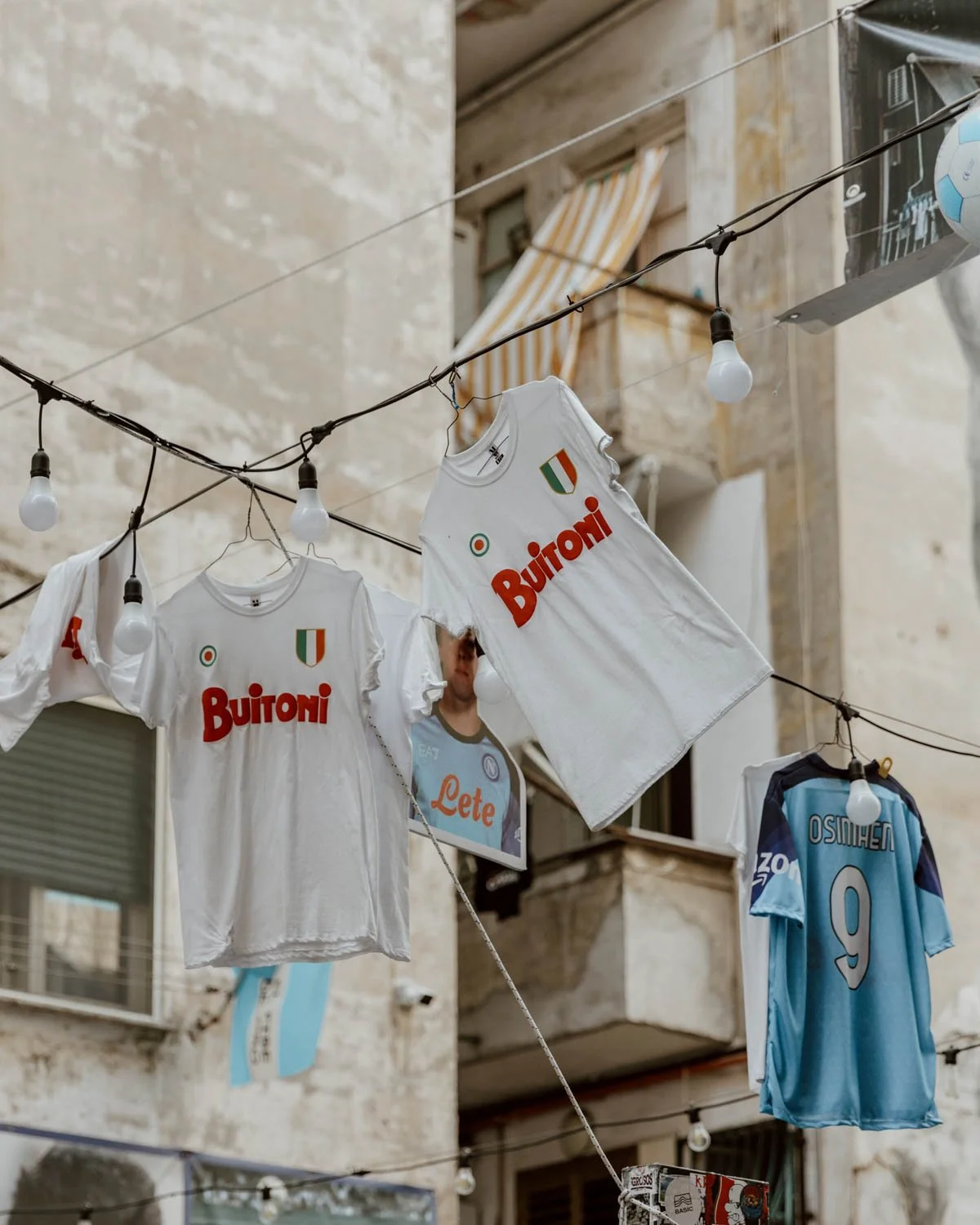
The Football Team Is Life & Maradona Is God
Naples has two religions, and it isn't always obvious which one gets more devotion.
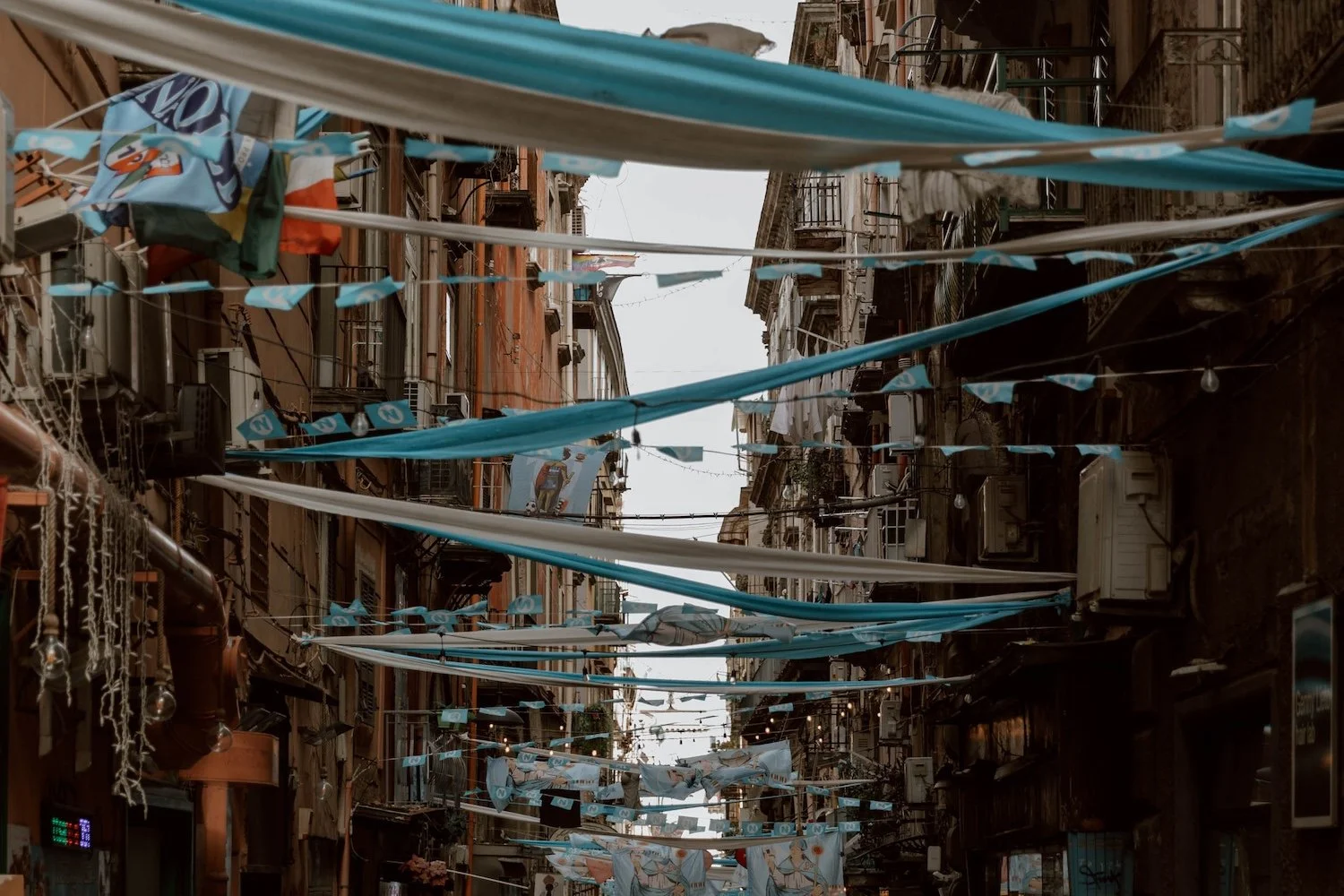
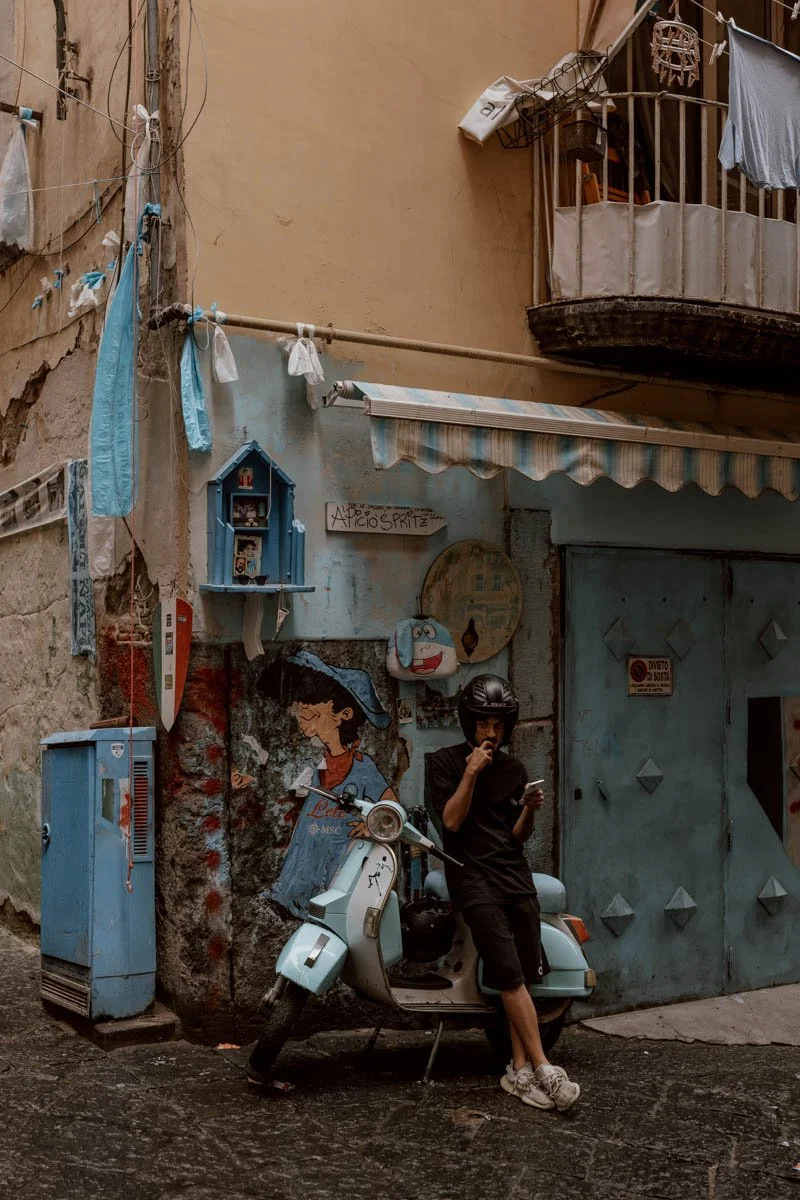
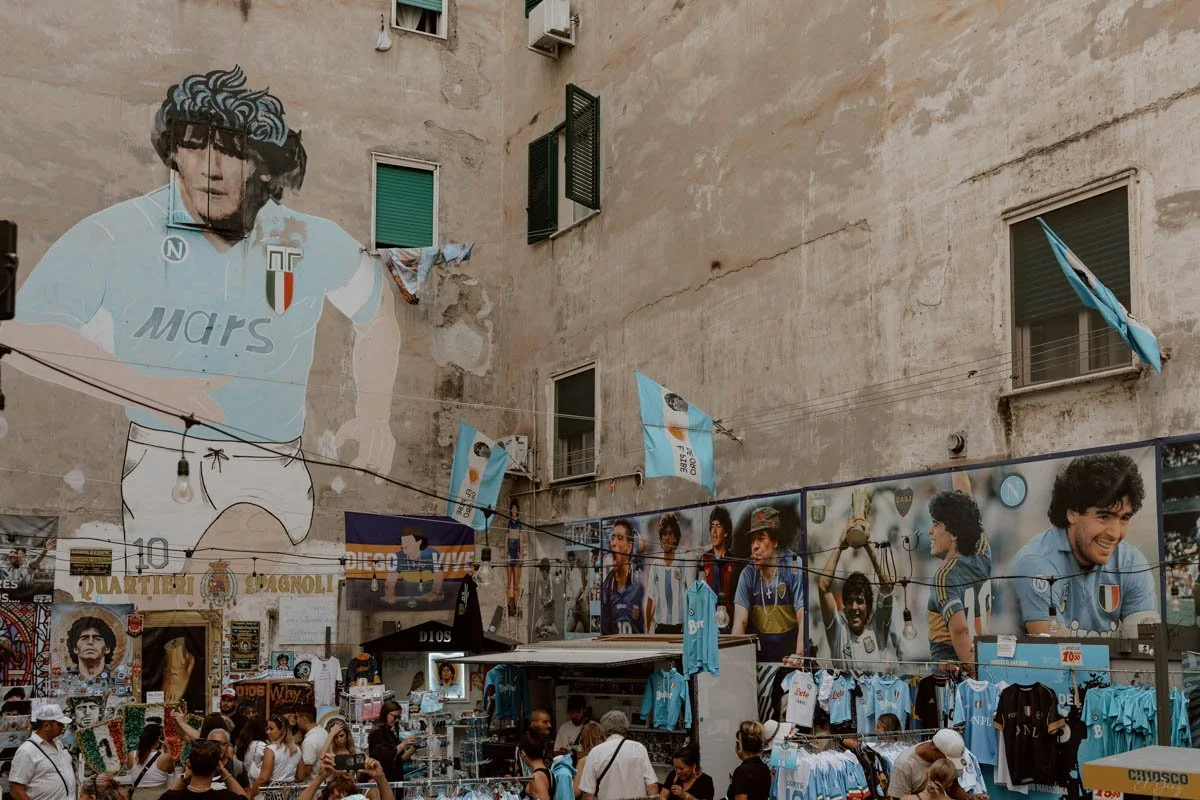
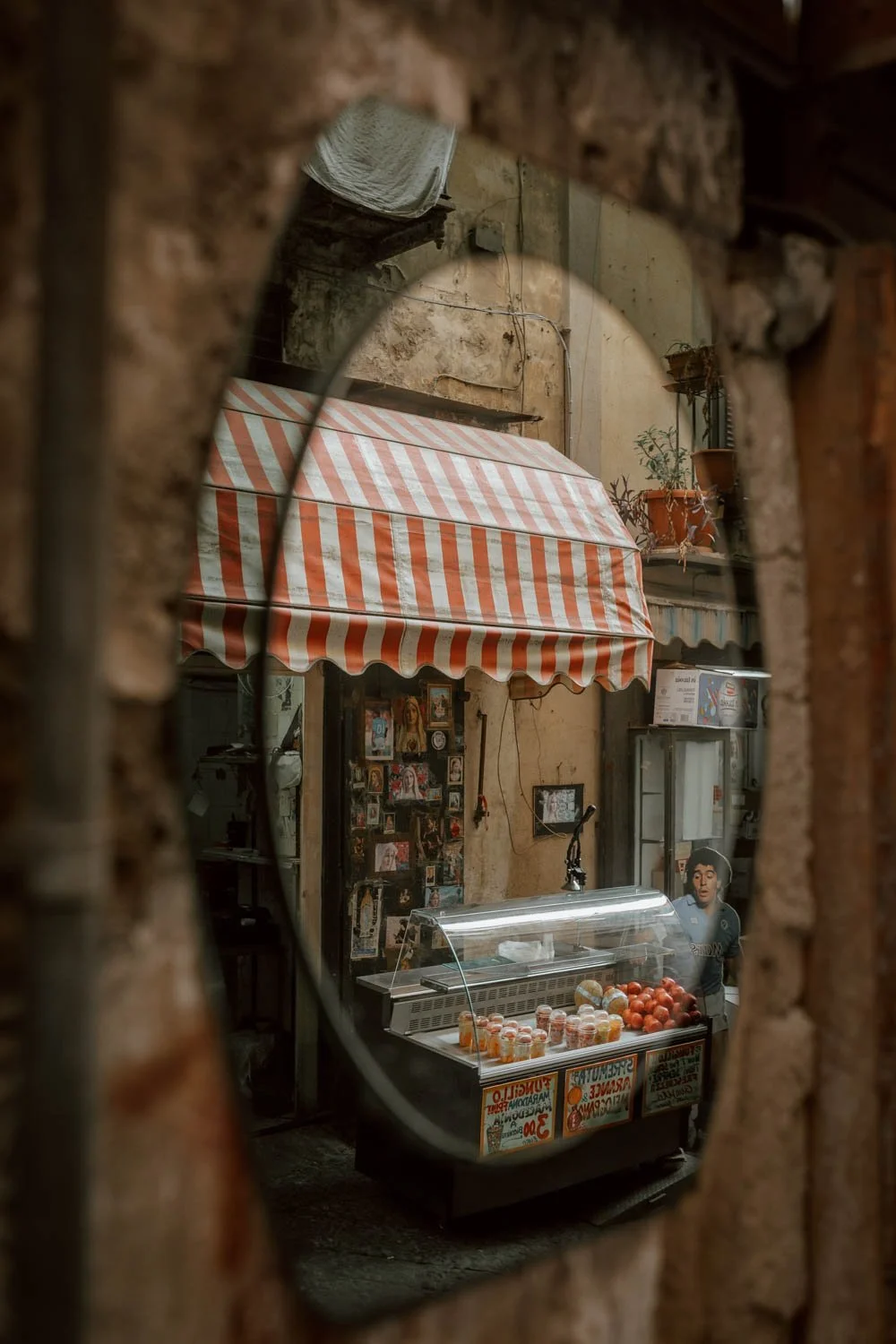
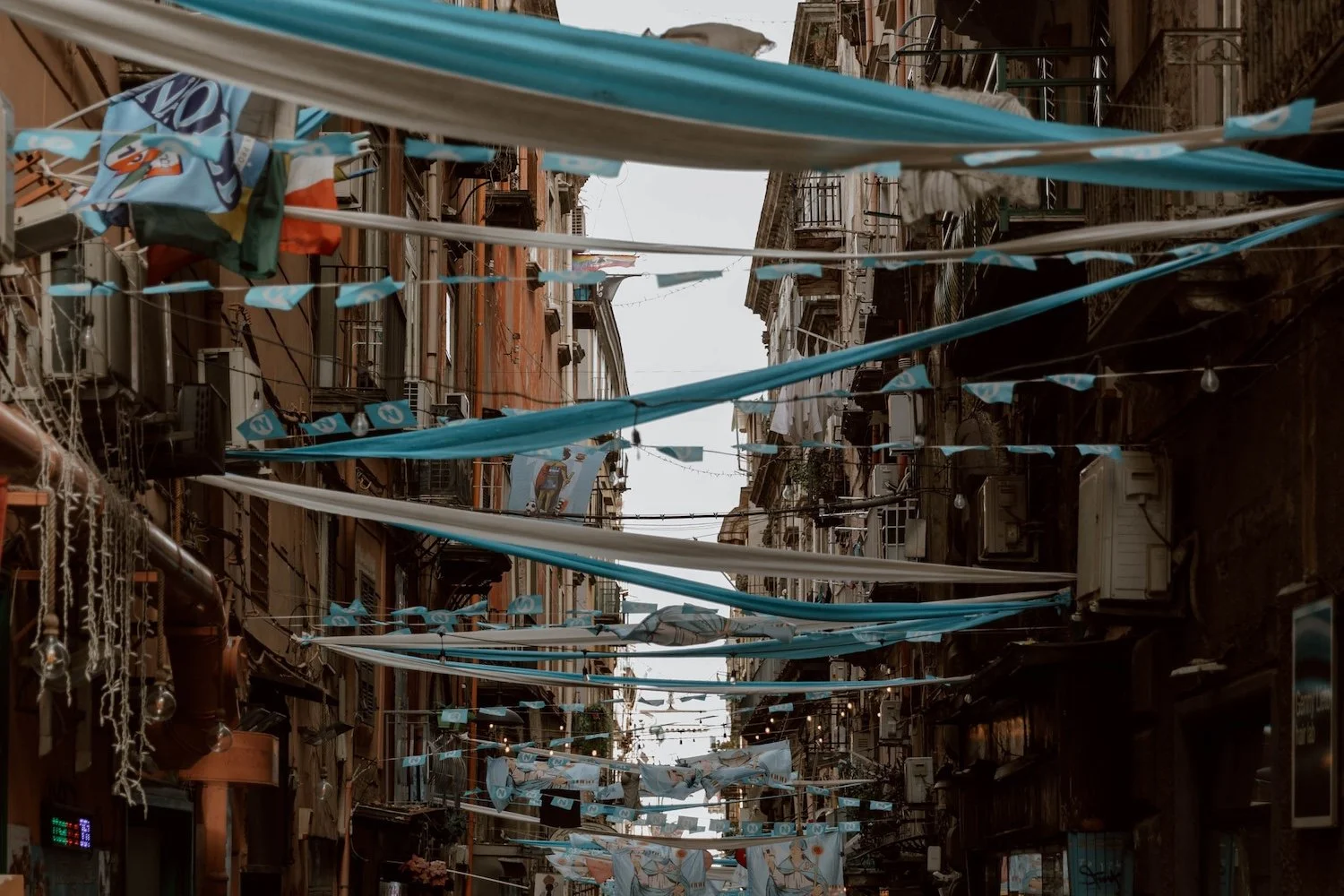
Walk the historic centre and you'll find Maradonas and Madonnas sharing the same street corners, the murals of Diego painted with the same reverence - if not more - as the saints. The little Argentine genius won Napoli their first two Scudetti in 1987 and 1990, almost single-handedly dragging a perennial underdog from the poorest city in Italian football to the very top of it. For a brief, glorious period, they got to look down on the more dominant teams of Rome, Milan, and Turin.
The city revered Diego Maradona in a way no other team, or place, has matched since.
And then, for 33 years, nothing. A title drought so long that an entire generation grew up hearing about 1990 rather than living it. Visiting Naples before 2022 meant visiting somewhere that still ached for something it couldn't quite get back. Then, almost without warning, its thirst was sated twice in three season by a third Scudetto in 2023 and a fourth in 2025. The most unlikely hero of that second title? A Scottish midfielder named Scott McTominay, who scored the goal that sealed it, picked up Serie A's Player of the Season, and now goes by ‘McFratm’ - Neapolitan slang for ‘my brother.’
If Naples can adopt a Scotsman in sky blue as a demigod within a single season, you start to understand how seriously they take this.
It's worth knowing before you arrive, because it explains so much else about the city. The same intensity that turns a football match into a citywide event is the intensity you'll feel in its markets, its traffic, its arguments, its welcomes.
Naples doesn't do anything by half measures, least of all football and heroes.
The Pizza Really Is That Good
It's probably already one of your favourite foods, but you’re going to take things to another level when you taste pizza in Napoli.
As the food’s birthplace, everything else is a spin-off or variation of the Neapolitan original, and you will eat at least a couple of the best you've ever had in your life here. The beauty is that the dish, even at the most popular and famous joints, is still very affordable for everyone, with a classic margherita costing €5-8.
In this city, you are allowed - nay, emboldened - to have pizza for lunch and dinner each day if you so desire!
You may have to be patient, selective, and a little strategic though.
Eat Pray Love and Bill Clinton elevated two restaurants to tourist hotspots, and the deservedly glowing reputation of Sorbillo's means that queues out the door and around the block are increasingly common in high season; these can last anywhere from 15-45 minutes.
For at least one of them, the wait is definitely worth it.
We take our job very seriously at Ad Roads, and across two visits to the city, we went out of our way to do a lot of research and eat a lot of pizza so we could help you narrow down your options, avoid the mediocre tourist-spots, and plan ahead (the sacrifices we make for our readers eh?!).
Find all the details and make yourself salivate in our personal take on the best pizzerias to eat at in Naples.
Four things we reaaaally want to press home here though:
1/ A lot of travellers in Italy share pizzas, and this is really a no-no. Firstly, Italians don't do this. Secondly, pizzas here are affordable and taking up a table at a busy restaurant to share a €5-8 dish between two isn't cool. Thirdly, why on earth would you want to share pizza!?
2/ Next, never order an Aperol Spritz with pizza (or any meal). That's basic. In Italy, pizzas are usually paired with Coca-Cola, beer, and occasionally wine (but that's not very common).
3/ There's no cultural standard for how you should eat a pizza - and we've asked several Italians and pizzaiolos this. They will be served up unsliced, and you can either make your own slices and fold, or go bit by bit with a knife and fork.
4/ Lastly. Who on earth leaves the crust? We've seen so many people visiting Napoli leave the whole crust untouched - and it's one of the best bloody bits!!!!
Ok. Rant over.
Book // Short on time? Then consider this highly-rated pizza tasting tour.

Know Where To Stay in Naples (And Where To Avoid)
Your choice of base in Naples can have a disproportionate effect on how you feel about the city. Some areas have the feel of old Hollywood glamour, others put you right in the beating heart of the city, whilst others may make you wonder whether you’ve perhaps booked too many days.
As picking your accommodation in Naples is such an important decision, we’ll be writing an entire guide on ‘Where to Stay in Naples’, but here’s a brief overview of the areas most visitors consider:
Centro Storico | The historic centre puts you among the churches, pizzerias, bars, street life, and many of the city’s major sights. It is particularly convenient for shorter trips, with much of central Naples accessible on foot, although its narrow streets can be crowded and noisy late into the evening. The area is large: Piazza Dante and Piazza Gesù Nuovo sit towards its more accessible western side, whilst accommodation around Via Duomo places you deeper within the old city and closer to Napoli Centrale.
Chiaia | One of Naples’ more affluent neighbourhoods, Chiaia has independent shops, restaurants, cocktail bars, galleries, and a greater concentration of smaller hotels and boutique guesthouses. It offers some respite from the historic centre without feeling disconnected from the city, but prices tend to be higher and you may rely more on the metro or taxis for sightseeing.
Santa Lucia & the Lungomare | The seafront holds many of Naples' grandest hotels, often with views across the bay to Vesuvius. It suits travellers who value space, sea air, waterfront walks, and a quieter end to the day. However, it offers a very different experience from staying among the historic streets, and most of the city’s cultural sights and famous pizzerias are a longer walk or public transport ride away.
Vomero | High above central Naples, Vomero is more residential, less congested, and noticeably calmer. The views are excellent, accommodation is often more spacious, and the neighbourhood is connected to the centre by metro and funicular. It may appeal to families, repeat visitors, or those staying longer, but travelling up and down the hill every day is a compromise.
Rione Sanità | North of the centre, home to the Catacombs of San Gennaro and San Gaudioso, striking palazzi, and street markets, with a handful of guesthouses in restored buildings. It's strongly residential with fewer tourist services, so suits confident, independent travellers more than first-timers.
Napoli Centrale & Piazza Garibaldi | Staying by the station is undeniably convenient for early trains and repeated day trips to Pompeii, Herculaneum, or Sorrento. Accommodation is generally cheaper too. However, we really, really wouldn’t recommend this area for the vast majority of travellers. The area generally feels quite unpleasant during the day, a feeling that increases as evening descends - we would not recommend walking around here after dark.
Quartieri Spagnoli | The Spanish Quarter is central, close to Via Toledo, and now has an enormous number of Airbnbs, guesthouses, bars, and visitor-facing restaurants. You will therefore see it recommended frequently as one of the best areas to stay in Naples.
Our hesitation to also recommend it has nothing to do with safety, nor do we think travellers who book accommodation there should expect problems. It is an exceptionally dense, working-class residential neighbourhood, and much of what makes it so interesting comes from the fact that it remains unmistakably local. Between our two visits, we noticed a significant increase in short-term rentals inside previously residential apartment blocks, alongside the inevitable growth in businesses aimed predominantly at visitors.
There are undoubtedly good places to stay in this neighbourhood, and booking one is not inherently wrong. However, we also think that sometimes certain places should simply be left to be local. We would happily spend hours exploring, eating, and drinking in the Quartieri Spagnoli, but we wouldn’t personally rush to book accommodation within it.

How To Get Around Napoli
Naples stretches along the bay, crawls up the surrounding hills in tight clusters, and its suburbs extend farther out than most visitors will go.
Its size, plus the levels of congestion, means it can be little difficult and intimidating to get your head around in just a few days. It’s very walkable though and more joined up than first impressions, and exploring on foot is the best way to realise that the city centre is smaller than it looks, as well as to discover Napoli's magic slowly.
However, for short trips or when you've got a lot planned in day, it's a sensible idea to make use of its metro / subway network and other alternatives:
Metro | Useful for covering longer distances without losing too much time to traffic. Coverage is pretty good, tickets are affordable, and several stations - including Toledo - are works of art in their own right; the Yellow Line 1 is the route most visitors will use, although services were not as frequent as we’d expected.
A single journey on the ANM network costs €1.30, whilst the €1.80 integrated ticket remains valid for 90 minutes and allows connections between participating operators. If you expect to use public transport several times in one day, an ANM day ticket is €4.50, or you can pay €5.40 for unlimited travel across the integrated urban network.
Tickets are available from machines in the stations, authorised tobacconists, and the UnicoCampania app, although the easiest option for occasional metro journeys is now to use the contactless Tap&Go gates. Make sure you use the same bank card or device when tapping in and out, and remember that any paper ticket must be validated before travel.
Do be aware that these prices only cover journeys within the urban network and do not include the full Circumvesuviana routes used for day trips to Pompeii, Herculaneum, and Mount Vesuvius, which have their own ticketing system. Read this post for advice on that journey!
Taxis | Official taxis are white and display an identification number, with journeys charged either according to the meter or one of the city’s predetermined fares. Confirm which will apply before setting off and, where a fixed fare is available, ask to see the official rate card; luggage and most supplements are already included in predetermined fares, although additional charges may apply when travelling on the meter.
Uber also operates in Naples, but not as the cheap and plentiful service found in most countries. Instead, the app only connects passengers with licensed taxis or private-hire vehicles, so prices and availability vary, and walking to a taxi rank may prove quicker. We’ve found a better and quicker alternative is the local itTaxi app.
Bike | Napoli isn't very cyclist-friendly, and the only place we'd consider taking bikes is along the lungomare. If you'd like to discover the city on two wheels, a local-led cycling tour is the best option.
Tourist Buses | We don’t usually recommend the red double-decker Hop-On Hop-Off tourist buses, but Naples may be an exception for travellers with limited time or mobility, providing a convenient and relatively stress-free way to get between the main sights. Find out more or book tickets here.
Crossing The Road & Traffic
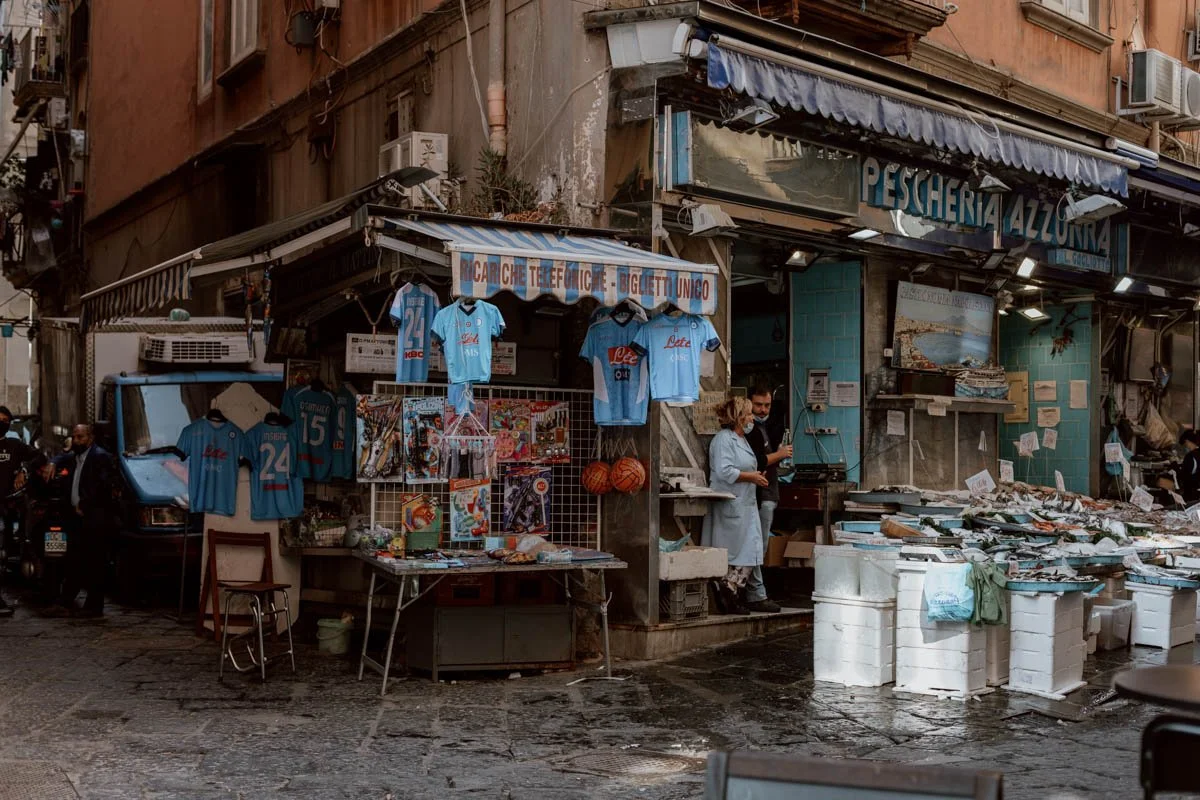
However you get around Napoli, pay attention when crossing the road or walking down a street that seems like it's basically pedestrianised.
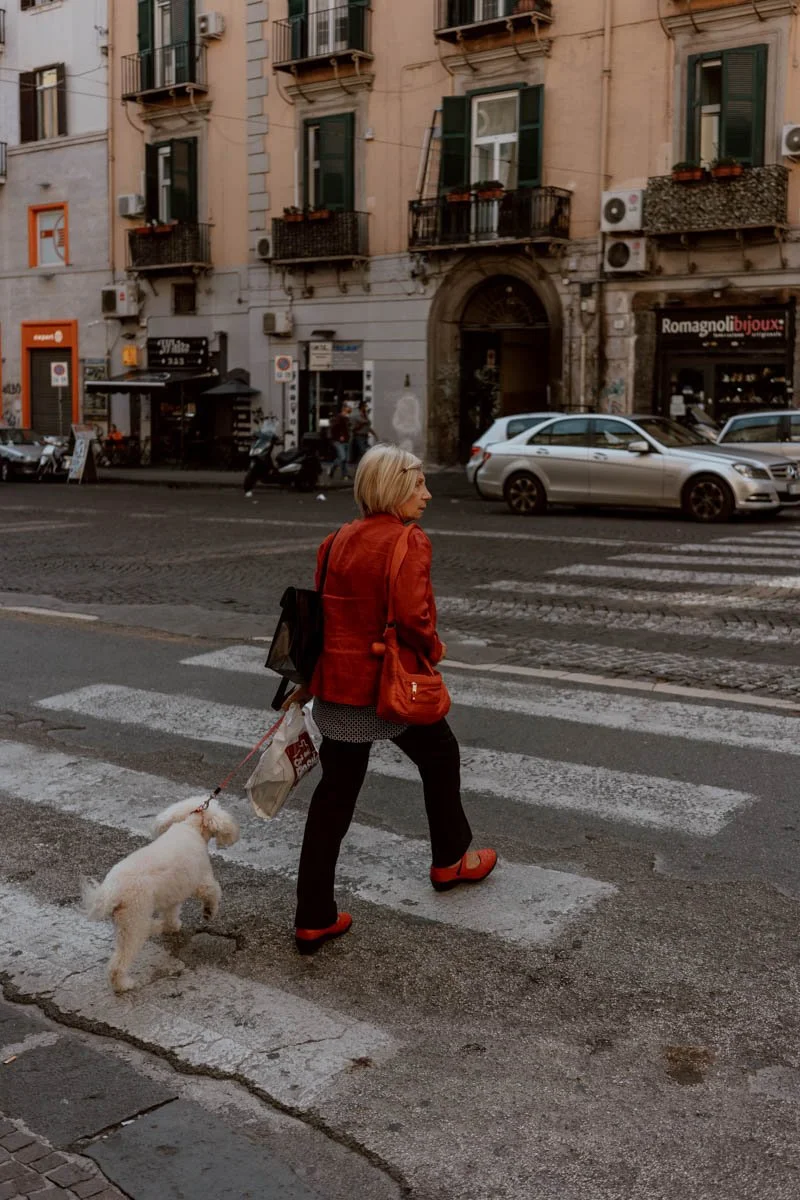
A zipping Vespa is never that far away, and you'll be expected to move quickly, whilst car on the busy but fast-paced main roads will not necessarily stop for you; zebra crossings are mere suggestions rather than commands to drivers here.
This means you have to be quite a bit more aware of what's going on than in other European cities and at times the only option is to be a little more assertive and proactive when crossing.
As mentioned earlier, we do not recommend arriving in Napoli with a rental car. However, if you have no option to tweak your road trip itinerary, you should limit your drive time in and around the city to strictly your entry + exit, and stay at accommodation which explicitly provides private car parking spaces.
Look Out For The Cruise Ship Crowds
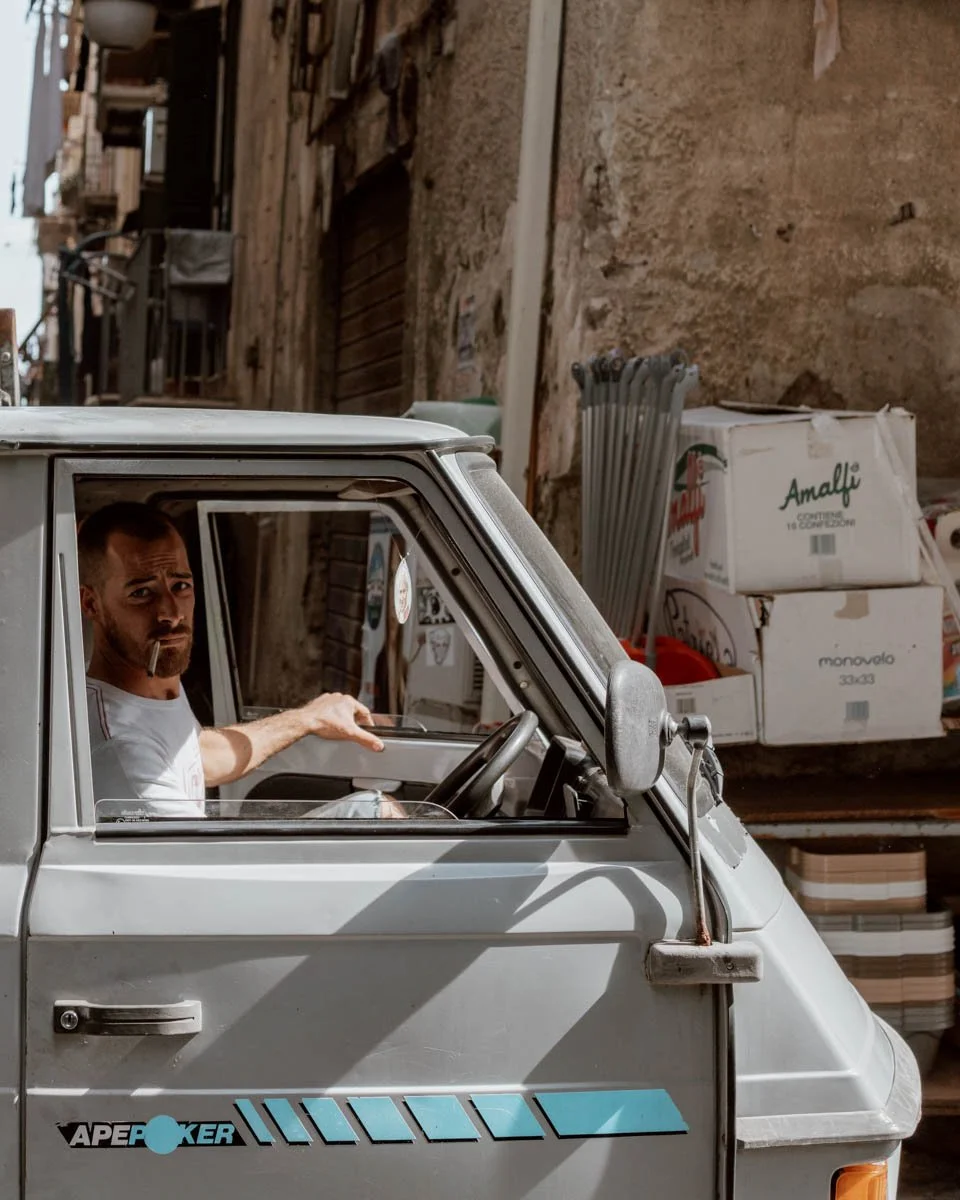
We are not fans of cruise ships or the impact they have on already busy destinations, but the presence of these gigantic floating holiday resorts is only going one way in Naples.
Two or three can dock in the city's port (which also the place to catch the ferries to Capri, Ischia, and Procida) and they unload hundreds of people to explore the city's narrow streets in large groups or takes buses onward for Amalfi Coast or Pompeii day trips.
It can be difficult to avoid their effects, especially along Via Tribunali, and they do affect the atmosphere and enjoyability of the historical centre. Because of this, we’d highly reommend avoiding popular museums or historical sights from around 10.30am-4.30pm when the biggest cruise tour groups seem to be out in force.
You can also plan ahead by checking how many there will be in port each day on this website.
Dress For Napoli, Not Amalfi
Hopefully this isn't a controversial point.
However, it's pretty easy to spot visitors who arrived in the coastal city thinking that it would be somewhere quite different for their Italian holiday aesthetic.
By all means pack and wear whatever you want, but we're big proponents of letting travellers know that they definitely should smarten themselves up a bit for evenings in Italy generally. Yet, the 'Napoli style' isn't necessarily the same as what you're packing for your Instagram-aesthetic dolce vita Italy trip.
Gritty and grungy, a black t-shirt and a pair of jeans go down far better here than a big floaty dress or cute little pastel outfit you've picked out for Capri. Also, there are a lot of cobbles, so heels ain't great for wandering around.
The Camorra Is Not Gomorrah
The Camorra is the organised criminal network historically rooted in Naples and Campania.
Gomorrah is Roberto Saviano’s non-fiction book about it, as well as the name used for the subsequent film and television series.
The distinction matters because organised crime is not simply a colourful part of Naples’ reputation or a dramatic backdrop for visitors. Its effects on residents, businesses, politics, waste management, and local economies are real and ongoing.
At the same time, the average traveller is highly unlikely to have any direct encounter with the Camorra. You do not need to spend your trip searching nervously for signs of organised crime, and it would be equally inappropriate to treat affected neighbourhoods as settings for a form of “mafia tourism”.
Read Saviano if you want a better understanding of the subject, but do not confuse a television aesthetic with the lives of people who continue to deal with its consequences.
The Rubbish
One of the first things mentioned by people who dislike Naples is the rubbish.
They are not imagining it.
Some streets are heavily littered, bins can overflow, and collections are not always frequent enough for the amount of waste generated by a crowded city. Pretending otherwise - or presenting it as a charming part of Napoli’s rough-edged authenticity - does nobody any favours.
However, visible litter should not be treated as interchangeable with Campania’s infamous waste crisis. That much larger scandal involved years of inadequate infrastructure, political failure, corruption, illegal dumping, and the disposal or burning of industrial and toxic waste by organised criminal groups.
Its environmental and human consequences remain extremely serious, particularly in the area between Naples and Caserta known as the Terra dei Fuochi, or Land of Fires.
You may encounter dirty streets during a short city break. That is frustrating and unattractive, but it is only the most visible surface of a much more complicated problem.
Is Naples Safe?
Naples is not a city we would tell experienced travellers to avoid, but it is somewhere we recommend being more alert than in a small Italian town or relaxed coastal resort.
For visitors, the most plausible problems are petty theft, pickpocketing, bag snatching, unofficial assistance at ticket machines, and opportunistic scams.
Take particular care around Napoli Centrale and Piazza Garibaldi, on crowded metro and Circumvesuviana trains, in dense parts of the historic centre, and when distracted by luggage or a phone. Keep bags closed and in front of you, avoid carrying a phone loosely beside a busy road where a scooter could grab it, and never leave valuables inside a parked car.
The Quartieri Spagnoli and Forcella are frequently included in dated lists of areas tourists should avoid entirely. Both are now regularly visited, and blanket warnings are not especially helpful. You should instead remain aware of your surroundings, favour busy and well-lit streets late at night, and turn back if somewhere feels uncomfortable.
Around Napoli Centrale, we recommend moving with purpose rather than lingering, particularly after dark.
These are sensible precautions rather than reasons not to visit. Millions of people explore Naples without incident every year, but confidence should not become carelessness.



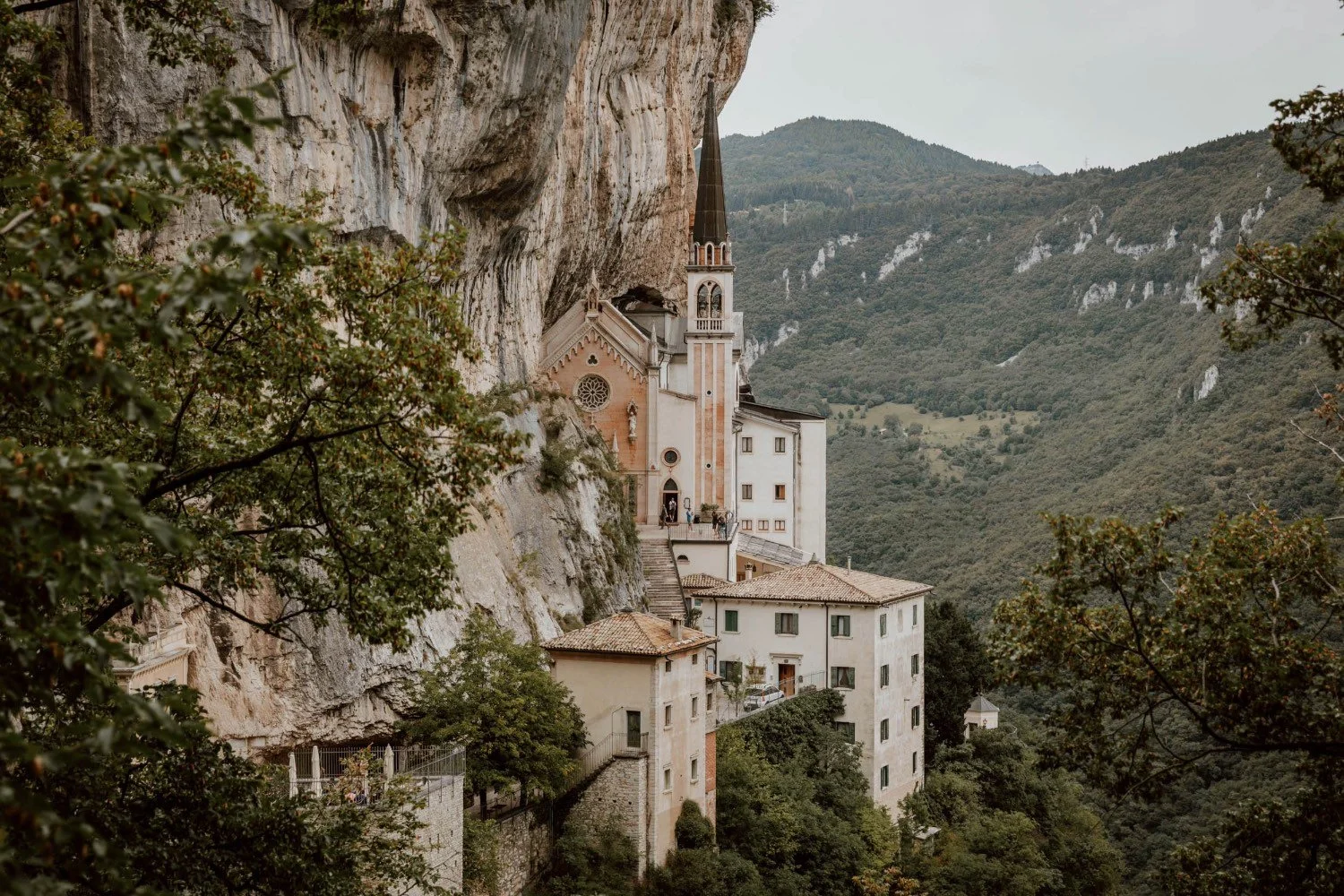
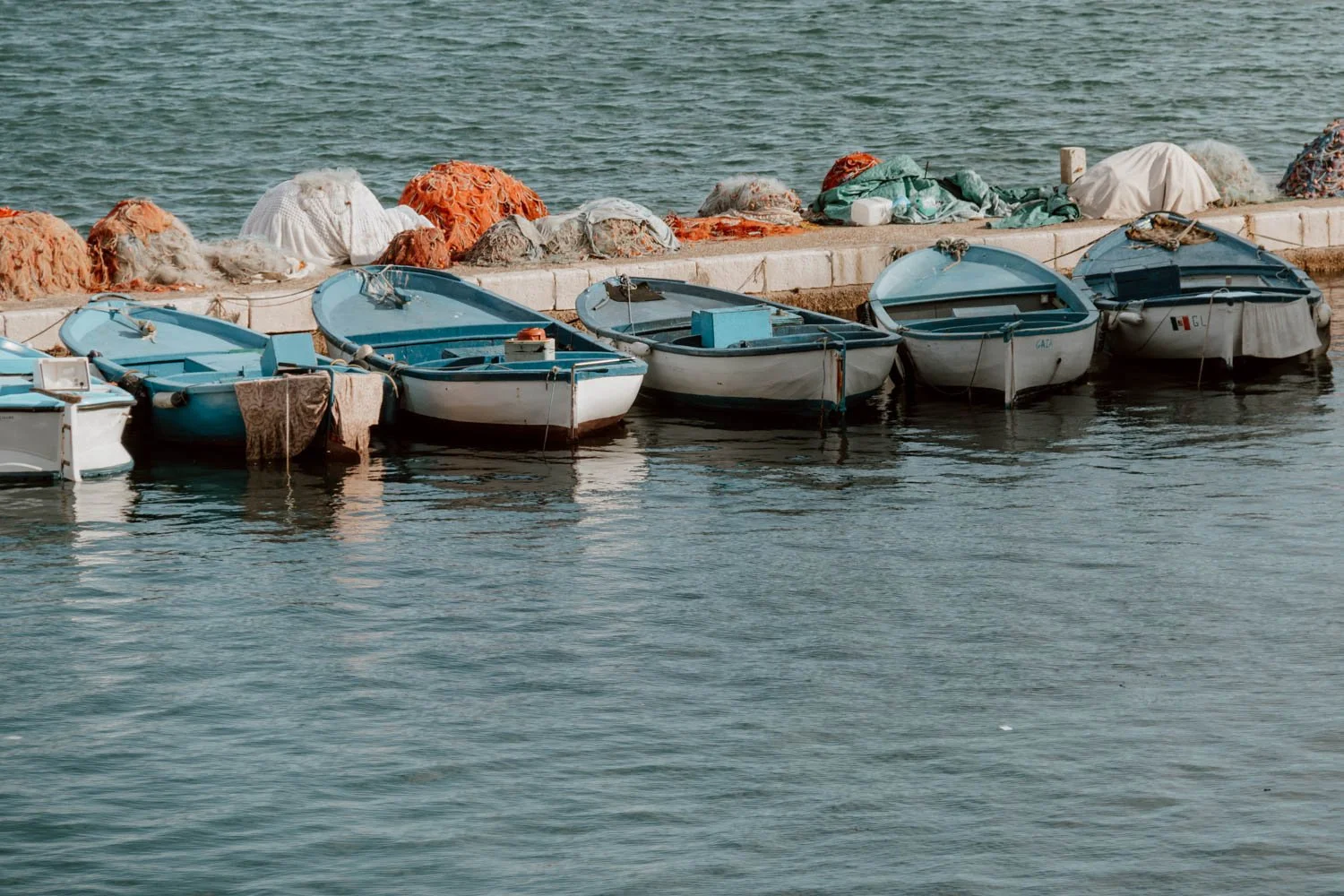
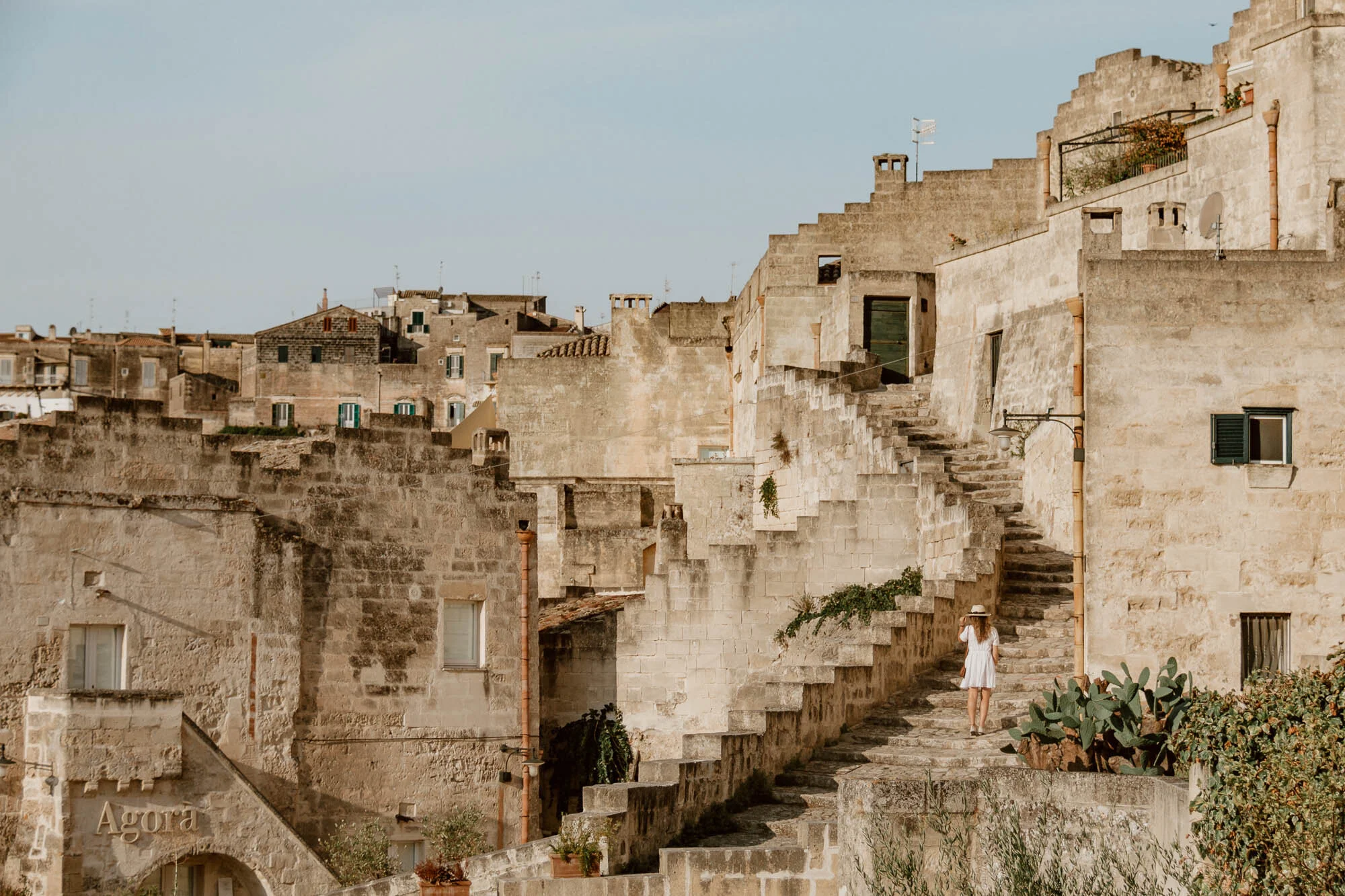



An Italian city unlike any other, Naples take many people by surprise. Get ahead of the crowd with our essential things to know before you visit Naples, Italy.