



The Best Things To Do In Matera, Italy | The City Of Caves
Whether you've got a day or a long weekend, here’s what to see and all the best things to do in Matera Italy, as well as where to stay, where to eat and how to get there.
Fully updated August 2026
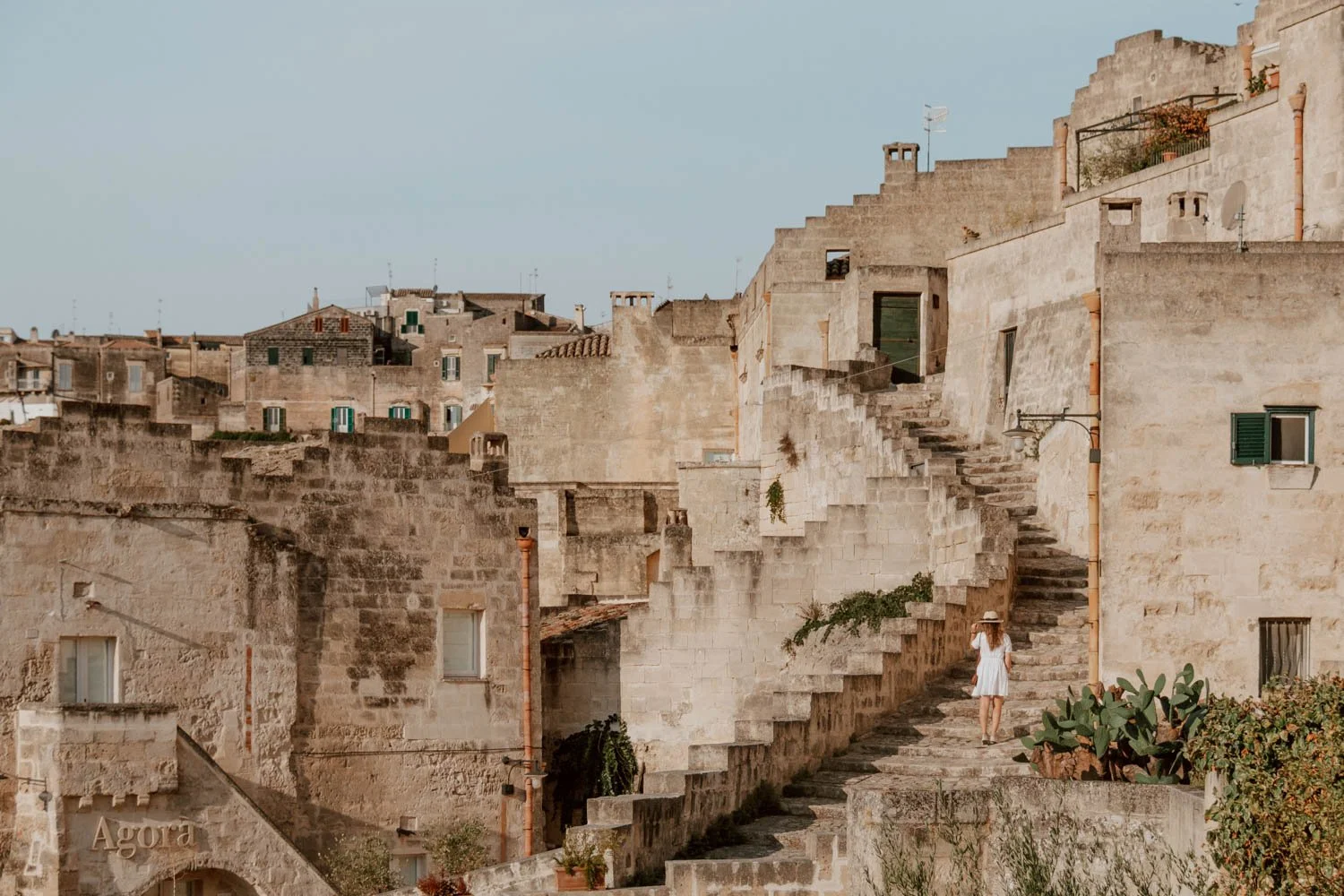
We weren't supposed to make it to Matera.
After all, we were on a Puglia road trip; heading into the remote region of Basilicata was going out of our way.
And yet, once you learn the story of Matera, it becomes a place that you simply have to visit. This remarkable city - the third oldest continually inhabited in the world - where evidence of human settlement stretches back to the Palaeolithic era and the old neighbourhoods are carved into the side of a ravine, is perhaps one of the most fascinating we have ever encountered.
For centuries, the caves of the Sassi formed homes, churches, workshops, and water systems. By the twentieth century, they concealed a society living in desperate poverty. Malaria was rife, infant mortality was appallingly high and, as recently as the 1950s, large families lived alongside their animals in crowded caves without running water or proper sanitation.
The conditions were exposed and brought into the national consciousness out of obscurity by Christ Stopped at Eboli, Carlo Levi’s 1945 memoir of exile in Basilicata:
“In these dark holes I saw a few pieces of miserable furniture, beds and some ragged clothes hanging up to dry. On the floor lay dogs, sheep, goats and pigs… Children appeared from everywhere, in the dust and heat, stark naked or in rags, eyelids red and swollen… and with the wizened faces of old men, yellow and worn with malaria, their bodies reduced by starvation to skeletons… I have never in all my life seen such a picture of poverty.”
A special law passed in 1952 began the relocation of approximately 15,000 residents from the Sassi into purpose-built neighbourhoods in the modern city. The caves were emptied and abandoned; a way of life that had endured for generations brought to an abrupt end.
Old Matera, however, has come a long way in the intervening decades.
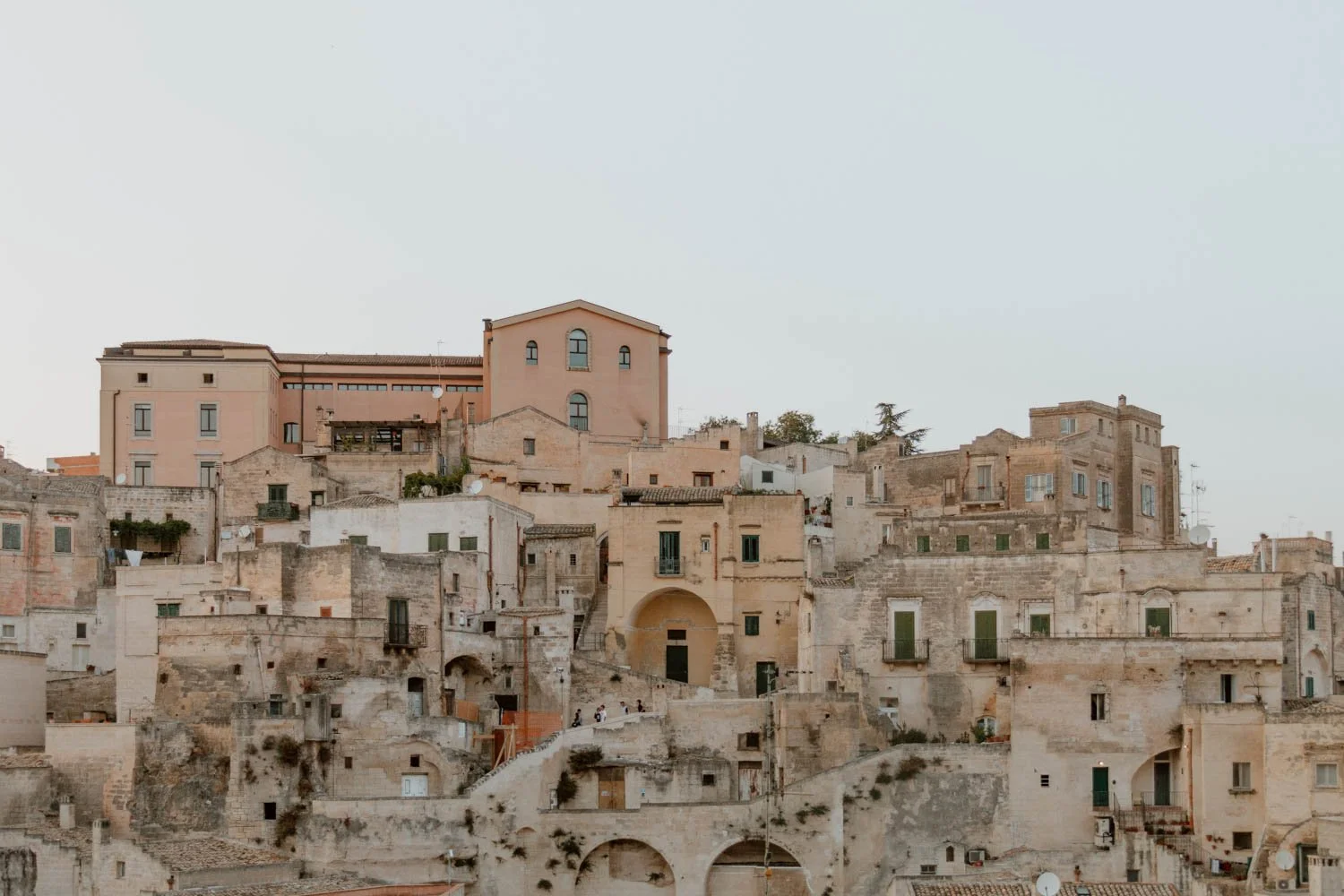
Today, it is a place to stroll in the sun, marvel at the architecture, fall in love and gain a sense of all that is wonderful about southern Italy. Once described as the “shame of Italy”, the Sassi became a UNESCO World Heritage Site in 1993, Matera was named a European Capital of Culture for 2019, and caves previously associated with deprivation have been transformed into museums, restaurants and some of the country’s most sought-after hotels.
Matera is no longer the secret it was when we first arrived. Its extraordinary story, cinematic landscape and starring role in No Time to Die have firmly placed it on the southern Italy tourist trail, and its principal viewpoints and streets can become busy during the day.
None of that diminishes the impact of seeing the Sassi for the first time.
Stay overnight, walk beyond the obvious viewpoints and head out early enough, and Matera still offers the chance to become wonderfully disorientated in a city built in layers, where streets run across rooftops, churches disappear into rock and almost every staircase reveals another improbable view.
In this guide, we’ve shared the best things to do in Matera, how to understand and explore the two Sassi, where to eat and stay, and all the practical information you’ll need to plan your visit.
The Matera Essentials
Where / Matera lies in Basilicata, around 65 kilometres southwest of Bari and just beyond the western edge of Puglia
Plan / Allow at least one full day. Two nights provide time to explore the Sassi after the day-trippers leave and cross into the Murgia without rushing
Stay / L’Hotel in Pietra is a more affordable cave hotel but for the full experience, Sextantio Le Grotte della Civita is unbeatable. Browse more Matera hotels here
Rent / Choose IDYLLE HOUSE for a bright stone home with a courtyard and Sassi views, ESSENCE SUITE for a more atmospheric cave interior, or La Stufetta for an artist-owned home at a lower price
Begin / Visit Casa Noha early in your stay or join this two-hour guided walk through the Sassi (includes entry to a cave house & rupestrian church)
Explore / Cross the ravine independently or take this guided sunset tour of Murgia Timone
Eat / Look beyond the famous bread for crapiata, peperoni cruschi and fave e cicoria. To learn several local dishes yourself, this three-course cooking class is held inside a cave restaurant in the Sassi
Arrive / Bari Airport is the most convenient gateway. Direct buses take approximately 75–90 minutes
Drive / Combine Matera with Puglia or wider Basilicata. Compare rental prices here, but arrange parking before arrival and never enter the Sassi ZTL without instructions from your accommodation
When / April & June or September & October for warm days without the worst of the summer heat (and the crowds)
The Best Things to Do in Matera
Begin at Casa Noha
Touted as the thing you absolutely must do before visiting the Sassi (literally meaning stone, but best translated as 'districts'), distracted by a beautiful morning and an ice-cold beer in Piazzetta Giovanni Pascoli, we somehow managed to miss Casa Noha; having since read far more about the city and its history, it remains the one omission we regret.
Set inside a historic house close to the cathedral, The Invisible Sassi is a 30-minute multimedia presentation projected across several rooms. Rather than recreating a cave dwelling, it explains how Matera developed, the conditions endured by those living in the Sassi, their forced relocation and the long process through which the abandoned neighbourhoods were eventually restored.
It is a short introduction, but one that will help you understand what you are looking at during the rest of your visit - and prevent Matera from becoming simply a beautiful arrangement of stone buildings.
The Details | Casa Noha is at Recinto Cavone 9, a few minutes from the cathedral. It’s open every day except Wednesday, with longer hours from spring to autumn and shorter winter opening. Adult admission is €7, reduced tickets are available and advance booking is recommended during busy periods. Check current hours and reserve a time slot on the official Casa Noha website.
Get Lost in the Sassi di Matera
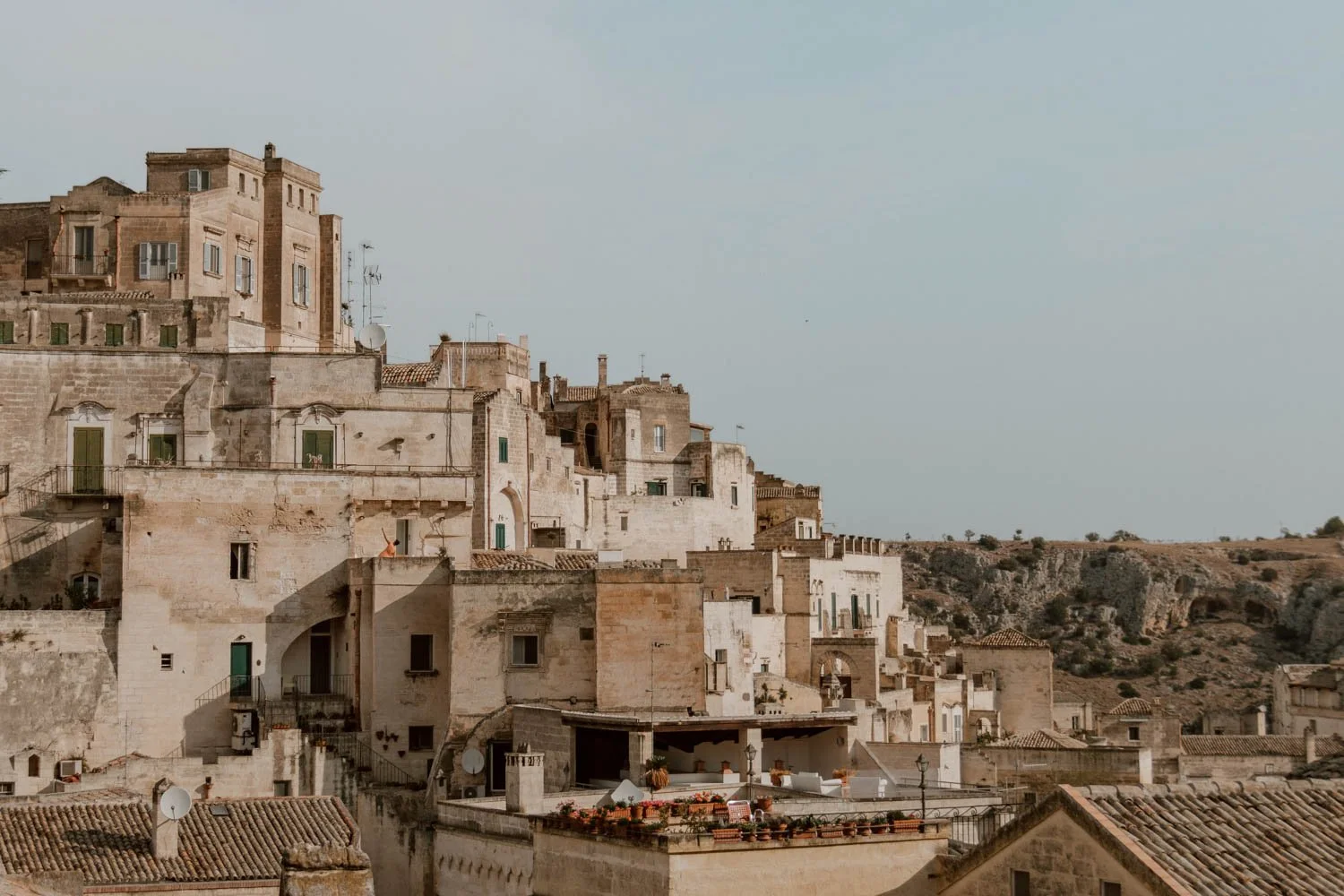
Matera’s ancient neighbourhoods are divided into two Sassi - Sasso Barisano to the north and Sasso Caveoso to the south - with the Civita and cathedral rising along the ridge between them. By far the best way to discover all three is on foot.
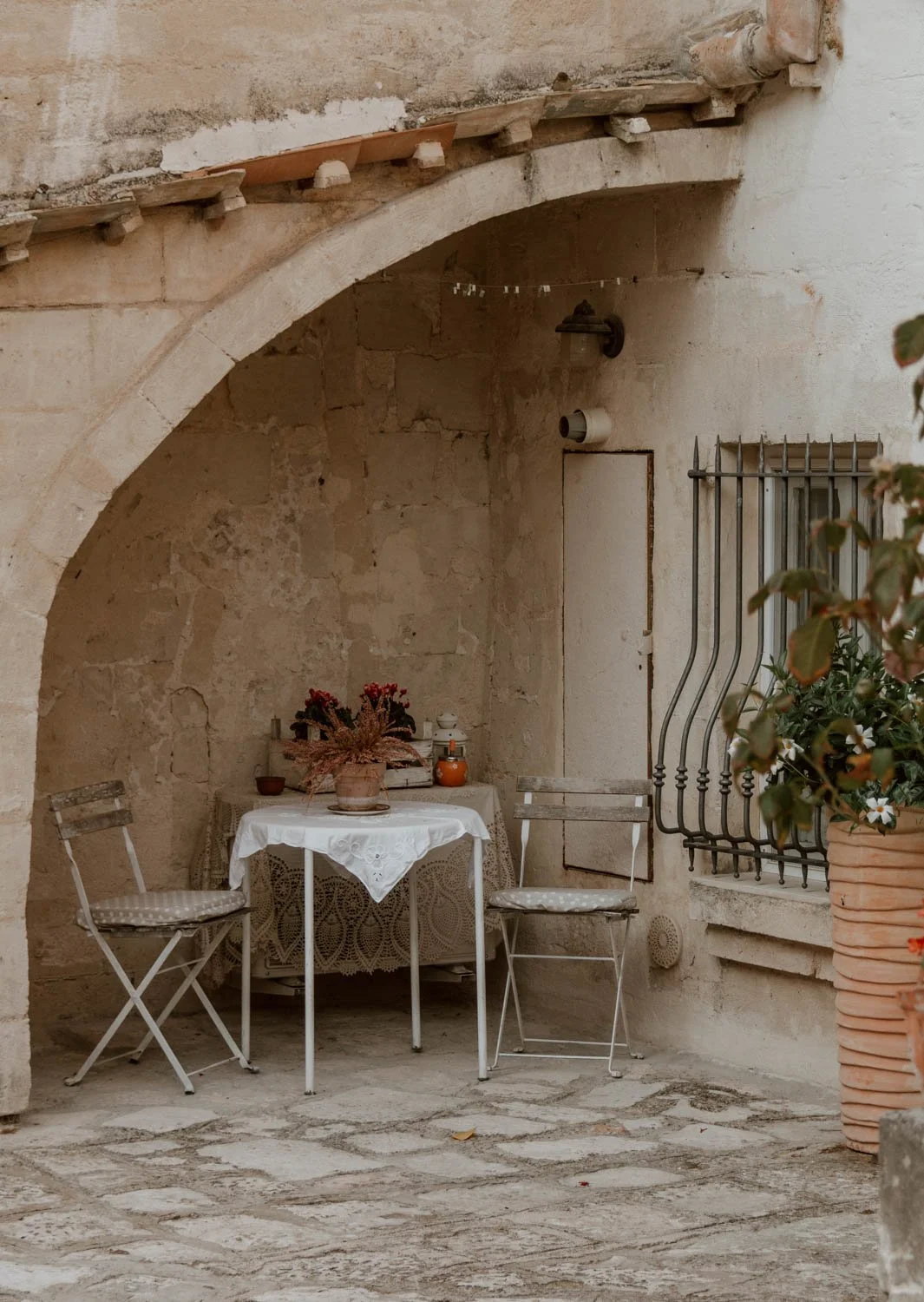
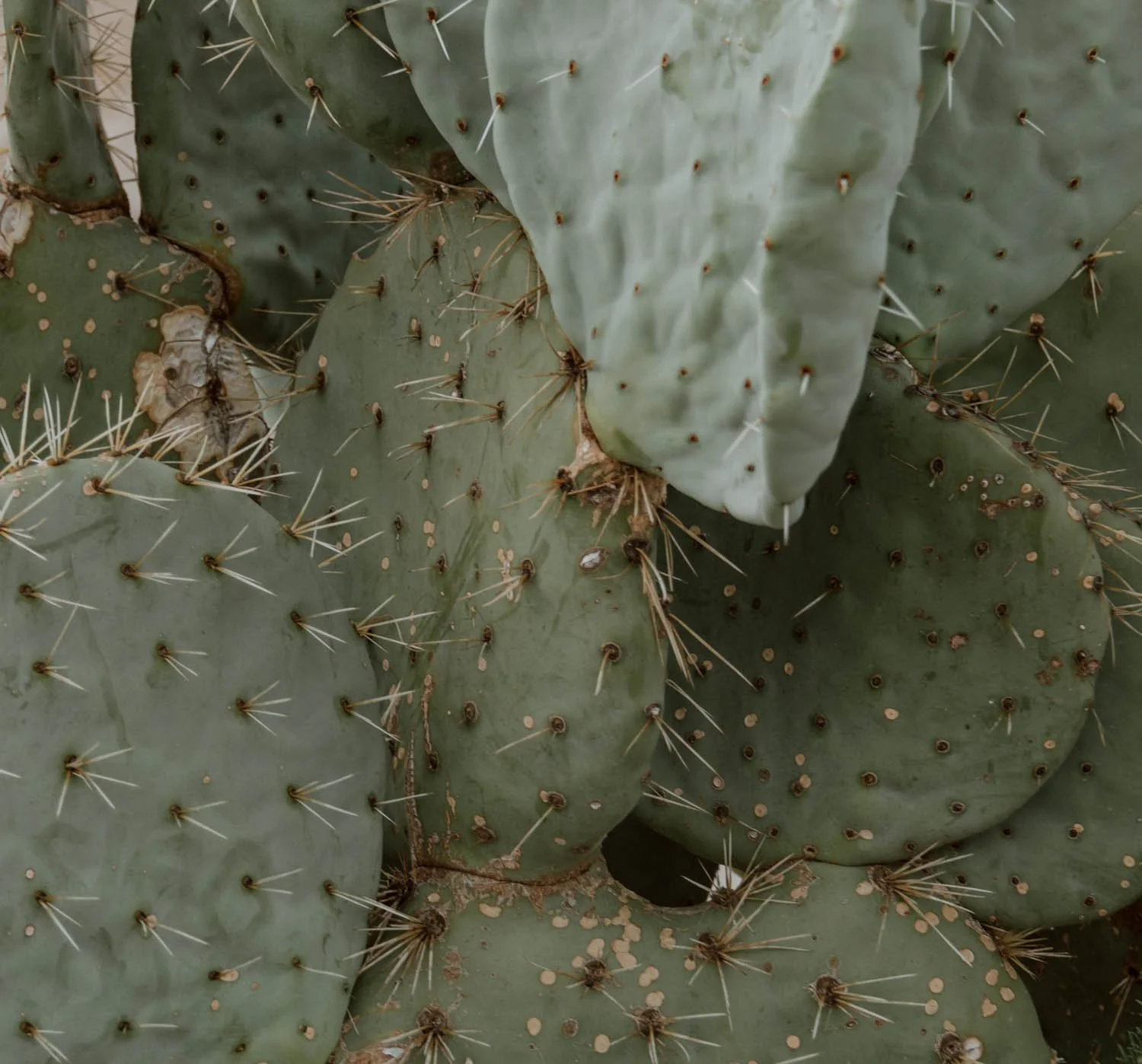
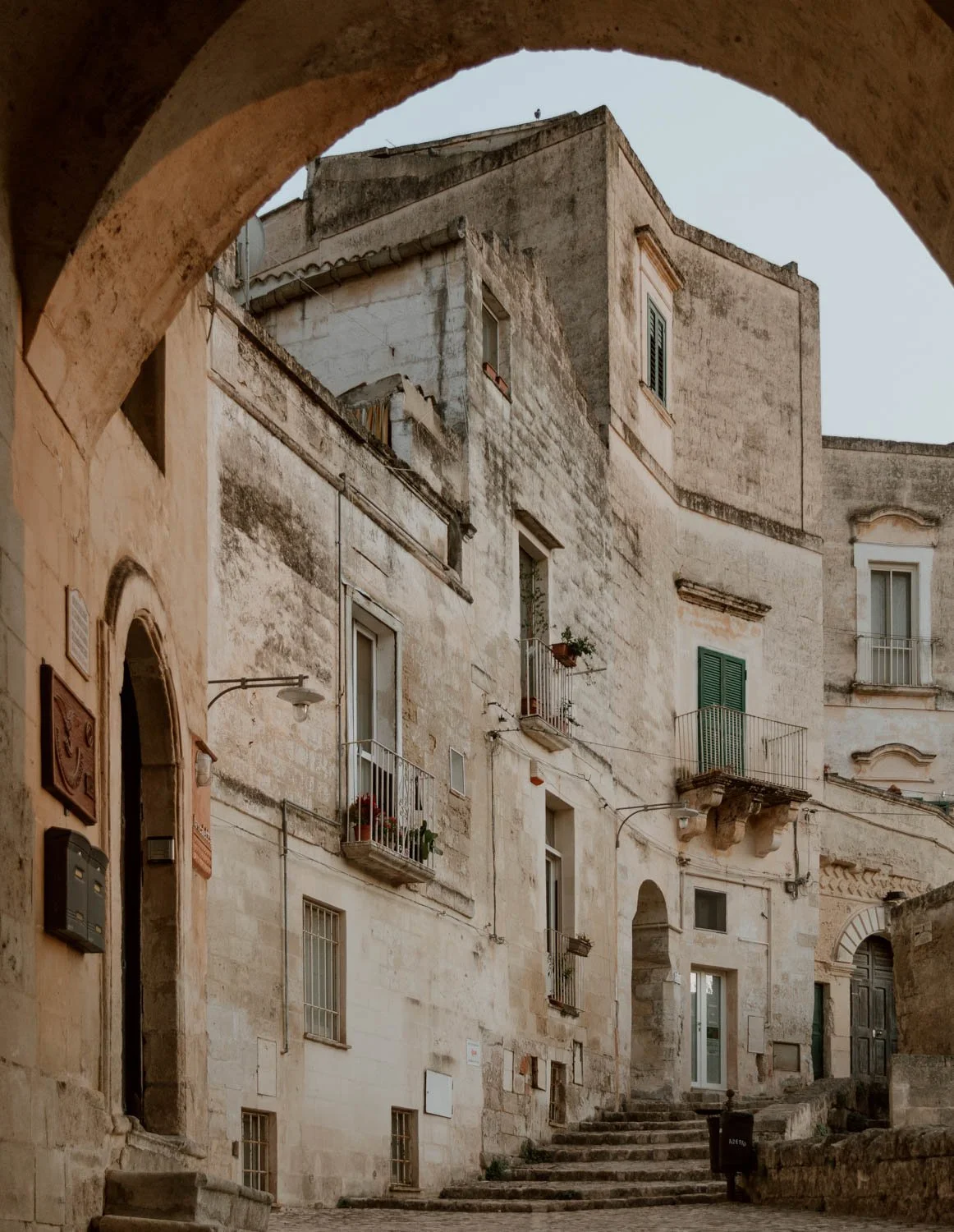
Spend several hours roaming labyrinth-like narrow alleyways, interconnected loops, and pretty little courtyards bursting with bright green cacti and pots of flowers. Climb up old stone staircases for spectacular views, discover a pretty piazza and disappear through spectacular archways to encounter a world that looks not of this time.
Whilst Sassi Barisano has undergone a significant amount of development, with old caves beautifully refurbished to create stunning art spaces, boutique hotels, and traditional restaurants, it is in the Sassi Caveoso that one can catch a real glimpse of the lives that were lived here not that long ago.
There is no single route to follow, and attempting to map every turn rather misses the point. For some basic orientation, descend from Piazza Vittorio Veneto (maps) into Sasso Barisano, climb towards the cathedral and then continue across the ridge into Sasso Caveoso, eventually emerging near Piazza San Pietro Caveoso or the wonderul observation point at Piazzetta Giovanni Pascoli.
You will get lost and you will almost certainly double back; both are part of exploring Matera.
Due to safety concerns, a number of caves have become inaccessible recently (we absolutely wouldn't suggest climbing over barriers to get a better look) but to glimpse into caves, largely untouched since the 1950s is utterly fascinating.
It does get very hot in Matera, so try to avoid too much mid-afternoon walking. And, if you want to roam the streets without many other tourists, then simply get out at at 7am like we did - the city will be your own private museum, and you'll soon see why this is one of our very favourite things to do in Matera.
Tip / Whilst we're big fans of getting out and discovering a city by ourselves, Matera is one of those places where a knowledgeable guide can add a great deal. A walking tour at the beginning of your stay will help you understand how the Sassi developed, after which you can return to whichever corners caught your attention - this one has thousands of excellent reviews, covers both Sasso Barisano and Caveoso, and includes admission to a cave house and rupestrian church.
Alternatively, check out this highly-rated walking tour with a historian.
“Anyone who sees Matera cannot help but be awe-struck, so expressive and touching is its sorrowful beauty.”
Step Inside a Casa Grotta
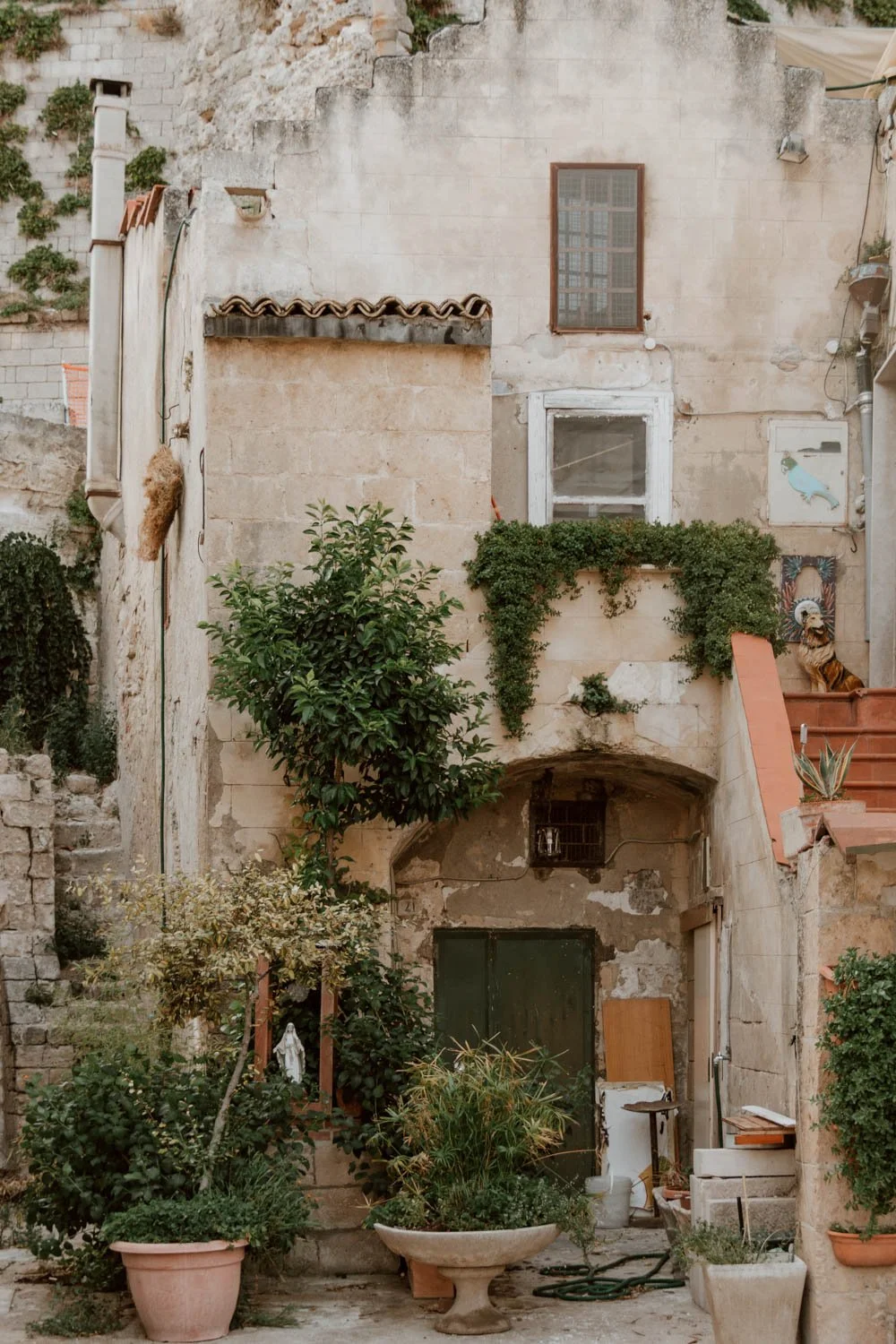
It is difficult to understand the reality of life in the Sassi simply by looking at their stone façades. Inside a casa grotta, beds, cooking equipment, tools and spaces for livestock are arranged within the same excavated rooms, showing how entire families lived here until the government relocation began in the 1950s.
Several cave houses have been opened as small museums, but there is little value in visiting more than one. The three principal options are:
Casa Grotta del Casalnuovo | The most extensive and best-value choice, comprising five rooms across three levels with original furniture, a stable, cellar, cisterns and an ice store. The family who occupied the house remained here until 1958. Admission is €3 and hours vary by season. Find it here in Rione Casalnuovo, within the less restored edge of Sasso Caveoso - more visitor details here.
Storica Casa Grotta di Vico Solitario | The best-known - and usually busiest - cave house in Matera. Its €8 ticket now covers a wider circuit including the furnished dwelling, an ice store, a natural cave and the rupestrian church of Sant’Agostino al Casalnuovo, with a multilingual audio explanation. It is open throughout the year, with longer hours in summer. Find it here on google maps, or visit their website here.
Casa Grotta “C’era una volta” | A smaller and more theatrical recreation in Sasso Barisano, using furnishings and carved figures to show domestic life, traditional work and the animals kept inside the home. It costs €2.50 and is a convenient option if you’ew already exploring Via Fiorentini. Find moredetails here.
If you only visit one, we would choose Casa Grotta del Casalnuovo for the greater number of rooms, original objects, and location among the rougher caves of Rione Casalnuovo.
Check out the Cathedral & Matera’s Rupestrian Churches
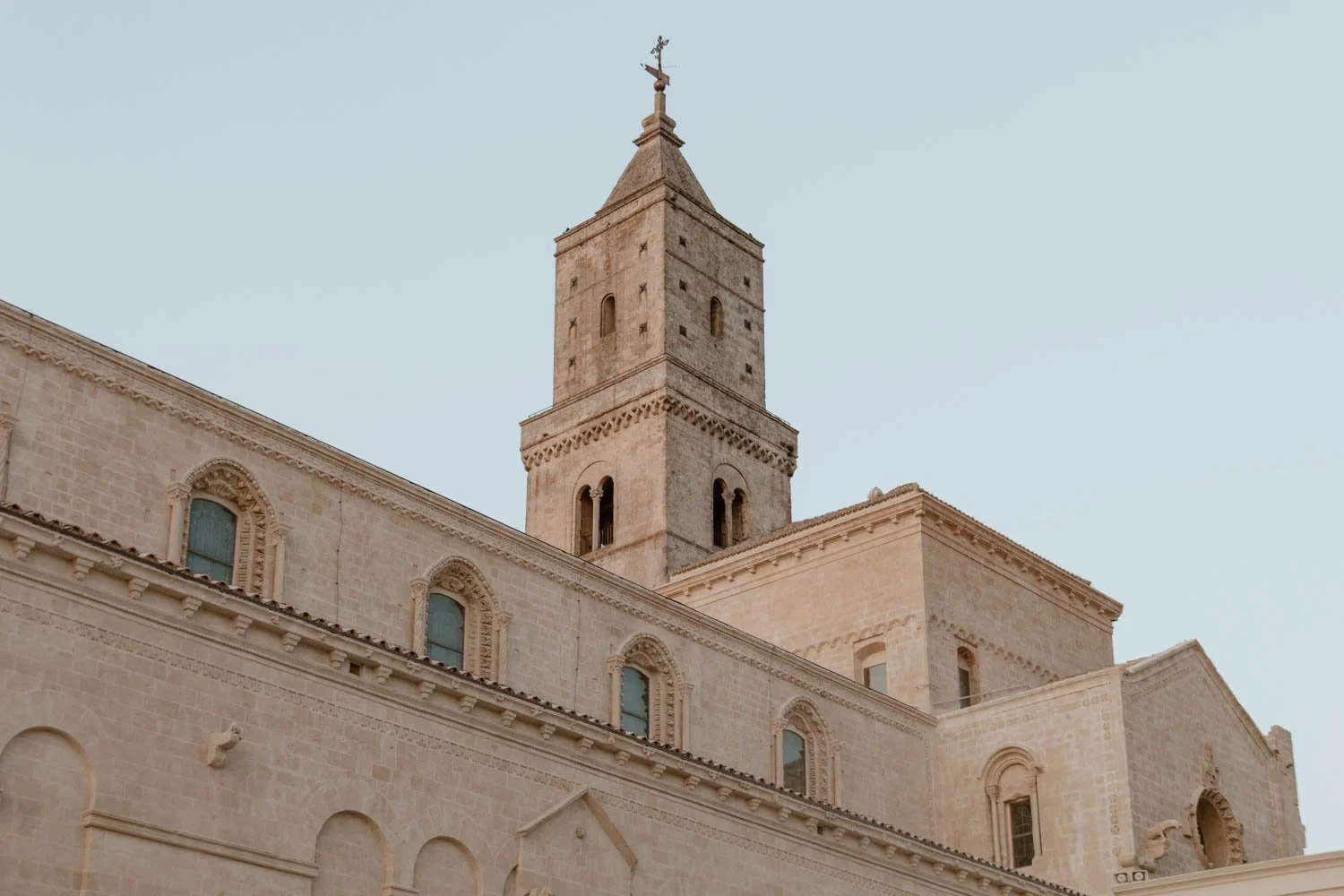
Atop Civitas hill, on the highest point between the two Sassi, lies the 13th century Apulian-Romanesque Cathedral. Recently re-opened following a mammoth 10-year restoration project, this is a hugely popular attraction for visiting Italians. Even those with less of a Catholic-persuasion will appreciate the fantastic view from its privileged position overlooking the Sassi Barisano.
You can find it here on Google Maps.
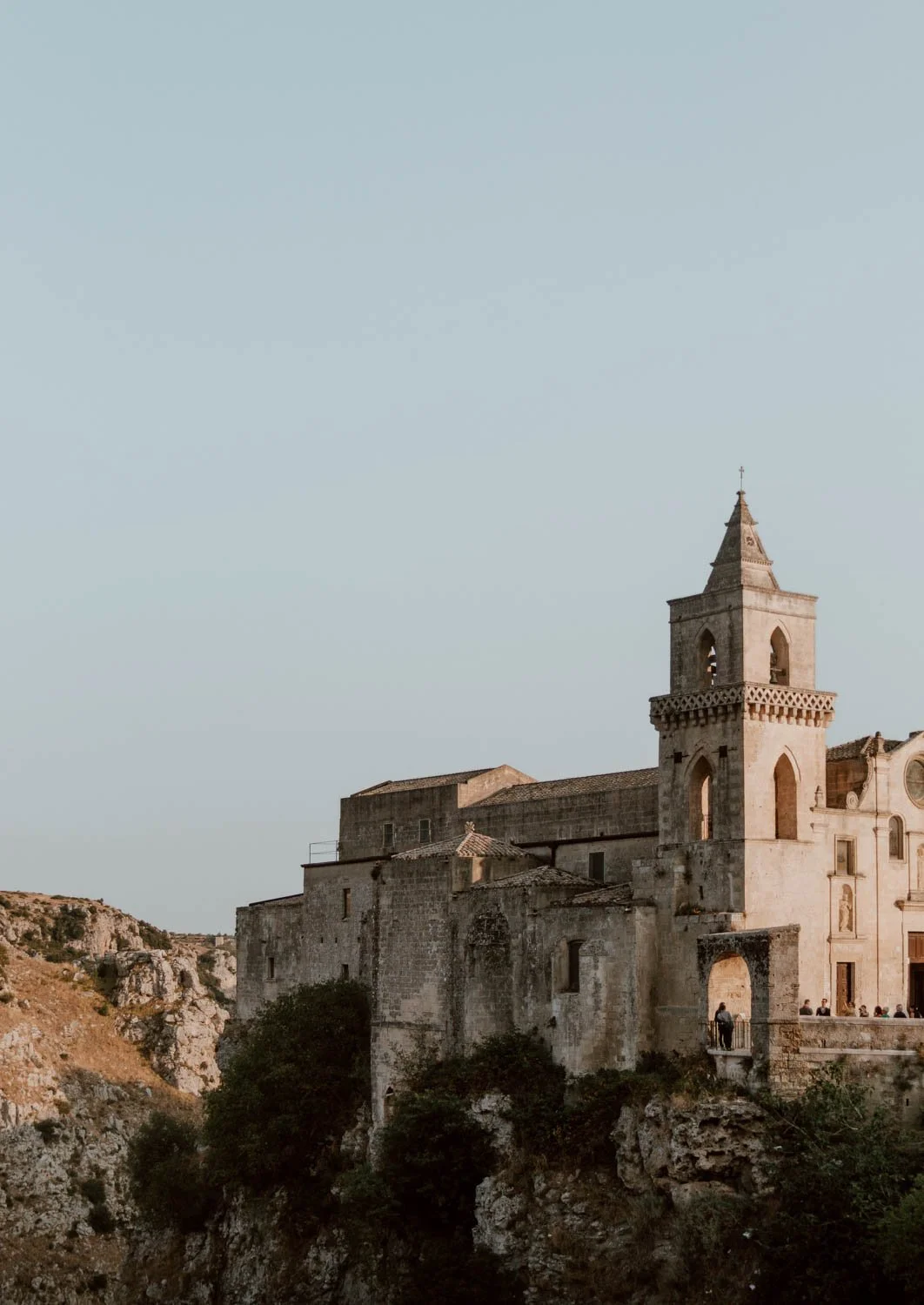
Matera and the surrounding Murgia contain scores of chiese rupestri: churches excavated directly into the rock, many of them decorated with medieval frescoes. Some are little more than a dark chamber and an altar; others have several naves, crypts, and façades added centuries after the first caves were cut.
The three principal churches within the Sassi are covered by a combined ticket:
Santa Maria de Idris and San Giovanni in Monterrone (maps) | The most recognisable of Matera’s rock churches, carved into the Monterrone crag above Sasso Caveoso. Its position is more impressive than its relatively small interior, but the connected chapels contain frescoes dating from between the twelfth and seventeenth centuries. If you only visit one for the full Matera setting, choose this.
Santa Lucia alle Malve (maps) | A short walk away and the stronger choice for frescoes. Founded as a Benedictine convent in the eighth century, the church was divided into three naves; two were later converted into homes and storage rooms, while the third remained in use for worship. Look for Christ Pantocrator, the Annunciation and the unusual depiction of the breastfeeding Virgin.
San Pietro Barisano (maps) | The largest rupestrian church in Matera, hidden beneath an eighteenth-century façade in Sasso Barisano. Its oldest excavated sections date from the twelfth or thirteenth century, while the chambers below contain carved seats once used in the scolatura funerary practice, during which the bodies of priests were left to decompose before their bones were collected (yes, you read that right).
If time allows, visit Santa Maria de Idris and Santa Lucia together, then add San Pietro Barisano while exploring the opposite side of the city. One church is enough for a short visit; all three offer a much better sense of how these spaces changed over the centuries.
The Details | At the time of our latest update, entry to one church costs €5 and the combined three-church ticket costs €10. Current published hours are 9.30am - 7.30pm for Santa Maria de Idris and Santa Lucia alle Malve, and 10am - 7pm for San Pietro Barisano, with shorter opening possible outside the main season. Check the official Oltre l’Arte website before visiting.
Top Tip// If you have a car, consider making the short journey outside Matera to the Cripta del Peccato Originale, a natural cave church carved into the wall of the Gravina di Picciano.
Once part of a Benedictine monastery, the crypt contains a remarkable cycle of eighth and ninth-century frescoes attributed to the anonymous Painter of the Flowers of Matera. Scenes from Creation and Original Sin cover the back wall, while the Apostles, Archangels and Virgin Queen occupy three niches alongside it. Their survival has earned the crypt its familiar description as the ‘Sistine Chapel of rupestrian art’
Visits to the crypt, located five miles outside of Matera, are guided, operate at fixed times Tuesday to Sunday and must be booked in advance. Find out more on their website.
Descend Into the Palombaro Lungo
Beneath Piazza Vittorio Veneto lies the Palombaro Lungo, the largest public water cistern in Matera and one of the clearest explanations of how a city built upon porous rock survived long, dry summers.
The existing chamber was enlarged in 1893 by joining several caves and an older cistern, creating a reservoir approximately 50 metres long, 14 metres deep and capable of holding more than five million litres of spring and rainwater. Its walls were coated with cocciopesto, a waterproof mixture of lime, clay and crushed terracotta, while channels carried water down from the city above.
The cistern fell out of use after Matera was connected to the Apulian Aqueduct and remained forgotten beneath the square until its rediscovery in 1991. A metal walkway now leads visitors into the enormous whitewashed chamber, with the stains left by its former waterline still visible across the walls.
It is a short visit - around 15 minutes - but reveals an important part of Matera that is otherwise easy to miss. The Sassi were not simply caves adapted as homes; they formed part of an intricate system for collecting, moving and storing water.
The Details | The entrance is in Piazza Vittorio Veneto. The Palombaro Lungo is currently open daily from 10am-1pm and 3-6pm. Adult admission is €3 and under-18s enter free. Visits are self-guided, no reservation is available, and a short wait may be required when capacity is reached. Check for changes on the official website.
Travel Tip// For a very different use of Matera’s underground spaces, visit MUSMA, the city’s contemporary sculpture museum. Its collection extends from the rooms of Palazzo Pomarici into a series of caves, where the works are displayed directly against the excavated rock. Allow around an hour; admission is currently €10, but check the website for seasonal opening hours.
Walk Across the Ravine
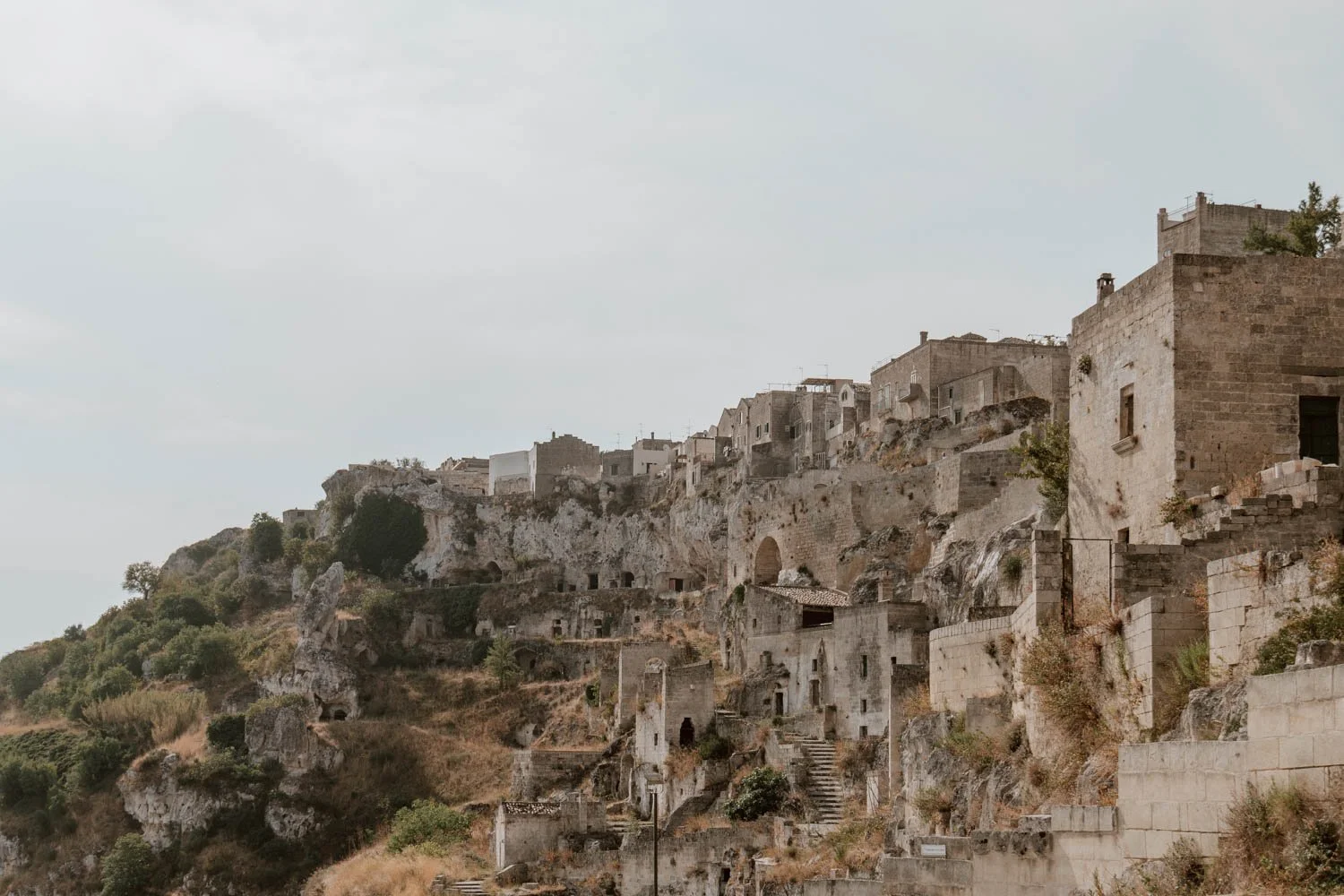
From the two Sassi of Matera, you can look across the ravine and see a hill punctuated with small caves; this is the Parco della Murgina Materana, a collection of palaeolithic caves dating back more than 7,000 years.
For those not afraid of a little hike, crossing the ravine and exploring these various cave dwellings and churches is an excellent way to understand Matera’s unique history - and offers the chance to take a literal step back in time.
Trail 406 begins at Porta Pistola on Via Madonna delle Virtù (maps). From here, a steep and rocky path drops towards the Gravina stream, crosses the suspended footbridge and climbs the opposite side of the canyon. The view improves with every section of the ascent until, from the belvedere, the entire structure of Matera becomes visible across the ravine.
Several rock churches lie around the plateau. San Falcione is included with the current access ticket, while Madonna delle Tre Porte (a small church with some remarkably colourful frescoes) and the 1,000 year old Asceterio di Sant’Agnese can usually only be entered on a guided visit. Even when their gates are closed, it is possible to see how these small places of worship were cut into the rock among caves inhabited long before the Sassi took their present form.
Importantly for those currently planning their trip to Matera, this is no longer an unregulated or particularly casual walk. Since March 2026, Trail 406 has had managed access and an entrance fee, and the park classifies it as an EE route for experienced hikers. The path is steep, exposed and uneven, with very little shade and no reliable water source. Proper walking shoes are compulsory; entry is refused to anyone wearing flip-flops, sandals or unsuitable footwear.
Allow at least two hours for the route, and longer if you plan to explore the plateau or return along the same path. Avoid the hottest part of the day, carry plenty of water and do not attempt it during poor weather.
The Details | Trail 406 currently costs €15 from April to October and €10 from November to March. The ticket includes the trail and suspension bridge, access to the Murgia Timone path network and San Falcione, visitor centre facilities and the park shuttle serving the belvedere. Under-25s receive a 50% reduction and children under six enter free.
Opening hours vary seasonally: 10am - 4.30pm in winter, 9am - 9pm in spring, 8am - 9pm from June to mid-September, and 10am - 6.30pm during the remainder of autumn. Buy tickets and check current conditions on the official park website.
Whilst it’s absolutely possible to explore this area independently, if you’d prefer to take a tour with a specialised guide this one is highly rated, and allows access to the churches.
Prefer Not to Hike? | Belvedere Murgia Timone (an incredible viewpoint and the location of the crucifixion in The Passion of Christ - find it here) can also be reached by car via the Jazzo Gattini Visitor Centre. This provides access to an easier network of paths across the plateau and the shuttle to the viewpoint, without the steep descent and climb through the ravine. It’s best enjoed at sunset, but given its location, if you’re on a road trip it’s ideally done before or after arriving in Matera itself so as to limit driving in and out of the city.
A separate Murgia Timone ticket currently costs €10 from April to October and €7 during the rest of the year - find out more on the official website.
Read More // A couple of summers ago, on our third trip to Puglia, we spent a few nights in the lesser-visited town of Ginosa. It shares a remarkably similar network of caves and history with Matera, but is less redeveloped and receives far fewer visitors. It’s a short drive from Matera, so you can even pair the two on a Puglia road trip! Read more about Ginosa in our travel journal: A Different Side of Puglia.
Taste Authentic Matera Bread
Besides a quick overnight stop in Bari, Matera was our first real stop on this road trip, and we arrived fully prepared to gorge on pizza and pasta. What surprised us was how rarely either appeared on the menus we picked up.
Matera, it turns out, is a city of bread (pretty darn good bread, too.)
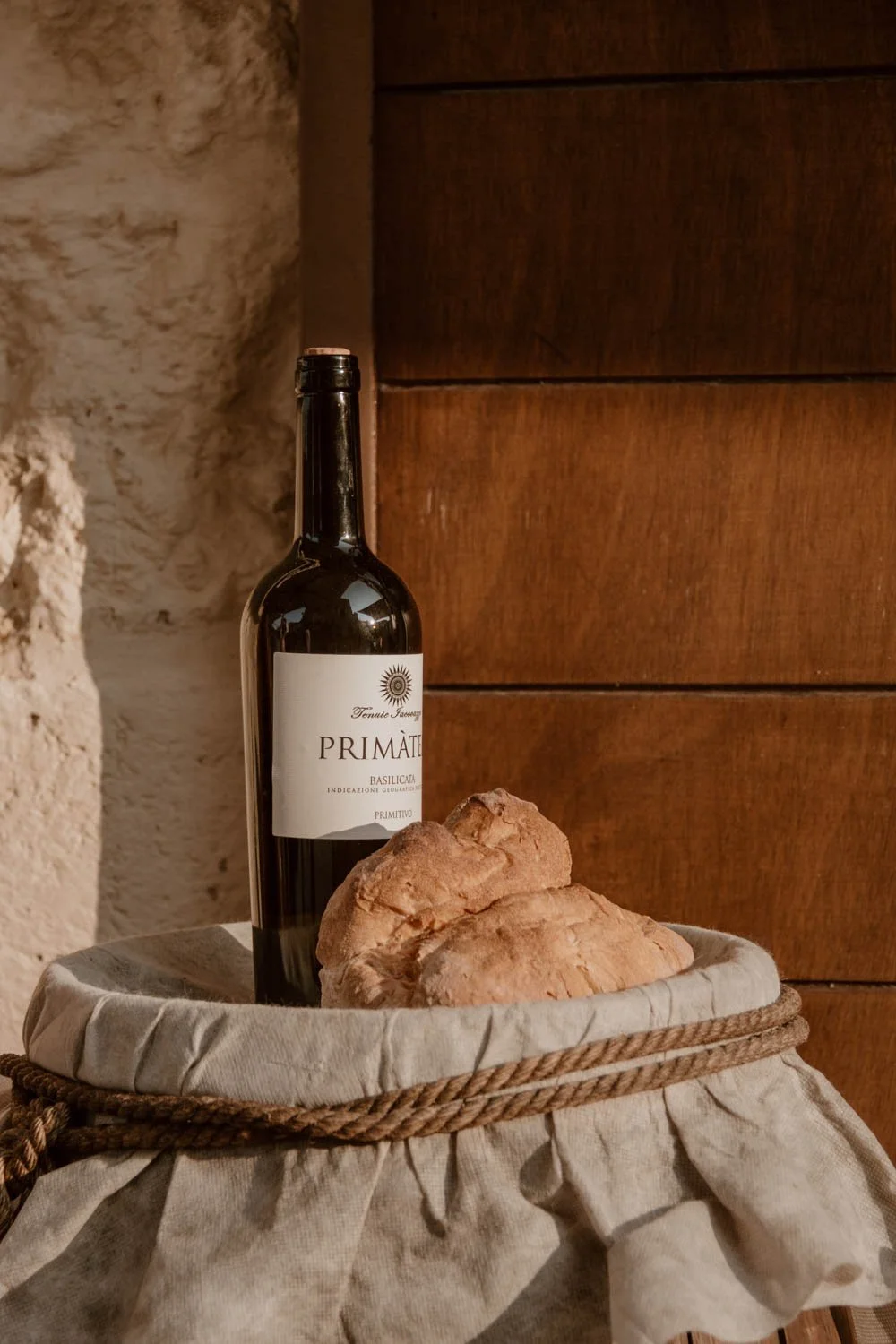
Protected under IGP status and with a shape evocative of the stones and caves, Pane di Matera is made using durum-wheat semolina and a natural yeast starter, producing a hefty loaf with a thick, dark crust, and soft yellow crumb. Traditionally baked in communal ovens, each family would mark its dough with a wooden stamp before sending it to be cooked.
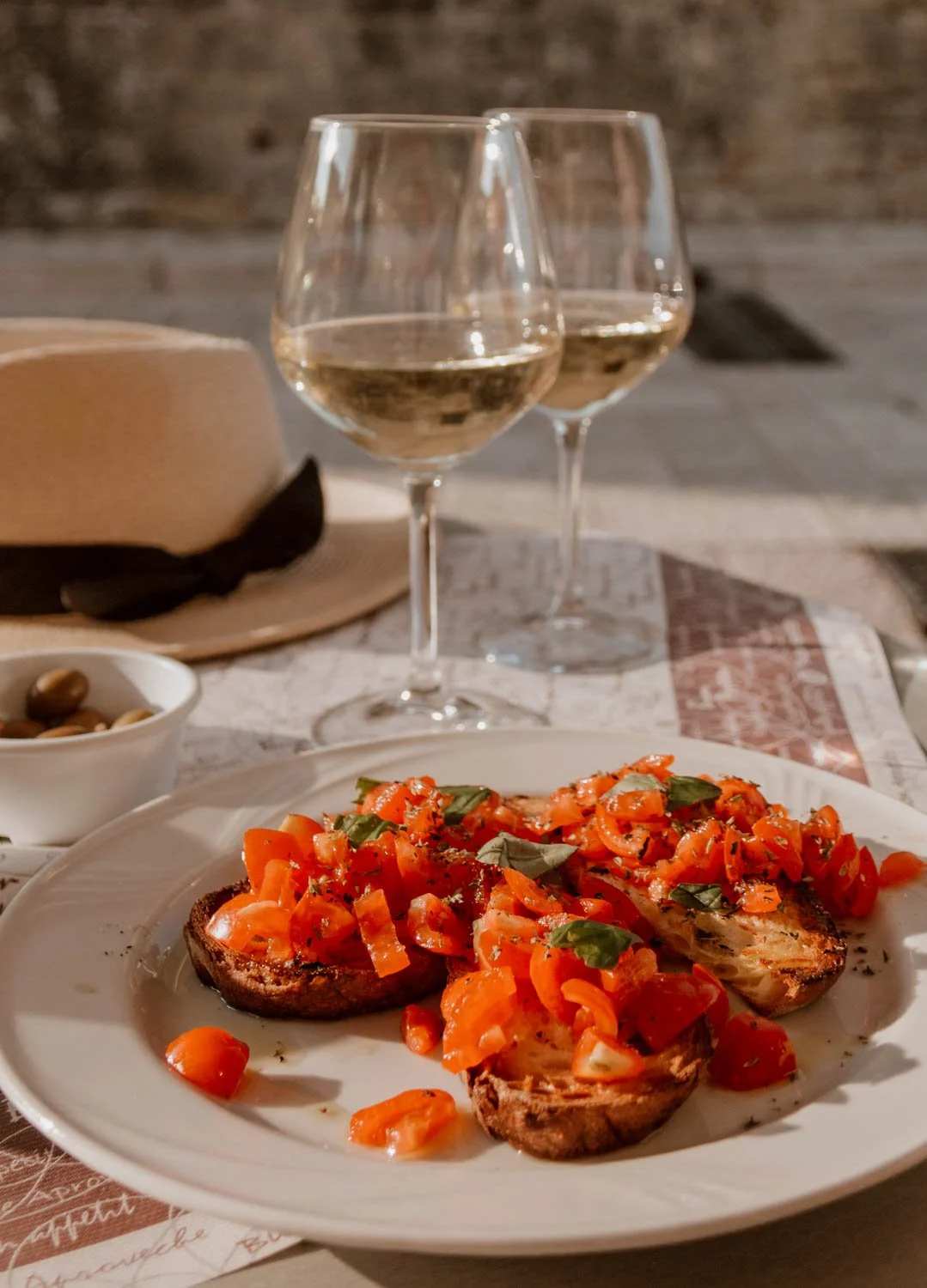
Commonly served as a sandwich (although we did enjoy the odd bruschetta too), you can expect filling such as roasted eggplant, zucchini, cheese and pesto for the veggies, or all number of cured meats for the carnivore inclined.
For a loaf or foccaccia to take away try Panificio Paoluccio on Via del Corso. It is an inexpensive option for lunch, although queues are common around midday.
Bread also finds its way into cialledda, a dish created to use up older loaves and served either warm with egg, garlic and olives or cold with tomato. Other Lucanian dishes - the regional cuisine of Basilicata - to look for include crapiata, a thick soup of grains and pulses; fave e cicoria, broad bean purée with bitter greens; and peperoni cruschi, the dried red peppers which appear across menus in Basilicata.
Where to Eat in Matera
Trattoria Lucana | An old-fashioned trattoria just beyond the Sassi, serving generous plates of traditional Lucanian food without much ceremony. Choose this for regional pasta, soups and meat dishes rather than an elaborate setting.
La Lopa | Set inside a cave in Sasso Caveoso, La Lopa serves Lucanian dishes built around local produce, handmade pasta and regional wines. Downstairs, a small cinema room shows scenes from the many films shot in Matera. Vegetarian and vegan options are available.
Baccanti | A more considered choice for dinner, occupying a series of interconnected caves close to MUSMA. The cooking is rooted in Basilicata but presented in a more contemporary way, and the restaurant is included in the Michelin Guide. Reserve ahead, particularly at weekends.
For those wanting to take something more than a loaf home with them, this three-course cooking class is held inside a cave restaurant and includes the preparation of fresh pasta and several local dishes.
Find Matera’s Best Viewpoints
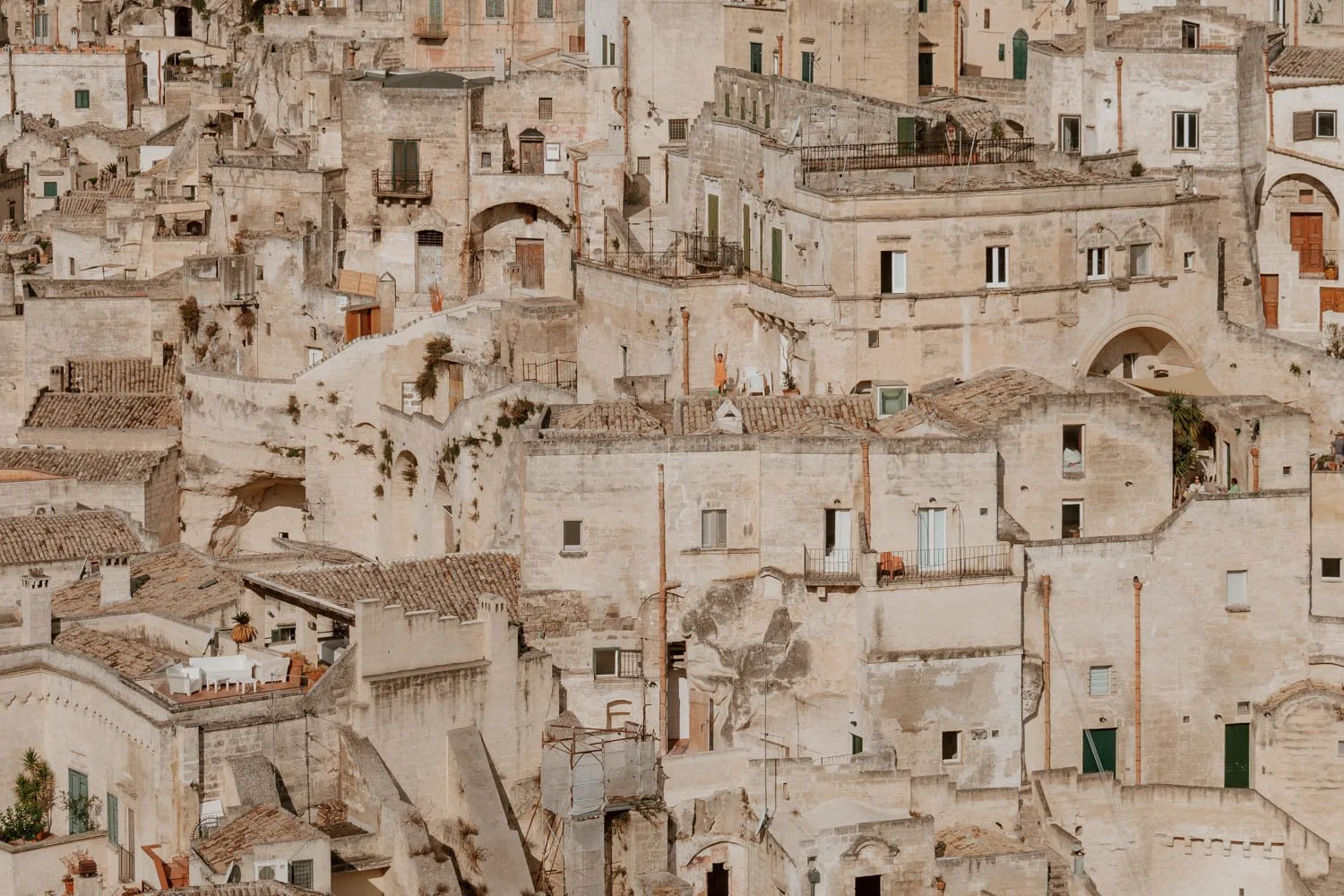
Matera is difficult to understand from street level. Its best viewpoints reveal the full arrangement of caves, churches, rooftops and staircases—and how abruptly the city falls into the gravina.
You will naturally pass several as you explore, but these four are worth marking on your map:
Belvedere Luigi Guerricchio (maps) | Tucked beneath three arches beside Piazza Vittorio Veneto, this is often the first view visitors have over Sasso Barisano. The cathedral rises above the tightly packed roofs opposite.
Belvedere di Piazza Giovanni Pascoli (maps) | The broadest view from the upper city, looking across Sasso Caveoso towards Santa Maria de Idris and the Murgia. This is where an ice-cold beer distracted us from visiting Casa Noha, and remains one of the loveliest places to stop towards the end of the day.
Piazza San Pietro Caveoso (maps) | Less elevated but much closer to the rock itself, with Santa Maria de Idris directly above and the Gravina opening beside the square. Walk a little way along Via Madonna delle Virtù for the best view back towards the church.
The Terrace at Sant’Agostino (maps) | At the northern edge of Sasso Barisano, the terrace in front of the convent looks back across the city and along the ravine. It is further from the busiest streets and offers a completely different angle from Piazzetta Pascoli.
Where to Stay in Matera
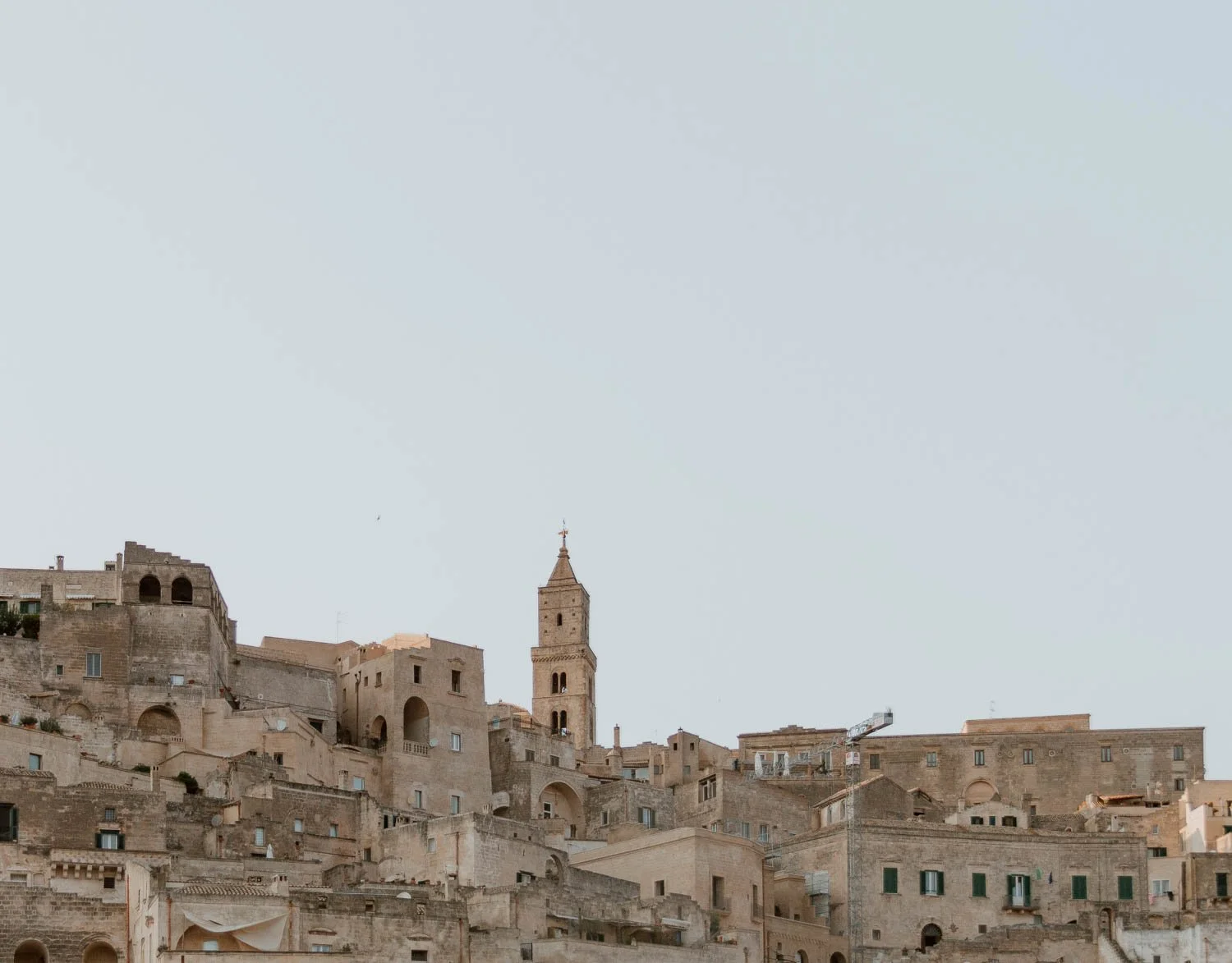
The first decision is not how much you want to spend, but how far into the Sassi you want to sleep.
Staying in Sasso Caveoso or Sasso Barisano places you among Matera’s stairways, cave houses and quieter lanes once the day-trippers have left. It also means carrying luggage over uneven ground, navigating the ZTL, and accepting that a genuine cave room may have very little natural light, feel humid or contain no opening beyond its entrance.
The Civita and upper historic centre provide an easier compromise. You remain within walking distance of the Sassi, but closer to restaurants, parking garages and Matera Centrale station, with a greater choice of rooms built above ground. The modern city is generally only worth considering if parking or price takes priority over location.
Whichever area you choose, read the room description carefully. Many properties combine true cave rooms with vaulted stone rooms and conventional bedrooms; photographs of the most dramatic suite may not represent the room you are booking.
If you are arriving by car, contact your accommodation before driving into central Matera. Hotels within the Sassi usually arrange luggage collection or provide directions to an appropriate garage, while several operate their own shuttle from parking outside the ZTL (limited traffic zones)
Price Guide | £ / generally below £150 per night · ££ / approximately £150–£275 · £££ / usually £275 and above.
Prices refer to a standard double room or an entire rental for two, except for The Rock Hostel, where the price is per dorm bed. Rates vary considerably by season and day of the week
The Best Cave Hotels in Matera
Sextantio Le Grotte della Civita (£££) | Still the benchmark for a cave stay in Matera. Its vast rooms were restored using traditional materials and furnished with antique pieces, simple linens and freestanding baths, preserving the rough stone rather than attempting to turn the caves into conventional luxury suites. Breakfast is served inside a deconsecrated rock church, and the terrace looks directly across the ravine towards the Murgia. Expensive, but difficult to better.
Corte San Pietro (£££) | A smaller and more intimate alternative in Sasso Caveoso, with cave rooms arranged around a private courtyard. Reclaimed timber, hand-carved furniture and restrained lighting allow the original stone to remain central, while several suites now include their own underground spa. The old cisterns beneath the property can also be visited.
Vetera Matera (£££) | Matera’s most significant recent hotel opening occupies a vertically connected collection of caves, houses and former religious spaces close to the cathedral. Its 23 rooms are more recognisably five-star than those at Sextantio, with a full spa, restaurant, lifts and some private plunge pools - a good choice if you want the setting of the Sassi without surrendering the services of a larger luxury hotel.
Aquatio Cave Luxury Hotel & Spa (£££) | Built across 35 rooms and suites in Sasso Caveoso, Aquatio takes a much more contemporary approach to the cave-hotel concept. Its strongest feature is the extensive underground spa, where the pool, sauna and hammam have been worked into the existing rock. Less personal than Matera’s smaller properties, but the right choice if spa facilities are important.
Pianelle Resort (££) | A 17-room hotel near the upper edge of Sasso Caveoso, combining original stone with clean-lined contemporary interiors. There are family rooms, a central courtyard and a rooftop terrace, while its position makes arrival slightly less complicated than at properties buried deeper within the Sassi. A good middle ground between a small cave guesthouse and a full luxury hotel.
Characterful Hotels, Guesthouses and a Hostel
Il Belvedere (££) | One of the strongest choices for exceptional views without the price of Matera’s luxury cave hotels. This small property sits at the edge of Sasso Caveoso and has a broad terrace facing the ravine, where breakfast is served in good weather. Rooms include both caves and brighter spaces on the upper floors, so choose carefully according to your preference.
Basiliani Hotel (££) | Built along the quieter, less-restored edge of Sasso Caveoso, with broad views across the Gravina and several generously sized rooms suitable for families. The interiors are pared back and contemporary rather than traditionally decorated. Of particular interest to anyone arriving by car, the hotel provides a shuttle between the property and parking outside the Sassi.
Il Palazzotto Residence & Winery (£££) | An intimate design hotel in Sasso Barisano, with high cave ceilings, old stone and a wine bar occupying the central communal space. Rooms vary considerably in shape and light, but the strongest retain the scale of the original caves without filling them with unnecessary decoration. A good choice for couples who want somewhere small and central.
L’Hotel in Pietra (££) | Formed around a converted thirteenth-century church, with the former nave now serving as its reception and breakfast room. The individually designed rooms occupy caves, old monastic spaces and the former bell tower; Suites 1003 and 1004 are the standouts, with terraces, large stone bathrooms and views towards the cathedral. Some entry-level rooms are considerably smaller.
Hydria Rooms (£) | A well-designed guesthouse just above Sasso Barisano, housed inside a restored tuff-stone building. The rooms are lighter and easier to reach than most accommodation deep within the Sassi, while recycled wood, private entrances and stone baths give them more character than a standard city-centre hotel. A strong option if you value location and design but do not need full hotel facilities.
The Rock Hostel (£) | Matera’s best hostel option, with 20 beds divided between three small dormitories rather than one enormous room. Each dorm has lockers and its own bathroom, while guests share a kitchen and sitting area. It’s outside the lower Sassi but only a few minutes from Sasso Barisano, and its position makes arrival with a backpack considerably easier.
Airbnbs in Matera
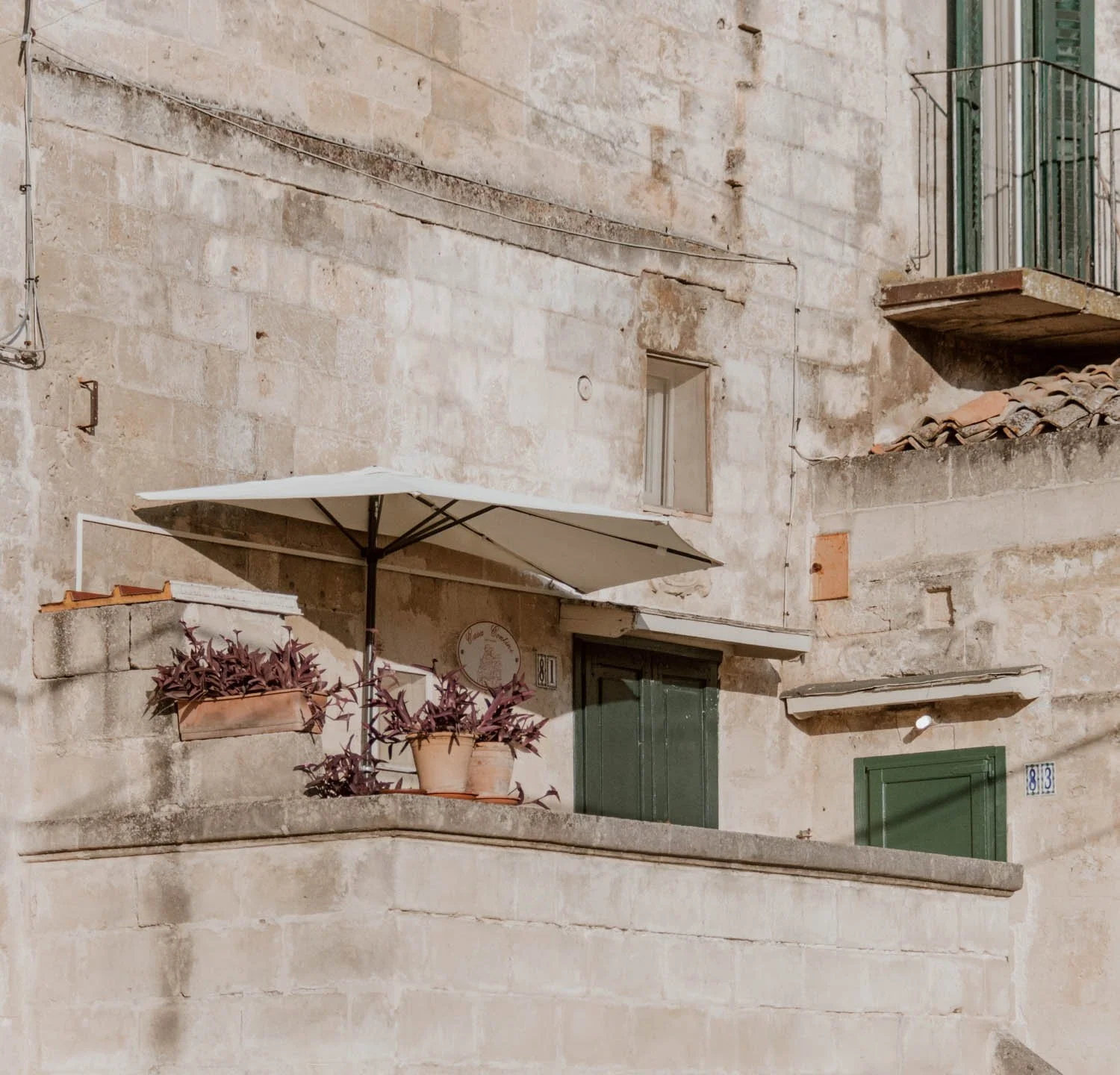
IDYLLE HOUSE (££) | A bright stone house with whitewashed walls, gauzy curtains, old wooden furniture and a flower-filled courtyard overlooking the Sassi. Unlike some of Matera’s deeper cave properties, the rooms receive plenty of natural light, and there is a full kitchen alongside space for three guests.
ESSENCE SUITE (££) | From the same host, this is the stronger choice for couples who specifically want to sleep inside the rock, its cream fabrics and understated contemporary furnishings softening the cave interior without competing with it. Note that this is a suite rather than a self-catering apartment and does not have a kitchen.
Cloverleaf (£) | Restored by its architect owner, Cloverleaf combines pale limestone, simple wooden furniture and arched openings with a small courtyard and more natural light than its cave setting might suggest. The king-size bedroom, additional single bed and full kitchen make it a particularly good-value option for couples or small families.
La Stufetta (£) | Paintings, sculptures, old furniture and collected objects fill this artist-owned stone house, giving it far more personality than Matera’s many neutral cave conversions, with a masonry kitchen, studio corner and mezzanine sleeping area are worked into the historic structure. It sleeps five, although the open layout is better suited to families or close friends.
No. 11 (££) | A one-bedroom sandstone house in the Sassi, decorated with an unusually restrained mix of Scandinavian and southern Italian pieces. The vaulted bedroom and small sitting room look directly across the old city, with chairs placed outside the private entrance for the view. Just be aware that there is no kitchen or air-conditioning, and reaching it involves a considerable number of steps.
StageROOM02 (££) | Black furniture and oversized pendant lights stand out against the raw limestone of this vast 75m² cave suite. The king-size bed sits beneath the rock, while illuminated arches and built-in niches lead further into the space; there is also a bathtub within the cave. It feels closer to a private boutique-hotel suite than a self-catering apartment, so choose it for the space and cave architecture rather than kitchen facilities.
Suite Santa Maria (££) | Set within an old palazzotto near the Cathedral, Suite Santa Maria combines original stonework with a light, contemporary interior and private patio overlooking the Gravina and Murgia. It has a separate bedroom, sofa bed and full kitchen, making it well suited to couples wanting more space or a small who don’t mind close living quarters.
La Dimora di Antosa (£££) | This bright 16th-century apartment brings together high stone vaults, patterned tiles, colourful contemporary art and a sculptural white staircase. One bedroom has a bathtub beneath its vaulted ceiling, while several private terraces look across the Sassi. With two bedrooms and two bathrooms, it is a particularly strong choice for two couples.
La Dimora della Civita (£££) | One of the best larger homes in central Matera, with three bedrooms, three bathrooms and room for six. The eighteenth-century house retains its stone arches and traditional proportions, but the principal reason to book is the private terrace overlooking Sasso Caveoso, the Gravina and the Murgia beyond.
How to Get to Matera
Although Matera lies in Basilicata, its proximity to Puglia means that many travellers visit as part of a longer Puglian road trip. Bari is the most convenient gateway, sitting approximately 65 kilometres away, but Matera can also be reached without hiring a car.
Driving to Matera
For a wider trip through Puglia and Basilicata, travelling with your own vehicle remains the easiest option. Matera is approximately one hour from Bari, 1 hour 15 minutes from Alberobello, and close to two hours from Brindisi Airport.
The drive itself is straightforward; the complication comes once you reach the city. Much of the historic centre and both Sassi fall within Matera’s ZTL, and the narrow roads leading towards them are not somewhere to improvise. Never follow Google Maps into the old city without first checking the route with your accommodation!
If your hotel provides parking or vehicle access, ask for precise instructions before arrival. Otherwise, leave the car outside the historic centre and continue on foot. Parcheggio Nicoletti and this centrally located car park are both within walking distance of the Sassi, while free street parking is more likely in the modern neighbourhoods further out.
Bear in mind that ‘within walking distance’ can still involve steep streets, cobbles and numerous staircases. If you’re staying deep within the Sassi, dropping luggage with your accommodation or taking a taxi from the car park may be preferable.
Top Tip // For car hire, we compare prices and availability through both Auto Europe and Rentalcars. If it is your first time driving in the country, our essential car rental tips for Italy cover ZTLs, insurance, and several of the ‘quirks’ of Italian driving…
From Bari Airport to Matera
Bari Karol Wojtyła Airport is the closest and most convenient airport for Matera. Direct coaches connect the terminal with the city several times each day, with journeys generally taking around 75-90 minutes.
The timetable is not evenly spread throughout the day, so compare departure times with your flight before booking. Tickets can be purchased through the official Pugliairbus website, while other operators may appear when searching the route through Omio.
If the direct coach does not align with your flight, travel from the airport into Bari Centrale and continue to Matera by Ferrovie Appulo Lucane. This is slower and requires navigating two different rail networks, but provides more possible departures.
Brindisi Airport is a workable alternative for those hiring a car or continuing through Puglia, but it lies around 140 kilometres from Matera and public transport generally involves a less convenient combination of buses or trains.
From Bari to Matera by Train
Matera is not connected to Italy’s main Trenitalia railway network. Trains from Bari are instead operated by Ferrovie Appulo Lucane, usually shortened to FAL.
Services depart from the FAL station at Bari Centrale and arrive at Matera Centrale. Some are direct, while others require a change or replacement bus depending upon the departure and any engineering work taking place. Allow approximately 1 hour 45 minutes to two hours for the journey.
Tickets and current timetables must be checked through the official FAL website, rather than Trenitalia. Services are less frequent on Sundays and public holidays, and temporary rail closures are not uncommon, so check the specific journey rather than relying upon the general timetable.
Matera Centrale is in the modern city (here on google maps), around ten minutes on foot from Piazza Vittorio Veneto. Reaching accommodation within the Sassi may take considerably longer once stairs and luggage are involved.
For more tips on getting around Italy by train, we recommend reading 12 Essential Tips for Train Travel in Italy.
Reaching Matera From Elsewhere in Italy
Direct long-distance buses connect Matera with several Italian cities, including Naples, Salerno, Rome and Bologna. Journey times are long, but the bus can be considerably simpler than travelling by train to Ferrandina Scalo and arranging the final connection into Matera. Compare current routes and fares on Omio.
Travellers arriving from northern Italy can also book a combined Frecciarossa and FrecciaLink journey through Trenitalia. This involves taking a high-speed train to Salerno before continuing to Matera on a dedicated coach, with the entire journey purchased on one ticket. Details and seasonal schedules are available on the Trenitalia website.
Travel in Puglia
Now you’ve discovered the best things to do in Matera and everything else you need to plan your visit, check out more of our related posts!
14 Things to Know Before a Puglia Road Trip
Our Puglia Road Trip Itinerary
17 Really Useful Things to Know Before You Visit Puglia
Our Favourite Beaches in Puglia
13 Wonderful Things to Do in Lecce


An Italian city unlike any other, Naples take many people by surprise. Get ahead of the crowd with our essential things to know before you visit Naples, Italy.