



A Complete Guide to Noto | The Baroque Beauty of South-East Sicily
Whether you’re planning a day trip to Noto or wanting spend a few days in this beautiful Baroque town, this guide has everything you need to know to plan your visit, including the best things to do in Noto, our favourite places to eat & drink and some tips on where to stay.
Updated August 2026
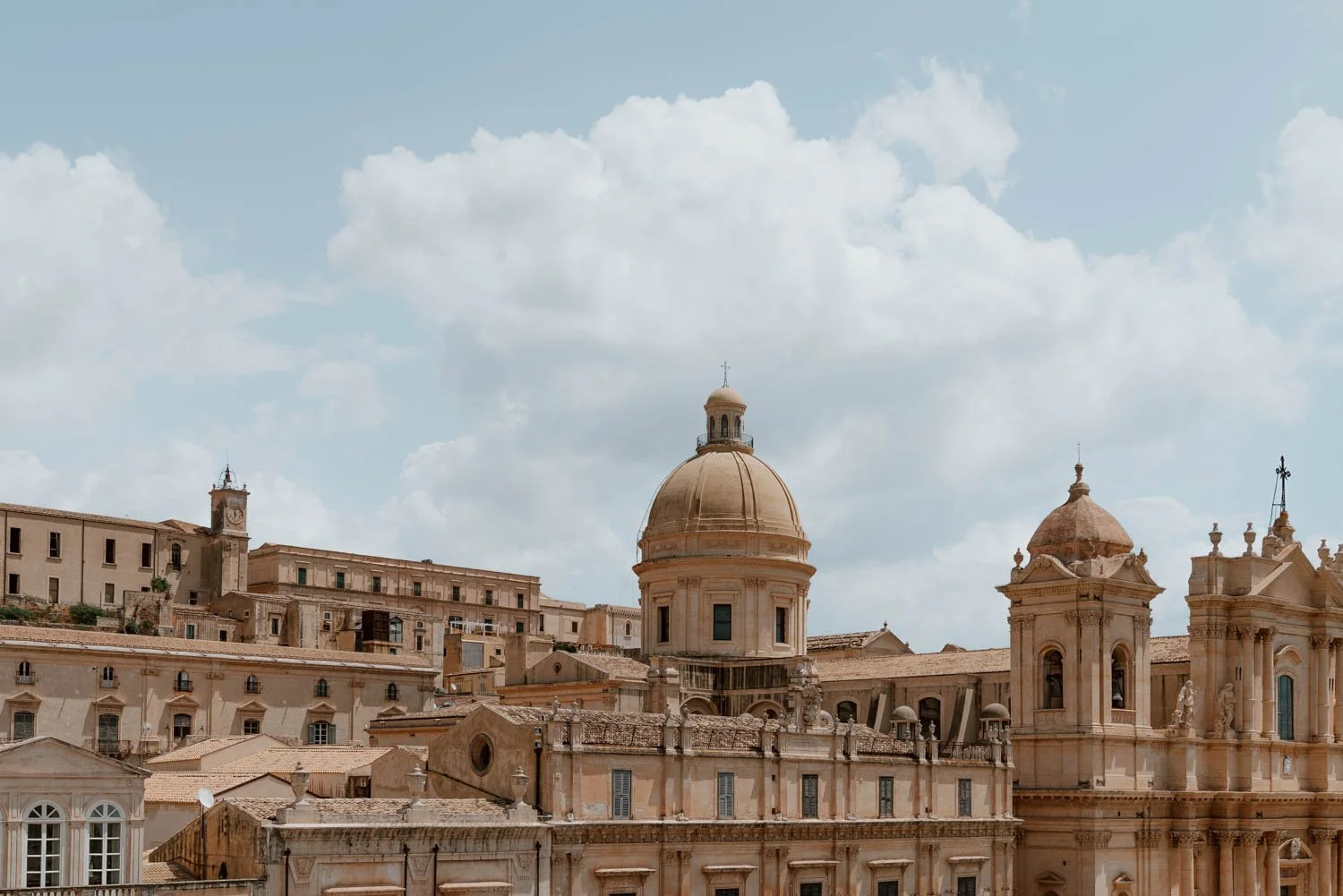
To speak of good coming from a natural disaster may seem, if not perverse, at least in bad taste.
Yet were it not for the devastating earthquake of the 11th January 1693 that obliterated the lives, livelihoods and towns across the south-east corner of Sicily, much of what makes this particular part of the island so magical - for tourists and locals alike - may very well not exist today.
The earthquake provided a blank canvas upon which Sicilian architects like the great Vincenzo Sinatra, many of whom were trained by the Baroque masters in Rome, could paint their dreams.
And paint they did.
Palaces, churches, cathedrals. Entire cities and towns not simply rebuilt, but reborn - and none more beautiful than Noto, the undisputed jewel in the Val di Noto crown.
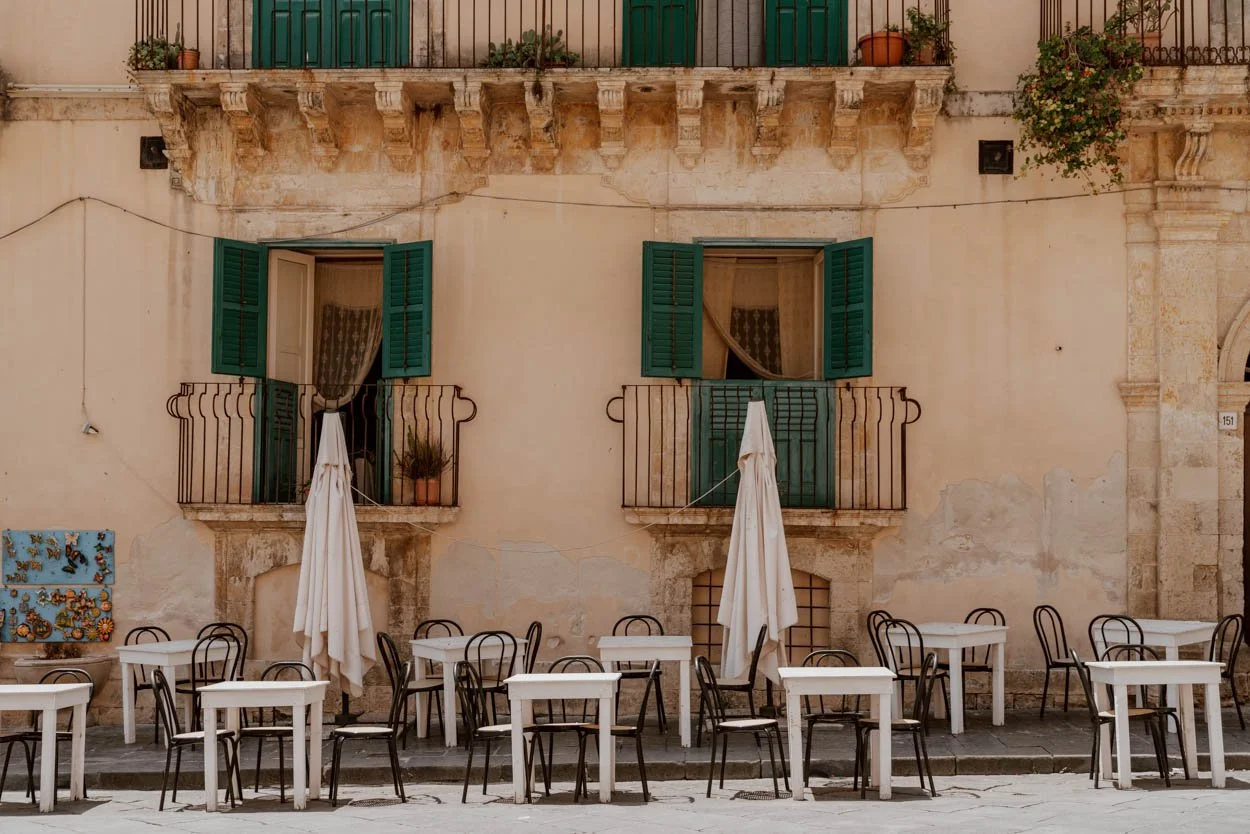
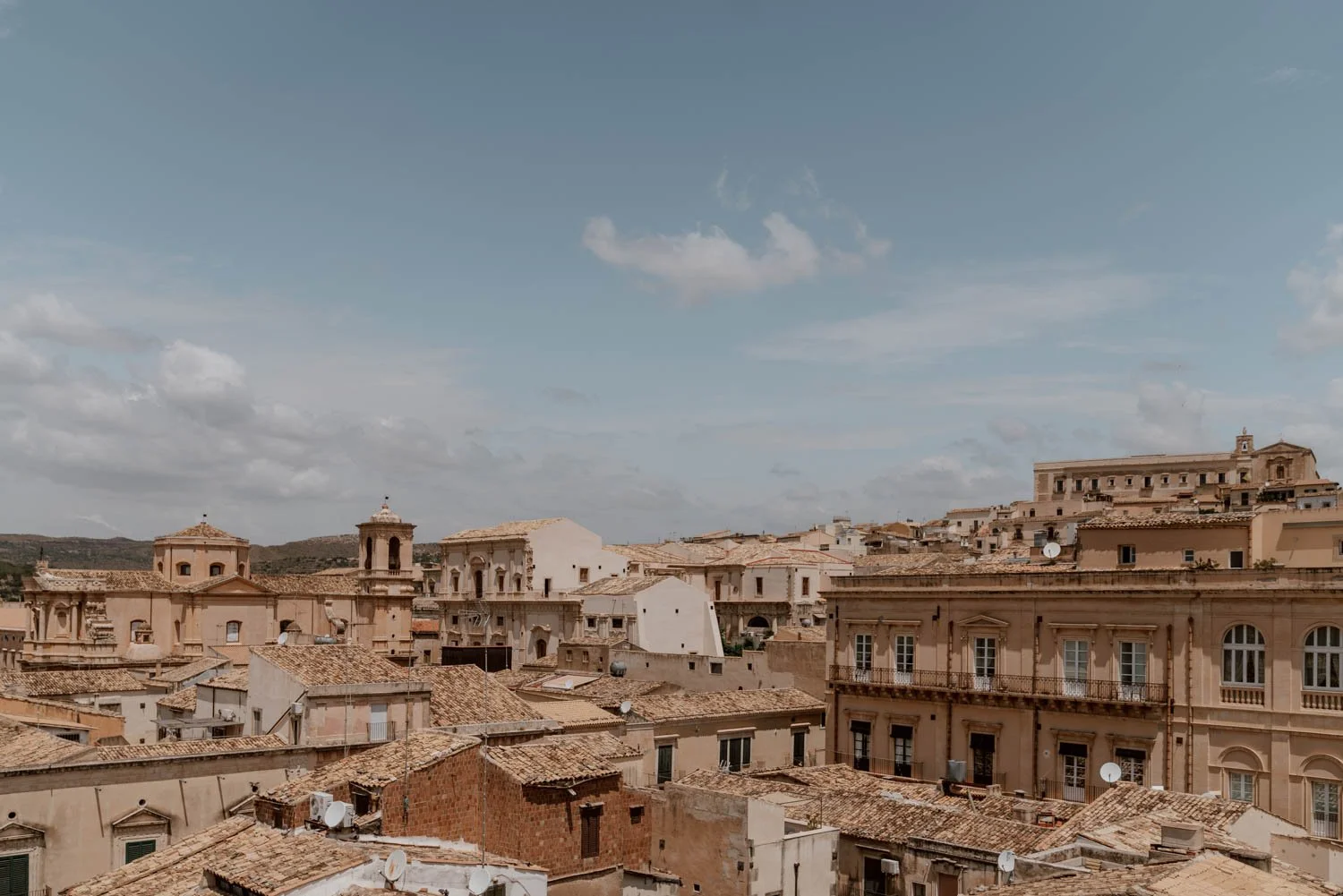
Epitomising the definition of Sicilian Baroque, so perfect, so elegant is its historical centre, it’s somewhat easy to forget that this is a thriving town, and not a museum or some eerily accurate film set - a feeling that can be accentuated if you choose to roam its streets under a bright midday sun.
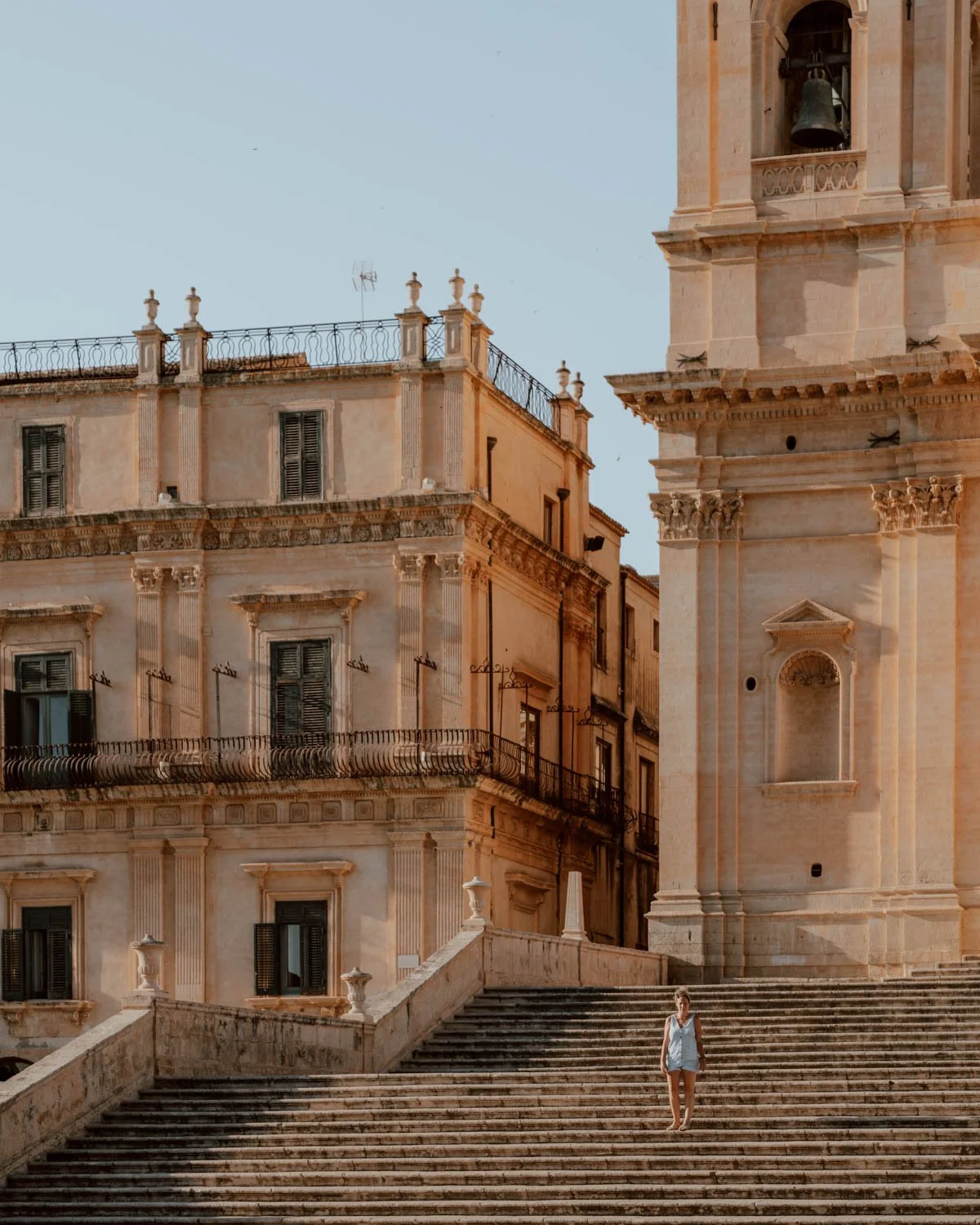
Instead, this is a town to explore as the sun begins to fall, when the sandstone walls of these 18th century masterpieces glow ochre and Noto comes alive. When the steps of Rosario Gagliardi’s cathedral are not only a way to get closer to God but a meeting point for the young, the plazas a resting place for the old, and all around you, the air fills with rapid and heavily accented Italian.
Noto is meant to be enjoyed in the late afternoon glow, over cups of icy granita and cones of famous ice cream. That’s why it’s also such a perfect base from which to explore this truly unique region in south-eastern Sicily - it is ideally situated to visit the area’s best sand beaches as well as a number of other stunning Baroque towns, so you can out and about and explore during the day and then be back in time to enjoy Noto at its finest!
In this guide you’ll find all you need to plan the perfect trip to this noto-riously beautiful place (sorry); the sites and architectural wonders you can’t miss, the best day trips, where to eat, where to stay and the very best things to do in Noto.
The Noto Essentials
Location / South-eastern Sicily’s Baroque beauty
Arrive / Hire a car (we use AutoEurope) or book a private transfer from Catania Airport
Catania / Visit on tour from Catania - this one is popular
Architecture /Don’t miss Noto Cathedral, Palazzo Ducezio, Palazzo Nicolaci, Santa Chiara, and the bell tower of San Carlo
Festival / Time your visit for the Infiorata di Noto in May
Drink / Sample the region’s wines at Il Brillo Parlante, a nearby winery, or on one of these popular tastings
Cook / Prepare a seasonal Sicilian meal during this highly-rated cooking class on a regenerative farm
Beach / Explore Vendicari Nature Reserve or spend the day at one of several excellent beaches along the coast
Visit / Well located for day trips to Modica, Ragusa, Marzamemi, and Syracuse
Eat / Granita at Caffè Sicilia, contemporary Sicilian food at Nachè, or splash out at Michelin-starred Crocifisso
Stay / Splurge at Q92 Noto Hotel, opt for boutique B&B Filinona, or self-cater at Terrazza sul Vico or Casa Ruiz Noto
Our Favourite Things To Do in Noto
Fall in Love With Baroque Architecture
As we’ve mentioned above, what really sets Noto apart from many other places in Sicily is its stunning architecture. It is one of eight Late Baroque Towns of the Val di Noto collectively recognised as a UNESCO World Heritage Site following their reconstruction after the earthquake of 1693.
Here are the main sights you can’t miss:
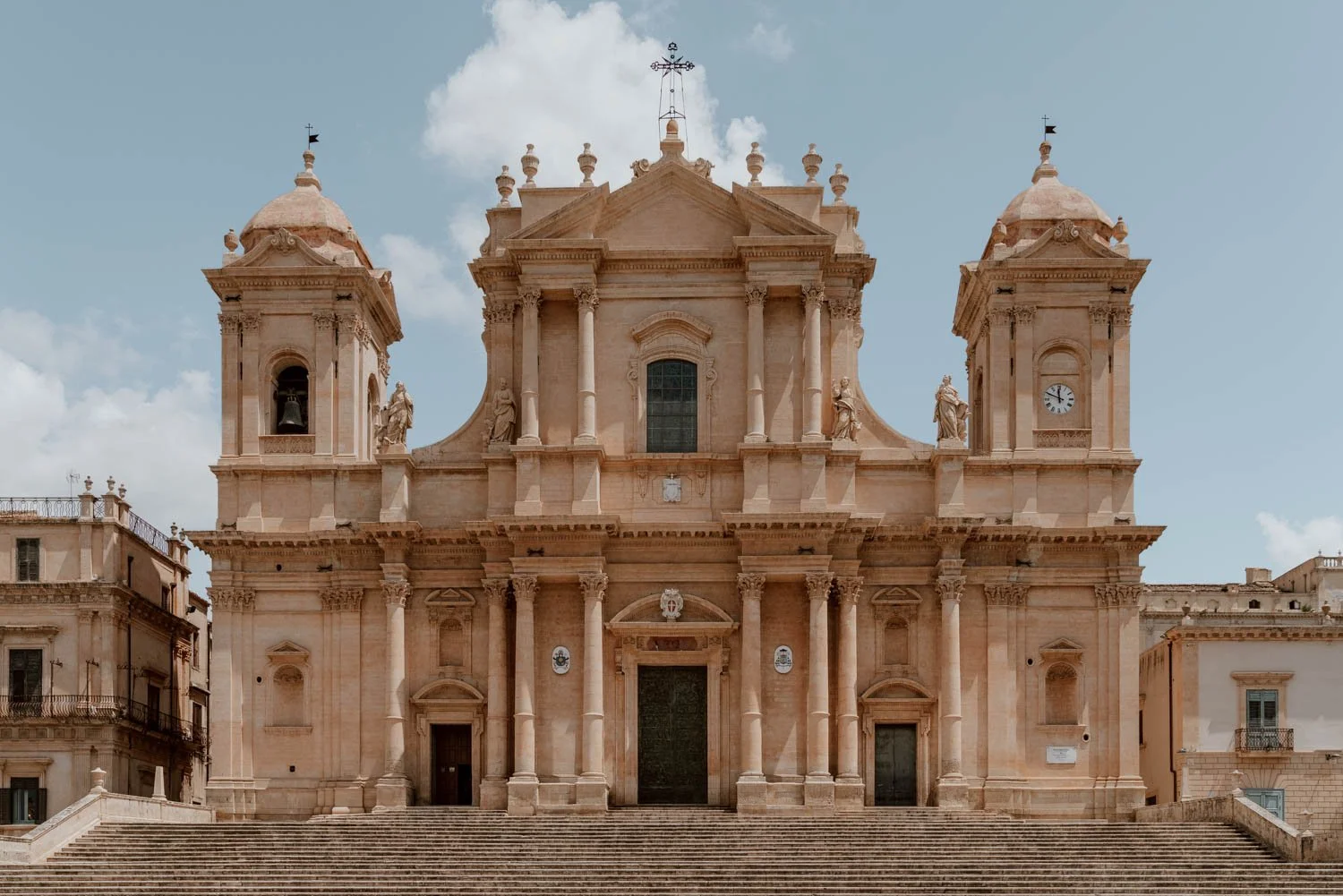
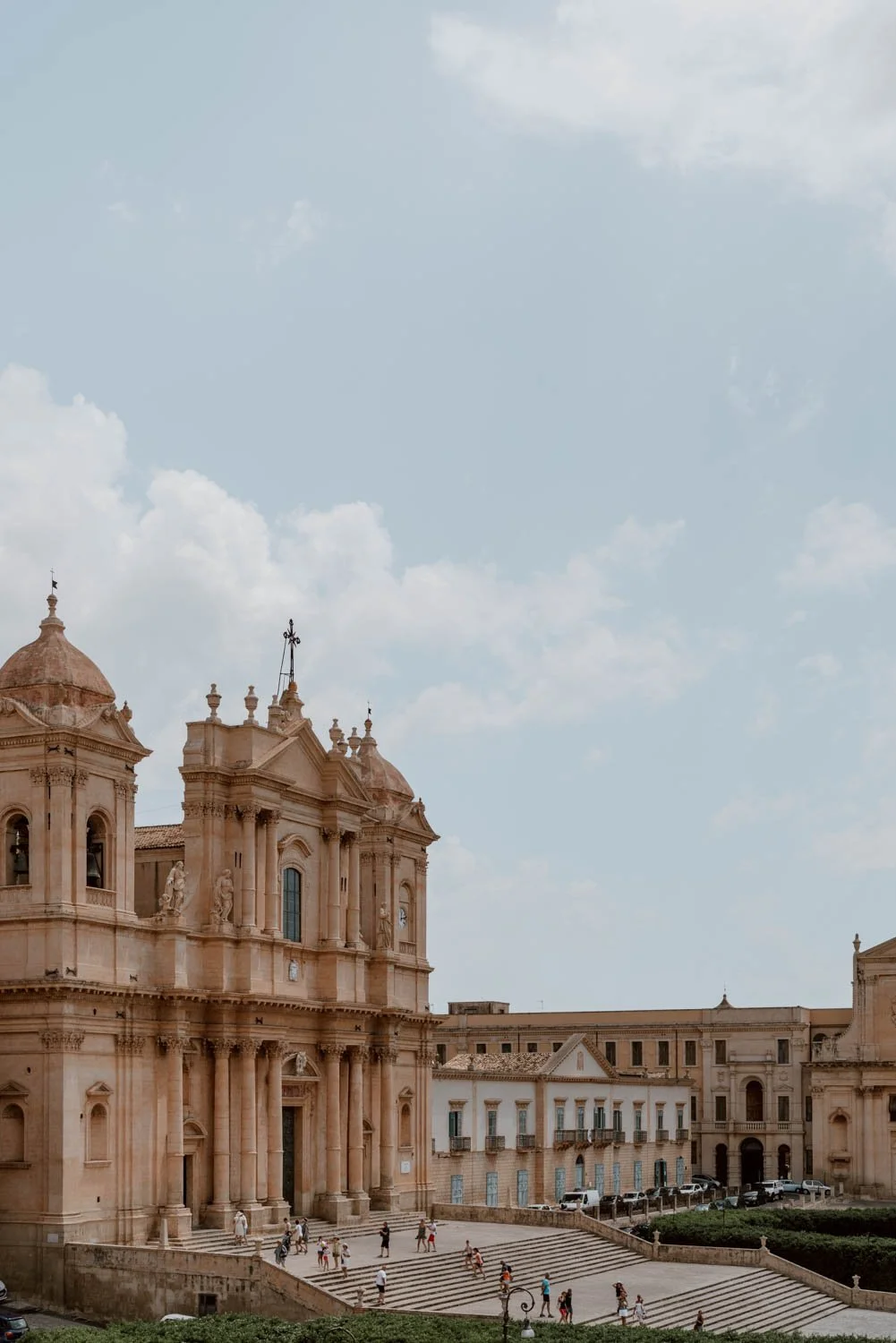
Noto Cathedral (maps) | We’ve seen a lot of churches, cathedrals, monasteries, and chapels in Italy, but Noto Cathedral is almost certainly one of the most impressive - both in size and design. Work began shortly after the destruction of Noto Antica, although the building subsequently underwent numerous alterations and reconstructions. In March 1996, a catastrophic structural collapse destroyed the central and right-hand naves, along with much of the dome. More than a decade of reconstruction followed, and the cathedral eventually reopened in 2007.
Very much part of the town’s active landscape, it is particularly beautiful at night, when artfully placed lighting brings its limestone walls to life and the steps become a social meeting point for groups of friends and families.
Palazzo Ducezio (maps) | Directly opposite the cathedral is the stunning Palazzo Ducezio, Noto’s Town Hall. Inspired by the palaces of 17th century France, its most impressive interior is the oval-shaped Sala degli Specchi (the ‘Salon of Mirrors’ on the ground floor), but don’t miss the upper level which offers a chance for visitors to enjoy a panoramic view, at eye-level with the cathedral - especially beautiful during the later part of the day.
It costs €4 to enter the Palazzo or you can buy a €10 combination ticket which also includes Palazzo Nicolaci and Teatro Tina Di Lorenzo (more on those below). Tickets can be purchased at the entrance to any of the participating attractions.
Palazzo Nicolaci di Villadorata (maps) | Located on Via Corrado Nicolaci, this beautiful 18th century palace with the prettiest balconies, was built as a residence for the Nicolaci family (hence the name) and is considered one of the best examples of Sicilian Baroque architecture in Noto. Open daily from 10am - 1pm, then 3 - 7pm and costs €5 per person without a guide, €7 for a guided visit or €10 as part of the combo ticket mentioned above.
Chiesa di Santa Chiara and the Museo Civico | Santa Chiara deserves more than a passing mention. Designed by Rosario Gagliardi and officially dedicated to Santa Maria Assunta, its circular Baroque interior is decorated with stucco, cherubs, and twelve columns, while the upper terrace provides one of the best elevated views towards Noto Cathedral. The church is free to enter, with a small charge for access to the terrace.
The adjoining former Benedictine monastery now houses the Museo Civico di Noto, whose collection includes artefacts recovered from Noto Antica, a Hellenistic necropolis uncovered beneath the building, and the E. Pirrone Gallery. The museum opens daily from 10am - 1pm and 4 - 8pm. Regular admission is €4, with separate and combined tickets available for its augmented-reality experience about the 1693 earthquake.
Noto’s Other Churches | There are several other impressive Baroque churches in Noto, and whilst we didn’t enter them all, they are worthy of punctuating your wanderings along Corso Vittorio Emanuele and its many offshoots.
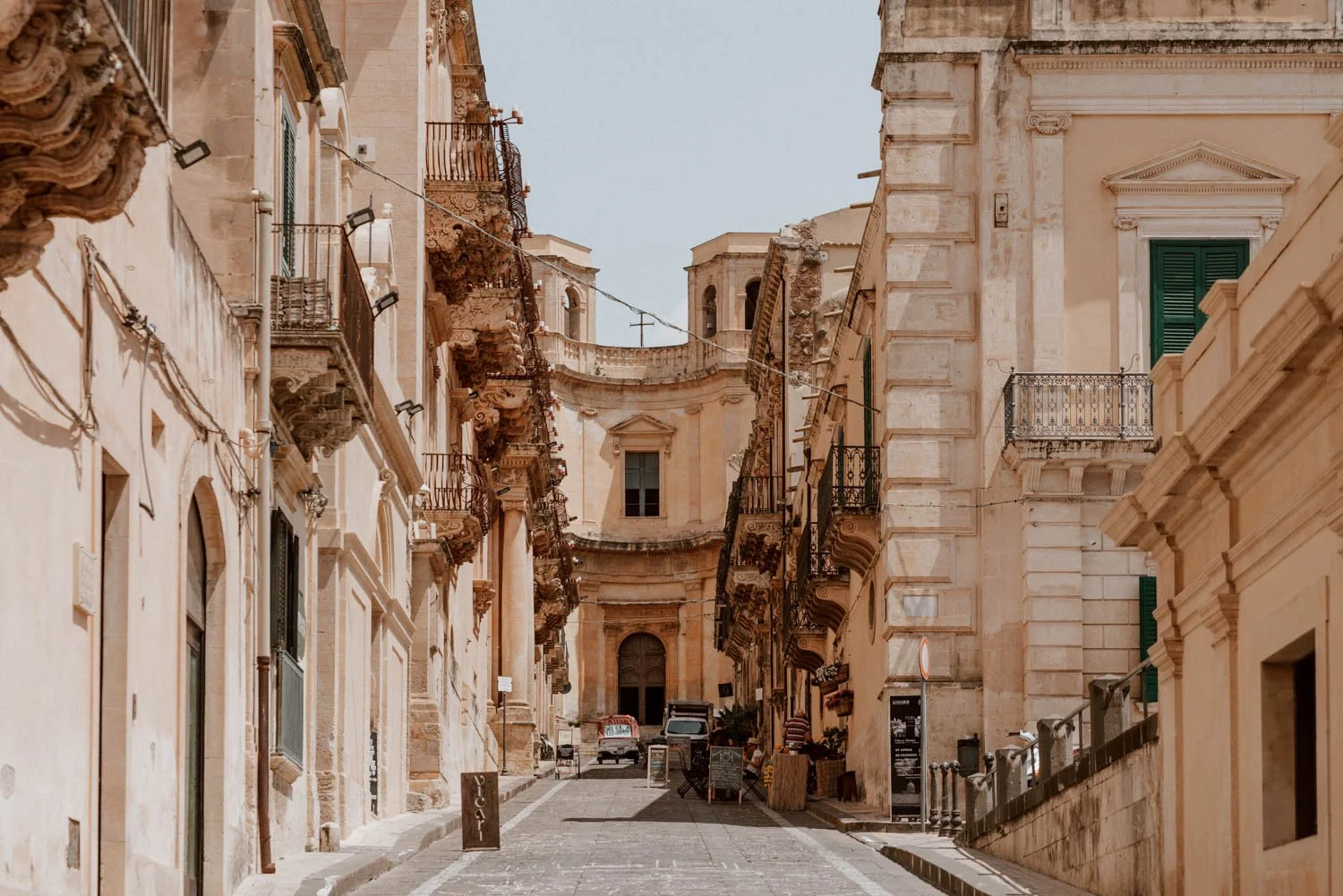
The ones to save in your Google Map are Chiesa di San Carlo Borromeo, Chiesa di San Domenico, Chiesa di San Francesco d’Assisi all’Immacolata, Chiesa di Santissimo Salvatore, and Chiesa di Montevergine. The latter sits at the top of Via Nicolaci, its curved façade and twin bell towers providing the backdrop to one of Noto’s loveliest streets.
Teatro Tina Di Lorenzo | Despite occasionally being described as Baroque, Noto’s principal theatre is actually a 19th century addition to the city. We were unfortunately unable to make it inside, but it is worth checking whether visits are available while you are in town; access may be restricted around rehearsals and performances. Find the theatre here.
Palazzo Castelluccio | For a palace with an interesting backstory, Palazzo Castelluccio still deserves a mention, even though it is no longer open to visitors. Abandoned in the 1980s, it lay empty until 2011, when a Frenchman inspired by Giuseppe Tomasi di Lampedusa’s 1958 novel, The Leopard, purchased the property and began bringing it back to life. Decorated with period-style flourishes, plush fabrics, bold colours, original frescoes, and exquisite antiques, this was a palace very much returned to its golden age.
Palazzo Castelluccio is currently closed while it is converted into a 31-room Rocco Forte hotel, now scheduled to open in 2027. Unfortunately, this means the former ticketed visits are no longer available.
Book // For more context on the earthquake, Noto’s reconstruction, and the details hidden across its facades, this highly-rated two-hour walking tour explores the historic centre with a local guide.
A Simple Walking Route Through Noto
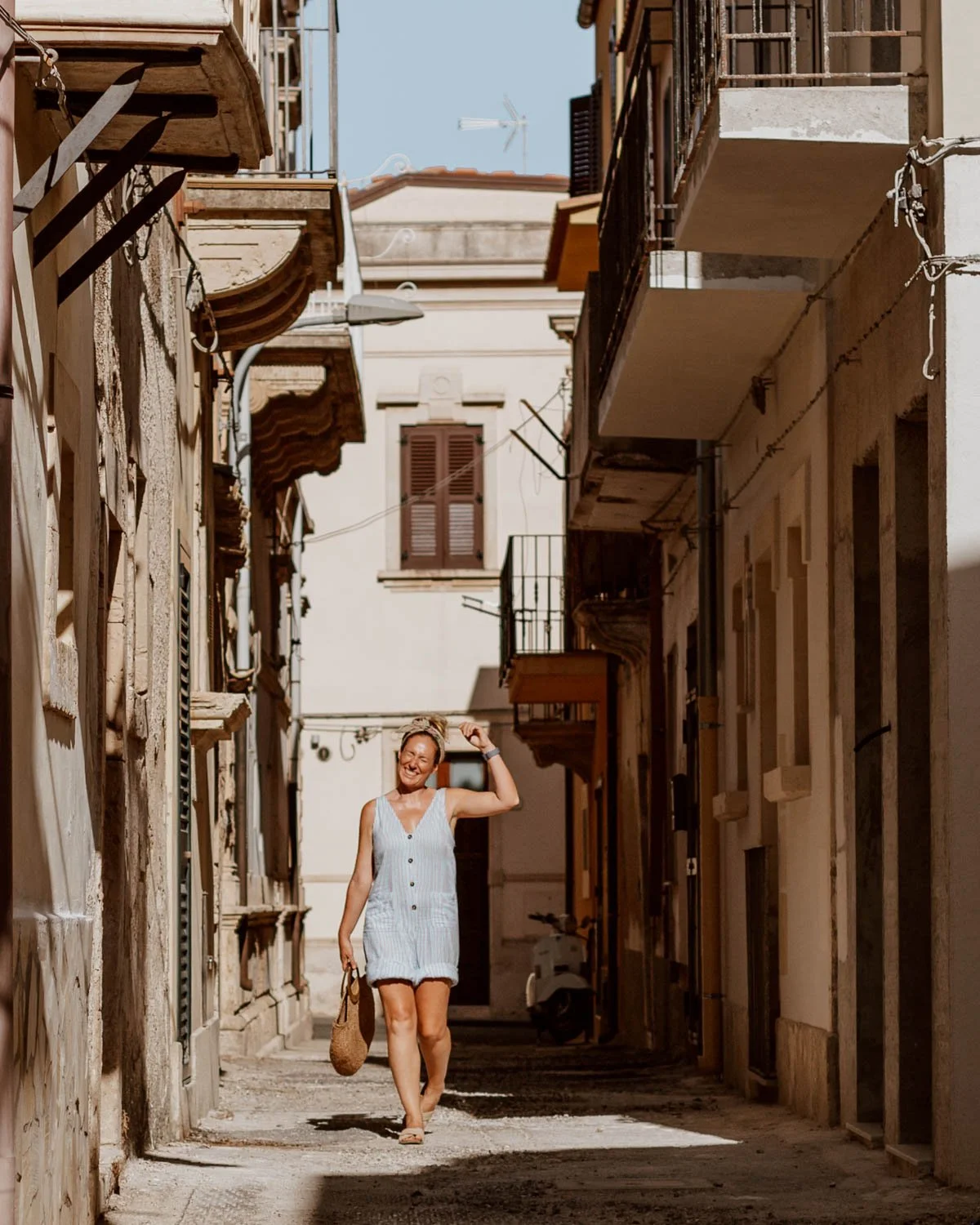
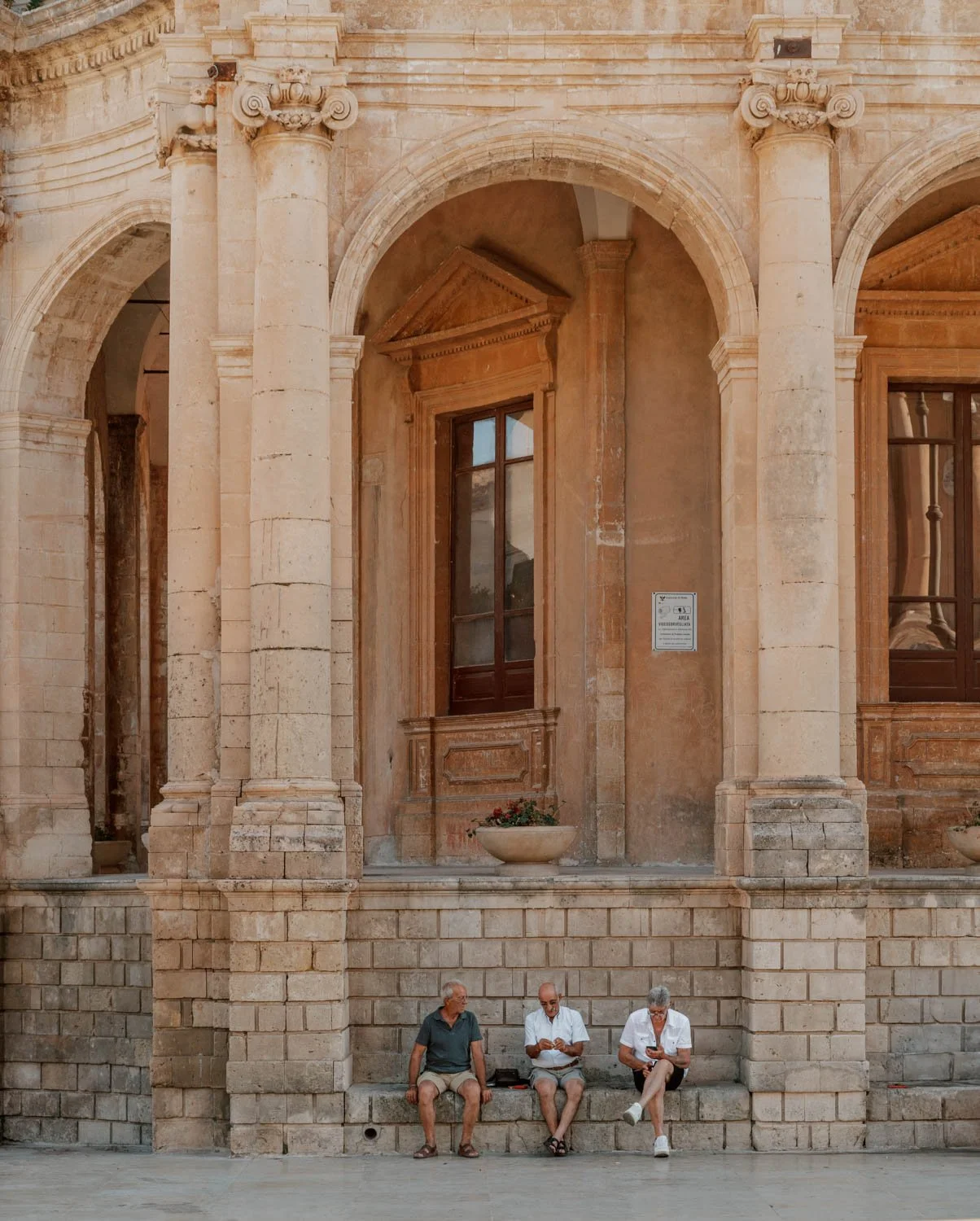
Noto’s historic centre is compact and straightforward to explore on foot, with most of its principal sights gathered along or just off Corso Vittorio Emanuele. This wide and elegant walkway is flanked by Baroque plazas, churches, and palazzi, so take your time, look up, photograph everything, and enter whatever takes your fancy (providing it’s open, of course!)
For a simple first walk, begin at Porta Reale and continue past Chiesa di San Francesco d’Assisi all’Immacolata to Santa Chiara and the adjoining Museo Civico. From here, cross Piazza Municipio for Noto Cathedral and Palazzo Ducezio, before continuing to Chiesa di San Carlo Borromeo and its bell tower.
Turn onto Via Nicolaci to see Palazzo Nicolaci and the balconies for which the street is famous, with Chiesa di Montevergine waiting at the top. Afterwards, return to Corso Vittorio Emanuele and continue towards Piazza XVI Maggio for Teatro Tina Di Lorenzo and Chiesa di San Domenico.
The route itself takes little more than 20 minutes without stops, but allow at least two or three hours if you plan to enter several buildings, climb the bell tower, or pause for coffee, granita, and photographs along the way.
Experience Infiorata di Noto
Every May, Noto is transformed by a festival of flowers that has been held here since 1980.
Created following an encounter between flower artists from Noto and Genzano, near Rome, the annual festival turns the 122-metre stretch of Via Nicolaci into a tapestry of colour.
Working around a theme that changes each year, individual artists are allocated a section of the street upon which to create their design using petals, leaves, seeds, and other natural materials. Work traditionally begins on the Friday, with the completed ‘carpet of flowers’ ready for visitors over the following days.
However, the displays are not restricted solely to Via Nicolaci; the entire town becomes part of the festival, with decorative installations, exhibitions, performances, and other events taking place throughout the historic centre.
Infiorata usually takes place around the third weekend of May, although the precise dates, programme, duration, and ticketing arrangements change each year. Confirm the latest details on the official Infiorata di Noto website.
Not visiting for the festival? You can still see elements of modern art dotted around Noto throughout the year in the form of painted public stairways. When you’re standing on them, they don’t seem all that special, but viewed from a distance, the complete murals climbing from top to bottom are far more impressive.
Sample The Local Tipple
Noto, and the small communes surrounding it, have a long history of producing wine - particularly Nero d’Avola (considered to be the most important red wine grape in Sicily) and Moscato di Noto, a sweet DOC wine made from Moscato Bianco.
You will naturally encounter local wines in every bar and restaurant within the area - even the cheap house reds are likely produced nearby - but if you’re keen to sample some of the Val di Noto’s premier tipples, you may well consider visiting one of the several nearby wineries.
Tenuta Palmeri | Purchased by Swiss couple Erika and Ueli Breitschmid-Heiniger in 2002, the first vines were planted here in 2005 and wine has been produced on the estate since 2009. Now an organic winery, they offer a variety of tasting packages, all of which take place on a gorgeous raised deck overlooking the vines and can be accompanied by variety of platters.
The winery is open daily from 10am - 5pm, although tastings should be booked in advance. You can reserve directly through its website or book this four-wine tasting with a light lunch, which also includes a guided visit to the vineyards and cellar.
Zisola Azienda Vinicola | The Mazzei has been producing Italian wine for centuries, and in the early 2000’s expanded into Sicily, creating the Zisola Vineyard - a stunning property surrounded by 50 hectares of vineyards, citrus trees, olives, and almonds, with tours following the grapes from the vineyard into the barrel cellar. The current premium tour costs €35 and includes four wines, the estate’s olive oil, and a small food pairing. You can find the vineyard here, and reservations can be made in advance via their website.
Planeta Buonivini | Another established option south of Noto, Buonivini is Planeta’s base in this part of Sicily and is particularly known for its Nero d’Avola. Visits include the estate’s low-impact ‘Invisible Winery’, built into the hillside, alongside its older palmento, once used by local farmers for winemaking. The programme of tastings and events changes throughout the year, so check the current options and reserve in advance.
Alternatively, two popular wine-tasting experiences in the Noto area are:
This guided Val di Noto wine tasting includes four wines accompanied by local produce, with several tasting options available.
This tasting and winery tour at Feudo Ramaddini, close to Marzamemi, pairs four wines with a generous selection of Sicilian cheeses, cured meats, bruschetta, and other regional specialities.
If you don’t have the time to make it out to a winery or join a tour, we recommend heading to Il Brillo Parlante, a relatively new wine bar in the heart of Noto. Run by a young couple who know their stuff, they serve up fresh local cheeses, meats, salads and breads alongside excellently selected glasses of wine.
Escape To The Vendicari Nature Reserve…
As we alluded to in our introduction, one of the many reasons that Noto is such a wonderful place to base yourself in south-east Sicily is its proximity to a number of truly fantastic beaches.
Whilst the west of the island is home to many of our favourite bathing spots where rocky outcrops or pebbles are the norm (like Favigana), closer to Noto you’ll find stretches of sandy beach perfect for a lazy day of sunbathing and swimming.
For those of you that prefer nature over lidos, you’ll want to make your way to the spectacular Riserva Vendicari, a 7 km stretch of protected coastline that offers beautiful beaches, dunes and saltwater lagoons (plus wetlands for migratory birds) for those willing to make that little extra effort.
There are five entrances to the reserve - Eloro, Marianelli, Calamosche, Vendicari, and Cittadella - so it’s important to choose the correct one for the beach or part of the reserve you wish to visit. The coastal paths are interconnected, but the distances between some entrances make walking from one end to the other impractical for a straightforward beach day.
Spiaggia Marianellii (and Eloro) | Marianeddii is an isolated stretch of golden sand flanked by almond trues and soft dunes. Just south of Eloro Beach in the northern part of the reserve, this is a relatively quiet retreat even in the summer months - and a popular spot for naturists!
To reach it park here, and follow the trail through the reserve.
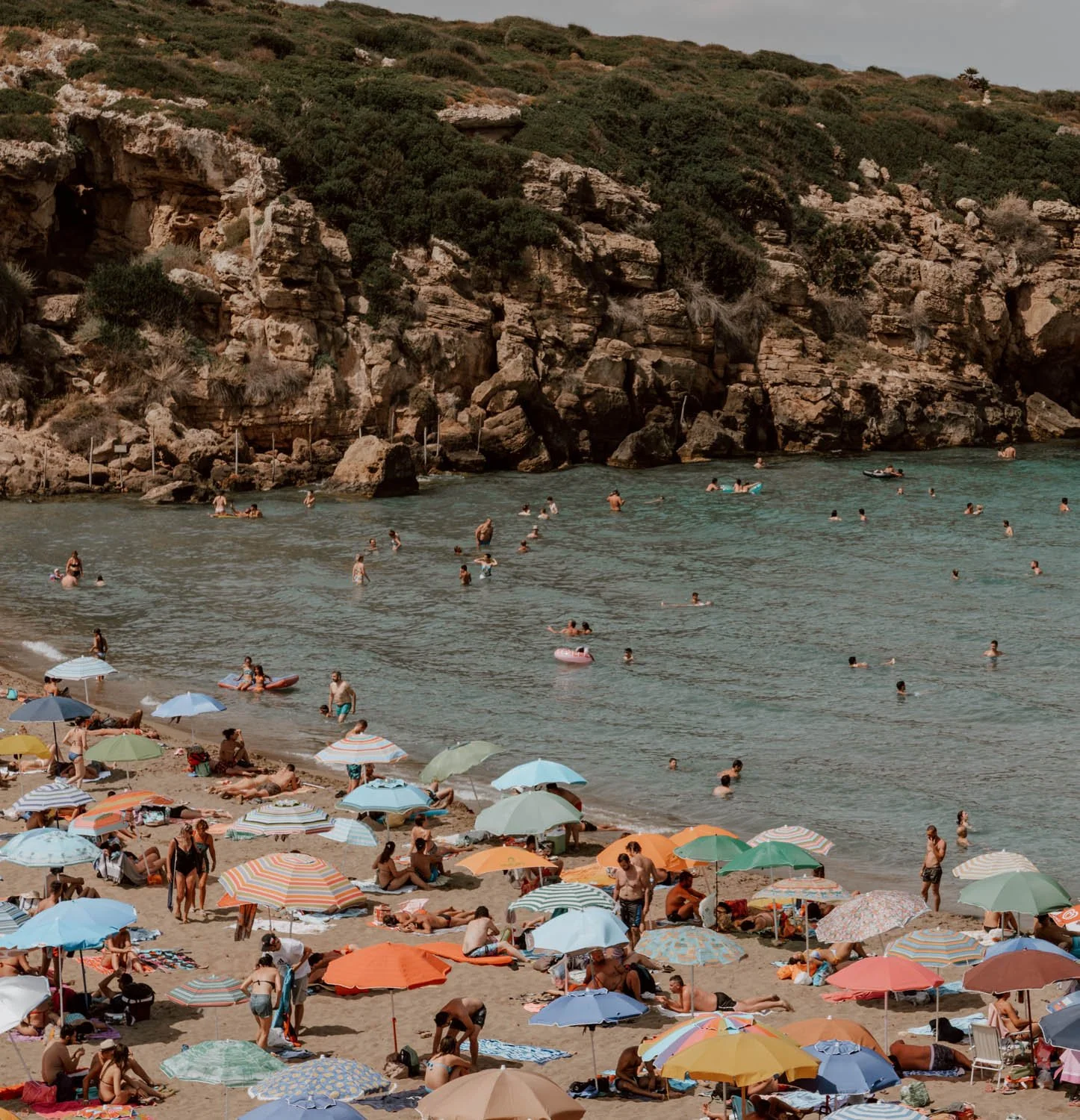
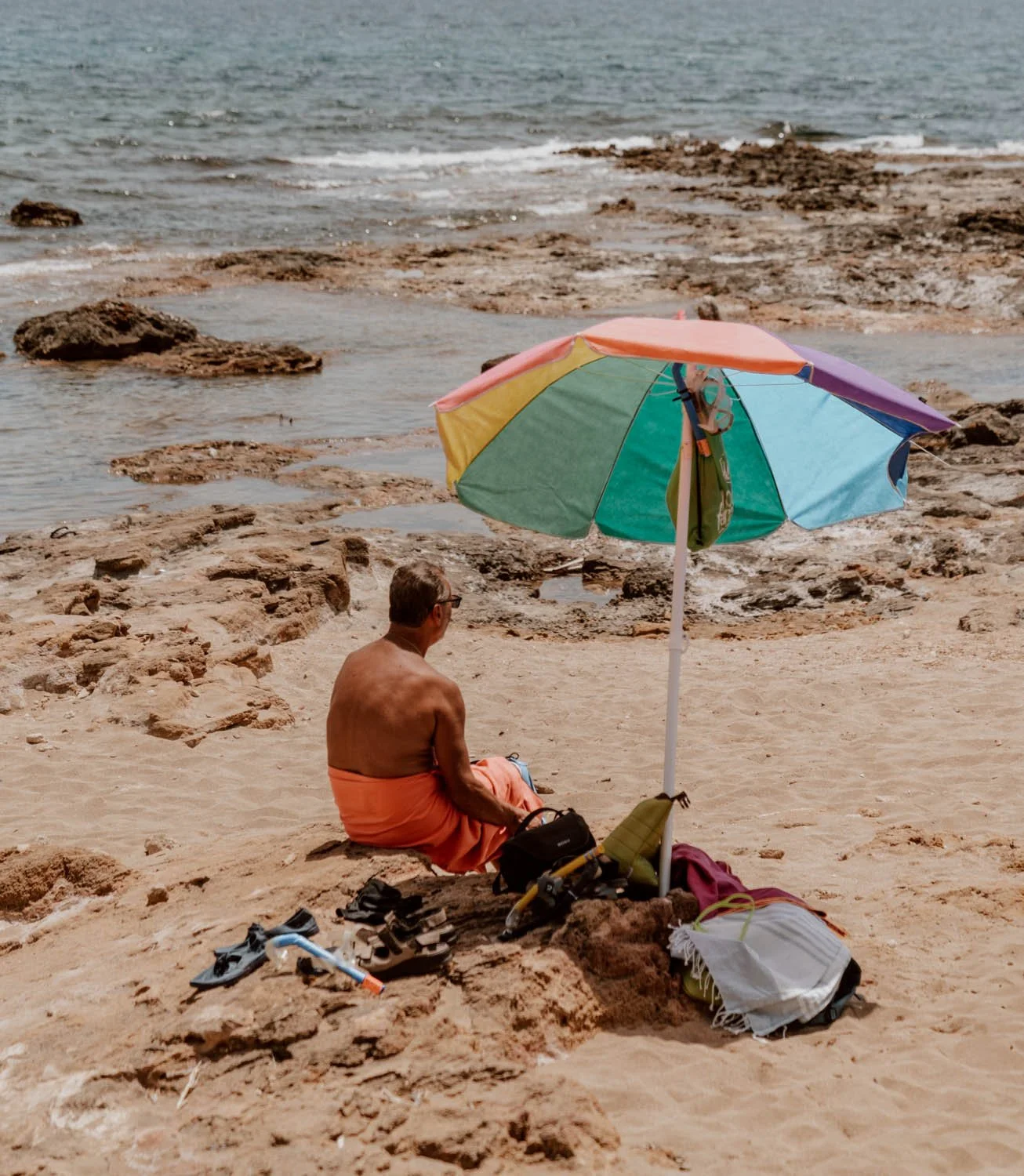
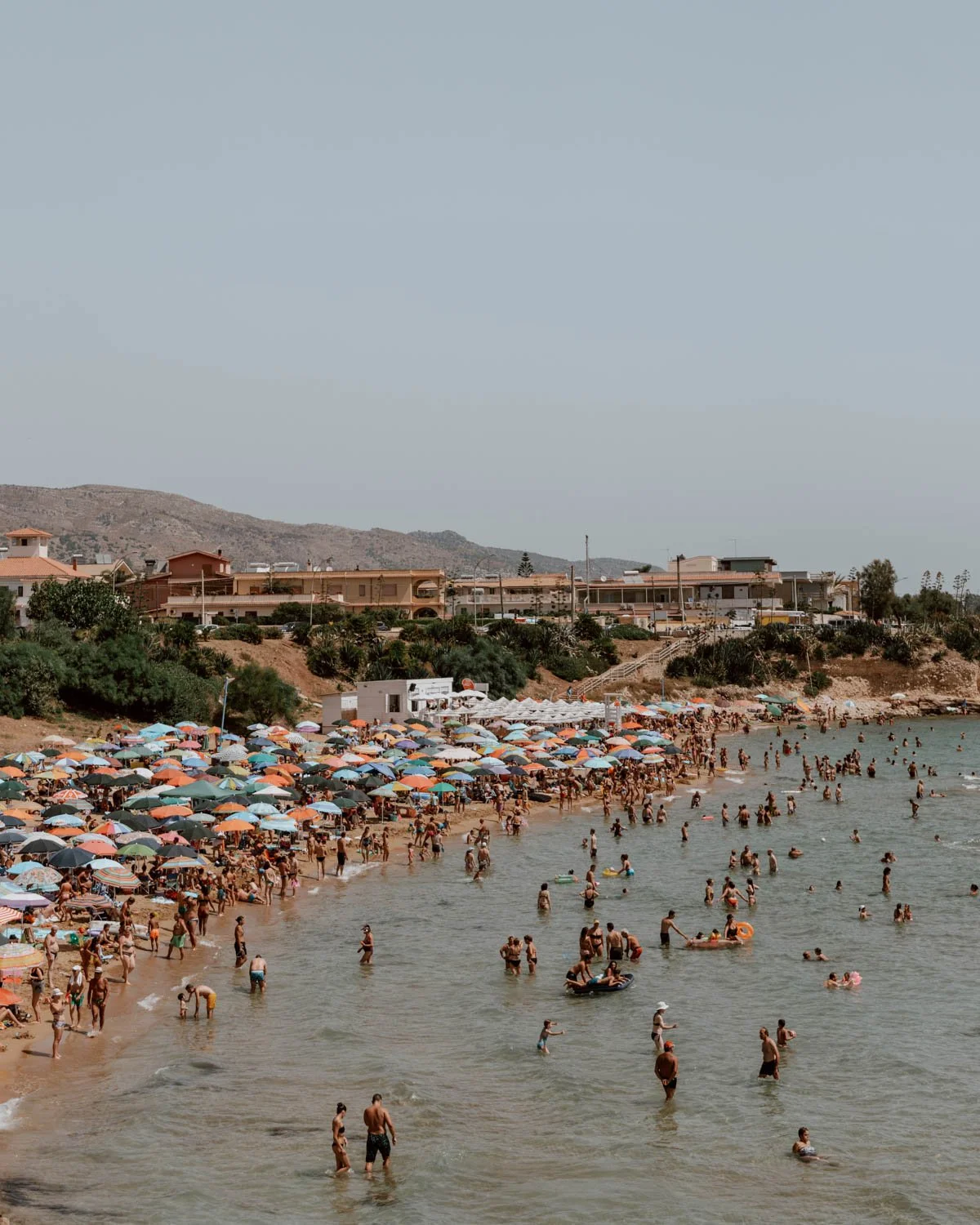
Spiaggia di Calamosche | This is Vendicari’s most popular beach, and my goodness was it busy when we visited! Thankfully - as is common across Sicily and Italy - a sea of colourful parasols only adds to the ambience on a beach here.
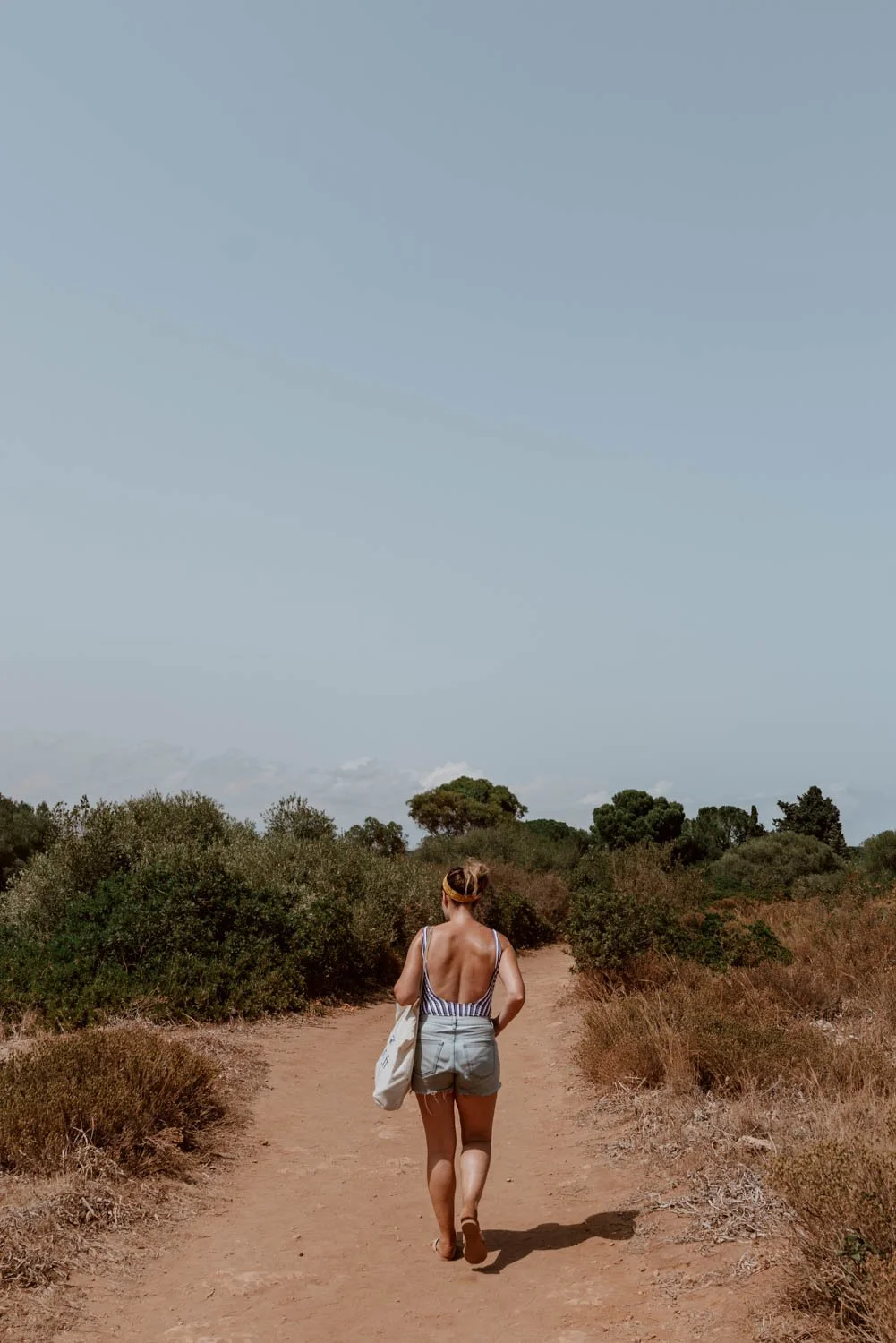
To reach it you’ll need to park here and then walk through the reserve. It’s an easy-ish 20 minute walk through scrubland punctuated by quintessential Sicilian flora and fauna.
As you would expect, there are no formal facilities at the beaches with Vendicari (besides a few beach vendors to offer you drinks, sarongs and trinkets throughout your stay), therefore if visiting for more than an hour or two you’ll definitely need to come prepared - and, given the lack of available natural shade, that includes bringing a parasol too!
Vendicari Beach, the Tonnara & Torre Sveva | For a first visit to the reserve, the central Vendicari entrance offers the most interesting combination of nature, history, and beach. A short path and wooden walkways lead past the wetlands and birdwatching hides towards Vendicari Beach, the imposing 15th-century Torre Sveva, and the atmospheric remains of the old tonnara, where tuna was once processed.
This is also the entrance to choose if birdwatching is your priority, particularly during the spring and autumn migrations when flamingos and other waterbirds can sometimes be spotted around the lagoons.
Entrance to the reserve currently costs €3.50 per adult, with parking charged separately. There are no formal facilities at the beaches within Vendicari, nor should you rely upon finding vendors once inside, so bring sufficient water, food, sun protection, and a parasol if you’re planning to stay for more than an hour or two. Comfortable footwear is also recommended for the exposed paths.
…Then Hit Up The Other Beaches Near Noto
If you’re based in Noto for more than a couple of days and the weather is giving serious beach-day vibes, the town is in relatively close proximity to a number of other excellent beaches:
Lido di Noto | The closest and most convenient option is Lido di Noto, around 15 minutes from the historic centre by car. Its long sandy beach has a mixture of lidos and free sections, with plenty of cafés, restaurants, and other facilities nearby, making it a straightforward choice if you don’t want to devote an entire day to the coast.
During summer, a paid shuttle usually connects central Noto with Lido di Noto, although routes, dates, and departure points can change from year to year; check locally before setting off.
San Lorenzo | We happened to celebrate Andrew’s birthday when we we were in Noto, and chose to head to San Lorenzo and splurge on a super fancy beach club. Unfortunately this also happened to coincide with the only day of rain we had during that entire month in Sicily, but such is life!
We opted for Agua Beach Club and paid more than we’d like to admit for first row deluxe sunbeds with parasol, but there are cheaper options nearby. We chose to eat at the club, but if you plan your visit for the morning or afternoon only, it would be worth visiting the super-stylish small town of Marzememi for lunch - it’s just 10 minutes away by car.
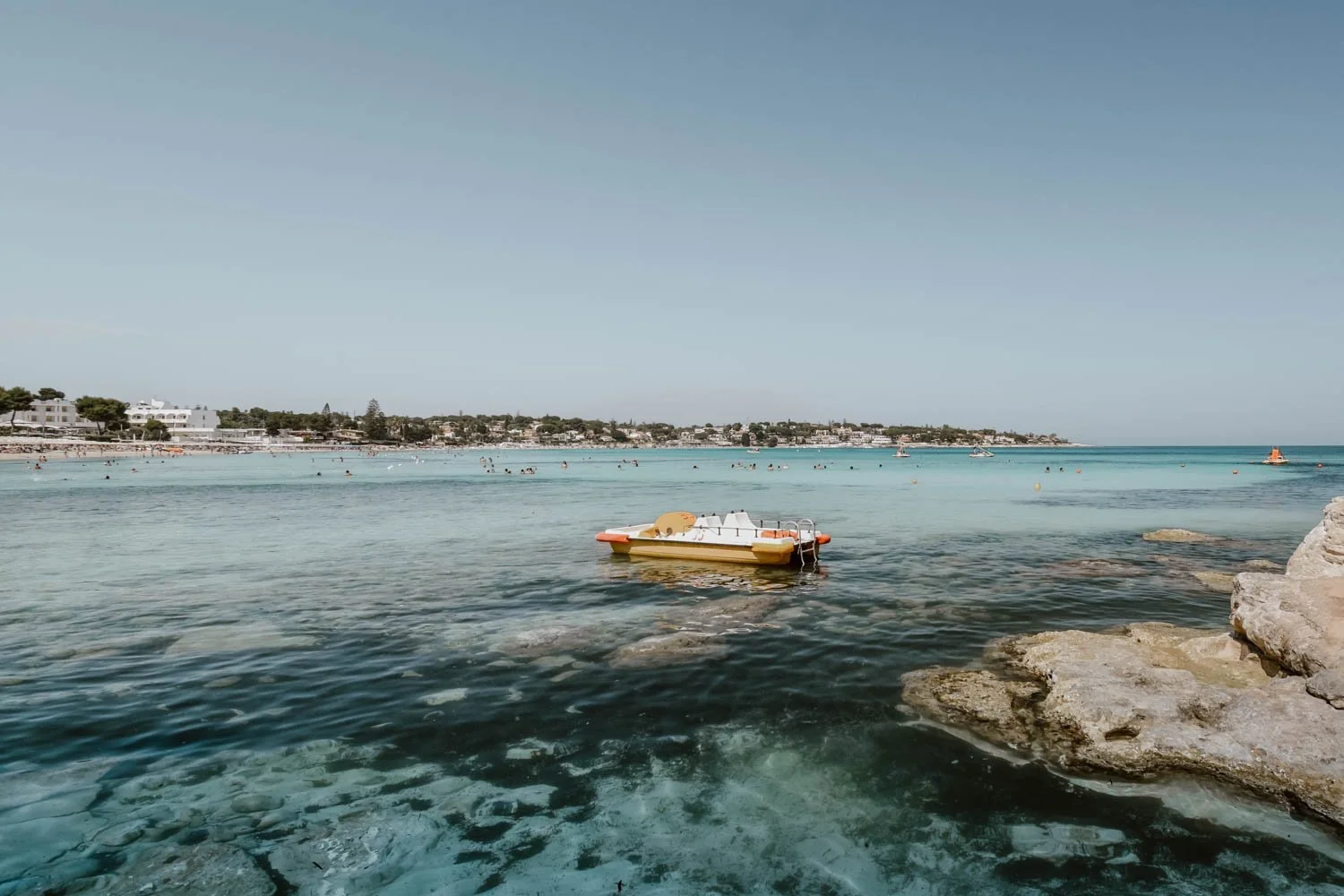
Fontane Bianche | Taking its name from the numerous freshwater springs that rise from its seabed, Fontane Bianche is another wonderful stretch of pale golden sand just over a kilometre long. Clear, shallow water makes this a great option for families, and the availability of lidos, restaurants, and general amenities means it has everything you could need for a full day at the beach.
Fontane Bianche is around 25 minutes from Noto by car (find it here). If you’d prefer to use public transport, there are usually several direct trains each day from Noto station, with the quickest journeys taking around 20 minutes and fares currently starting at approximately €3.30. Check the timetable on Trenitalia, particularly outside the summer months.
Isola delle Correnti | If you prefer your beaches a little more wild and rugged, then we recommend checking out the sandy beach opposite Isola Delle Correnti, around 30 km south of Noto (about a 35 minute drive).
The southernmost point of Sicily, it’s also where the Mediterranean and Ionian seas meet, creating a strong current - hence the name - and conditions can be much rougher than at the more sheltered beaches farther north. It is popular with surfers, but strong currents and waves mean it isn’t always suitable for children or less confident swimmers; pay close attention to the conditions and any warning flags on the day.
For those feeling a little adventurous, during low tide it’s possible to walk across to the small island where you’ll find various ruins and native wildlife.
Sampieri | Considered a bit of a locals-only secret (and hence why we found out about it too late to visit), Sampieri is a world away from the busy beach-club beaches popular with tourists. Located at the edge of a quintessential little fishing village, it has fine golden sand beach a pristine crystal clear water. We will not be missing this one when we make it back to this part of Sicily!
This beach may be a little too far away from Noto for some (it can take up to an hour to drive there), but given its relative proximity to Modica and Ragusa, would be an ideal stop on a full-day trip out west.
Avola Beach | Located in Avola town, this is a super popular beach in the summer months but given its proximity to Noto (just 10 - 15 minutes by car) it’s a good choice if you don’t have much time, or fancy a couple of sunny afternoon hours after a day of exploring Noto.
There is paid parking nearby, but we managed to find a free spot in a residential street a little back from the beach.
It was very very busy though.
Top Tip // If you’d like to explore this section of the coast from a different vantage point (and escape the worst of the crowds) consider joining this five hour boat trip which passes Avola, Calabernardo, Noto, Vendicari Nature Reserve, San Lorenzo, Marzamemi and Portopalo. Time is allowed for snorkelling and swimming and the price includes and aperitivo.
Take a Noto Day Trip to Modica & Ragusa
Noto is one of eight towns and cities that collectively form the UNESCO-listed Late Baroque Towns of the Val di Noto. The others are Caltagirone, Militello Val di Catania, Catania, Modica, Palazzolo, Ragusa, and Scicli.
We chose to base ourselves primarily in Noto and explore the region with our rental car, something we would highly recommend. Modica and Ragusa are close enough to combine in a single day, although both deserve more than a hurried hour if you have sufficient time elsewhere in your itinerary.
The most efficient approach is to drive directly to Ragusa, around an hour from Noto, and work your way back via Modica. Unless you have a particular reason to explore the modern upper town, concentrate your time on Ragusa Ibla, where the old streets wind between Giardino Ibleo, the Duomo di San Giorgio, and some of the finest Baroque architecture in this corner of Sicily.
Modica is approximately 25 minutes away. Its churches, staircases, and tightly stacked buildings are divided between Modica Alta and Modica Bassa, so allow longer than its relatively compact appearance suggests. Alongside visiting the Duomo di San Giorgio and walking down towards Corso Umberto I, make time to try the town’s distinctive cold-processed chocolate - preferably several varieties.
From Modica, it takes around 45 minutes to drive back to Noto.
Combining the two by public transport is possible in theory but unnecessarily awkward in practice, with limited connections and stations that are not especially convenient for the historic centres. Without a car, we would give each town a separate day rather than spending much of one waiting for buses or trains.
Book | If you would like more context once you arrive, this two-hour guided walking tour of Modica explores the upper and lower towns with a local guide, including the cathedrals of San Giorgio and San Pietro.
In Ragusa, this highly-rated English-language walking tour begins beside Giardino Ibleo and covers the principal sights of Ragusa Ibla over approximately two hours.
We’ve written short guides to both towns, so head over to those for full details on everything to do, see, and eat, alongside recommendations on where to stay if you’d prefer to explore them a little more slowly.
Keep reading // Our Guide to Modica & Our Guide to Ragusa
Step Back in Time at Noto Antica
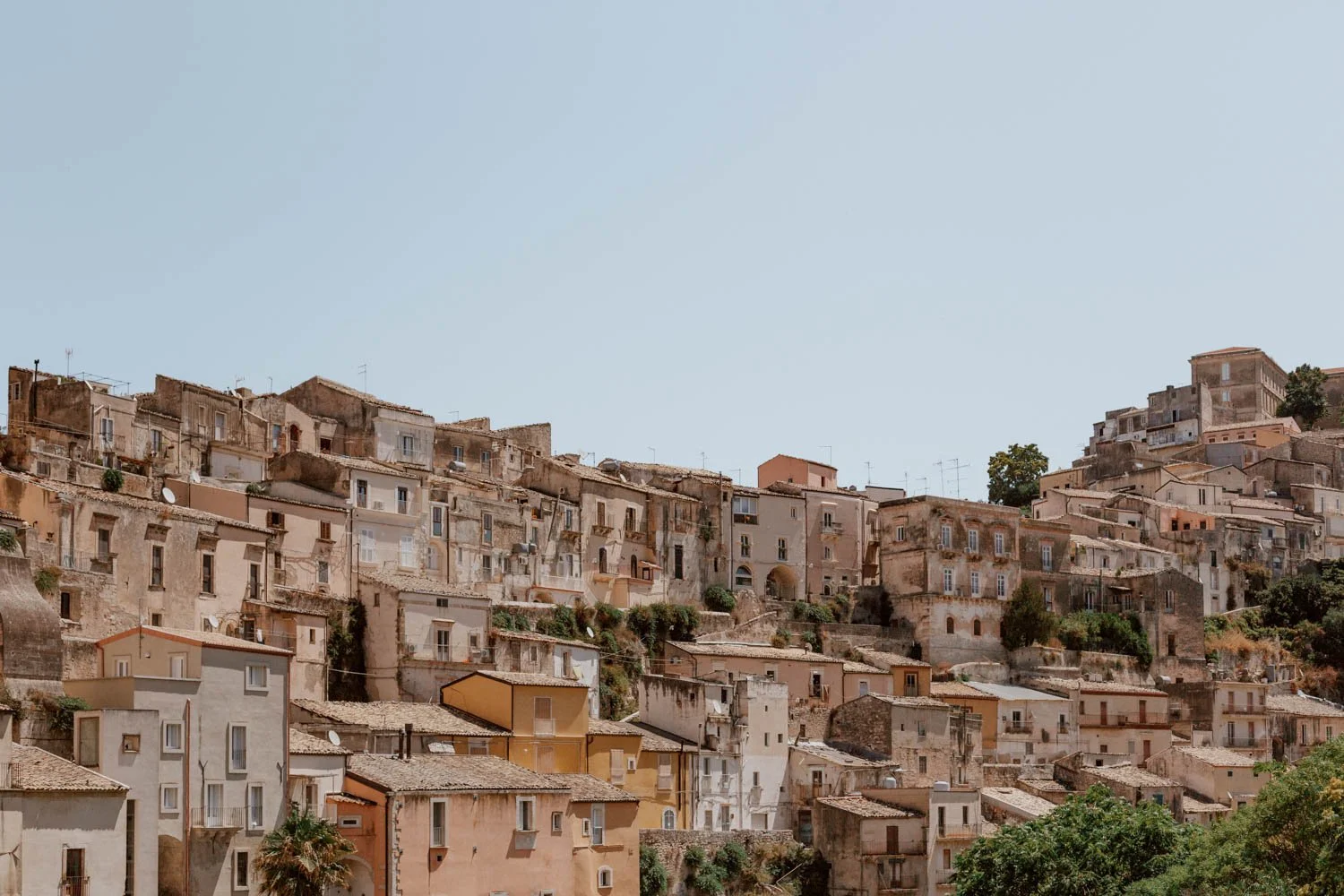
Although old Noto (Noto Antica) was devastated by the earthquake of 1693, some fairly impressive ruins remain within the walls of the city’s original site, their history stretching back through the medieval and ancient worlds to the early Bronze Age.
Whilst many of the older structures lie buried beneath the medieval town that fell, it is still possible to explore the remains of the Royal Castle, churches and convents, ancient cemeteries, Byzantine catacombs, Jewish tombs, and a Greek gymnasium more than 2,000 years old; visiting Noto Antica is said to be like passing through time.
The ruins are around 20 minutes by car from modern Noto, with free parking close to the principal entrance. There is no real public transport, so you will need your own vehicle, a taxi, or an organised excursion. Entry is currently free, and the main archaeological route can be explored independently, although the limited information on site means a guide is worthwhile if you want to understand exactly what you are looking at.
Beyond the old city, a trail descends into Cava Carosello, a deep gorge carved by the Asinaro River. Alongside its pools and thick vegetation, the route passes the remains of medieval tanneries and old watermills, adding another layer to an area already crowded with history.
The initial walk through Noto Antica is relatively simple but the descent into Cava Carosello is steeper, rougher, and more demanding, with uneven ground and very little shade. Wear proper footwear, carry plenty of water, and avoid setting off during the hottest part of a summer day. Water levels and access conditions can change, particularly following heavy rain, so follow any closures or warnings in place when you visit.
Allow around one to two hours for Noto Antica alone, or at least half a day if you plan to continue into Cava Carosello. You can find more information about the route on the official Visit Sicily website.
It’s also a popular spot for mountain biking!
Book | If you would prefer to explore with somebody who can explain both the archaeology and the natural landscape, this two-hour guided experience begins at Noto Antica descending into Cava Carosello for a swim in its natural pools. Led in English by a certified nature guide, it is moderately demanding and requires closed shoes, water, sun protection, and swimming gear.
Top Tip // Around nine kilometres south of Noto, the Villa Romana del Tellaro is a worthwhile short detour for anyone with an interest in archaeology - although it is important to understand that this is a small site rather than another Villa Romana del Casale.
The remains belong to a grand Roman residence constructed around a central peristyle during the fourth century AD. Discovered beneath a later farmhouse in the early 1970s, the villa is particularly notable for its surviving floor mosaics. These depict hunting scenes, a seated female figure believed to represent Africa, and an episode from the Iliad in which the body of Hector is ransomed.
Allow around 30 minutes for your visit. The villa is located in Contrada Caddeddi, approximately 15 minutes from Noto by car, and is easily combined with Vendicari, Marzamemi, or a day at the beach. There is no particularly useful public transport, so you will need your own vehicle or a taxi.
Check the official archaeological park website before setting out, as opening hours and admission fees may change.
Head Up Il Campanile di San Carlo
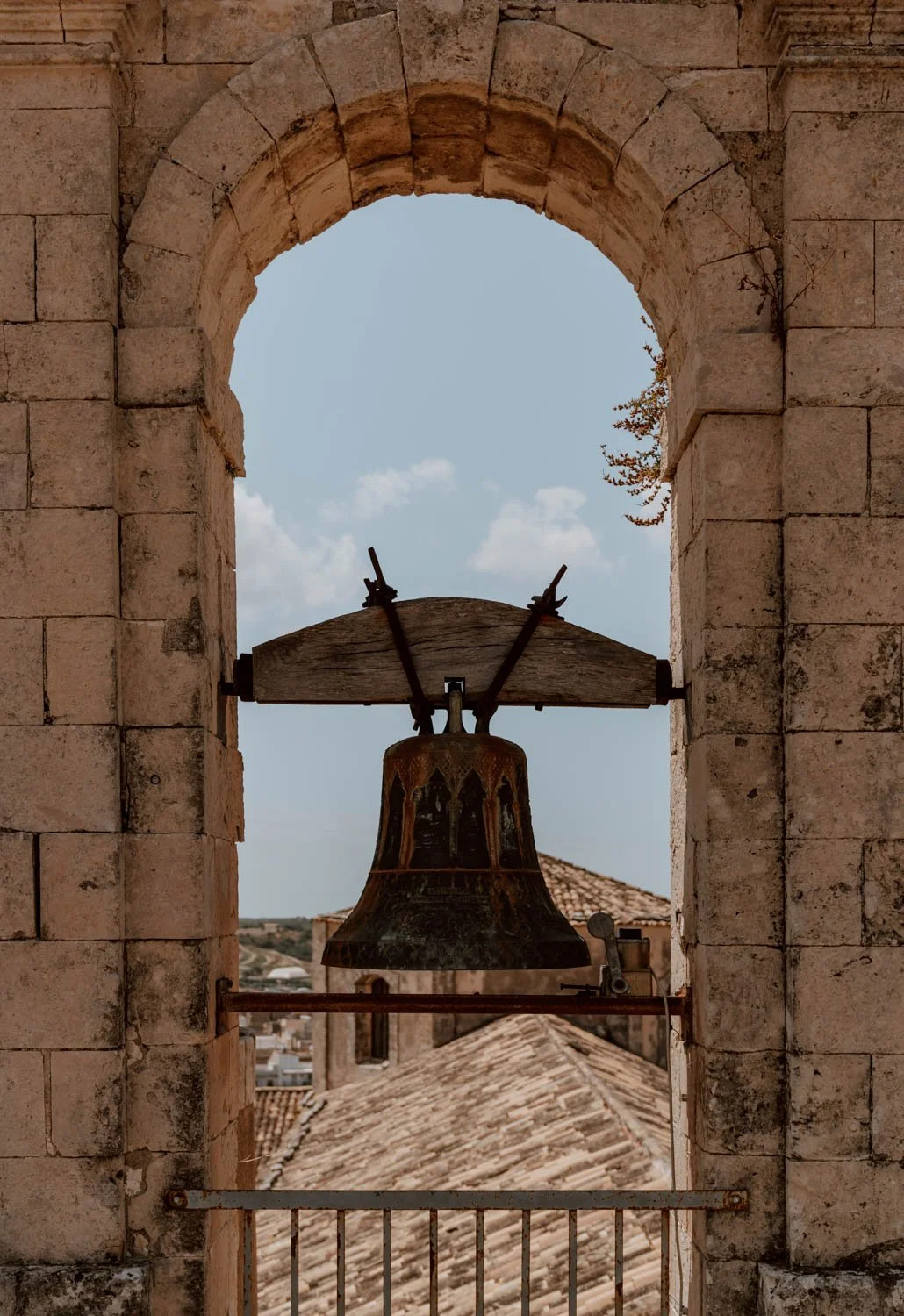
As wonderful as it is exploring streets upon two feet, to really get a sense of a place it helps to head high - and in Noto that means scaling the bell tower of Chiesa di San Carlo al Corso.
The church is generally open daily from 10am - 1.30pm and 2.30 - 7pm, with opening sometimes extended until 10pm during the summer. Entry to the church is free, while climbing the bell tower costs €2.50 per person. As you need to pass through the church itself, modest dress is required for entry, as is common across Sicily.
You can find the church here.
Do note that the climb involves around 80 narrow spiral steps and is not suitable for those with poor mobility.
Where To Eat & Drink in Noto
Manna || Manna has moved since we ate there, leaving its former wine-cellar location in the historic centre for Baglio Siciliamo in Lido di Noto. The restaurant continues to serve contemporary Sicilian food in a beautiful courtyard setting, but is now around 15 minutes from Noto by car rather than somewhere you can wander to for dinner. Reservations are highly recommended / maps
Il Brillo Parlante || If you’re looking for an early snack platter or a chunky Italian sandwich, we’d highly recommend Il Brillo Parlante. Run by a couple who really know their stuff, they serve fresh local cheeses, meats, salads, and breads alongside an excellent selection of Sicilian wines / maps
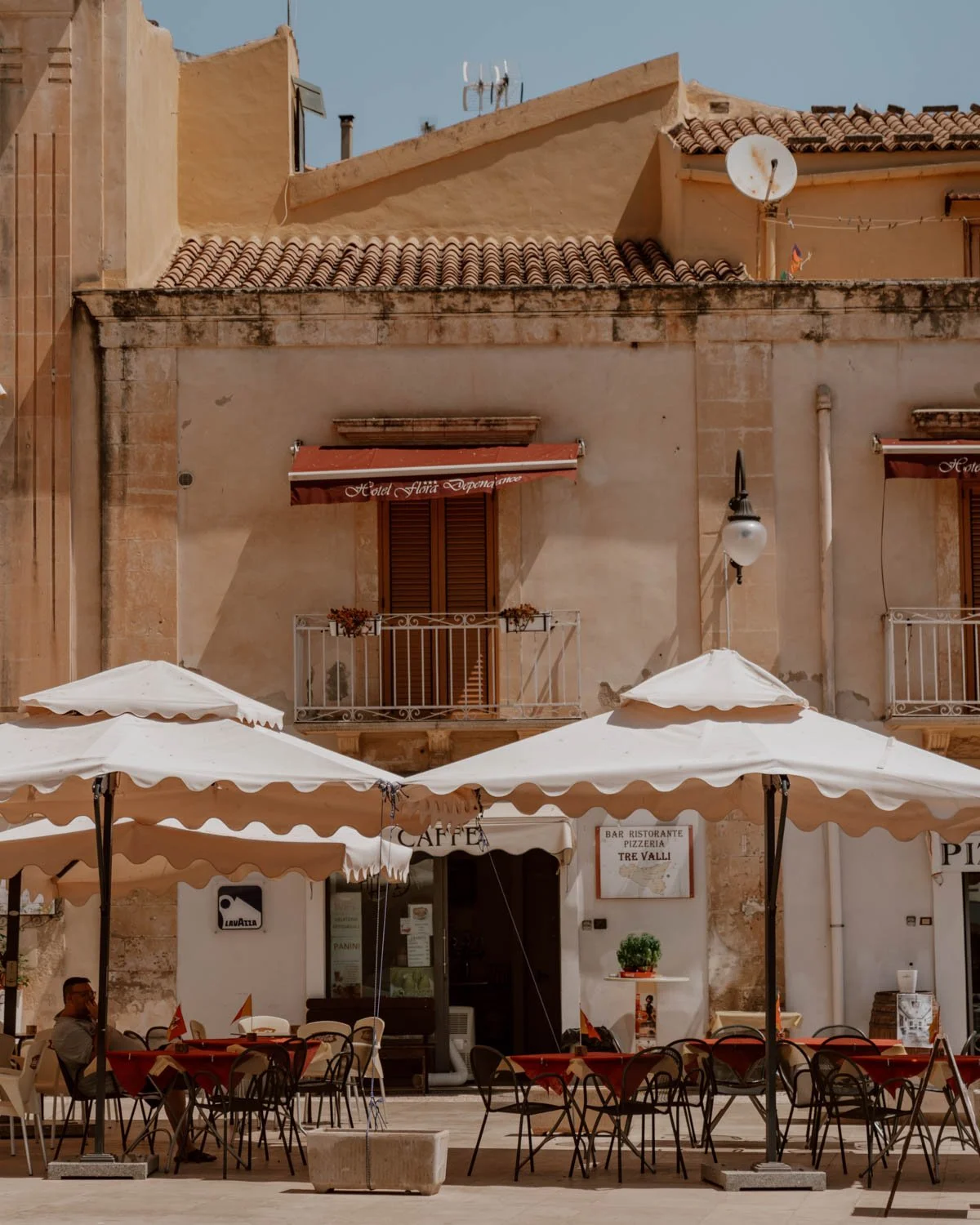
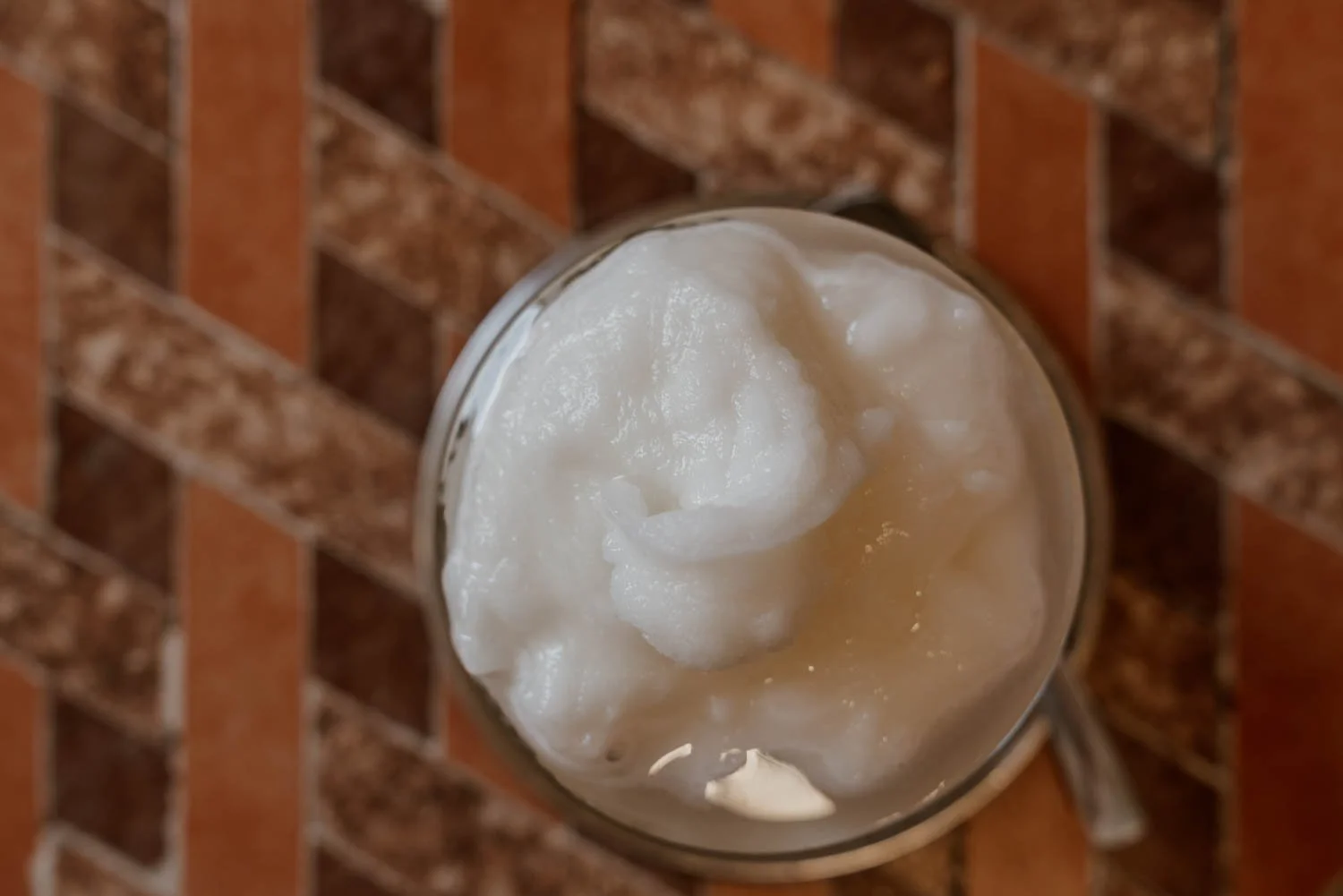
Cafe Sicilia || Operating since 1892 and now run by the fourth generation of the Assenza family, Caffè Sicilia has developed a reputation extending far beyond Noto for its gelato, granita, and pastries. So, of course, we went several times. Be sure to try the almond granita, which is exceptionally good. / maps
Anche Gli Angeli || Housed inside a former church, Anche Gli Angeli is now best described as a restaurant, wine bar, and lounge rather than the bookstore and concept space it once was. The food is excellent, but even if you don’t plan on staying for dinner, it remains somewhere worth popping into for a drink / maps
Putia del Coppo | If you’re a seafood lover after a quick lunch, this little street-food spot was always heaving. It specialises in paper cones filled with freshly fried fish, calamari, and vegetables, with the added benefit that its present menu is entirely gluten-free / maps
Pizzeria Orto Di Santa Chiara || There are a few pizza places in town but after reading some reassuring reviews online we opted for Orto Di Santa Chiara and were not disappointed! A variety of topping options, and at an excellent price / maps
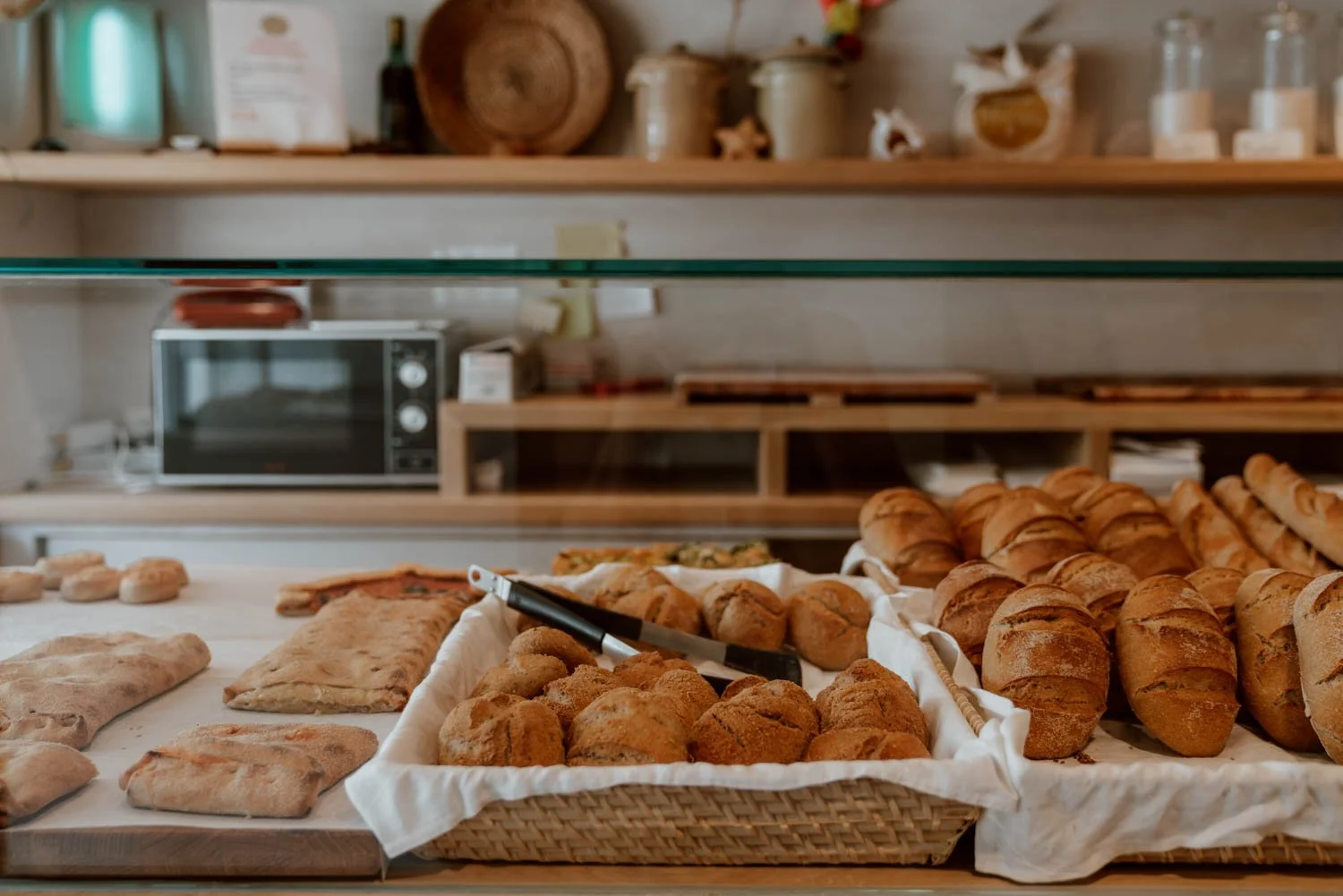
Panificio Maidda || We developed quite the sfincione obsession whilst in Sicily, and whilst none will ever beat the deliciousness we had from a tiny bakery, on a nondescript street in downtown Palermo, that on offer at Panificio Maid came pretty damn close! Sold by weight, they have a variety of baked goods all cooked to a secret family recipe and using old varieties of Sicilian grains / maps
Naché || Originally recommended to us by a reader after our visit, Nachè has since become one of the most consistently well-reviewed restaurants in central Noto. The menu offers a more creative interpretation of Sicilian ingredients than many of the town’s traditional trattorias, with most tables arranged outside along a quiet side street / maps
Crocifisso || Noto’s Michelin-starred restaurant and the clear choice for a special-occasion meal. Chef Marco Baglieri’s menus take a contemporary approach to Sicilian cooking, with both tasting menus and a shorter à la carte option available. This is very much the splurge recommendation, and advance booking is essential.
RitroVino || A contemporary enoteca and wine bar close to Porta Reale, with a particularly strong collection of Sicilian, Val di Noto, and natural wines. Bottles and glasses are accompanied by boards, sandwiches, salads, and small plates, making this a good option for aperitivo or an informal meal.
Fancy a drink in the evening? Alongside Il Brillo Parlante and RitroVino, we’d recommend Emily’s Wine for well, an excellent glass of wine, Il Libertyno for an Aperol Spritz, or if you’re all about the people watching, just pick somewhere on Corso Vittoria Emmanuelle - the drinks are a little pricier than you’ll find on many of the nearby backstreets but given its location you’re in prime passeggiata territory!
Top Tip // If you’d like to take more than several additional pounds home from Sicily, there are some genuinely excellent cooking and farm experiences in the countryside surrounding Noto.
This four-hour cooking class takes place on a regenerative farm, where the small group walks through the land before preparing a seasonal Sicilian meal using produce grown there or sourced from neighbouring farms. The precise dishes change throughout the year, but usually include handmade pasta and dessert, followed by lunch with the farm’s olive oil, wine, and homemade limoncello.
For something longer and more communal, this five-hour farm-to-table experience recreates a traditional Sicilian Sunday lunch on an organic riverside farm. The day includes harvesting vegetables, milling wheat, making ravioli, preparing lunch together, and - during the warmer months - swimming in the river.
Alternatively, this one-hour organic citrus-farm tour is a much shorter and less expensive introduction to the region’s agriculture, covering local citrus varieties and organic growing methods before finishing with a tasting.
All three take place outside central Noto, and transport is not included, so check the meeting point before booking.
Where To Stay in Noto
We’ve said it a few times already, but Noto is an incredible base for your south-eastern Sicily adventures - all you’ve got to do is pick the right accommodation for your budget and travel style.
Staying in or close to the historic centre allows you to walk almost everywhere and enjoy Noto once the day-trippers have departed. However, parking can be complicated around its pedestrianised streets and ZTLs, so check the arrangements with your accommodation before arriving.
Alternatively, the countryside surrounding Noto contains some exceptional farm stays, boutique hotels, and luxury resorts. These are generally better suited to travellers with a car, particularly if you intend to explore Vendicari, the beaches, and other towns across the Val di Noto.
Guesthouses, B&Bs and Hotels In & Around the Historic Centre
Gagliardi Boutique Hotel | This beautiful boutique hotel couldn’t possibly be left off the list. Its spacious rooms and suites combine original architectural details with more contemporary furnishings, while the rooftop terrace offers one of the loveliest places in Noto for a drink as the limestone buildings begin to glow.
Q92 Noto Hotel | Another excellent high-end option, Q92 occupies a beautifully restored historic palazzo directly on Corso Vittorio Emanuele, with several rooms overlooking Noto Cathedral. There are only a handful of rooms and suites, each combining original details - such as frescoed ceilings and patterned tiles - with bold fabrics, antiques, and contemporary design. It is also a member of Small Luxury Hotels of the World.
Seven Rooms Villadorata | For the rare opportunity to sleep inside one of Noto’s most famous buildings, Seven Rooms occupies part of Palazzo Nicolaci di Villadorata, right in the historic centre. As the name suggests, this is an intimate property, with just seven spacious rooms and suites decorated with original floors, frescoed ceilings, antiques, and fine fabrics. It is expensive, but unquestionably one of the city’s most distinctive places to stay.
Hotel Porta Reale | Located just inside Porta Reale, at the beginning of Corso Vittorio Emanuele, this is one of the most convenient full-service hotels in Noto. The rooms are modern rather than grandly Baroque, but its excellent location, rooftop terrace, bar, and reception services make it a particularly straightforward choice for a first visit.
Filinona B&B | This B&B is simply lovely. With the feel of a small boutique hotel, every element has been carefully considered, from the contemporary interiors to the large, bright rooms. Add its quiet yet central location and consistently praised breakfast, and this remains one of our top picks in Noto.
Bed and Breakfast Welcome | Previously listed as Welcome Garden, this little hideaway retains the peaceful guest garden that made the original property stand out - something still relatively uncommon amongst accommodation in central Noto. The restored rooms are spacious, sensitively decorated, and considerably calmer than the name change might suggest.
B&B Novecento Siciliano | We love characterful accommodation with quirky vintage details, and this B&B has them in boatloads. It is also extremely well located, close to the cathedral, and remains a good option for travellers seeking somewhere distinctive without moving into luxury-hotel territory. It is pet-friendly too, should that be something you require.
For simpler, usually more affordable rooms within walking distance of the historic centre, take a look at B&B Vinci and La Perla di Noto. Both continue to receive excellent reviews, but prices vary considerably with the season, so we have removed the old fixed nightly-rate claims.
Guesthouses, B&Bs and Hotels In the Countryside Around Noto
IUTA Farm | No longer accurately described simply as a glamping property, accommodation is now divided between freestanding eco-lodges amongst the olive and citrus trees and beautifully restored suites within the old masseria, several of which have private plunge pools. The wider property includes a saltwater swimming pool, organic gardens, yoga and wellness activities, and vegetarian food prepared using produce grown on the farm. It is only a short drive from Noto, but feels very much removed from town.
Battimandorlo | An intimate country house surrounded by olive, citrus, and almond trees, Battimandorlo combines Sicilian rural character with understated contemporary design. With only a small number of rooms, landscaped gardens, a restaurant, and an infinity pool overlooking the countryside, it is particularly well suited to couples looking for somewhere peaceful rather than a large resort.
Relais Terre di Romanello | Just outside town, Terre di Romanello has one considerable advantage over many other countryside properties: beautiful views back towards Noto. Alongside its gardens and panoramic swimming pool, the relais has a restaurant, bar, hot tub, and small wellness facilities, making it a good middle ground between a traditional rural stay and a more conventional hotel.
Il San Corrado di Noto | If you’re looking for true luxury, this is the clear splurge recommendation. Set amongst olive and citrus groves around 20 minutes from Noto, the resort offers large suites and private villas, two impressive swimming pools - including a 100-metre pool - a spa, restaurants, and extensive grounds.
During the summer, guests also have access to the resort’s private beach club, with a shuttle connecting it to the hotel.
Airbnbs in Noto
First things first, there are a HUGE number of Airbnbs in Noto, so how do you pick the right one without opening a gazillion tabs and repeatedly comparing very similar apartments?
We’ve narrowed it down to four that offer something more than a convenient address:
Terrazza sul Vico | Our pick for couples, this one-bedroom apartment is spread across two floors, with the bedroom and bathroom below and a kitchen opening onto a private terrace above. The interiors are relatively simple, but that outside space, and its uninterrupted view across the valley, is the reason to book.
Casa Ruiz Noto | A rare opportunity to have a private pool and proper garden without leaving central Noto. The two-bedroom Aretusa Suite occupies the ground floor, with both bedrooms enjoying their own bathroom, while the enclosed Modica-stone courtyard provides plenty of room for swimming, eating, and spending long afternoons outside. An excellent choice for two couples or a family of four.
Casa San Lio | This three-storey house in Noto Alta comfortably accommodates up to six guests. The interiors combine antique patterned floors and local ceramics with much more contemporary furniture, but its standout feature is the generous roof terrace overlooking the town’s Baroque skyline. Free street parking nearby makes it particularly useful for families exploring the region by car.
Penthouse Lady Packard | The splurge option for families or groups of friends, this three-bedroom house unfolds across four levels, culminating in a large terrace with views across Noto and the surrounding valley. It has been furnished with a genuinely confident mixture of Sicilian antiques, contemporary design, and work by local artists, with enough communal space for six adults to spend time together without feeling crowded.
Read Next // The Best Airbnbs in Noto
How To Get To Noto
Noto From Catania Airport
For most international visitors, the nearest practical airport is Catania Fontanarossa, around 90 kilometres north of Noto. Comiso Airport - a few kilometres outside Ragusa - is a little closer, but has far fewer flights and much less convenient public transport.
If arriving at Catania Airport, you have four main options:
Take the bus | For those without a car, the direct Interbus is generally the easiest option. Services connect both Catania Airport and central Catania with Noto, although departure times and journey lengths vary throughout the year. Tickets can be purchased online, where you should also confirm the stop selected. The most convenient for the historic centre is on Via Principe di Piemonte, close to the public gardens and around ten minutes on foot from Porta Reale.
Take the train | Travelling by rail is possible, but usually slower and less convenient than the bus. A shuttle connects the airport terminal with Catania Aeroporto Fontanarossa railway station, from where journeys to Noto generally require one change in Syracuse. Depending on the connection, the complete journey can still take several hours.
Noto railway station is also below the historic centre, leaving a 15 to 20-minute uphill walk with your luggage once you arrive. Check current services and purchase tickets through Trenitalia.
Hire a car | If Noto forms part of a longer Sicily road trip, or you intend to visit Vendicari, the surrounding beaches, wineries, and smaller towns, hiring a car will give you considerably more freedom.
The drive from Catania Airport usually takes between 75 and 90 minutes but before setting off, confirm where you will park in Noto and whether your accommodation sits inside a ZTL; we cover both in the following section.
Note that we always search for rates, compare and book our car rentals via AutoEurope or RentalCars. You can find all the essential information on rentals and driving on the island in this post - 15 Essential Things To Know Before Driving in Sicily
Arrange a private transfer | This is the most expensive option, but can be worthwhile for groups, families with a lot of luggage, or anyone landing after the final bus. You can ask your accommodation to arrange one or pre-book this private transfer between Catania Airport and Noto.
Public Transport To & From Noto
For most journeys in this part of Sicily, buses will provide more options than trains.
Interbus connects Noto with Syracuse, Avola, Catania, Pachino, Portopalo, and several other towns across the south-east. Most visitors will use the stop on Via Principe di Piemonte, but Noto has several stops, so always check the precise departure point shown on your ticket rather than relying solely upon Google Maps.
The railway is most useful for travelling between Noto and places along the south-eastern regional line, including Syracuse, Avola, Fontane Bianche, Pozzallo, Modica, Scicli, and Ragusa. Services are limited, however, and frequencies can change according to the day and season; we would therefore avoid describing Noto as well connected to much of Sicily by train.
For every journey, check the current timetable rather than assuming there will be a late return service - particularly at weekends and outside the summer months.
You can also check Omio which will allow you to compare trains with potential bus options.
Parking in Noto
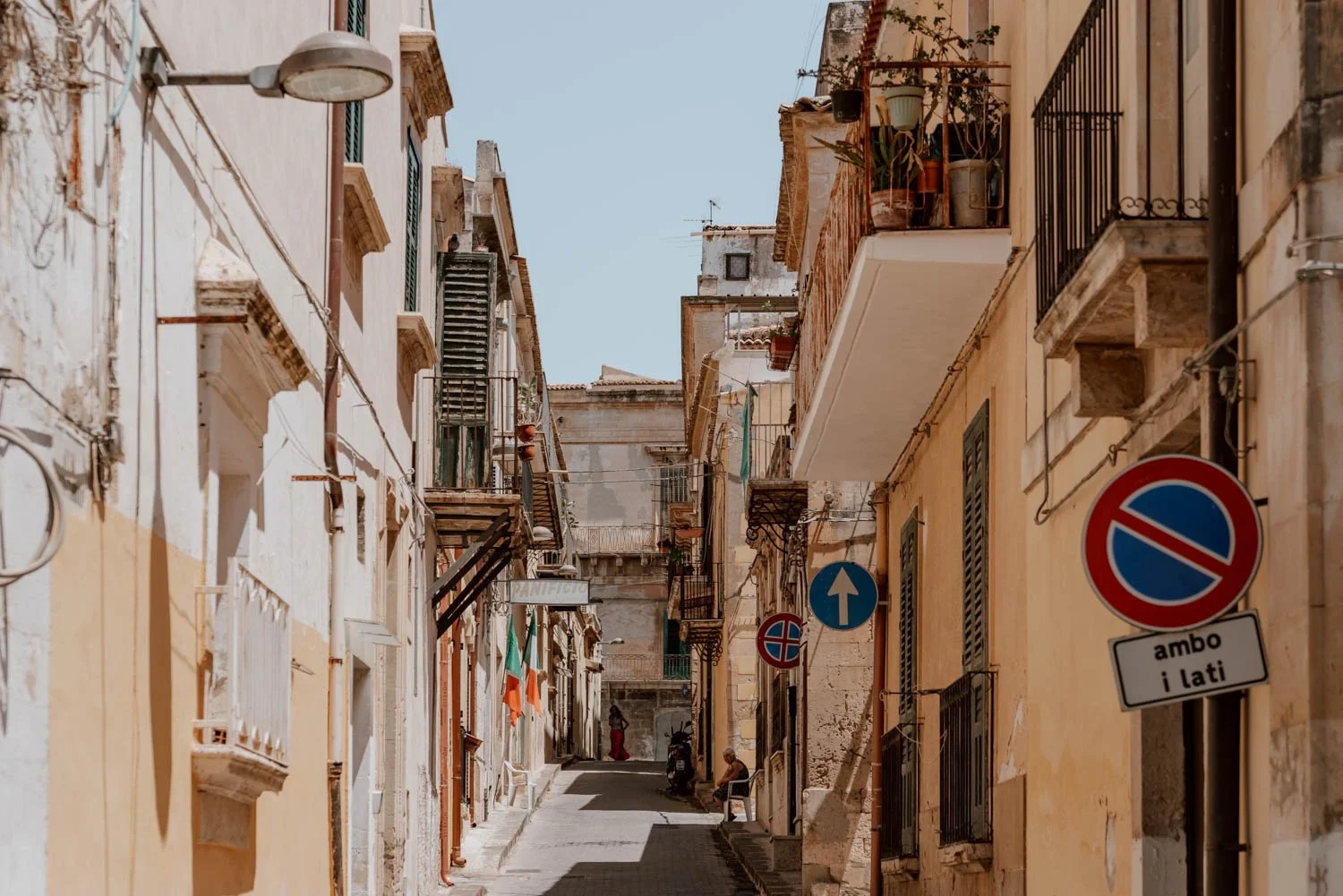
As with most Italian historic centres, parts of central Noto are pedestrianised or covered by a ZTL - a limited-traffic zone that unauthorised vehicles cannot enter. The restricted streets and operating hours can change seasonally, so follow the signs displayed on the day rather than relying blindly upon Google Maps or an old timetable found online.
For first-time visitors, the easiest approach is to enter one of these car parks as your destination before setting off:
Parcheggio Centrale Arluma | A private, video-monitored car park on Via Cavour, close to Porta Reale and the beginning of Corso Vittorio Emanuele. At the time of our latest update, parking costs €2.50 for the first hour, with a maximum charge of €20 for 24 hours.
Città di Noto | Located at Via Cavour 158, beside the public gardens and immediately next to Parcheggio Centrale Arluma. This is an automated, video-monitored car park charging €2.50 per hour, up to a daily maximum of €20.
The two entrances are very close together so don’t be surprised if you arrive and see signs for both. Either leaves you within a few minutes’ walk of Porta Reale.
Paid street parking is generally marked with blue lines, while white spaces are usually free and yellow spaces are reserved for residents, disabled permit holders, deliveries, or other authorised vehicles. Always check the accompanying signs, as restrictions can apply even when the colour appears straightforward.
If your accommodation is inside or close to the ZTL, ask the owner or hotel before arrival where you should drive and whether your number plate must be registered. Do not assume that being a guest automatically permits you to enter.
Obviously, parking becomes considerably busier during Infiorata, summer weekends, and evening events, so arrive earlier or confirm an alternative with your accommodation if visiting at one of those times.
Travel Better in Sicily
13 Wonderful Things to Do in Sicily
Our Eastern Sicily Itinerary For Independent Travellers
Syracuse and the Island of Ortigia | An Essential Travel Guide
Other Val di Noto Towns | Modica, Catania & Ragusa
Where to Find the Best Beaches in Sicily
How to Spend a Day (Or More) in Taormina
Your Perfect Western Sicily Road Trip Itinerary
15 Essential Things to Know Before Driving in Sicily
Visiting & Hiking Mount Etna | A Complete Guide



An Italian city unlike any other, Naples take many people by surprise. Get ahead of the crowd with our essential things to know before you visit Naples, Italy.