



11 Wonderful Things to Do in Sifnos | Greece’s Foodie Island
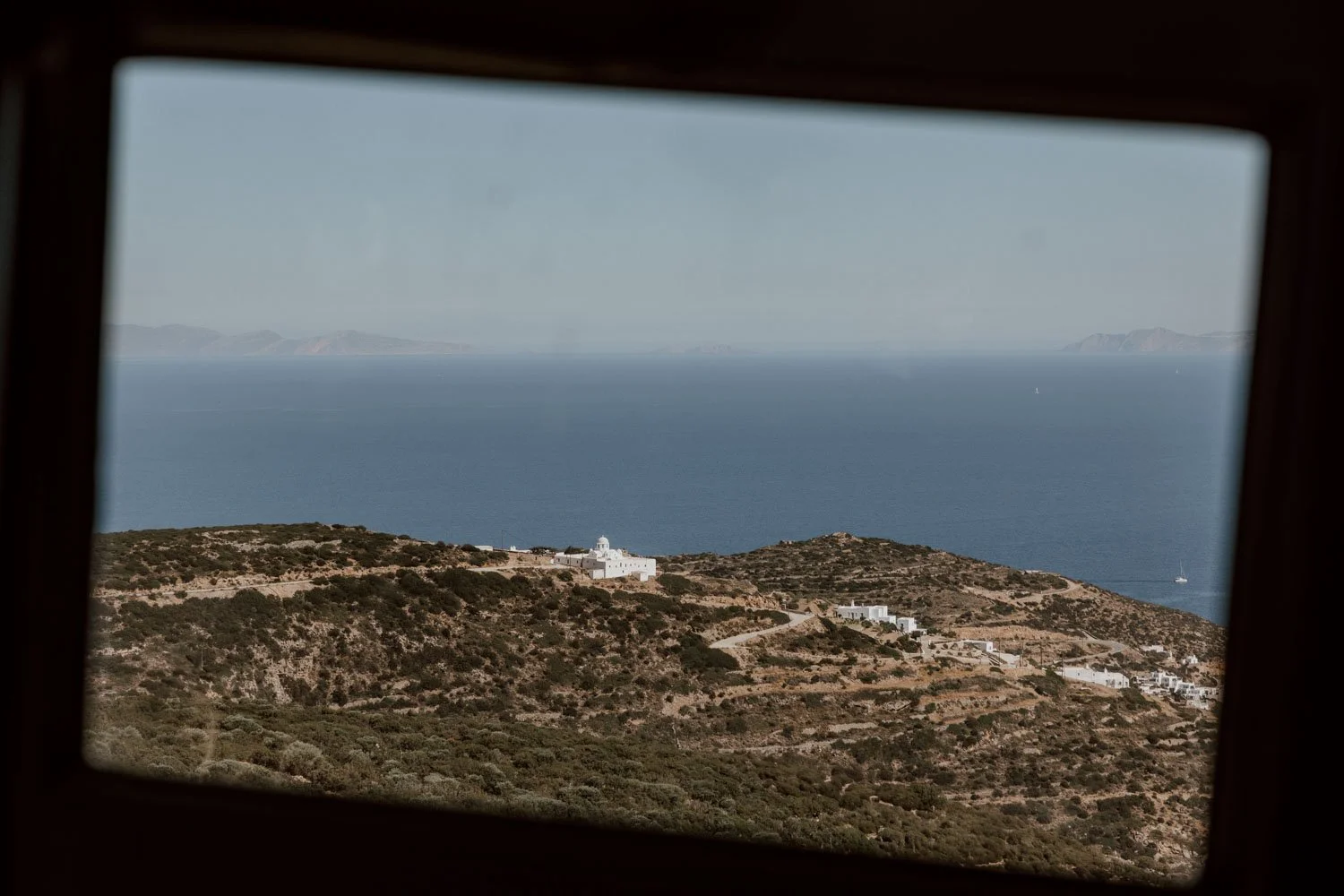
Most arrive with plans to devour.
This small Greek island, just a few hours by ferry from Athens, is the one that foodies drool over, planning their days around advance reservations and tasting menu rhythms: a scoop of pale soft cheese atop afig and honey salad, the subtle tang of delicately sliced ceviche, the steam from chickpeas slow-cooked in a clay pot.
Sifnos' status as the ‘culinary capital of the Cyclades’ is, undoubtedly, the headline draw: the reason it gets penciled onto an itinerary well before better-known islands do, the tie-breaker when one's choosing between three whitewashed dots on a map.
The Epicurean reputation is only part of the appeal though, and one doesn’t require deep pockets and a discerning palate to eat and travel well here.
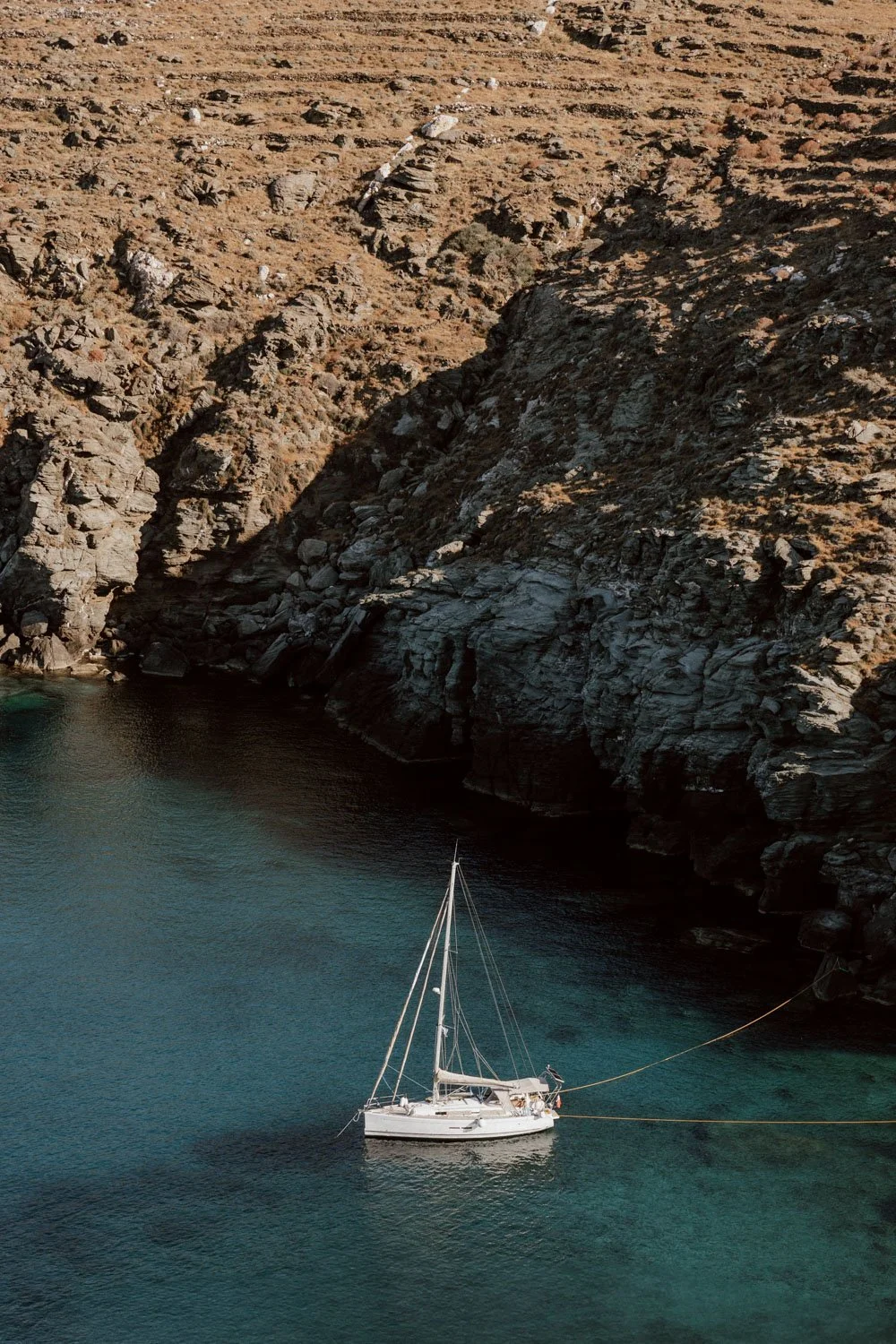
Punchier, classier, and easier to explore than several big-hitters in the Cyclades, yet less wild and rugged than others that go under the radar, Sifnos strikes a rare balance. The southern trio of easy access sandy beaches appeal to those simply looking to relax and swim in divine waters, whilst the ancient dusty trails that criss-cross its craggy hills and layers of stepped terraces offer something for those who prefer to work up a sweat. In the evenings, the narrow painted streets of its hilltop villages are a pleasure to stroll and dine within. There's no cruise-ship crowd elbowing for the same table, no strip of mass-market hotels competing for the same stretch of coast - just tasteful tavernas filling slowly, and people who seem to know exactly why they came.
In this Sifnos travel guide, we’ll share all our favourite places and experiences on the island. The best beaches and swimming holes, sunset spots, cocktail haunts, photogenic villages, and the restaurants to prioritise. There’s a sprinkling of accommodation recommendations throughout, whilst at the end of the post we’ll cover how best to get around the island and some hard-earned practical tips to help you travel better there.
This is 11 wonderful things to do in Sifnos.
The Sifnos Essentials
Arrive / By ferry from Athens or nearby islands - no airport
Unwind / On the beaches by Faros
Eat / At Omega3, Stiadi, and Drakakis
Hike / Trail 4 to Paralia Fikiada
Drink / Late in Apollonia
Do / A proper beach day in Platis Gialos
Enjoy / Sundowners and supper in Kastro
Venture / North to Cheronissos
Book / This cheese-making & farm dinner experience
Rent / A scooter or car to get around, or take the bus
Watch / Sunset from Agios Symeon
Stay / We stayed in the lovely Artistic Couples Retreat in Apollonia but if you’d prefer something by the sea, be sure to check out Psarona, Our Little Boathouse, Verina Terra, or Eutopia Suites. Groups will love La Mer
The Best Things To Do in Sifnos
A Faros & Fassolou Beach Day…
A cursory look at the map of Sifnos shows a distinct southern bias when it comes to beaches.
This is largely because the north-facing coast can get battered when the summer meltemi winds swirl up, whilst the bays folded into the southern shoreline - all dents and inlets, bays and crooks, tiny bites out of this delicious island - remain calmer, more protected.
The plans of most travellers on most days therefore revolve around heading down (or along) to one of Faros, Vathi, and Platis Gialos
Time at all three will feature on any meaningful Sifnos stay, but we think Faros is one that everyone should set aside at least a half-day to savour.
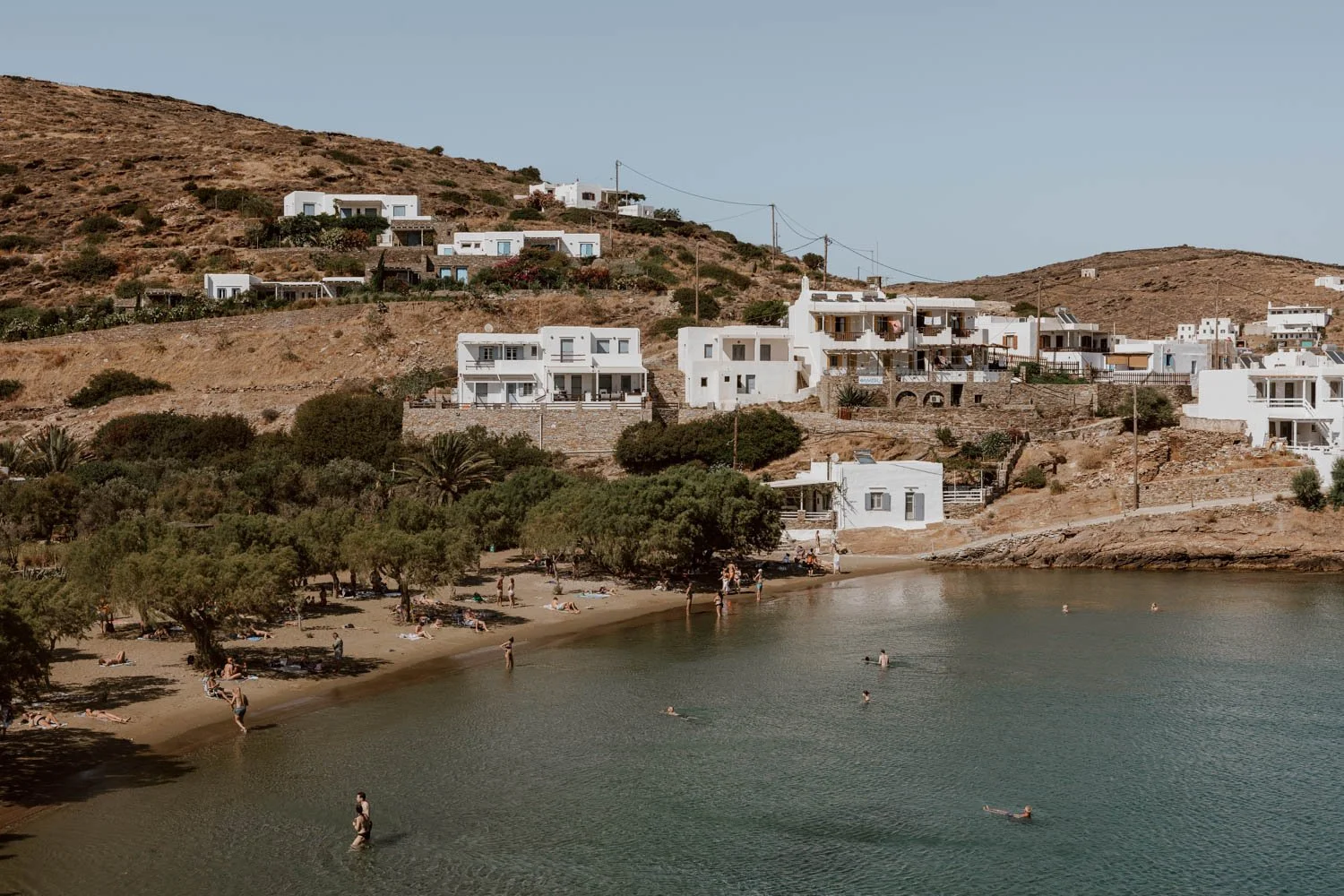
The concrete working harbour and scrubby patch of central beach won’t give the best first impression on arrival, but the key to leaving with a far better one is appreciating that this is your start point, rather than an end in itself.
Wander up and through Faros’ small whitewashed cluster, and you’ll arrive on the very chilled out Vlichó / Glyfo beach (maps). Backed by the skeletons of some curiously abandoned houses, there’s little here except mocha-coloured sand, perfectly positioned tarmarisk trees offering shade, and shallow, calm waters to swim out far.
It’s very Greek, and ideal for a few hours or more on your beach blanket.
Walk in the other direction from the harbour, and you’ll arrive on Fassolou beach (maps). Even quieter and more secluded than Vlichó, it’s very similar in terms of aesthetic and atmosphere. The presence of a large slab of rock and poseidon oceanica (seaweed) on the seabed may deter some, but the water and swimming remains utterly divine on calm days and we loved our post-lunch time there.
Eat & Drink / The big decision in Faros isn’t choosing which beach to spend time at - you can easily enjoy both Vlichó & Fassolu in the same day - but rather choosing where you’re going to have a long, slow lunch. Indeed, the options are so good now, that you could certainly make the case that it’s worth considering two beach days here…
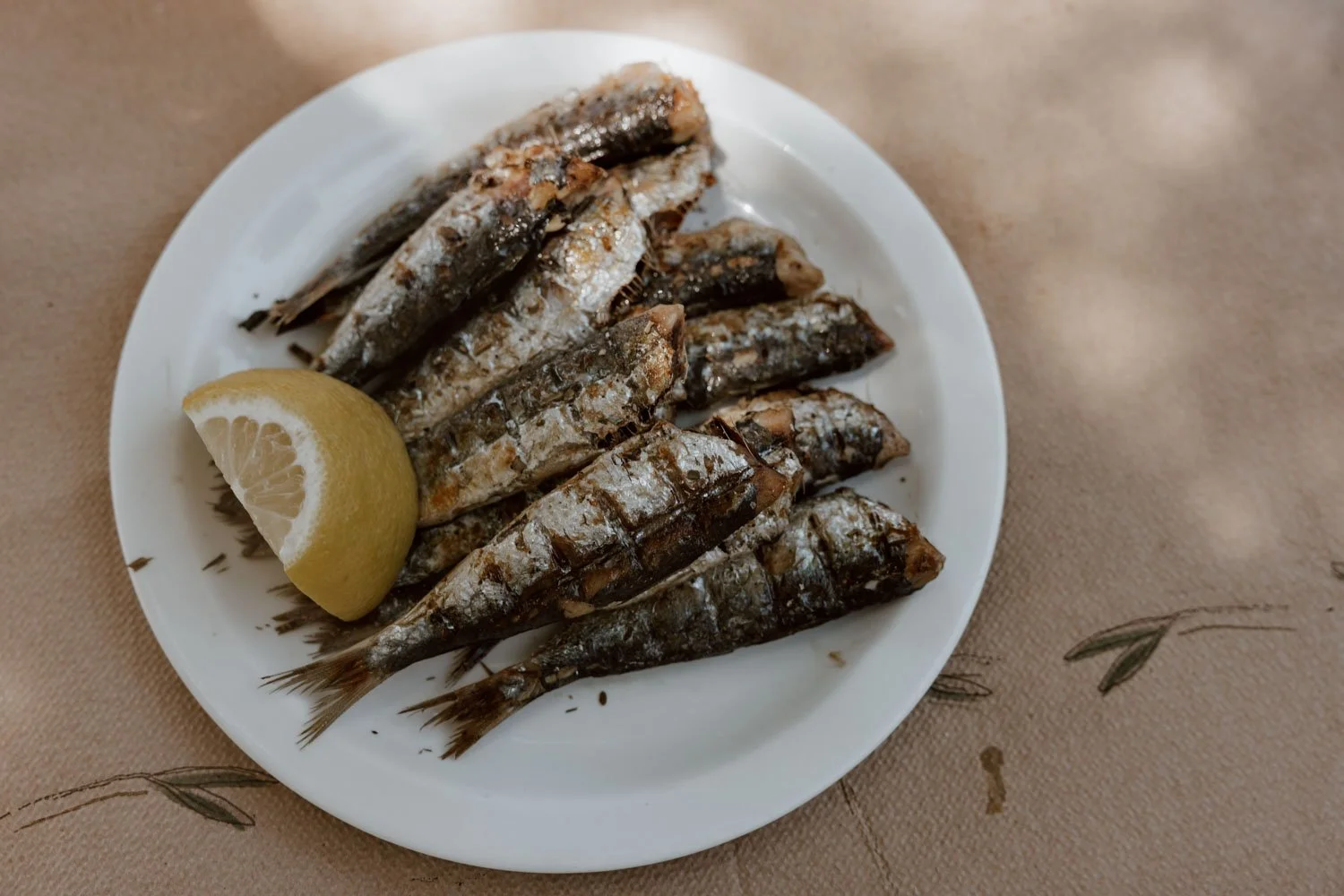
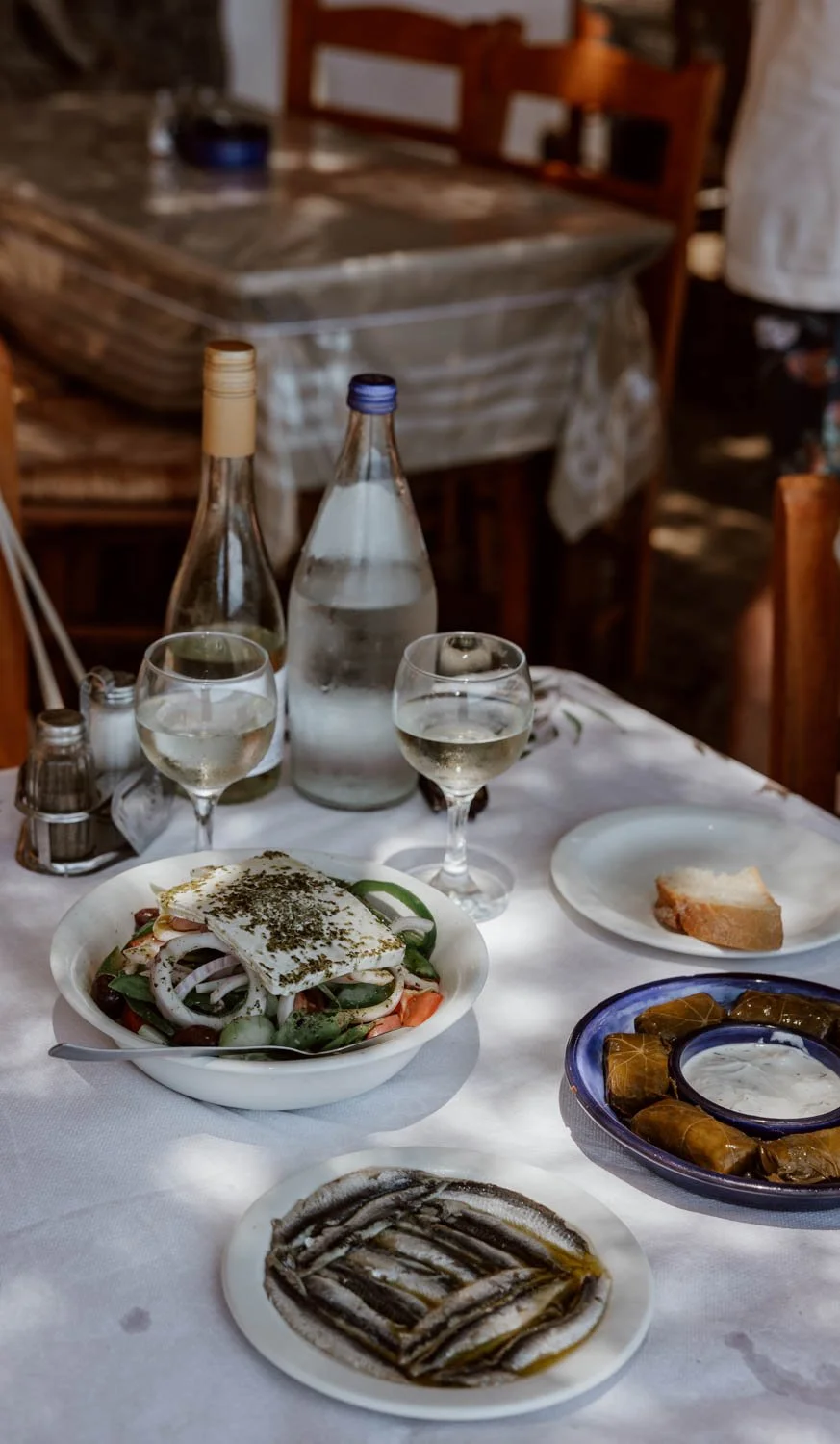
We had a fantastic experience atFasolū Restaurant (maps), with perfectly grilled sardines and the best fava beans we've ever had being particular highlights. Though not right on the sea, it’s in a lovely open-air setting just steps from its namesake beach.
Back in Faros, the recent introduction of Pelicanos (maps) offers an alternative chance (or second opportunity) to taste the creations of Giorgos Samoilis - more on him to come though. Neighbouring Alyelo (maps) also has tables on the sand and an upper section, and we had excellent sundown cocktails there. This pair are both destination restaurants for lunch and dinner, and more suited to those looking to spend a bit more.
Alternatively, you can opt for a more traditional taverna experience with a great view over the water at Angie’s Seaside Restaurant (maps) or the long-time favourite of Limanaki Fish Tavern (maps).
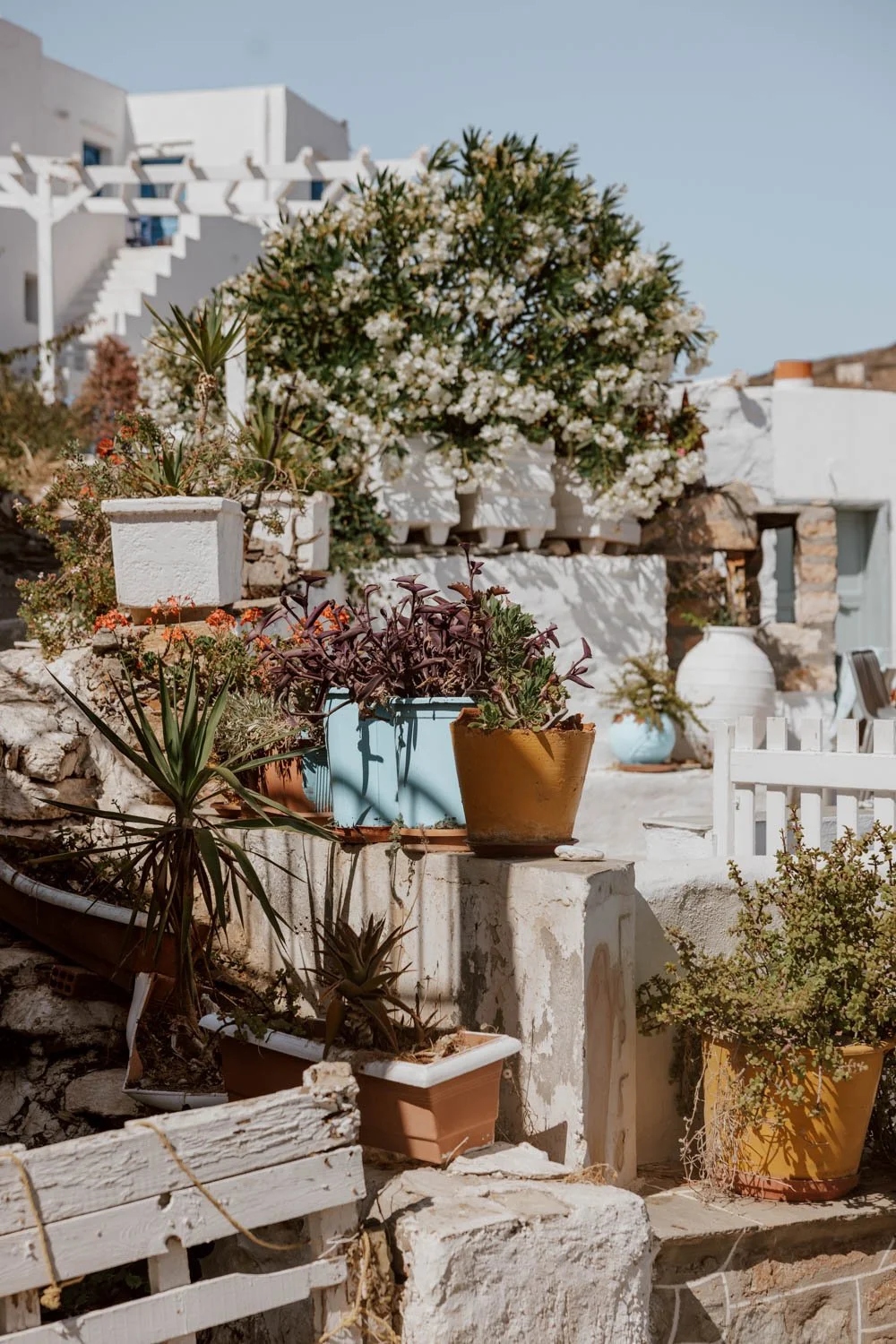
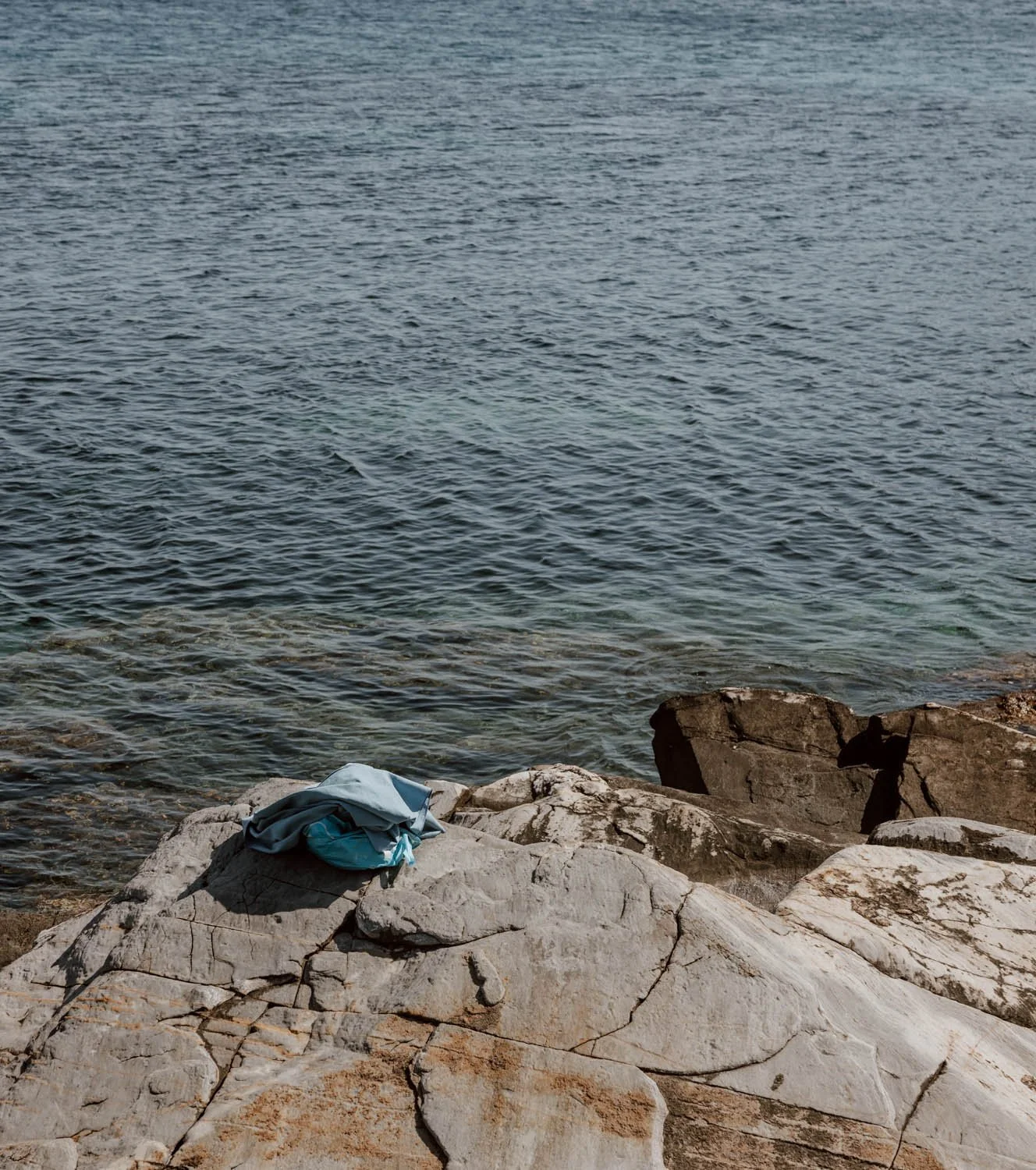
Know / For beach snacks, coffees, or pastries head to Captain George and mini-market, or the newer Betty's Bakery. Whilst you can get takeaway drinks from Fasolū Restaurant, there’s nothing on or near Vlichó.
There are also several free straw umbrellas, but these may be charged for in peak summer. If you prefer a concrete platform to lay on, you’ll find a small one accessible from the path to the monastery.
Arrive/ On the south east of the island, there are three or four morning bus departures from Artemonas and Apollonia to Faros (φάρος), and the bus stop is conveniently located steps from the harbour (maps).
If driving, you should park up in the free, large, and dusty car park (maps). It’s worth mentioning that you can drive Fassolu, and there’s a small car park behind the beach.
Stay/ You won’t really find hotels in Faros, at least not in the traditional sense - that is with the exception of the utterly stunning NÓS Hotel & Villas, one of the most beautiful places to stay on the whole island (but yes, with a price point to match).
Most people staying here will thereofre choose to opt for a house or an apartment. We particularly love Psarou and Our Little Boathouse but Elia is a good option if you’re travelling as a family.
Find the perfect base and place for your travel style in our Where To Stay in Sifnos guide.
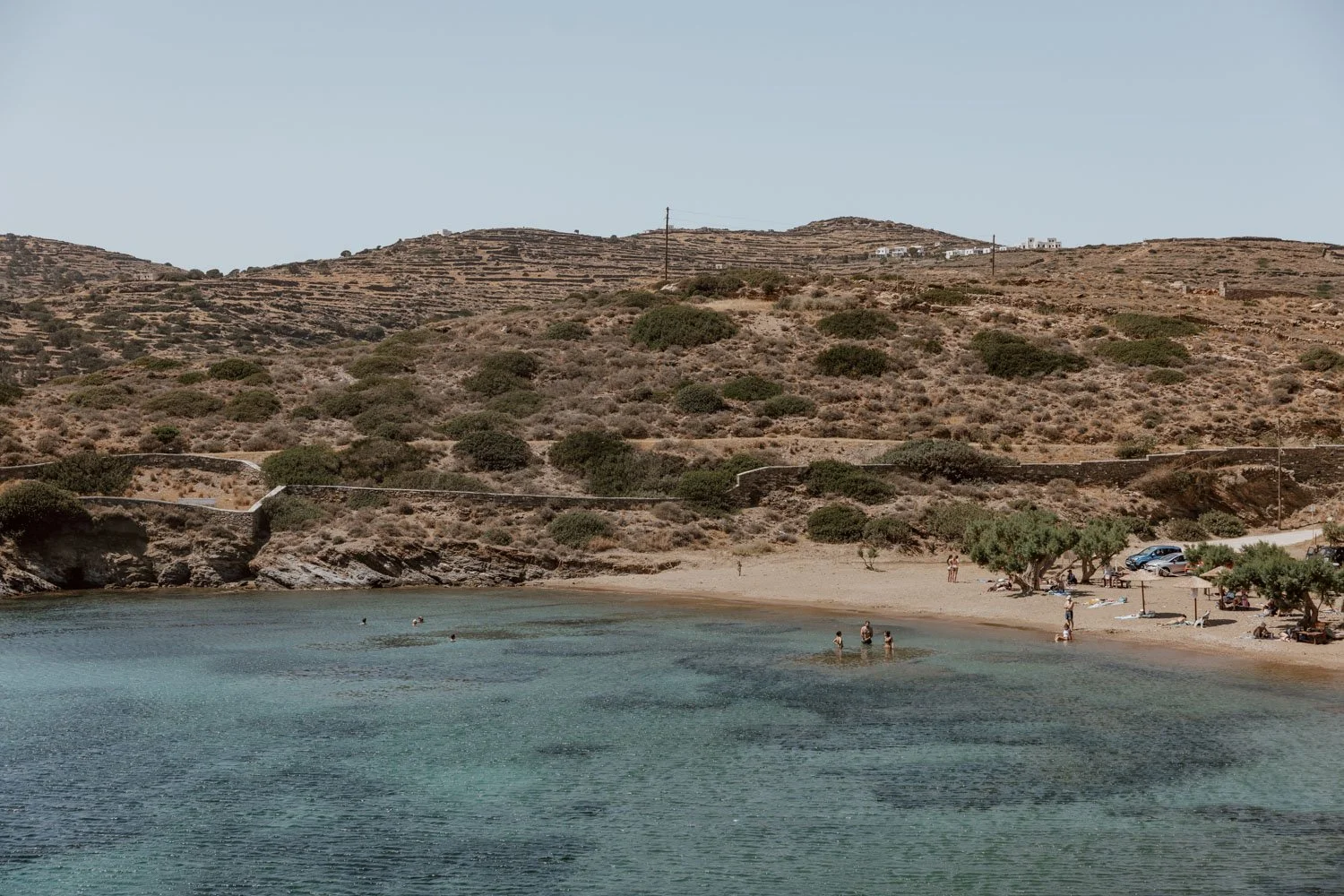
Devour The Flavours of Sifnos
Two chefs separated by a century helped make Sifnos synonymous with great food.
The first was Nikolaos Tselementes, born here in the village of Exambela. His 1932 Odigos Mageirikis cookbook became a fixture in homes across the country, guiding generations of cooks and helping define the nation’s dishes. So influential was he, that a tselementes is now the general word food a book of receipes in Greek.
The second is Giorgos Samoilis, former head chef at Omega3 and co-founder of Cantina. The creative approach of these restaurants has elevated the island’s foodie reputation into new territory in the last few years, burnished by the Obamas, Jeff Bezos, and movies stars dining at his tables.
As we mentioned, this reputation, generational culinary traditions, and exceptional local produce make food the main ingredient for many of the island’s best experiences. Some now travel to Sifnos with the sole aspiration of securing a table at Omega3 or Cantina, but they are only part of the story. Indeed, from our personal experience, one of Sifnos’ greatest strengths is how consistently well you can eat, whether you’re sitting in a celebrated restaurant or a family-run beach taverna that’s been serving the same dishes for generations.
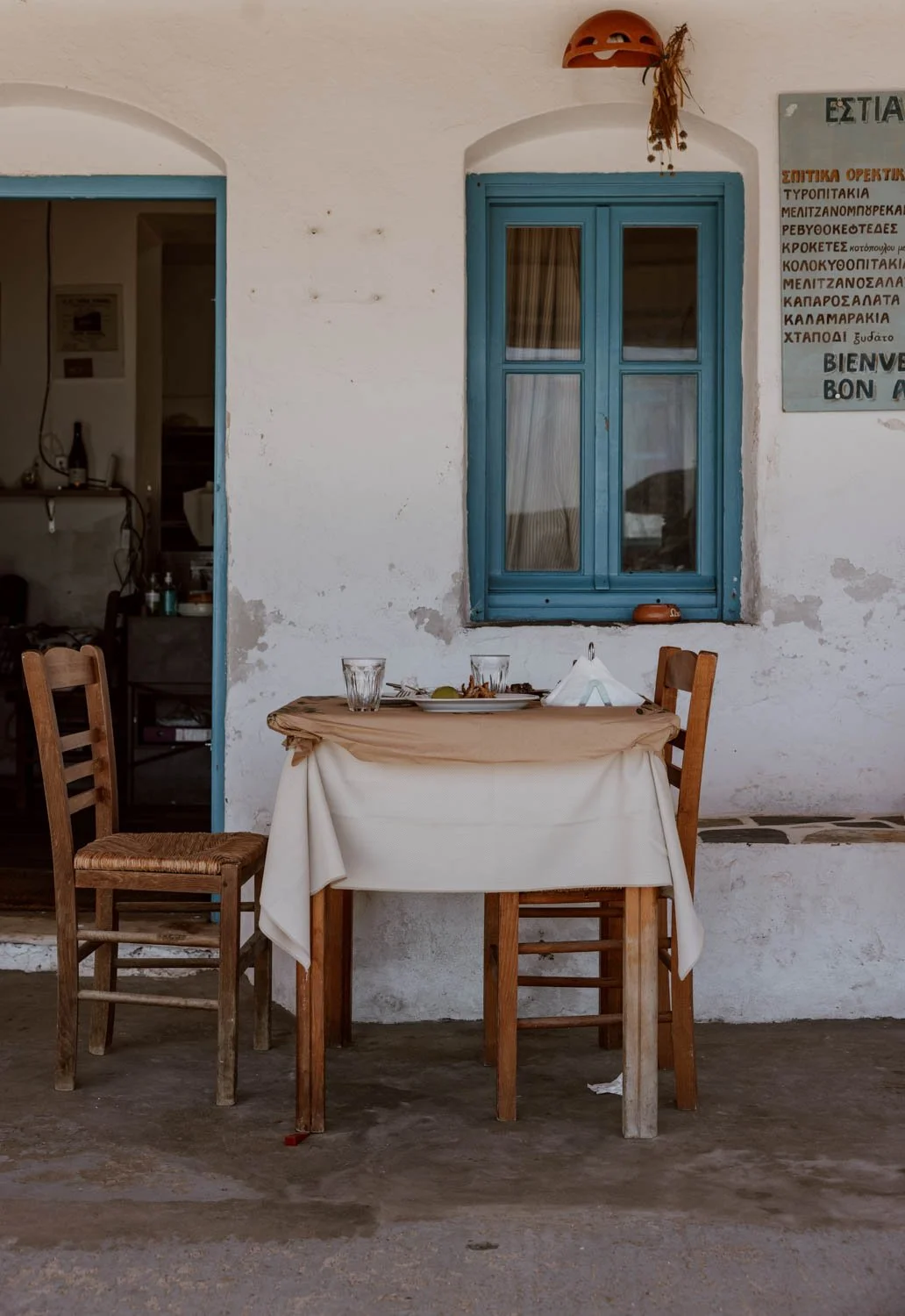
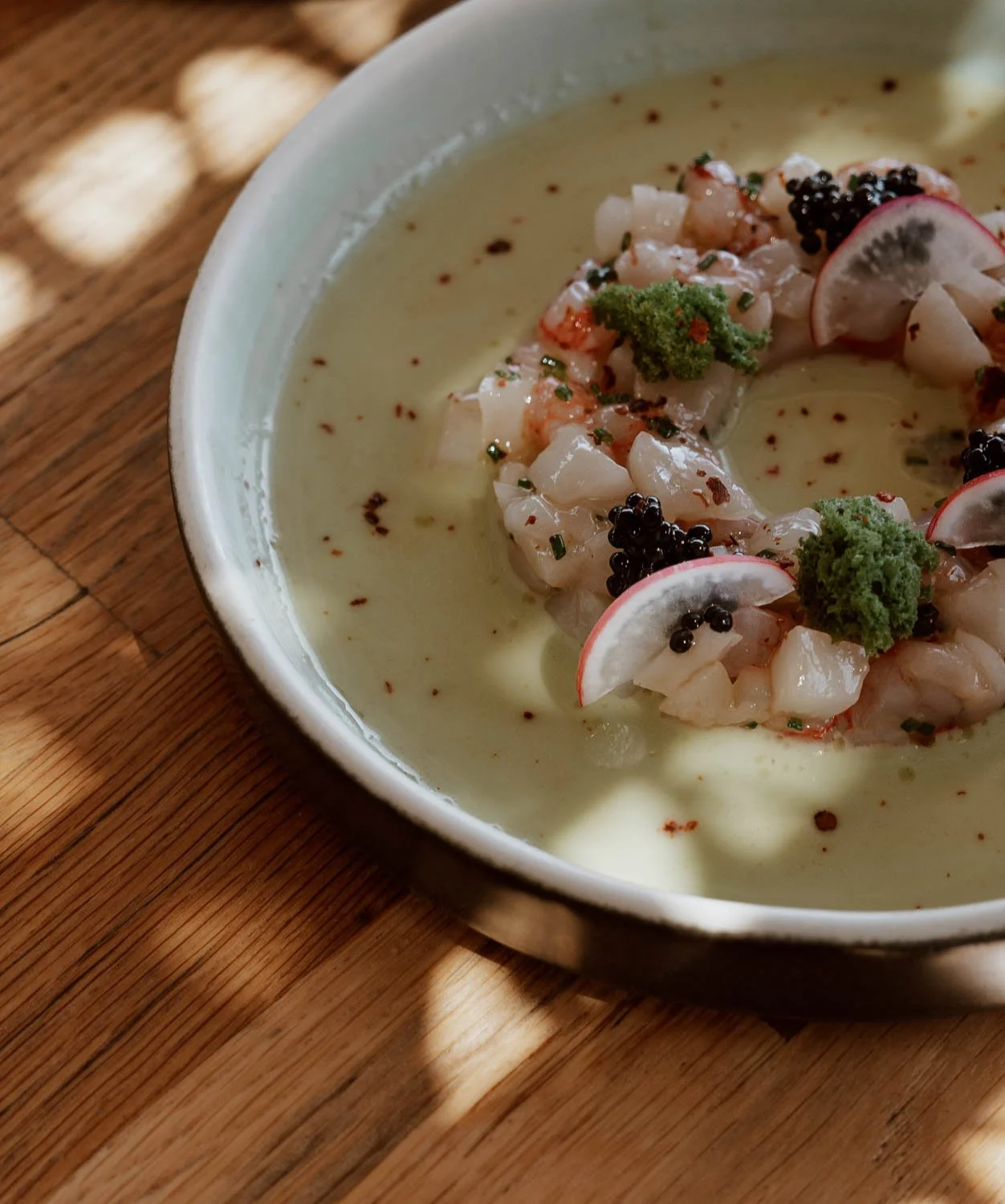
With that in mind, we’ve sprinkled our personal restaurant recommendations throughout this post, but here a few things worth knowing before you arrive:
· Revithada is one of the local dishes you shouldn’t leave without trying - the signature slow-cooked chickpea stew, traditionally baked overnight in a clay pot. For meat-eaters, mastelo is Sifnos’ classic Easter dish, but it’s now enjoyed year-round: lamb or goat braised slowly with red wine and dill. Manoura is the distinctive yellow, hard cheese, aged in the the sediment of red wine.
· Cantina, intentionally placed in a difficult to reach spot by the sea below Kastro, is the superstar. The philosophy of its tasting menu is hyper-local and seasonal (€80-100 pp, drinks not included), and there are three seatings at 4pm, 7pm, and 10pm. A reservation is 110% necessary and needs to be made as far as advance as possible via Whatsapp - find details on their website.
· We loved every bite and slurp of our lunch at Omega3 - where an advance reservation is also essential - and we’ve shared more specific info in the Platis Gialos section below.
· Greeks eat out later than most (9pm to just before midnight being the sweet spot), and it’s a good idea to try and adopt the custom if you want the most convivial atmosphere. Whilst eating out at around 7pm may improve your chances of getting a table, just note that it offers a different atmosphere. That being said, for families with young kids, sitting down earlier probably offers benefits.
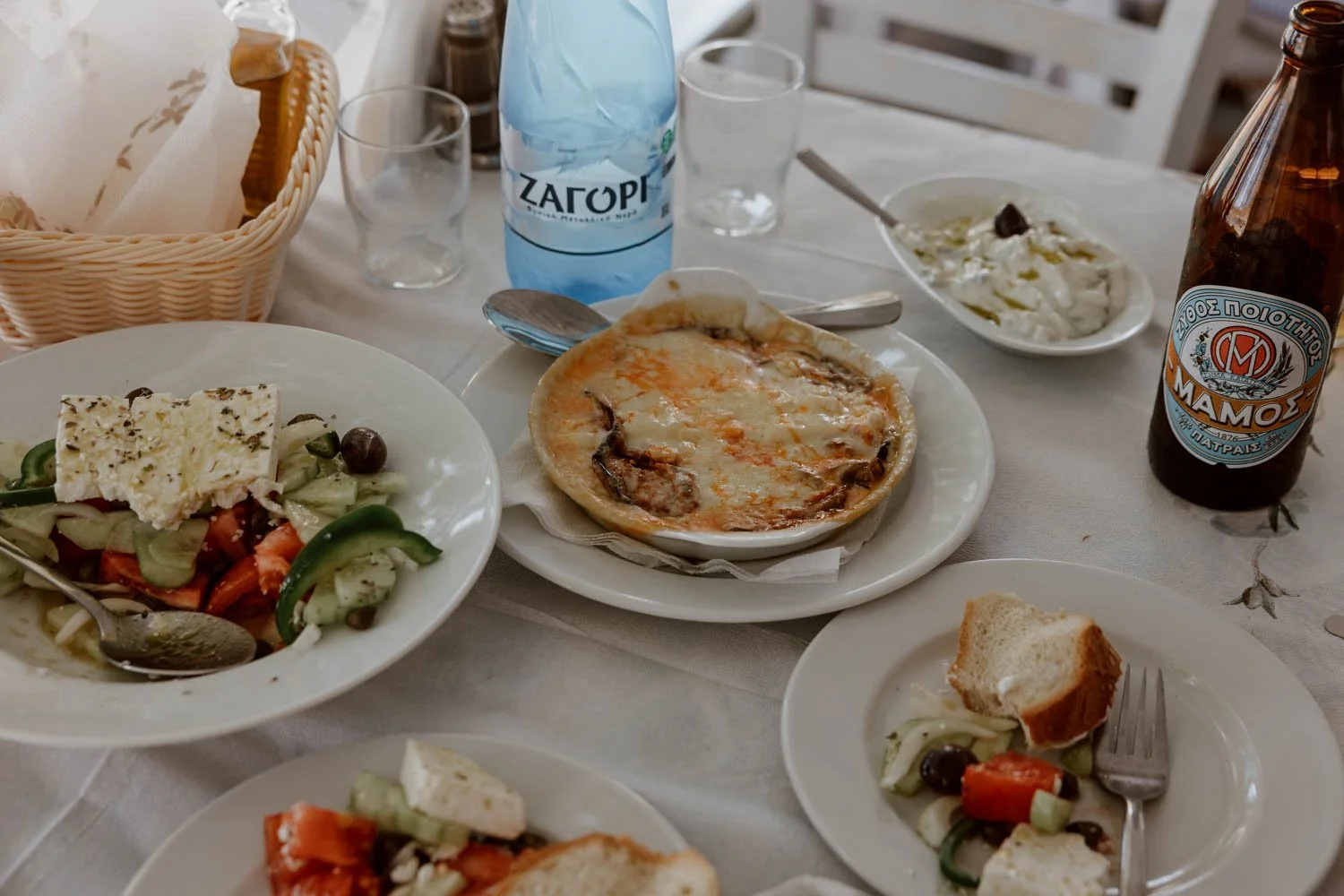
· In June, we didn’t reserve a table anywhere except Omega3 and never had to wait more than a few minutes. This was perhaps down to good fortune, but we wanted to reiterate that your trip planning doesn’t have to revolve around no spontanaeity or being drawn in by a menu or envionrment you stumble upon. For large groups at dinner in July or August though, it may be a good idea to book.
· Enjoying Sifnos absolutely doesn’t all have to revolve around ‘essence of this’ and an ‘innovative use of that’. Some won’t have the interest, others may not have the budget, and the requirement for advance reservations made months out may rule it out for those who have both means and motive. Nor do you have to feel pressured to eat or spend a small fortune the the same places as everyone has told you about, or base your whole itinerary around them.
Our suggestion though - especially if your budget is more limited or you’re more of a Heinz over a haute-cuisine sort of person - is to try to choose at least one place from above or our reccos to get a spot, and view the splurge and the flavours as much a part of the travel experience as the beaches.
Beyond that, a gyros or two is perfectly acceptable, and long, slow lunches at any beach taverna you are happy to walk to when you need a break from the sun.
Travel Tip // The three-day Cycladic Gastronomy Festival “Nikolaos Tselementes” takes place in Artemonas every September (17th-19th in 2026).
Hang Out at Platis Gialos & Eat at Omega3
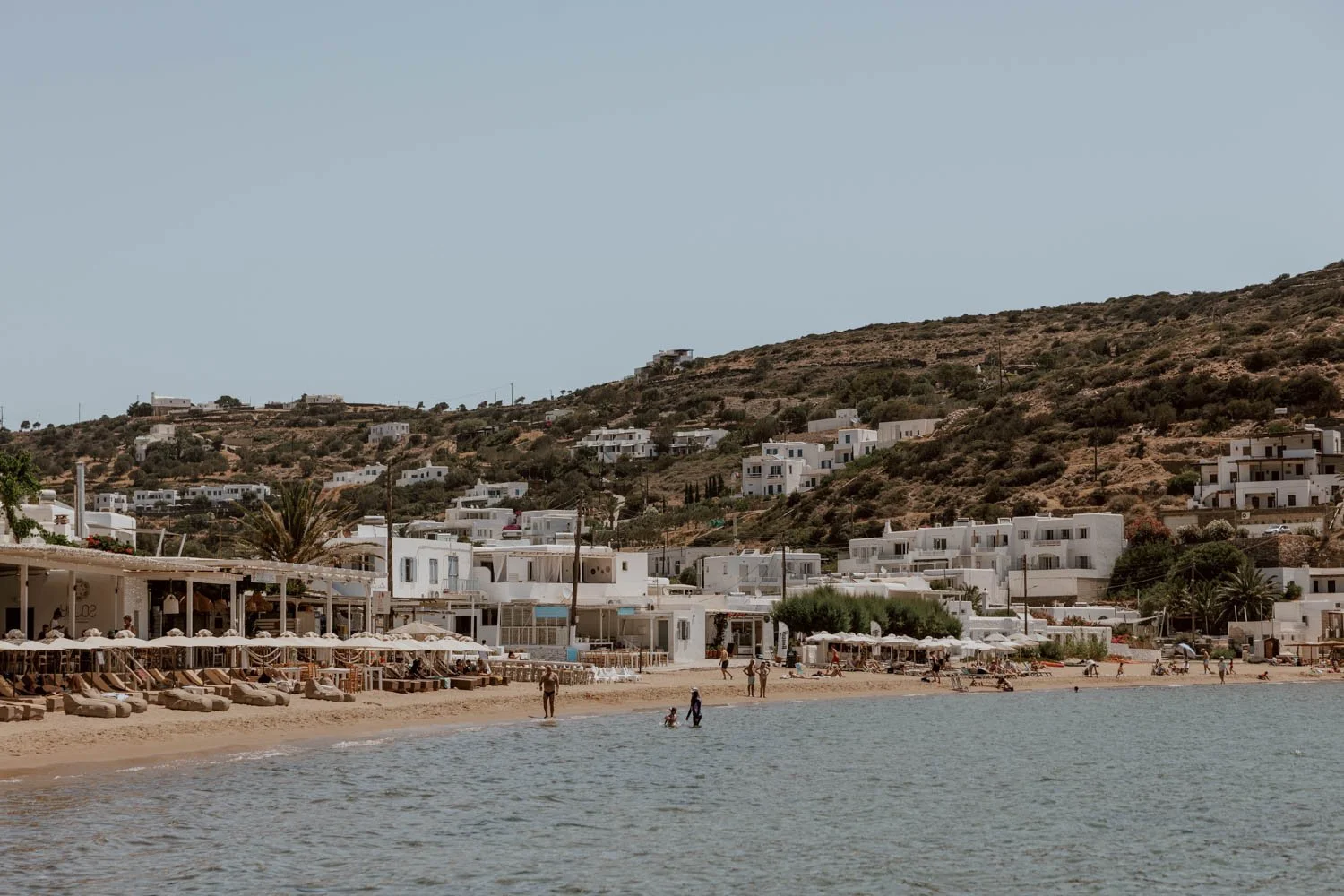
When we say Platis Gialos is the nearest thing to a 'resort town' on the island, it's important to appreciate that we're speaking on a Sifnian scale: this is a million miles away from the built-up, high-rise hotel version that term may bring to mind.
This long stretch of dark honey sand on the south coast is certainly the biggest, and probably the most popular beach here. There’s a few beach clubs plus several cafes and restaurants right on the sand, so you never have to go far to meet your freddo espresso, cold beer, snacks, lunch, and 'is it too early for a cocktail yet?' needs.
The water is like a swimming pool and, with boats anchored farther out, actually feels more open and expansive than elsewhere.
If you prefer a sunlounger, convenience or just little more oomph on your beach days, then this is a good choice.
Yet, despite its credentials as one of the principal bases and most popular spots, it’s the presence of Omega3 that draws many travellers (as well as movie stars and the odd billionaire) toward Platis Gialos. If you weren't aware of the reputation, it would be easy to assume from its unassuming appearance that it's simply a standard beach restaurant but, as mentioned above, we can personally attest to the fact that it’s definitely deserving of your time.
The only trouble? Making sure you can get a seat.
We managed to get a table with just 24 hours’ notice for a late lunch at Omega3 in June, but the waiter said that wouldn’t be almost impossible in the July and August peak season. If eating there is a big ticket item on your Sifnos itinerary, then you should definitely reserve on their website once you know your dates.
A couple of important points to note: the ambience at lunch was refreshingly informal, and you can just turn up in your beach shorts and a shirt, but we imagine the evening will have a slightly fancier vibe. Lunch service is on the shared high tables and benches, with the tables on the sand only available in the evenings. Personally we loved the contrast of having food of this quality in a casual beach daytime environment but, given the prices, we appreciate that some doing it for a special splurge may prefer to go for dinner.
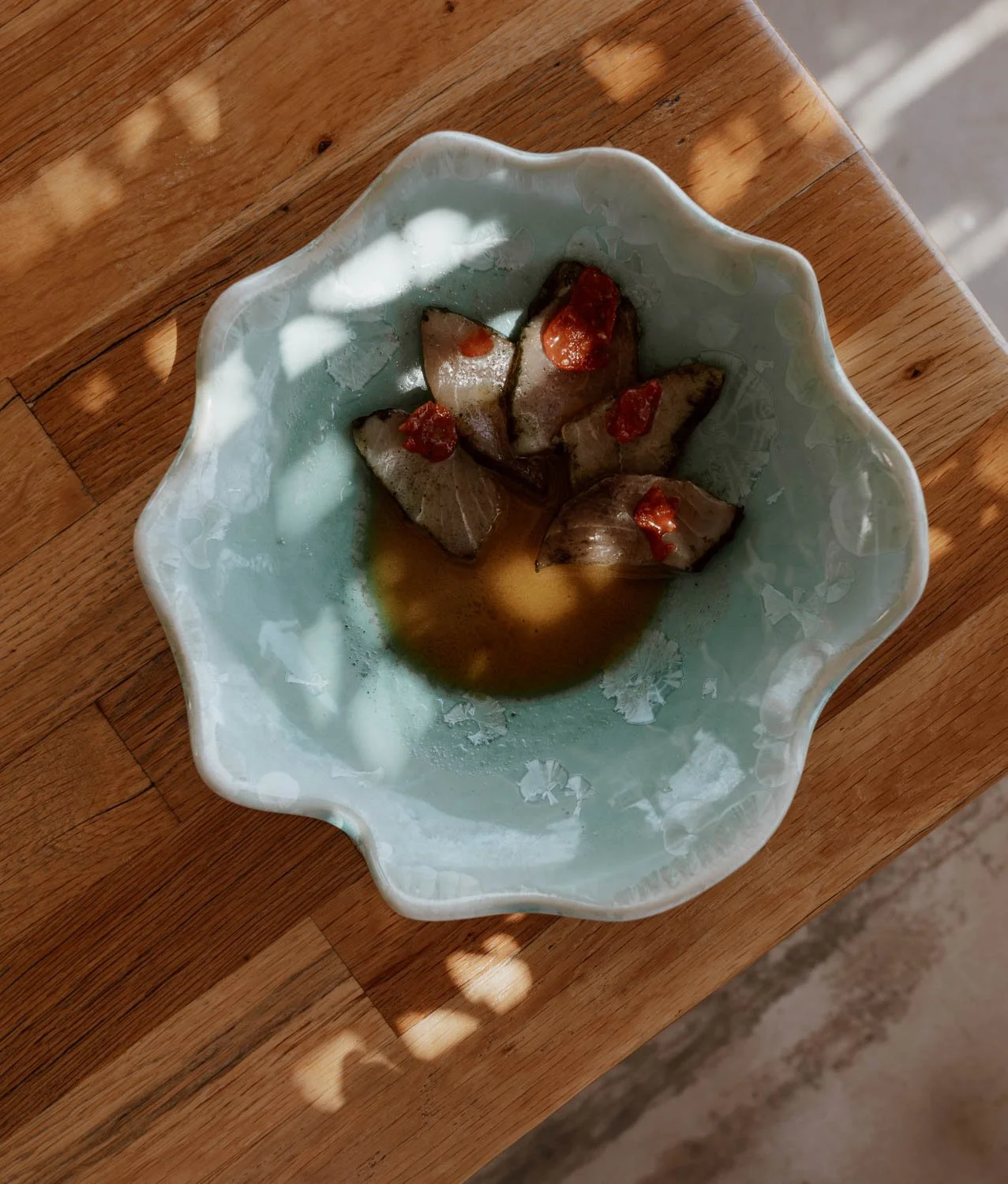
The menu is split between raw, umami, and warm plates, and the emphasis is on sharing. If you’re not au fait with raw fish dishes, the staff were all super friendly and knowledgeable, so don’t feel intimidated or settle for the safer option! Our six shared plates, two glasses of delicious Attican wine, and a bottle of sparkling water came to €144. If it’s on the menu, we highly recommend the red snapper aguachile or ceviche.
Eat & Drink / It's isn’t just about Omega3 here though - and the number of food options are a factor in why Platis Gialos will be an excellent base for some travellers.
NUS is open from 5pm, and has a modern foodie menu split between land and sea. It's got a great setting too and, if we'd been based in Platis Gialos, eating here would have been a priority one night.
Yalos and Maiòlica are two upscale lunch alternatives if Omega3 is full, whilst nearby To Steki offers a more affordable traditional Greek taverna by the sea experience (and an Instagram follower highly recommended it).
Palmira is a popular hangout offering up all-day brunch, burgers, and sandwiches, with locals often using its white plastic chairs as a de-factor base on the beach.
At the other quieter southern end, you'll find Almyra Seaside Beach Bar & Restaurant (9am-6pm only)
For beach snacks, pies, and cold drinks etc, there's Theros bakeproject, the Votsalo Grocery Store, whilst Julius Gelato has sweet treats and good freddo espresso (lovely staff too).
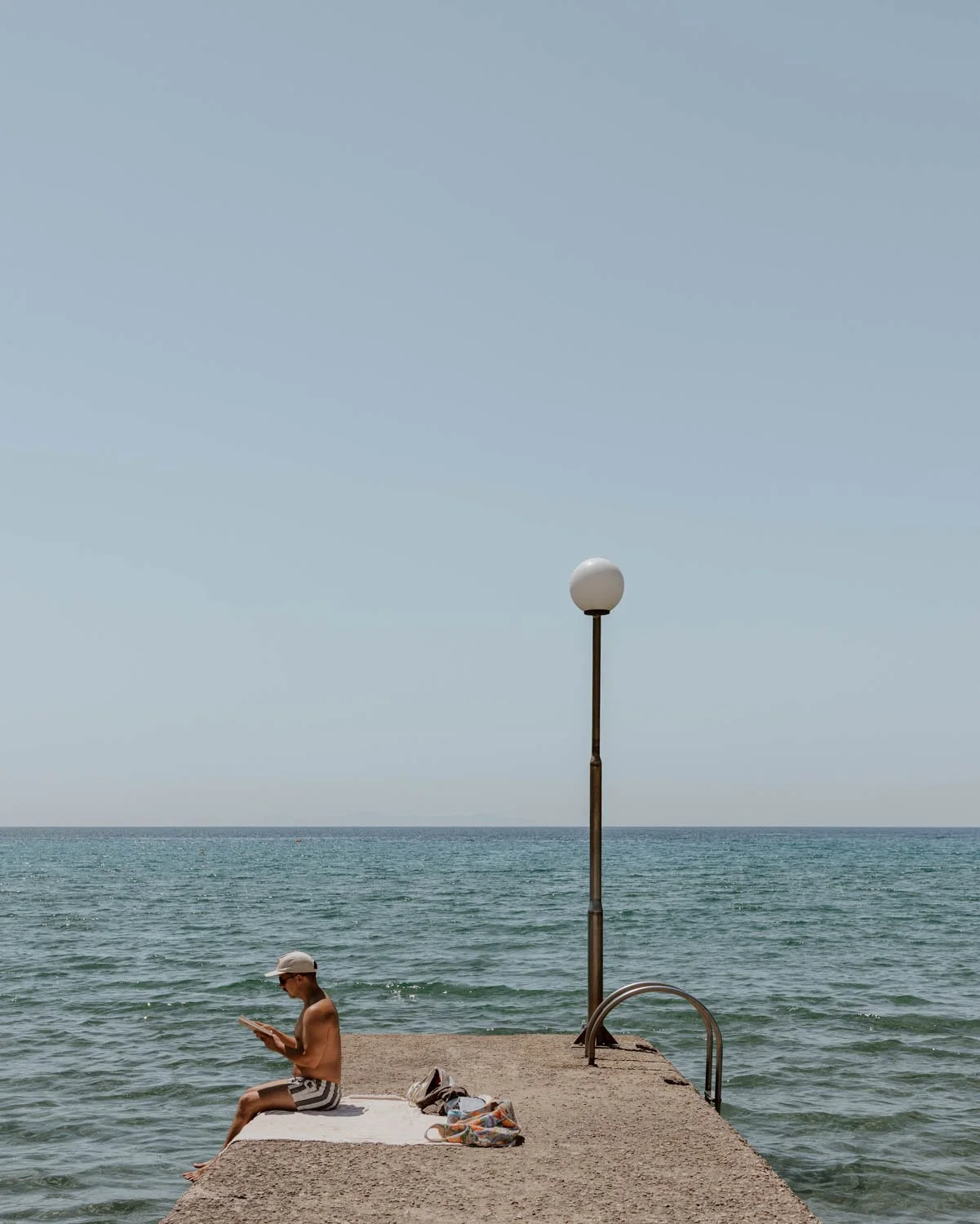
Know / Though long, the beach is really quite narrow in some sections, there are few trees, and it’s a little dishevelled in parts, so it may take a moment to find a really good free spot to lay your towel down. This is why we were only too happy to spread out on the concrete jetties - but make sure to leave space for people to use the sea steps!
The widest and busiest section of the beach is up on the Omega3 side, and it’s notably quieter at the other end.
Platis Gialos has a greater number of sunbeds and umbrellas to rent than other Sifnos beaches, but prices reflect its status. For daybed vibes on the sand and several decks, Lost Bay is probably the coolest spot (€60 for a pair of sunloungers), whilst Yalos would be another good choice if you’re want to have a decadent holiday day.
Whilst very family-friendly, we think Platis Gialos generally leans a little younger and trendier, but it’s long and dispersed enough to absorb all styles.
Arrive / For those exploring by car or scooter, the main free car park is just a few steps from the beach (maps)
You can easily reach Platis Gialos (also spelled Platy Yialos) from Artemonas & Apollonia with the hourly bus service, which sets off from Kamares in peak months (see timetable here)
If staying elsewhere and not renting your own wheels, then you'll have to catch a bus to Apollonia then connect to the Gialos service.
A single road runs parallel to the beach in Platis Gialos, and bus stops in three places along it. The ayudante calls each one out, and the second is best for the middle of the beach; it mostly only matters if you're arriving with luggage. For the return, the bus picks up at all three stops, but in peak season, your safest bet for timing and a guaranteed seat is to wait at the stop opposite the Miles Away Travel office (maps)
Stay / Perhaps unsurpsigninly, there are a huge number of accommodation options in Platis Gialos. Verina Terra and Enalion Suites are two exceptional hotels, but if you’re looking for something more mid-range, Ammos Sifnos Village, Almyra Seaside Suites and Lodge Narlis are excellent alternatives.
If you’d prefer a standalone house or self-catering apartment, you’re also spoilt for choice. Groups need look no further than La Mer, couples will love Aerina, Eleonas and Turquoise but for a tiny, characterful stay, don’t miss Merope.
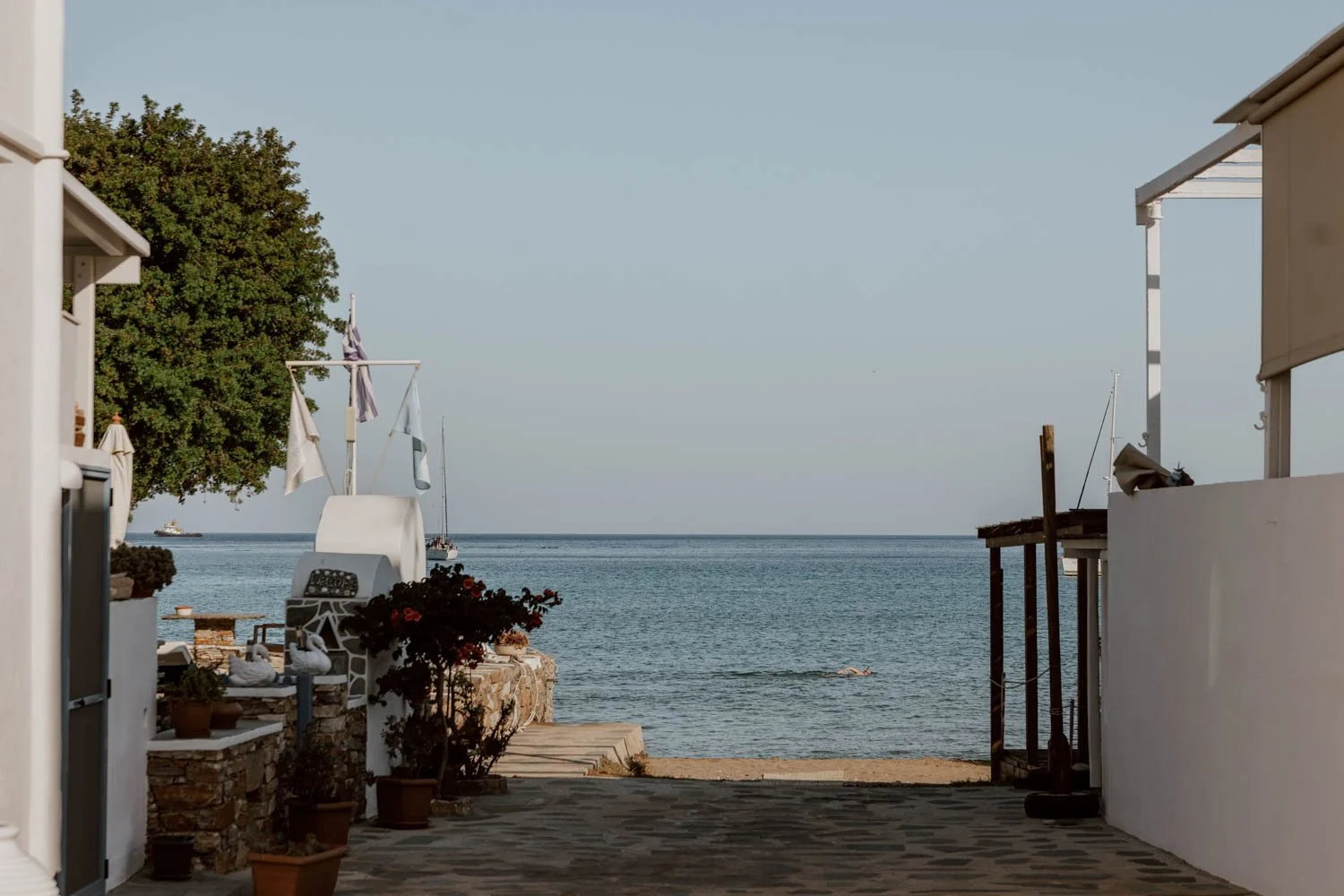
Those Apollonia Nights
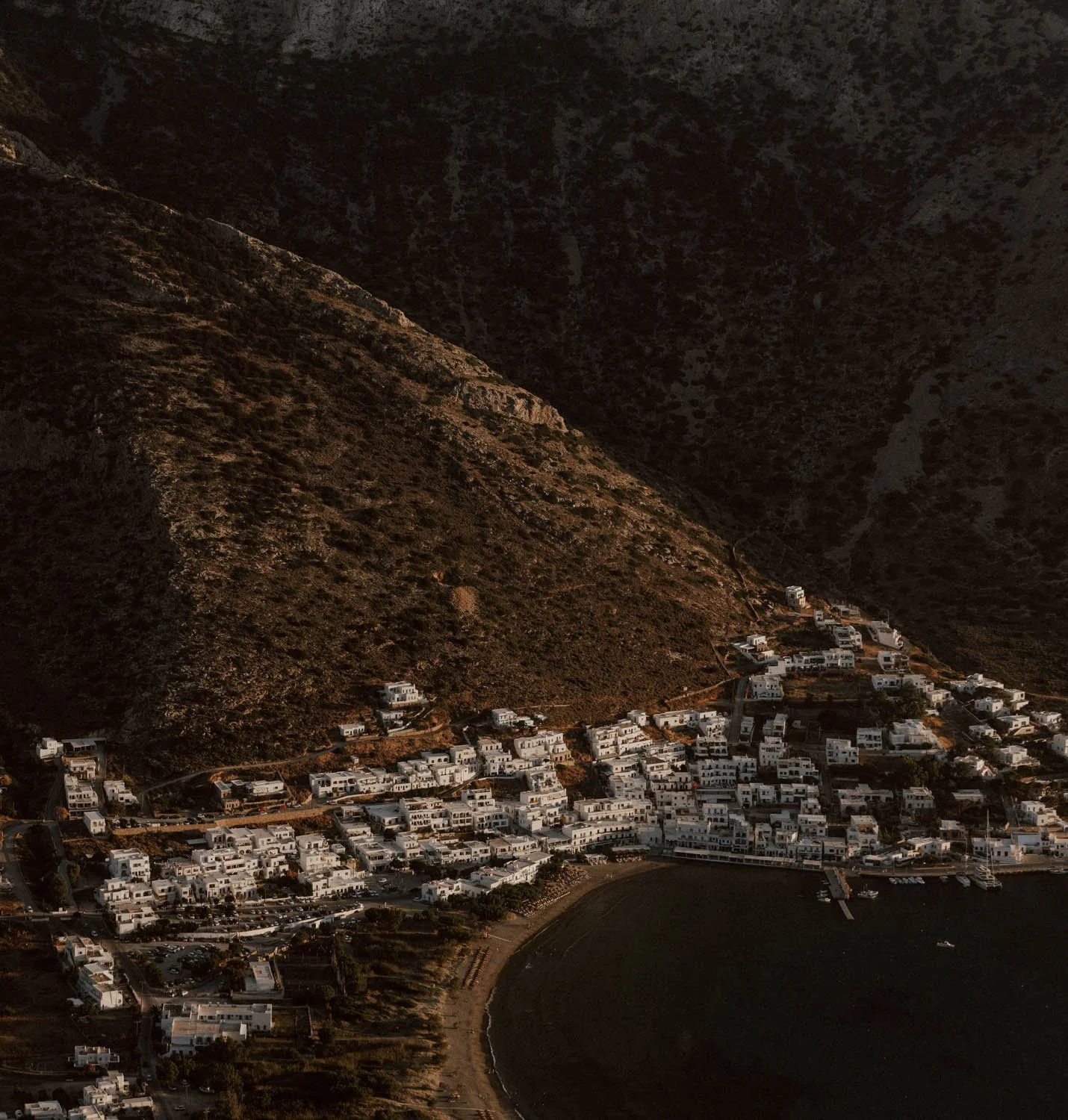
Apollonia is at the heart of things in Sifnos: geographically, socially, and, as the island's natural crossroads, logistically too.
Mornings start slow and afternoons are quiet, but the hilltop town starts to rouse itself in the early evening - and steadfastly refuses to go to sleep until the wee small hours.
We based ourselves there for a week in this lovely old house, and steadily adapted to its very, very Greek schedule. Rising late, eating later, drinking even later - pretty much the inverse of everything Diary of a CEO would tell you to do. The culmination of this effort may have been far too much ouzo and Pantelis Pantelidis in a dark smoke-filled room the night before our ferry but, at the time, we chalked that up as a triumph of cultural integration.
(A hungover Emily on the boat didn't share that opinion…)
So, what does this mean for you? Timing is everything and, if you're only able to visit Apollonia once during your Sifnos trip, avoid the temptation to come early and hold on. The magic is found in the To Steno, a classy sliver of a Cycladic street where you’ll find the bars, restaurants, and a handful of boutiques, all of which are open until late.
We suggest shaping things around an early evening arrival for a stroll and a sundowner, eating around 9pm onward for the ambience, then seeing where the night leads.
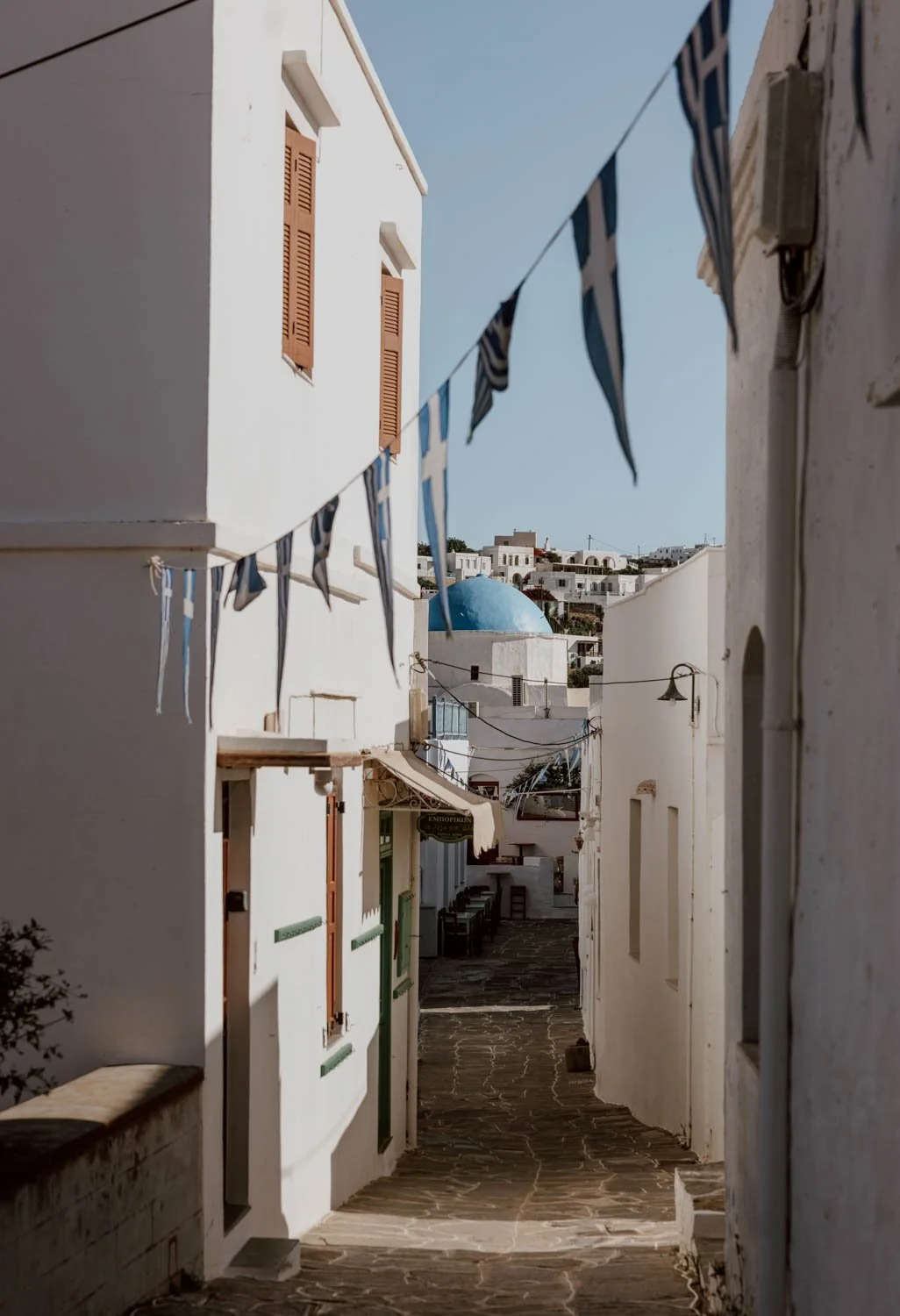
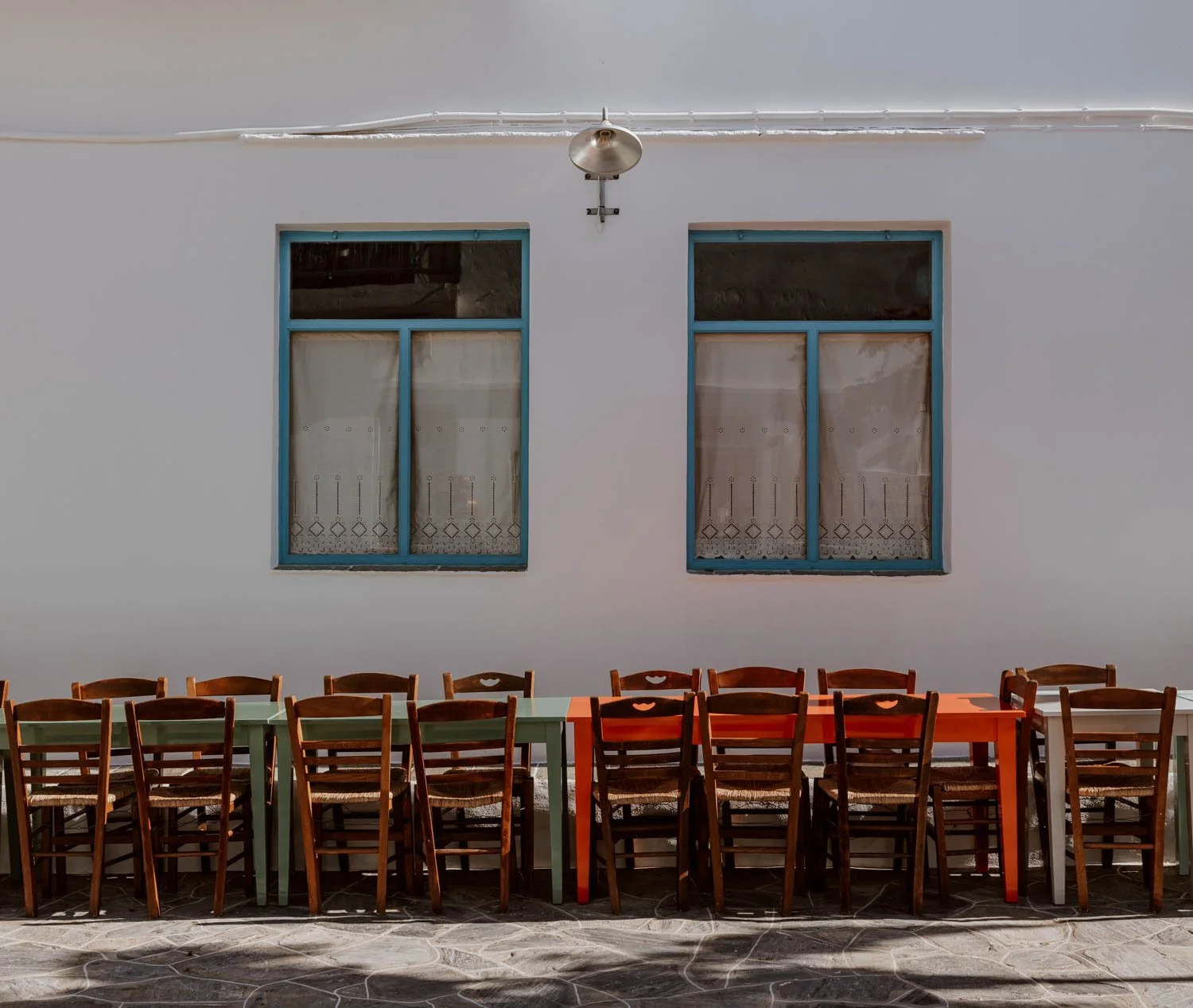
Eat / We highly recommend dinner at Drakakis, both for the food and the setting. Everything was delicious, but the black lentil and quinoa salad was phenomenal.
Cayenne and Tou Apostol are the two main alternatives in To Steno, whilst the the hidden away Ouzeri TSELEMENTES is EMILY??
For a gyros, head out and along the main road to Kamariano or the blue and white tables at Η Περαντζάδα.
In the morning, grab your freddo espresso and spinach pies for the beach from Vegeraki, or get to Threefolds before 11am for one of their decadent croissants. If you want a sit-down breakfast, Gerontopolus was always popular. Go to Tratamento for ice-creams.
Drink / Botzi 93, with its various nooks, levels, and rooftop, is the coolest place (though cocktails unfortunately didn’t hit expectations). The rooftop is the best place to head for a sundown drink, but the vibe is better later.
Cosi Sifnos opposite is a bit more luxe and sceney. We had a mixed view of it, and it probably wouldn’t be our sort of place in the peak months.
Doloma should be viewed and enjoyed as a late-night dive bar, and that (and the one right next to it) are where all the young Greeks head to drink and dance.
A caveat and a gripe: the bars mentioned above often don't come alive until 11pm or after midnight, and stay open until around 4am. Some nights may be hit or miss, depending on the crowd and what’s going on. The price of drinks at all of them verges upon the ridiculous too - we think this is mainly because they stay open so late, but €7 for a beer and €13 for a cocktail is jarring (especially if you’re there much earlier and can’t work out how they’re justifying it!)
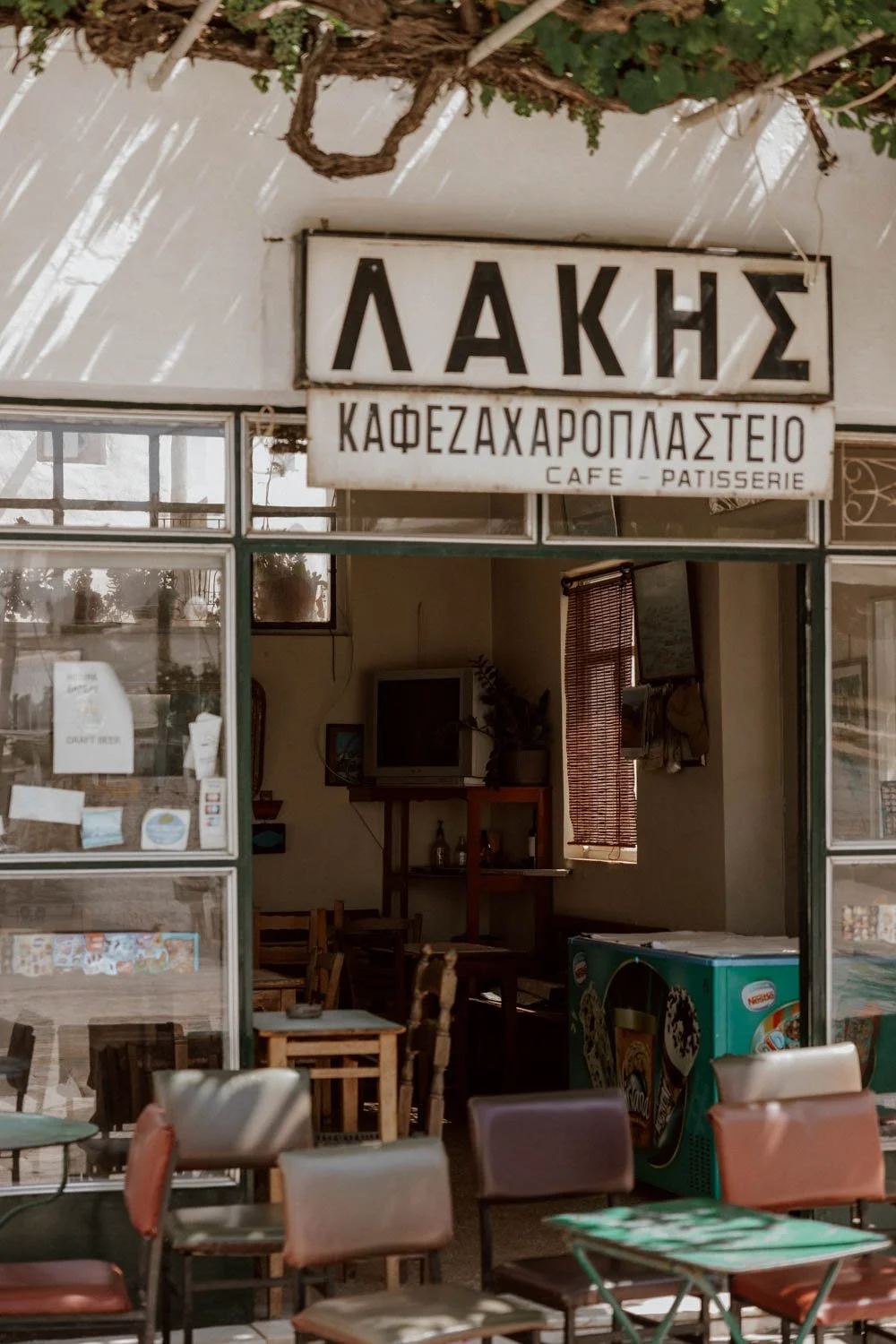
If you just want a quiet beer or ouzo without any pretence or pricentag, head to the very local Cafe Prago or the time capsule Lakis
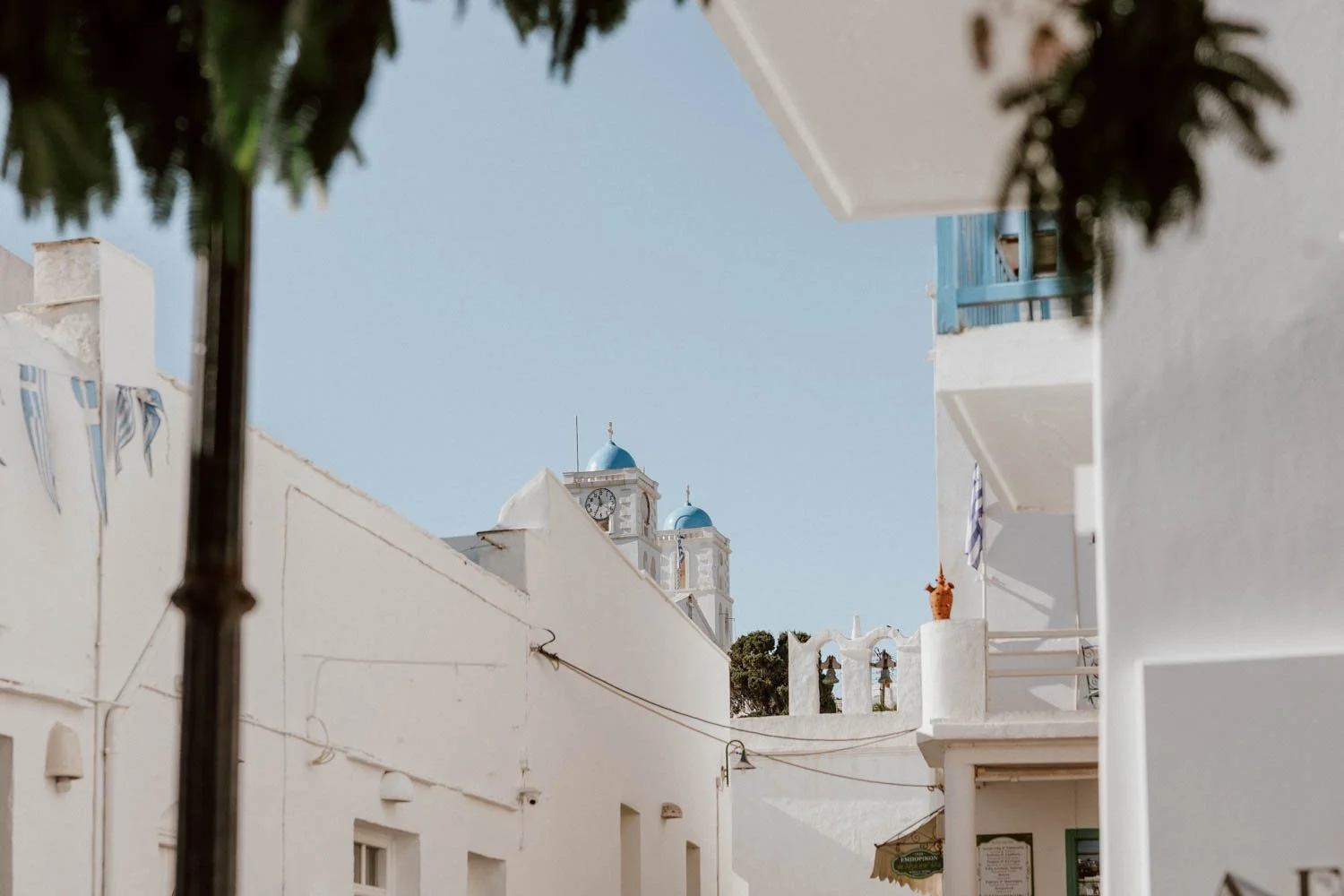
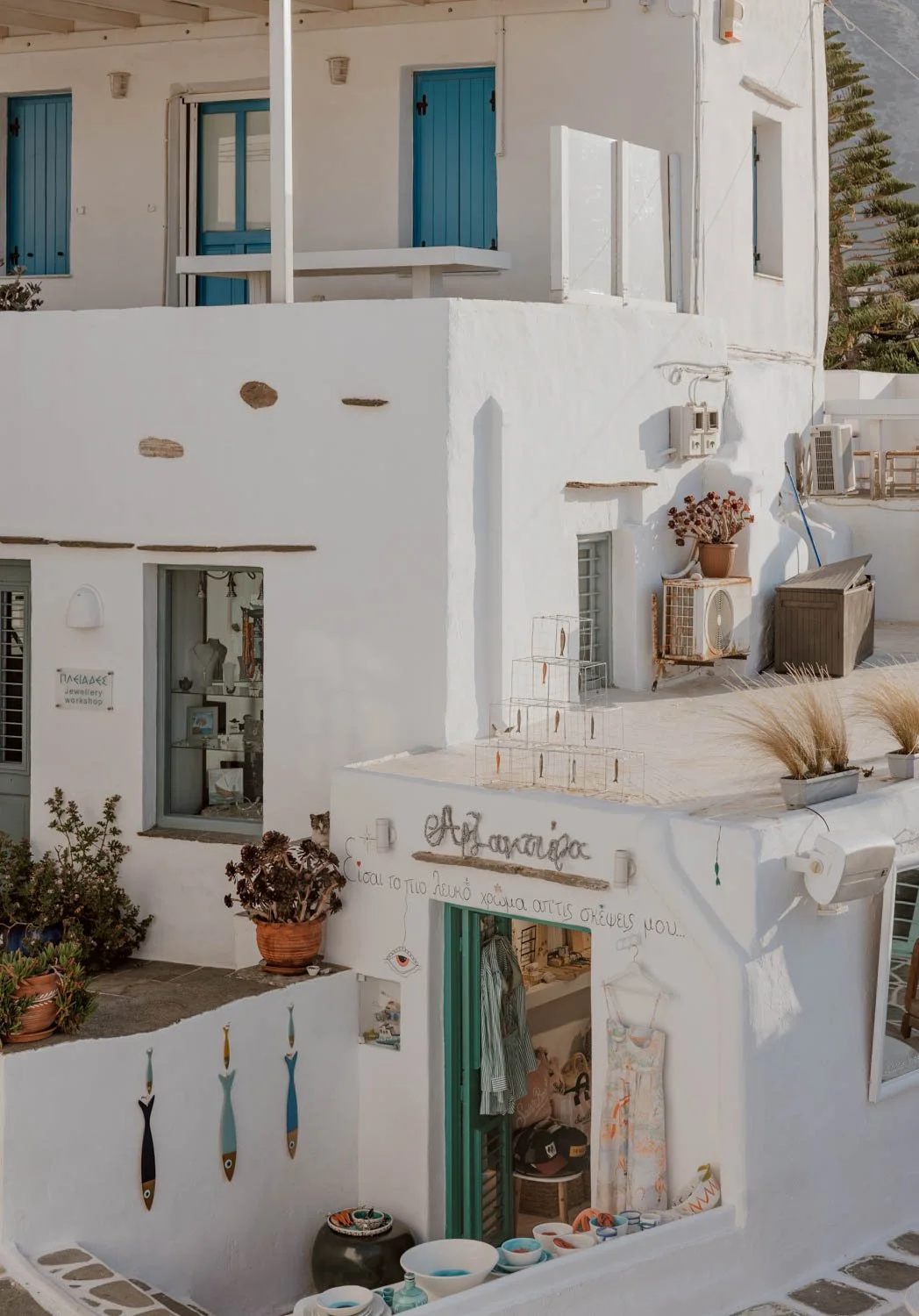
Buy/ This is the best place to find a nice piece of jewellery, clothes, or a souvenir - we could have bought everything on display at KYKLOS.
Arrive / Roads split off from Apollonia toward every other village and beach on Sifnos, and you’ll often pass through it on your way to/from somewhere else. There are regular buses there from Kamares (the port), Platis Gialos, Kastro, Faros, Vathi, and a few from Cheronissos.
The best place to park a car or scooter is the large, free car park (maps), which is a 2-3 minute walk from To Steno.
Note that there are several stairways and access points for To Steno, but don't worry about it too much. If you’re based in Apollnia though, it’s a good idea to work out which is best shortcut for your accommodation.
Stay / Splurge at Stamna or opt for something more low-key (and affordable) like Nostos Sifnos. Alternatively, there’s a few excellent Airbnbs here - we stayed in the historic Artistic Couples Retreat and can highly recommend it. If you want something a little more contemporary Deux Sicles is an incredibly stylish apartment (with a glorious roof terrace).
The Chrisopigi Coast
The legend goes that, from the monastery upon a rocky outcrop, the nuns were fleeing marauding pirates.
One of the sisters - whether choosing to stay or unable to keep up - found herself stranded and alone. Chased and cornered by the invaders, she prayed to the Virgin Mary for salvation. The rock split in two, the pirates fell into the sea, and the nun was saved.
That crack, spanned by a narrow footbridge, is still there today, and Chrisopigi Monastery remains the spiritual cornerstone of Sifnos.
Dedicated to the island’s Patron Saint and Protector,r ecords trace a chapel on this site back to at least the 1600s. Its revered Panagia Chrissopigi icon - found floating in the sea by fishermen - is said to have saved the island from many disasters.
The monastery isn’t the only reason to venture this way though.
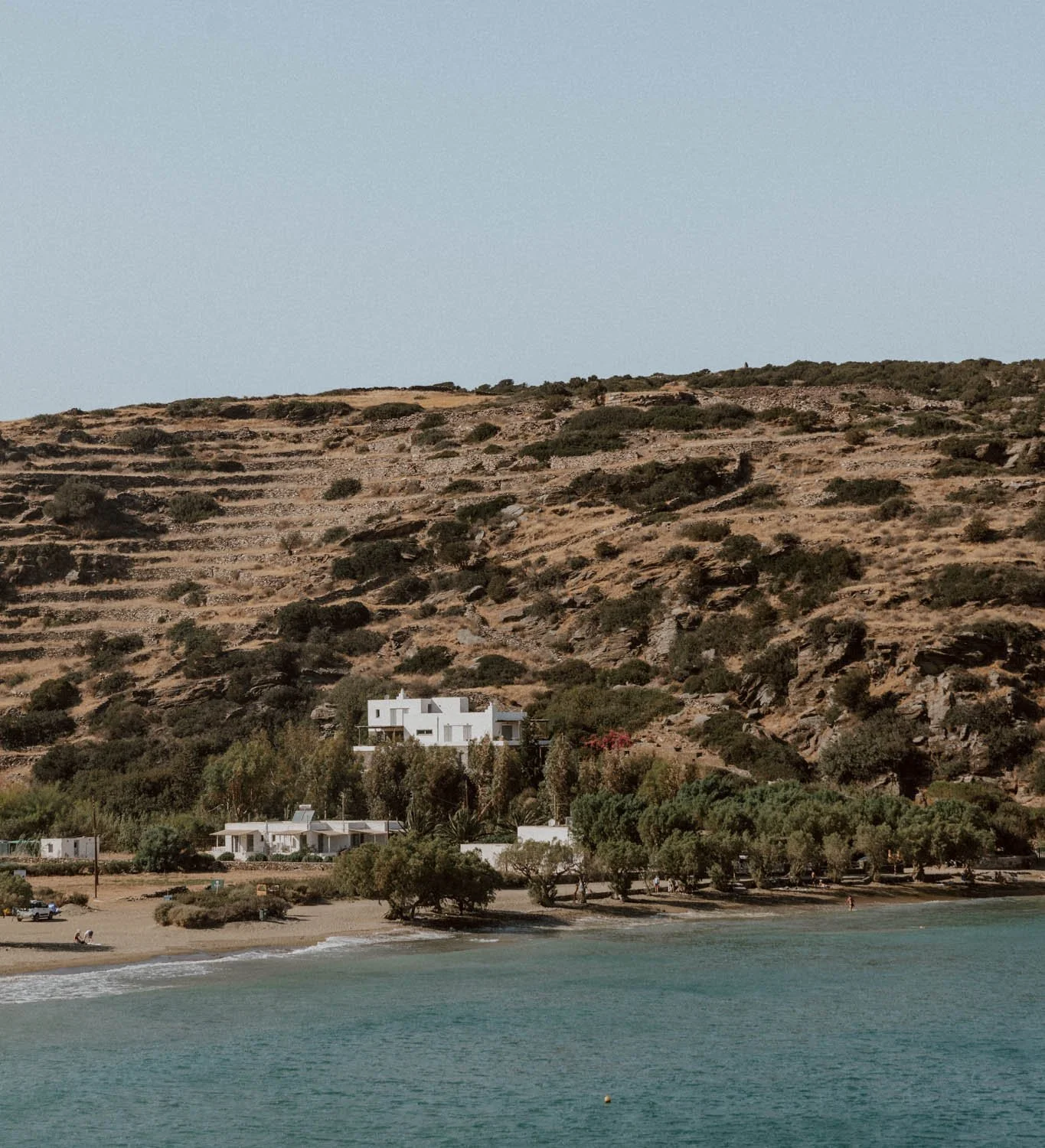
Not far around the coast from Faros, this undistubed area offers a cluster of lesser-visited spots to swim, sunbathe, and live your best life.
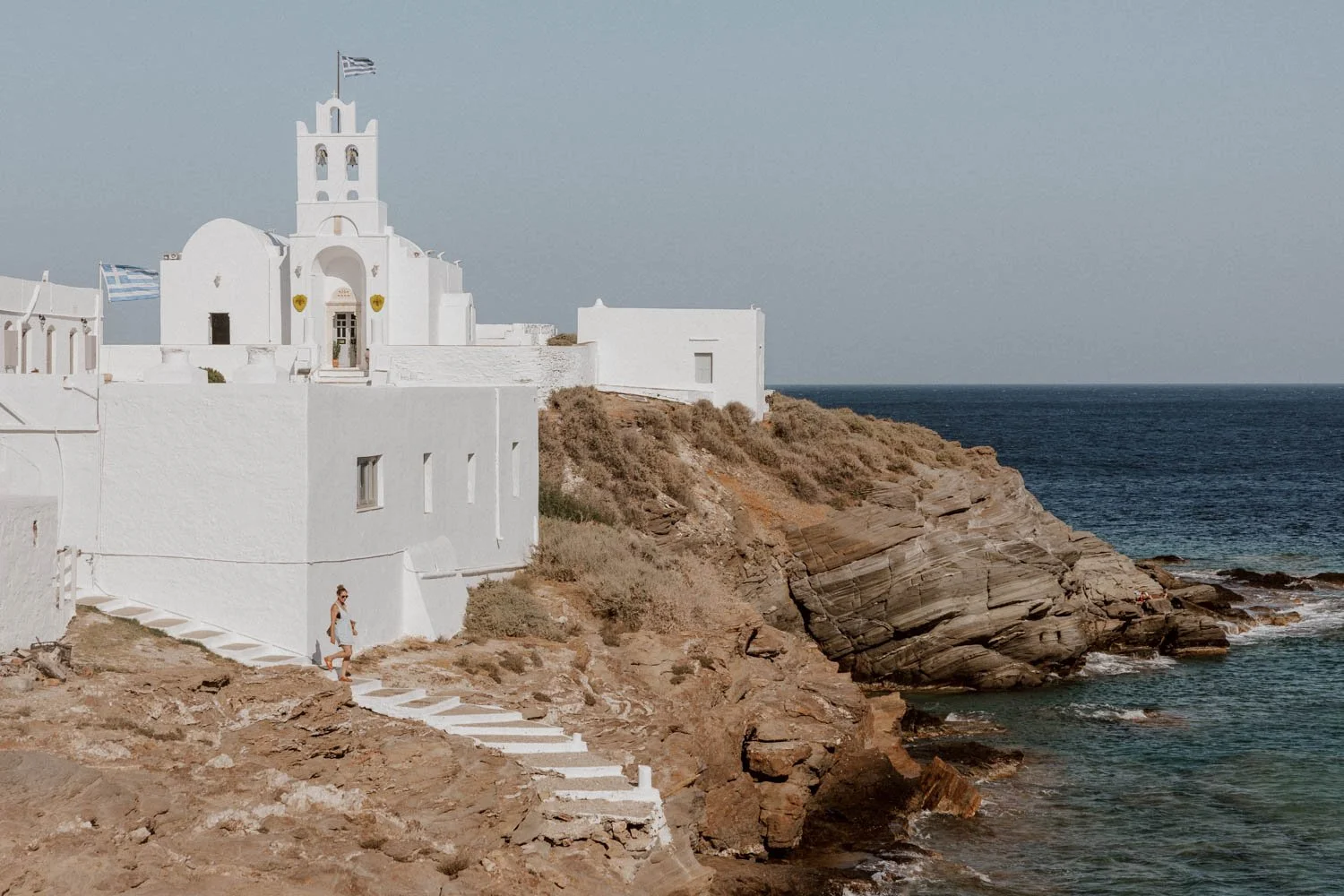
Looking out onto the Monastery, Paralia Chrisopigi is a sizeable curve of biscuity sand, with no beach clubs and lots of tamarisk trees for shade. There’s a taverna on each side, but Chrisopigi-Lembesis (10am to midnight) sounds like it offers the better experience Apokofto-Tsapis Restaurant.
Note that it’s also called Apokofto beach.
If you want a beach in the south that’s quieter and wilder than Faros, Vathi, and Platis Gialos - but still easy to reach and where you can still have lunch or easily buy a cold beer - this is where we’d send you. In July and August, it may even come into its own as a wildcard option. Family-friendly.
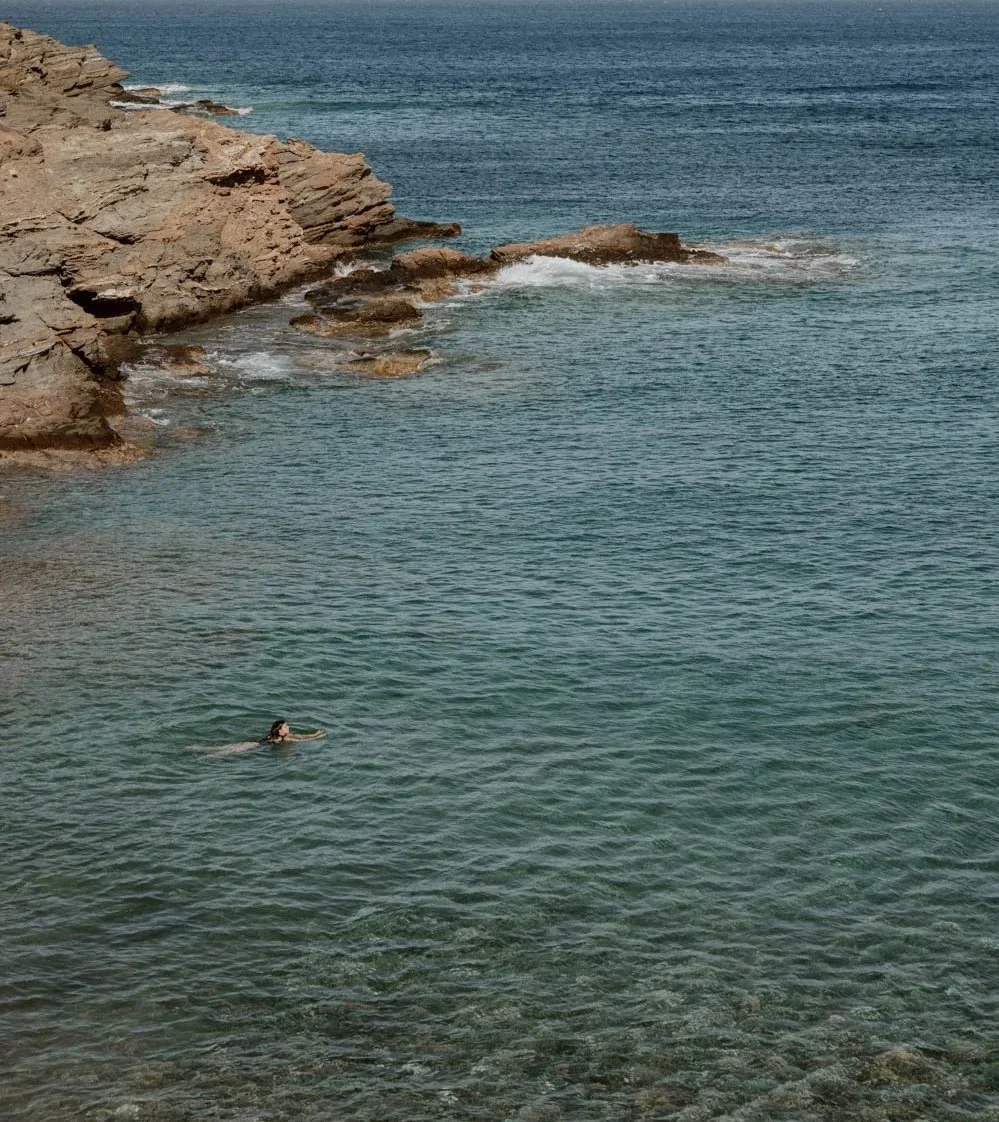
On the other side of the monastery, the rocks and pebbles of Saoures beach (maps) may not be to everyone’s tastes but was one of our happiest places on the island. We had a few hours there enjoying the last drops of afternoon sun, going deep in the blissful water. There are no facilities.
The rocks around and below the Monastery are also a local favourite for sunbathing and sea jumping, but can take a little hunting to find a suitable spot.
Visit / This is a working monastery so it’s really important to dress modestly (that means no bare shoulders or knees, for both sexes, and definitely no swimwear) and take your hat off. Open 9am – 1 pm, then 5 – 7pm every day of the week.
Arrive / You can arrive by car or scooter and park in the small, dusty free car park in front of the Monastery (maps). From there it’s a short walk down to Paralia Chrisopigi, but you can also take the narrow left and park closer to the beach.
Alternatively, a popular option is to talk the easy coastal path from Faros. This follows Trail 2, takes about 20 minutes one-way, starts via the steps at the far side of Vlichó / Glyfo beach (maps) - note that you’ll almost certainly need to walk it back as well.
Sundown Sips & Supper in Kastro
As with most Greek islands, Sifnos’ story stretches back thousands of years, shaped by ancient civilisations, maritime powers, and shifting empires trading ownership. Perhaps the most surprising chapter is the era of Venetian control from the early 13th century until the 16th century, when Sifnos was folded into something call the Duchy of the Archipelago.
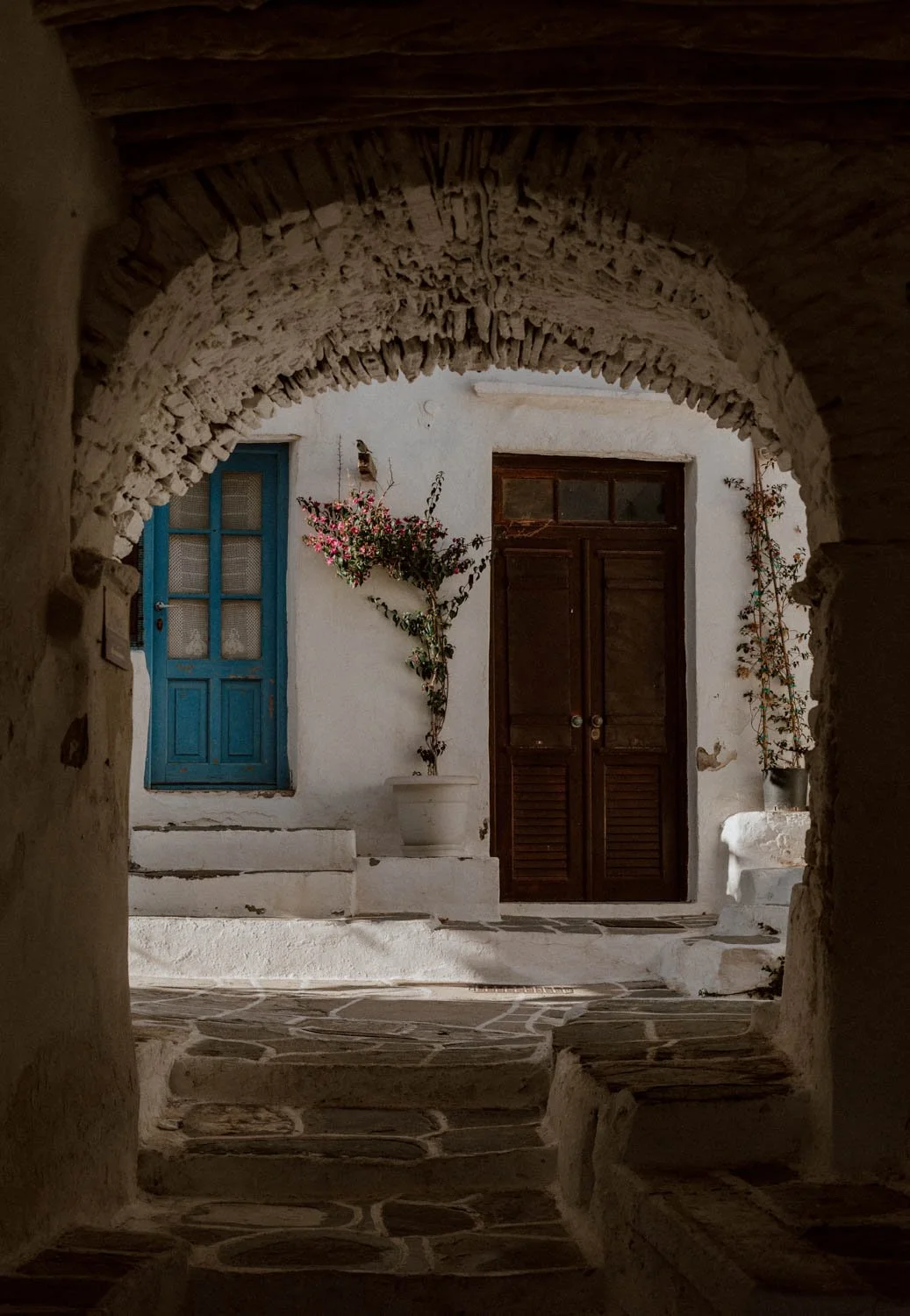
Kastro, the former capital on the east coast, is the place where their impact is most keenly felt. Meaning ‘castle’ in Italian, its centuries-old walls, winding lanes, lotzies, and tightly packed house stacks were constructed primarily as a defensive stronghold.
Amongst this clustered jumble of Venetian fortifications - an architectural style that’s rare to find - an unexpected sepia-toned shrine to Cuban revolutionaries overlooks the Aegean Sea.
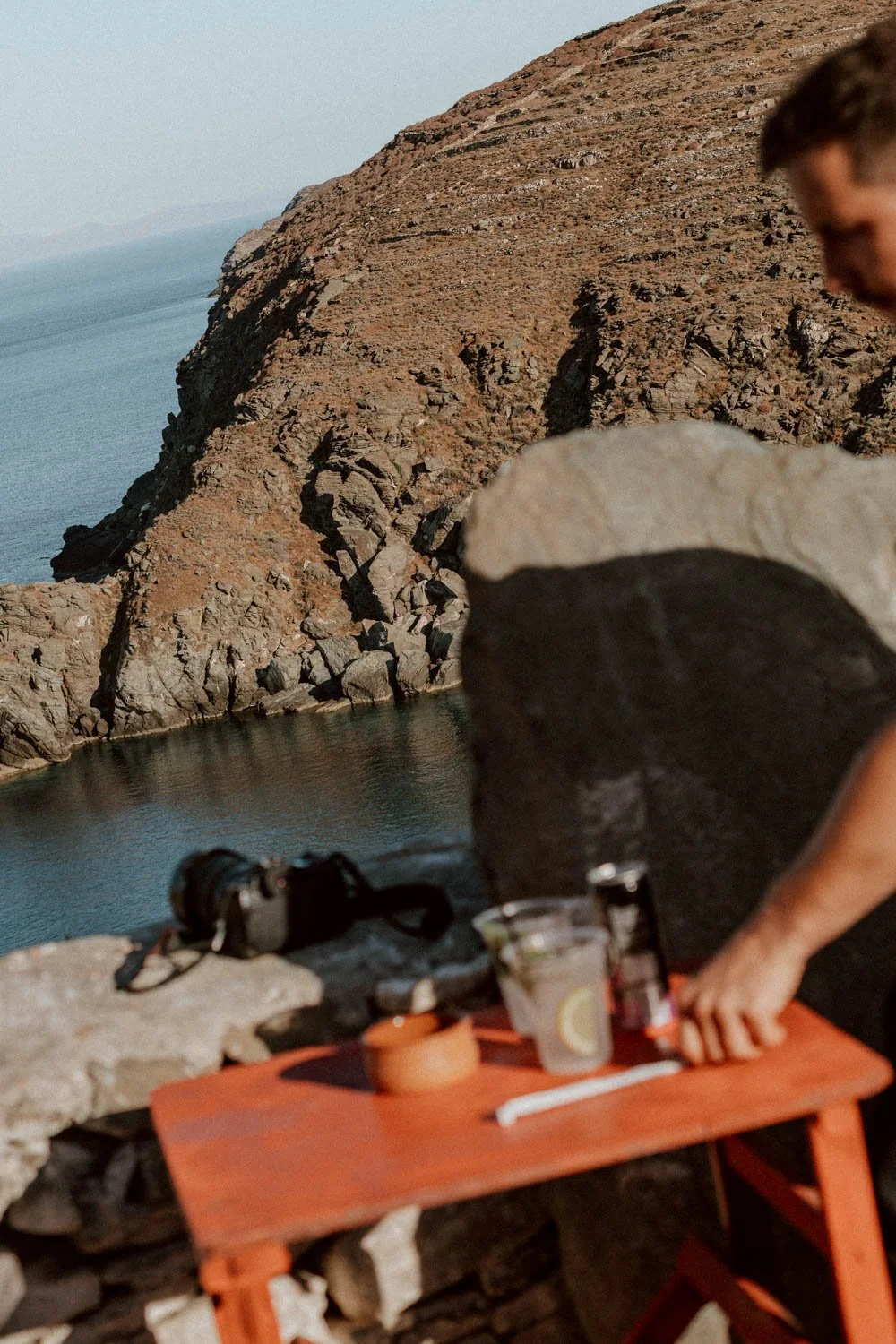
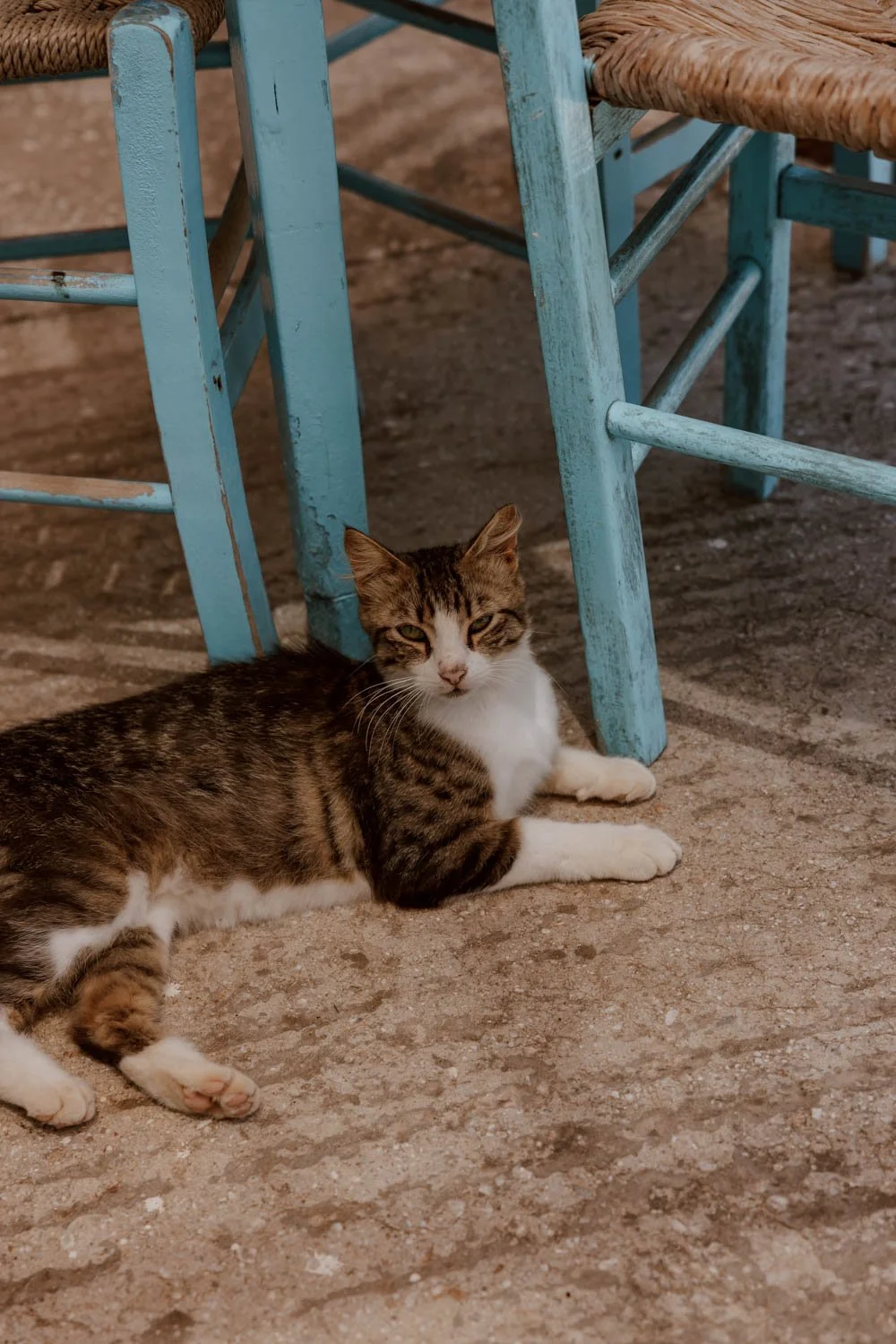
The walls are plastered in felt-tip scrawls and slogans, bank notes and clippings are held by pins and pegs, and Che & Fidel eye you from every corner as another empty bottle of Havana Club is added to the stack. There, in Costas Georgoulis’ cash-only and very cat-friendly Kavos bar, the drink is strong, the soundtrack Latino, and the set-up truly one-of-a-kind.
We’ve never seen anywhere quite like it in all our years of travelling in Central and South America.
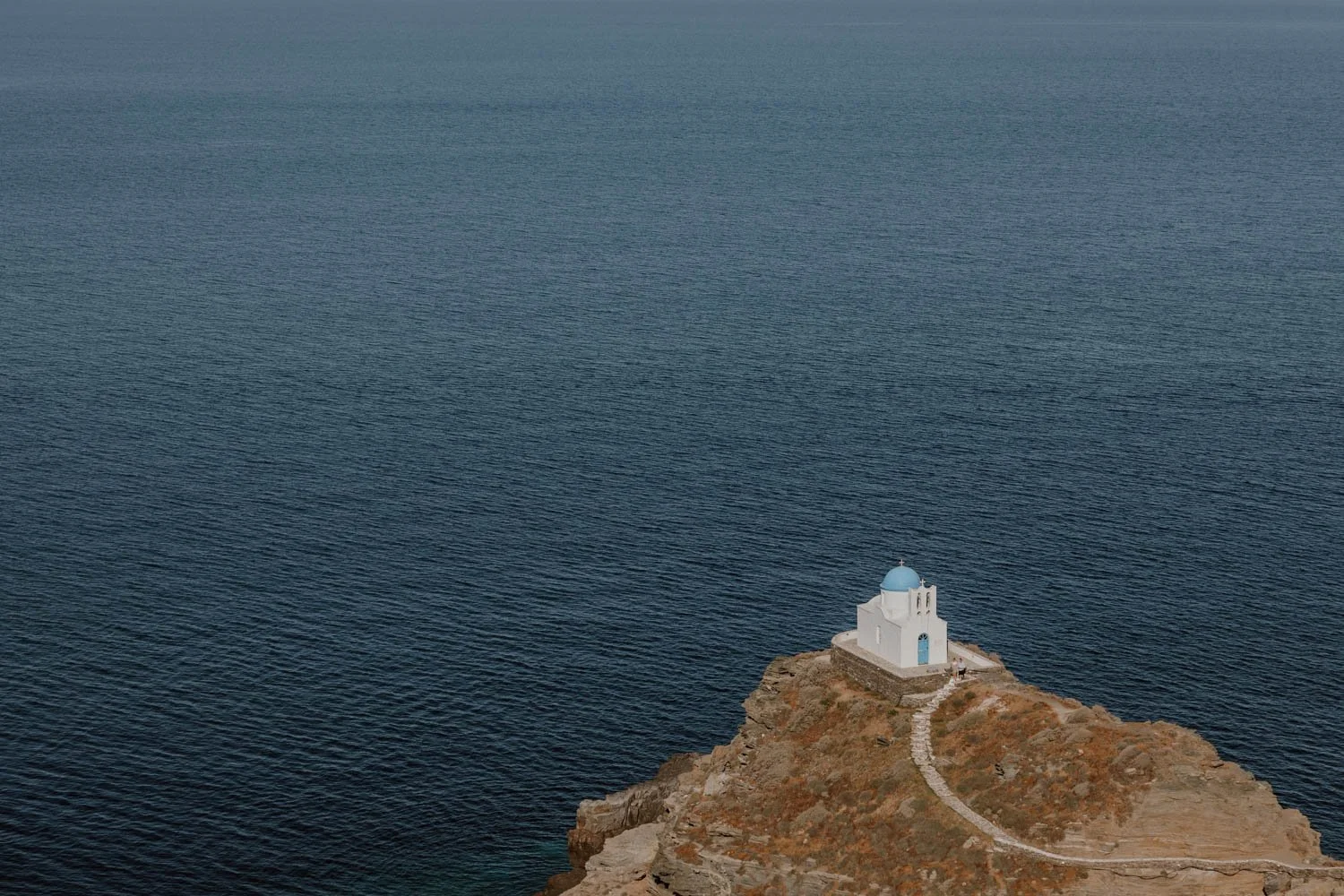
Drink/ Kastro is undoubtedly the place to come for a sundown drink in Sifnos. After you walk along the wall in the late afternoon - a veritable balcony overlooking the sea and the beautiful situated Church of the Seven Martyrs - those revolutionary rum cocktails in plastic cups, likely surrounded by a gaggle of cats, are what we’d recommend, but the one that the stylish set now prioritise is actually right next door to Kavos.
It’s quite a contrast.
Open from 7pm, Loggia Wine Bar is now the sort of place that you have to book a table or queue for ages to get one of its few prized small tables at golden hour, and therefore has all the concomitant frustrations one may expect with a place that some primarily go to just because they have to go. We didn’t bother queuing as we were more than happy to have our sundown drinks at Kavos (which becomes many people’s Plan B), but suggest that heading there afterward to enjoy a glass of wine on the steps from would perhaps offer a more relaxed and enjoyable way to do it. We do have to admit that their wine list looks fabulous.
Eat/ As mentioned, Cantina is the most in-demand restaurant in Sifnos. Opened in 2020 on Paralia Seralia, 98 steps down from Kastro, its co-owner and chef is Giorgos Samoilis. A one-time molecular biologist with no formal training, his stint at Omega3 brought the A-list to the beach, and now it takes them to the cliff face. The menu, based around 90% of the ingredients sourced on Sifnos, changes daily and all cooked from scratch. Expect to pay €80 to €100 pp plus drinks.
You absolutely need a reservation though - see their website.
If budget or bookings don't align, then you can still walk down those steps to the Captain George taverna (open 12.30pm to midnight) - the reviews are very positive. Just note that we wouldn't go out of our way to visit this beach unless we planned on eating at either of these two!
As we left it too late to get a table at Cantina, we headed over to STIADI instead. Whilst the road-side location of its outdoors area, isn't as special, the food was impeccable. It’s effectively a self-curated tasting menu (shared across six or seven course), but do note that this is definietely still a splurge-y sort of place. Whilst reservations are not as crucial as at Cantina, it would still a good idea if you plan on eating there.
One point on Stiadi - if you eat early indoors, you’ll have a fantastic view of the sea and the changing colours at sunset, but probably not one for a hot evening.
Go / There are regular buses from Artemonas and Appollonia to Kastro, and the bus drop-off and pick-up point is here on Google Maps.
Note that the last bus of the evening is around 10.30pm, but ours actually left at 10.42pm, so you should definitely arrive with a few minutes to spare!
There's very limited space to park in Kastro, and the bus requires room to turn at the closest point, so the safer bet for anyone with a rental car is this larger free car park that’s a little bit more of a walk from the stairs into the old town
Stay / Based on our experience and the alternatives, we don't actually recommend Kastro as a main base on Sifnos for most of our readers as we think it may be a little too quiet and disconnected.
The exception? If you're a foodie foodie, with a reservation at Cantina and Loggia a top priority for this trip, then proximity and the lack of worry about driving home or getting the last bus back may make it a sensible and convenient choice for those nights.
There aren’t really hotels in this part of the island but the simple Agnanti Traditional is a good shout if that’s what you’re looking for. Instead, opt for this airbnb - or this totally unique converted windmill.
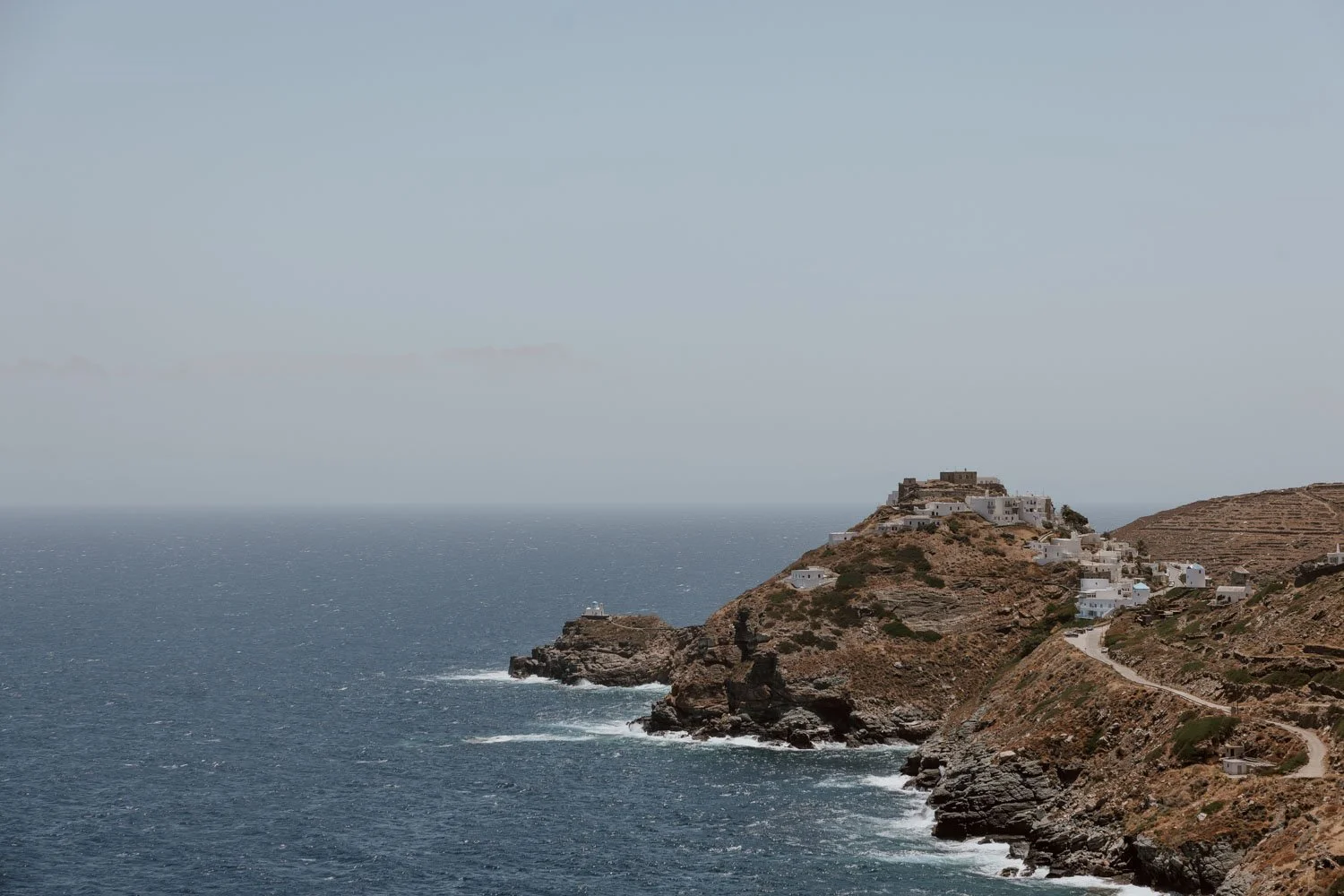
Venture North to Cheronissos
While everyone goes south, those who know Sifnos best also make a point of heading north (at least once).
Far north.
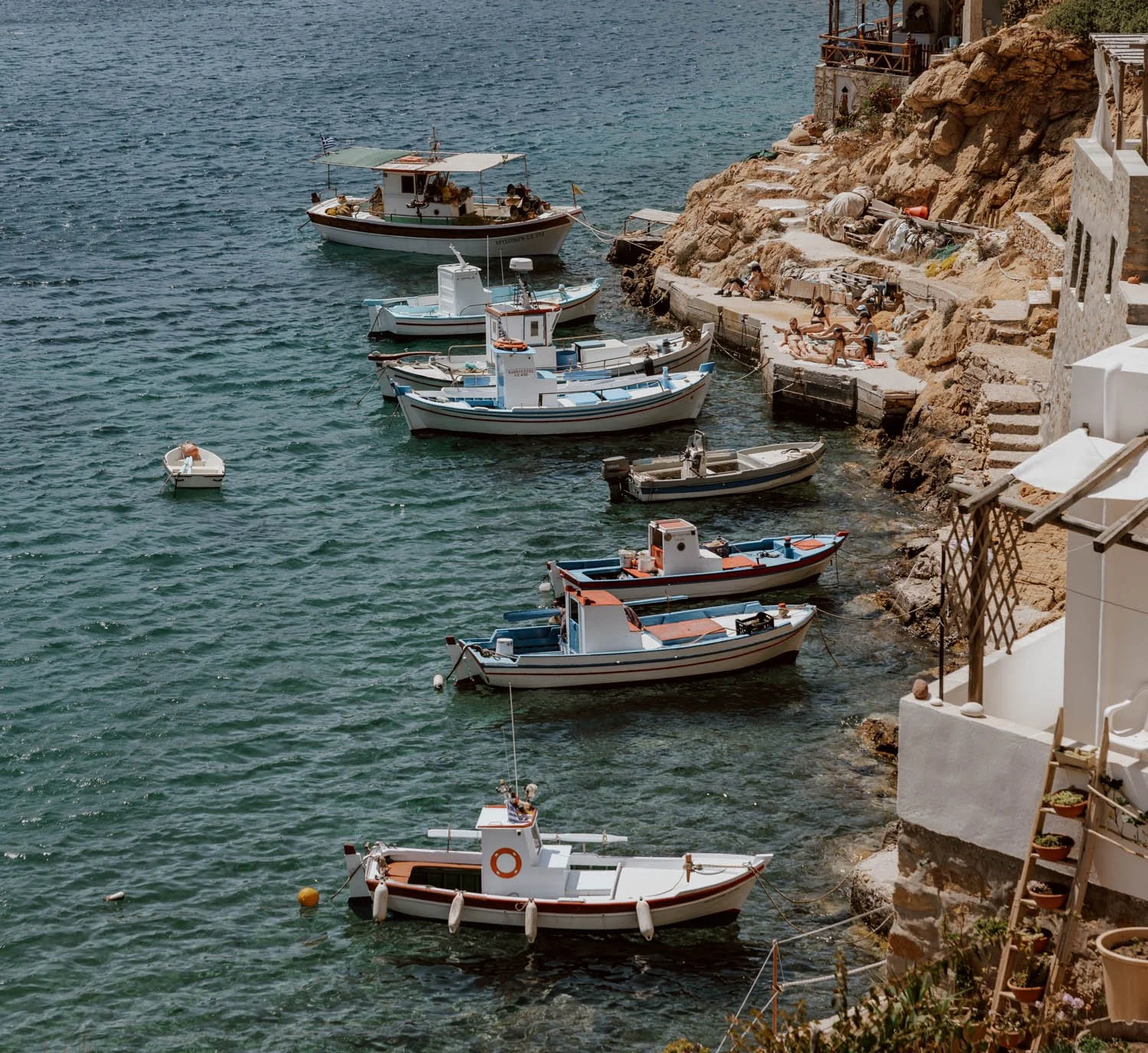
There, beyond a quarry, two roads become one, and Cheronissos is the only destination. Sitting in a tranquil enclosed bay, there are just two tavernas and the waters are dotted with colourful fishing boats. Beyond a mini mini-market, some accommodation, and a single ceramics workshop, we’d by lying if we told you there was anything else here.
So, why should you bother?
Firstly, it’s very very easy on the eye, with a totally different aesthetic to the southern beaches.
Secondly, it had the best sunbathing spots we found on Sifnos. We’ve become incredibly partial over the years to concrete platforms and rocky shelves, and both sides of Cheronissos offered choice locations at the water’s edge. So good that, initially planning to arrive just for lunch and a mooch on a windstruck day, we stretched it out untl 7.30pm before we reluctantly got back on the bike to chase sunset.
Our sort of sun trap.
If you’re much more of a sandy beach sort of person, then there is a perfectly lovely small area, but we appreciate that making the time to head up to Cheronissos may not have the same hold over you.
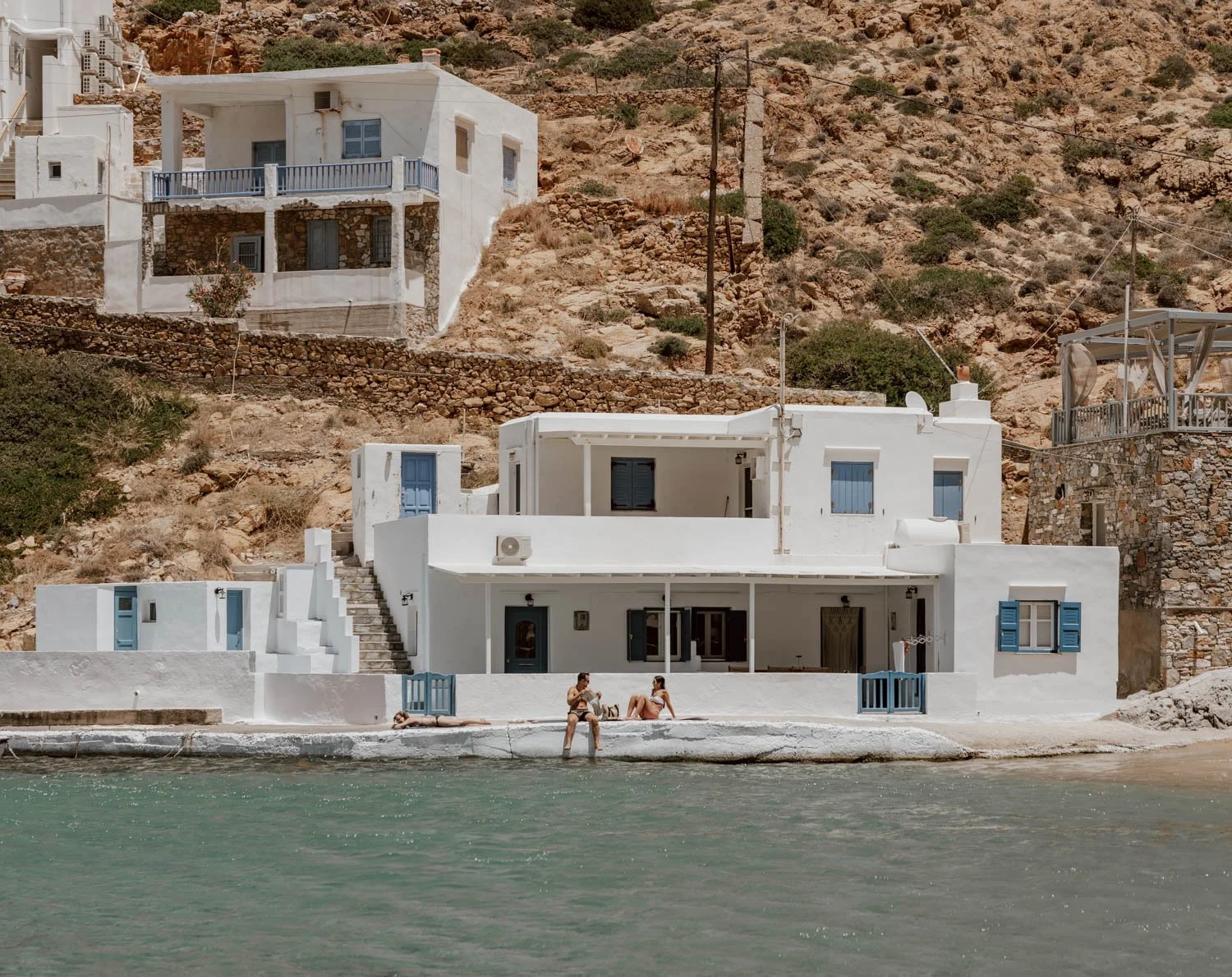
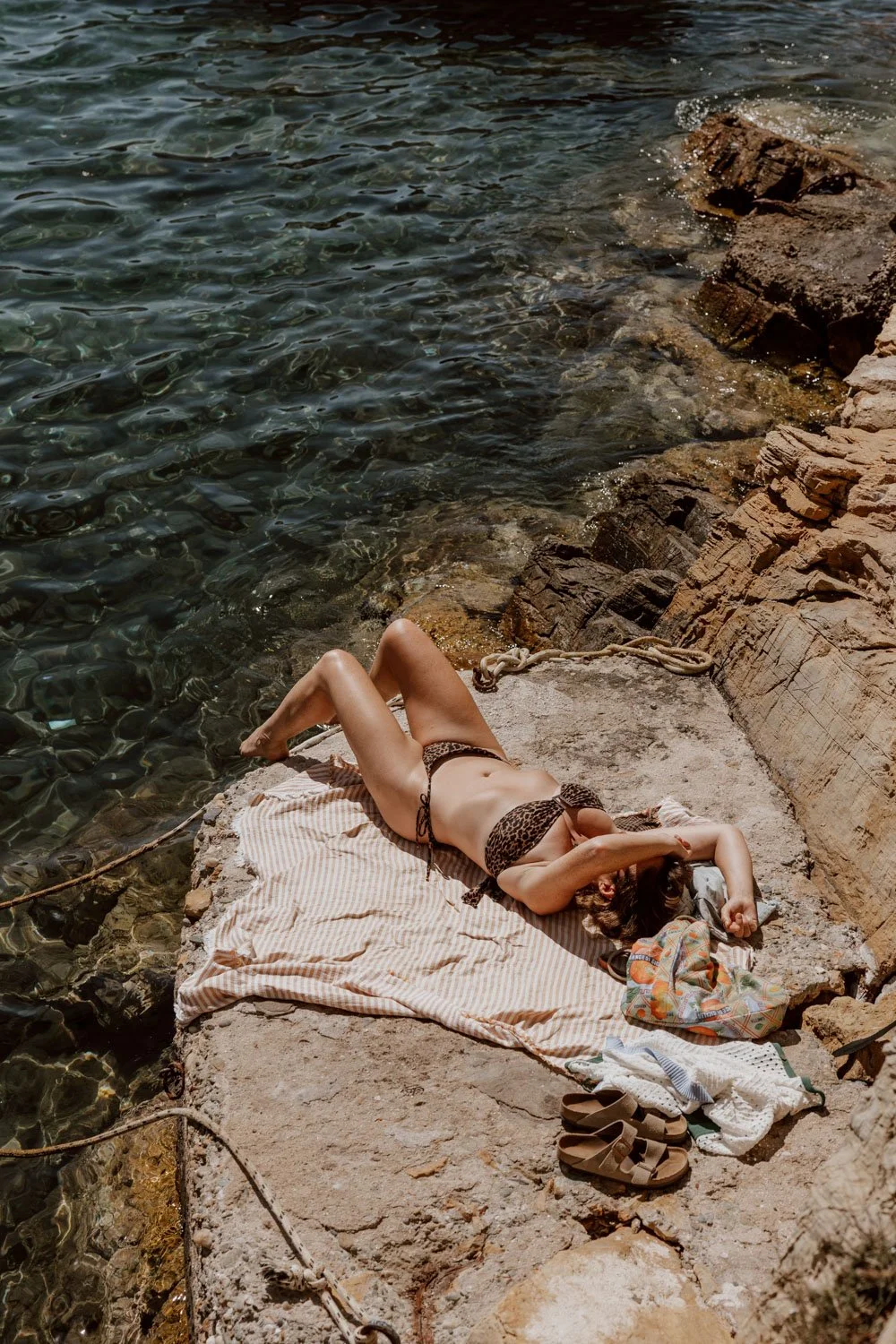
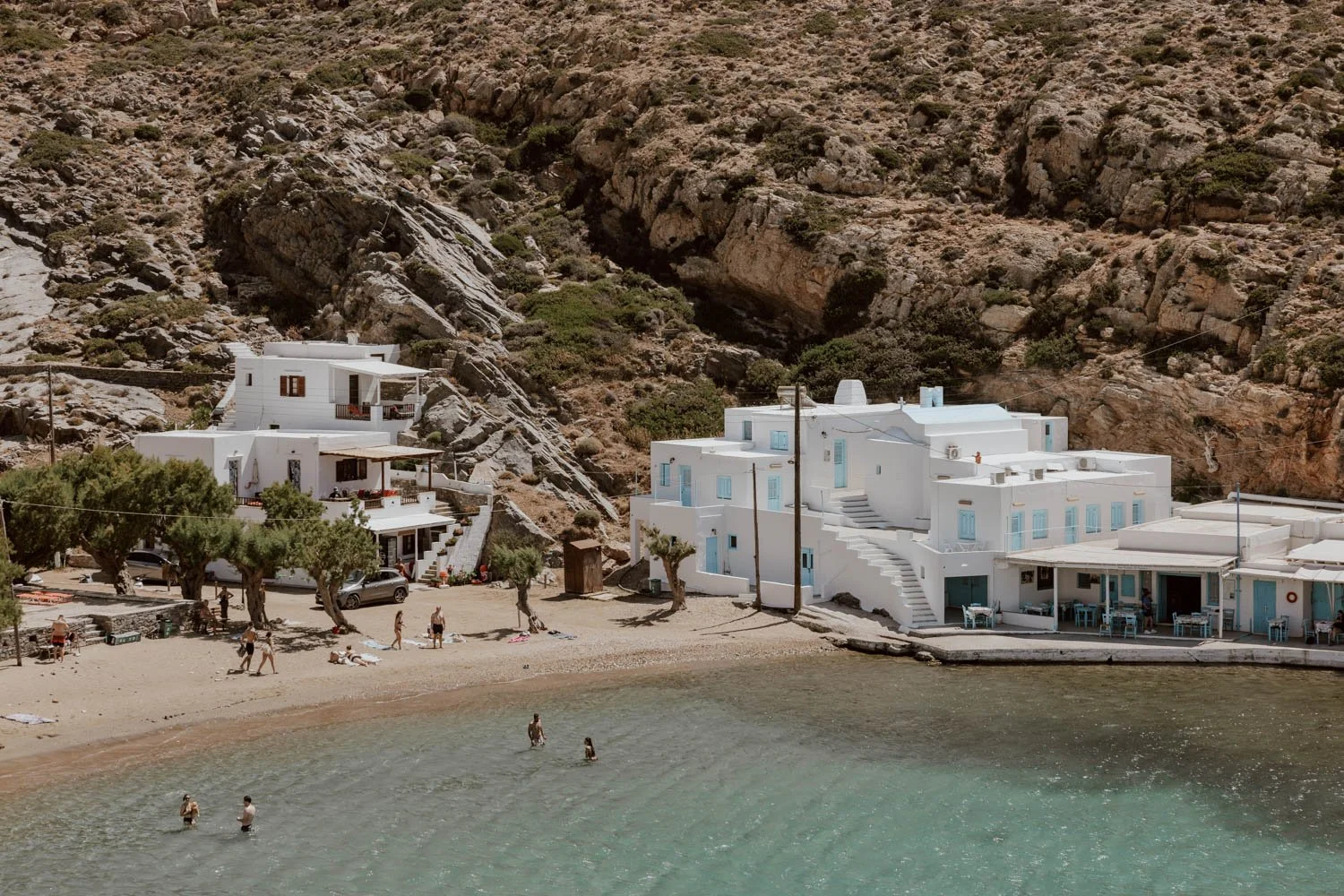
Eat / If making the effort to drive or take one of the infreuqent buses to Cheronissos, then you should absolutely plan for lunch.
On the left of the harbour, the long row of tables and chairs for Cheronissos Fish Tavern are in a privileged, picturesque location, and one's eyes and belly are understandably drawn toward it. They serve whatever their boat pulls from the sea that day, alongside the standard Greek taverna fare. We only had a carafe of wine there though, as the reviews were poor and our Airbnb hosts had recommended the other place to us.
That other place, Η Αμμουδιά, backs on to the beach and was perfect. Another traditional Sifnos taverna, the waiters were really friendly and everything was incredibly tasty (especially their indulgently cheese covered aubergine saganaki).
If you don’t want lunch, then you’ll need to bring some pastries or rely on what snacks they’ve got available in the mini-market (a really sweet lady there by the way).
Know / The best place to spend the afternoon is on the right hand side rocks by the boats. You can access via a narrow, stony path, or take the stairs up and through the houses, then descend. Note that it can be a bit challenging getting out from the sea in parts (watch our for limpets on the rocks). Also, respect the fishing boats and anyone trying to access theirs.
Whilst Faros is usually your best bet on a windy day, we should also mention that we arrived in Cheronissos when the meltemi was really strong. Surprisingly, the right side was so well protected from the vicious winds that day that we forgot all about them until we hit the road again!
ΚΕΡΑΜΙΚΑ Η ΔΥΣΚΟΛΗ is the little pottery workshop run by Kostas, who is thought to be the oldest potter on the island. We were gutted that it was closed on the day we visited, and it’s somewhere we’d certainly make a point of visiting and supporting when open if heading north.
Stay / Cheronissos will be too remote for many, but it’s quietly emerging as a bit of an Instagram favourite. There aren’t really any hotels here, but a number of wonderful little apartments or houses along the water’s edge. We’ve had our eye on Psarona for a while but its popularity means you’ll have to get in quick with a reservation, but the fantastic roof terrace at House on Sea make this one bedroom house a great choice also. Personally, we love the rustic nature of Sea Side Motif.
Tip / If you’re heading this way, you may wish to stop by the pebbly Paralia Vroulidia. It was completely battered by wind when we visited but would be a gorgeous setting in calmer weather (and we imagine much quieter than the south in the peak of summer). It’s rocks and sea ladders only, and there are two taverna/beach clubs down there too. It’s one of the worst roads on Sifnos though, so just make sure you either park up at the top of the hill or somewhere sensible a little further down.
A Stroll Through Artemonas
When planning our Sifnos trip, we couldn't get a firm understanding on how the villages of Artemonas and Apollonia interacted. Named after Greek godesses and always referred to as distinct entities, they also seemed conjoined.
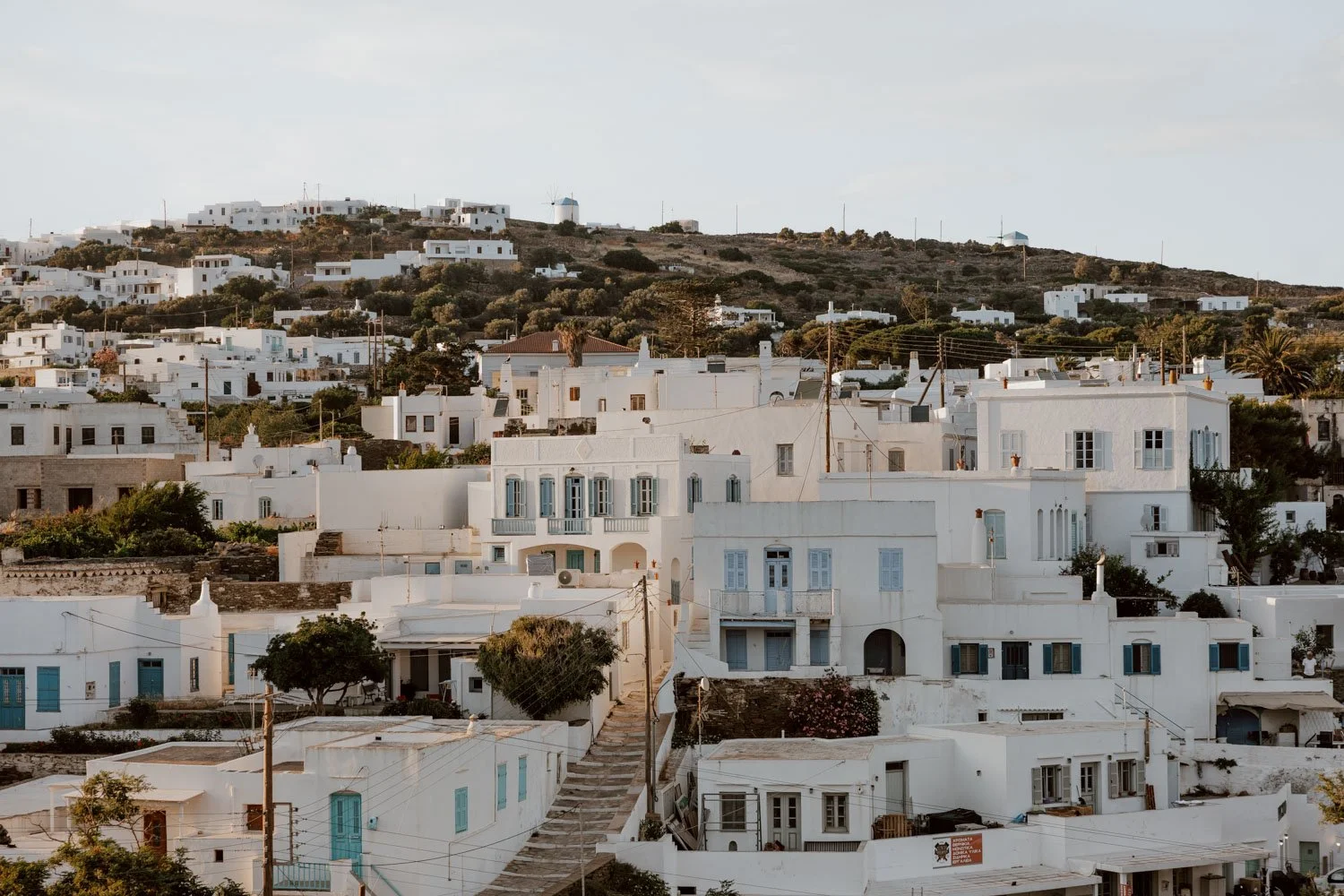
It turned out that both versions are correct: the pair have grown so close over the centuries that their whitewashed edges blur into one another, and on the walk between them one barely notices when you've left one and entered the other.
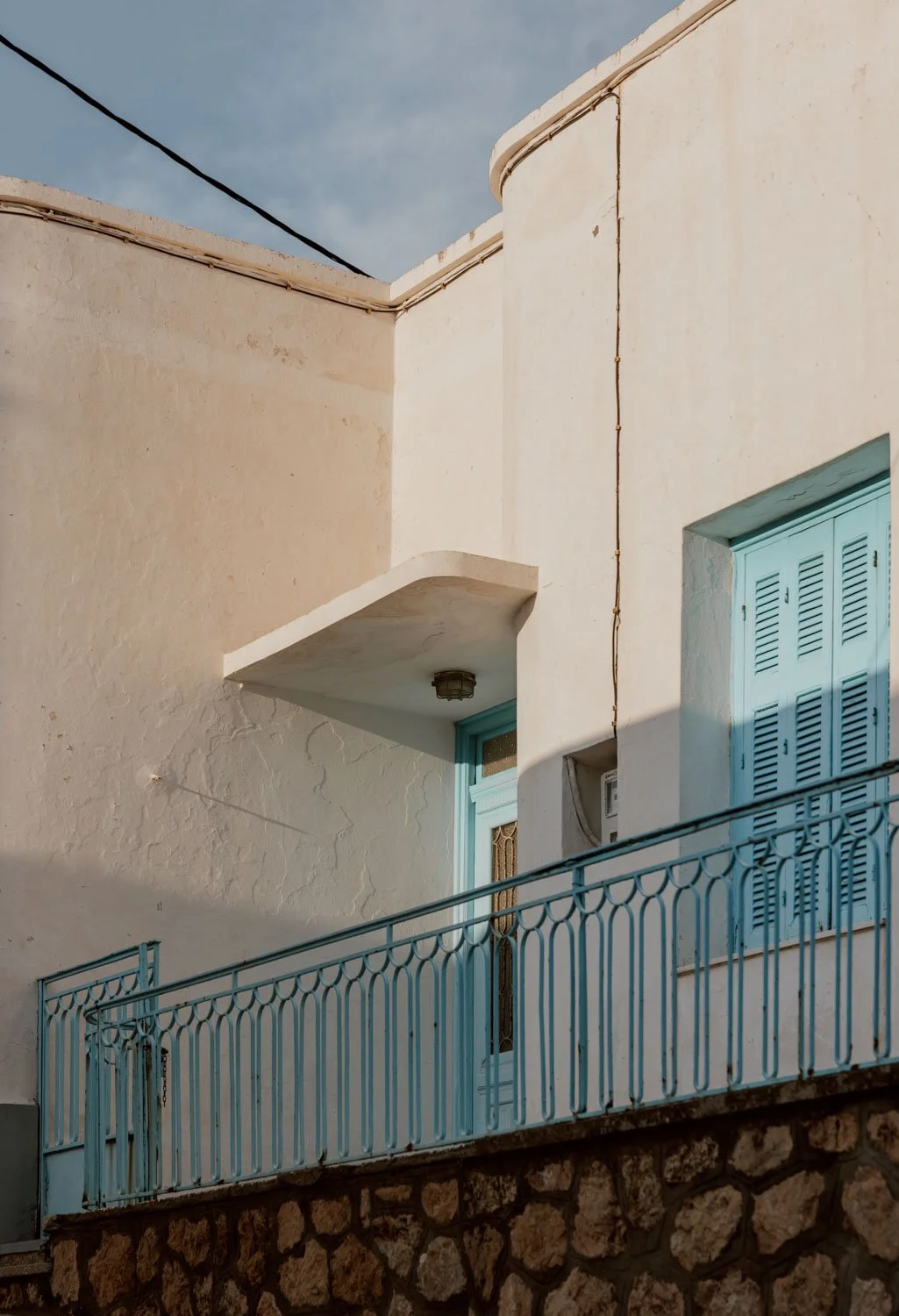
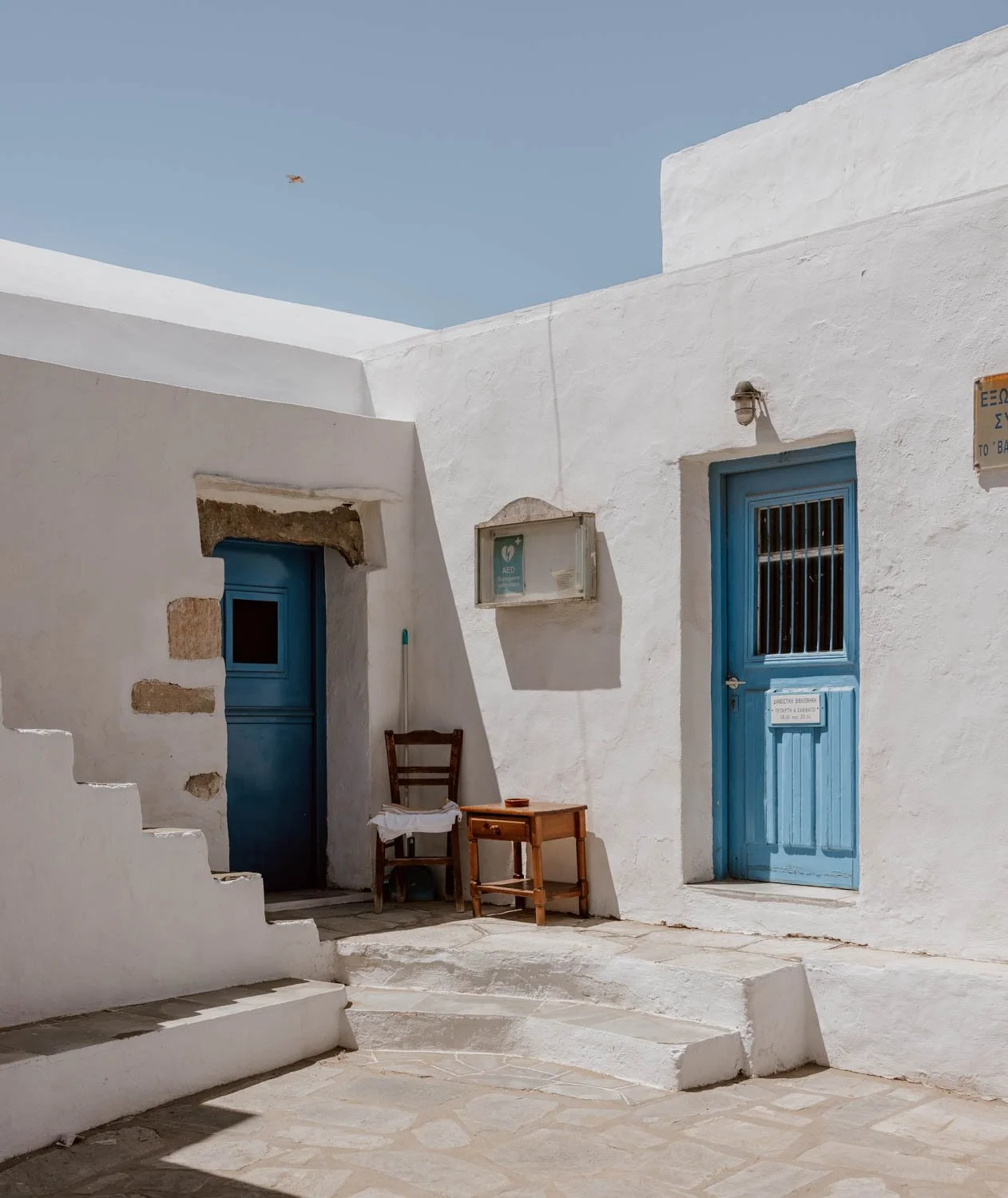
Quieter than Apollonia, with more of a residential feel and little of the late nights of To Steno, Artemonas is even easier on the eye. A smattering of neoclassical buildings - some in a perilous, others magnificent - reflect its prosperous past, whilst the historical centre delivers everything you'd hope for in terms of typical Cycladic architecture and streets.
We unfortunately had only one late afternoon and evening wandering around there in the fading light and, from a photography viewpoint, regret not having arrived earlier.
Do / The cocktails, staff, and prices were so good at Diachroniko that we went there twice - there’s a cute little side courtyard and highly recommend their negroni.
The Yellow Bicycle pastry shop is on the same street, Specialising in decadent desserts for those with a very sweet tooth, the popular Yellow Bicyclce pastry shop is on the same street. Just double-check the prices before making your choice.
Theodorou is an essential, special stop. A family-run bakery since 1933, they specialise in hand-making very traditional treats like amygdalota, pasteli, and boureki.
We ate dinner at the much-recommended Mosaico Cafe. There are no reservations, so you simply turn up and hope or wait for a spot in its bustling courtyard. It's a really nice setting, great atmosphere, and the menu’s affordable, but the food itself was the only meal on the Sifnos that didn't quite hit the mark for us. Maybe it was an off night, or maybe it was just us and overly high expectations.
The Artemon(i) gift shop has several cool and original items, whilst you should make a point of continuing on to Lembesis Pottery and Sifnos Stoneware.
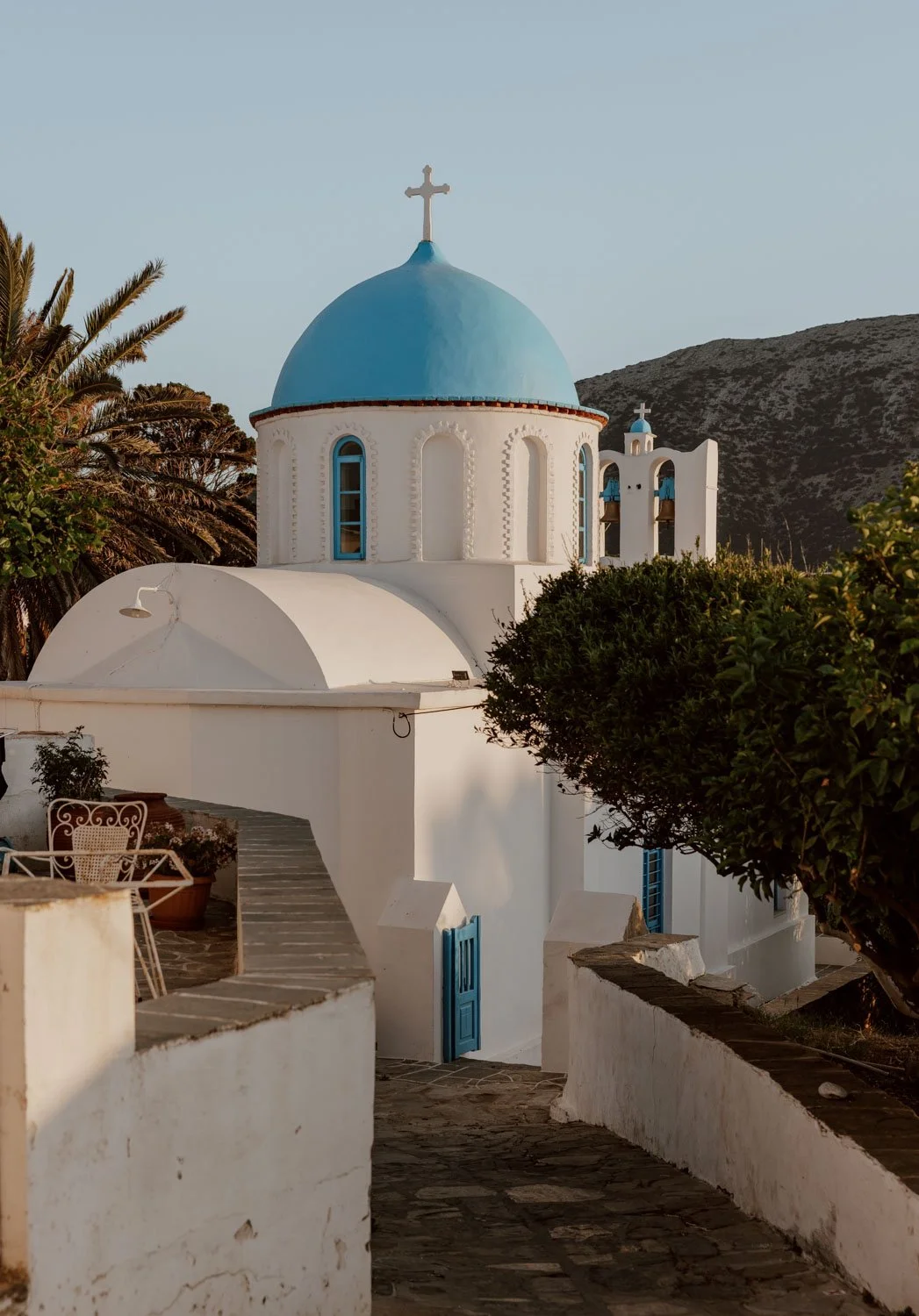
Arrive / Artemonas is the start + endpoint for many of the island's bus routes, and so a doddle to reach from most bases - find the main bus stop here on Google Maps.
If you're in Apollonia though, we recommend skipping the main road, and instead walk up to Artemonas via the pretty backstreets of Ano Petali. It's only about 1km, and definitely the nicest way to go between the two villages. The route starts opposite this pharamacy (maps) and will take you via Kafe O Felos, which we only stumbled across on our final night and wish we'd had time to return to.
If driving to Artemonas, this is a decent free parking area a short walk from the historic centre.
Know / Sifnos is widely regarded as one of Greece’s leading pottery islands, stretching back more than 4,000 years. Rich deposits of refractory clay made the island ideal for ceramics, and the industry was the main source of employment for a long time. Although numbers have dwindled, around 15 working studios keep the craft alive - and offer the best sort of souvenir to bring home:
Some more workshops worth adding to your explorations include: Atsonios Ceramics in Vathi, Ceramics Lemonis Frazeskos in Platis Gialos, Peristeriona in Kamares, and ΚΕΡΑΜΙΚΑ Η ΔΥΣΚΟΛΗ in Cheronissos, whils you can find a full list here.
Stay / Artemonas is a village of apartments and stone houses rather than hotels, although it does play host to one of Sifnos’ most fabulous - Verina Astra. Definitely a special stay, but if it’s in your budget it’s more than worth a look!
You can find all our Airbnb/self-catering options in our in-depth guide on where to stay in Sifnos, but of a few of our top picks include Mylolithos House, Blue Calm Luxury Villa and Aegean View.
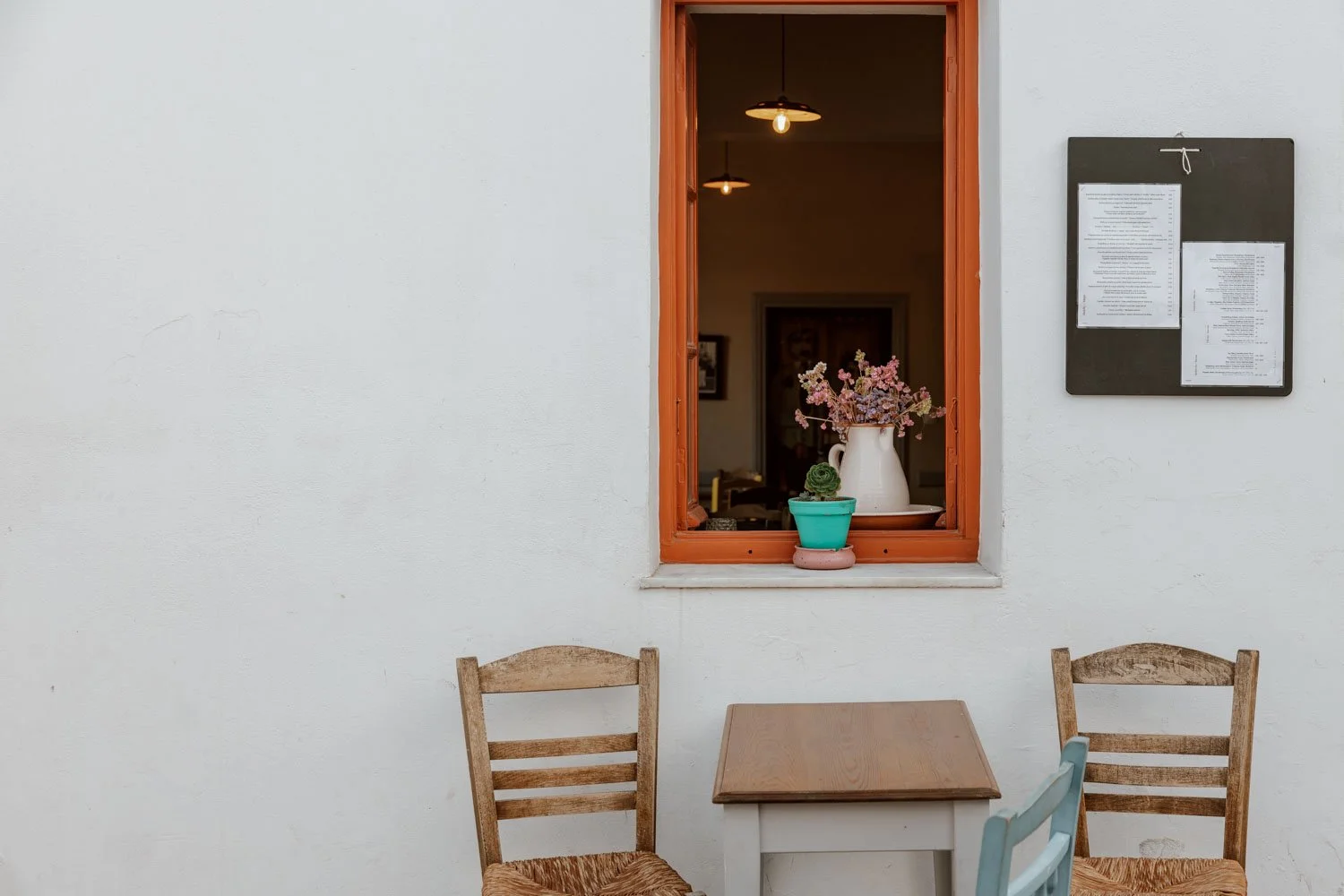
Hike To Paralia Fikiada
As the name suggests and long-time readers know all too well, we’re big fans of walking a dusty trail to a a remote beach, cala, or secluded swimming hole.
Most of the other Cycladic islands we've visited have standout beaches that can only be accessed on foot or by boat, so it’s always formed a core part of the experience for us. Sifnos, on the other hand, stands out for its lack of these harder to reach spots; Paralia Fikiada is the glorious exception to this.
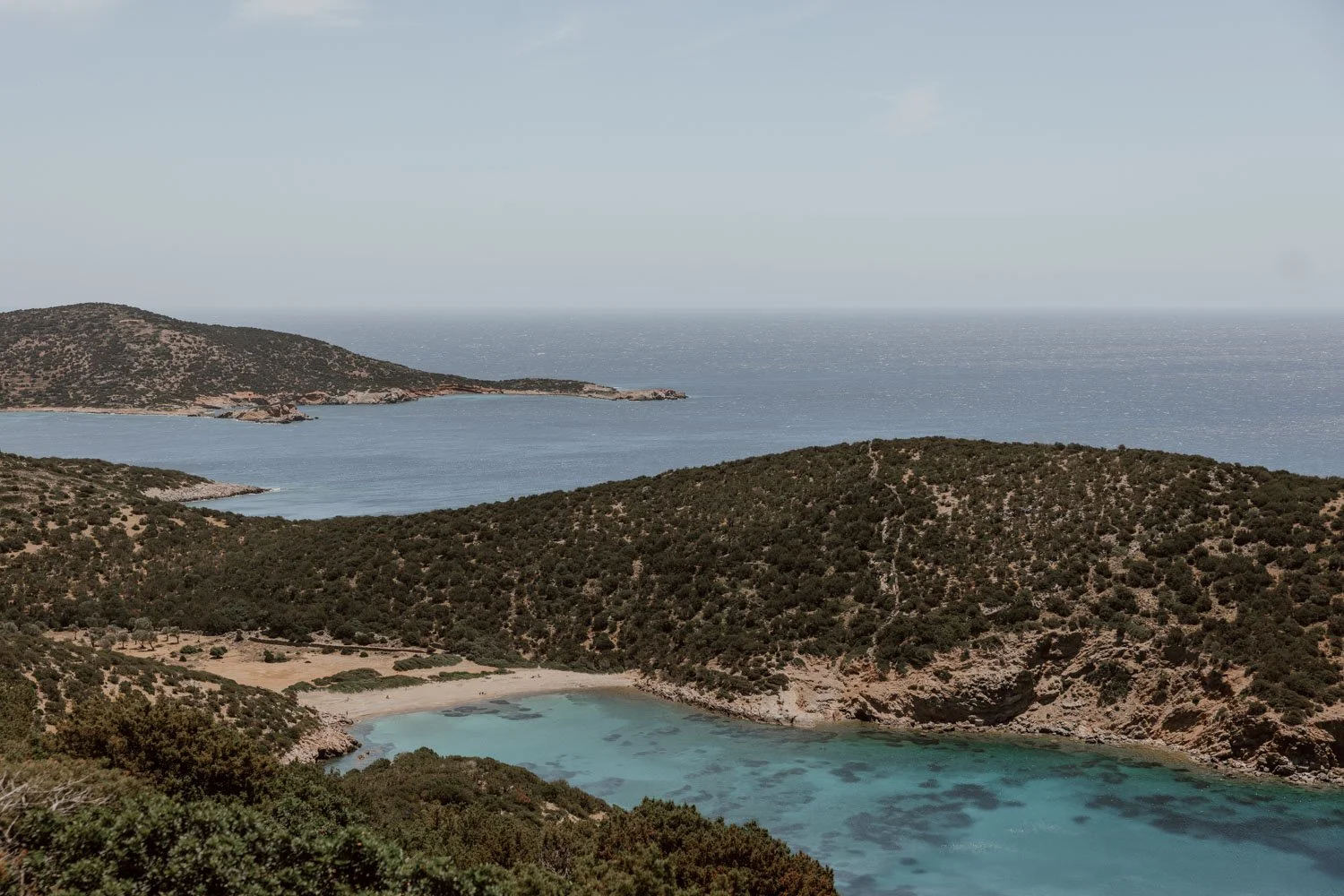
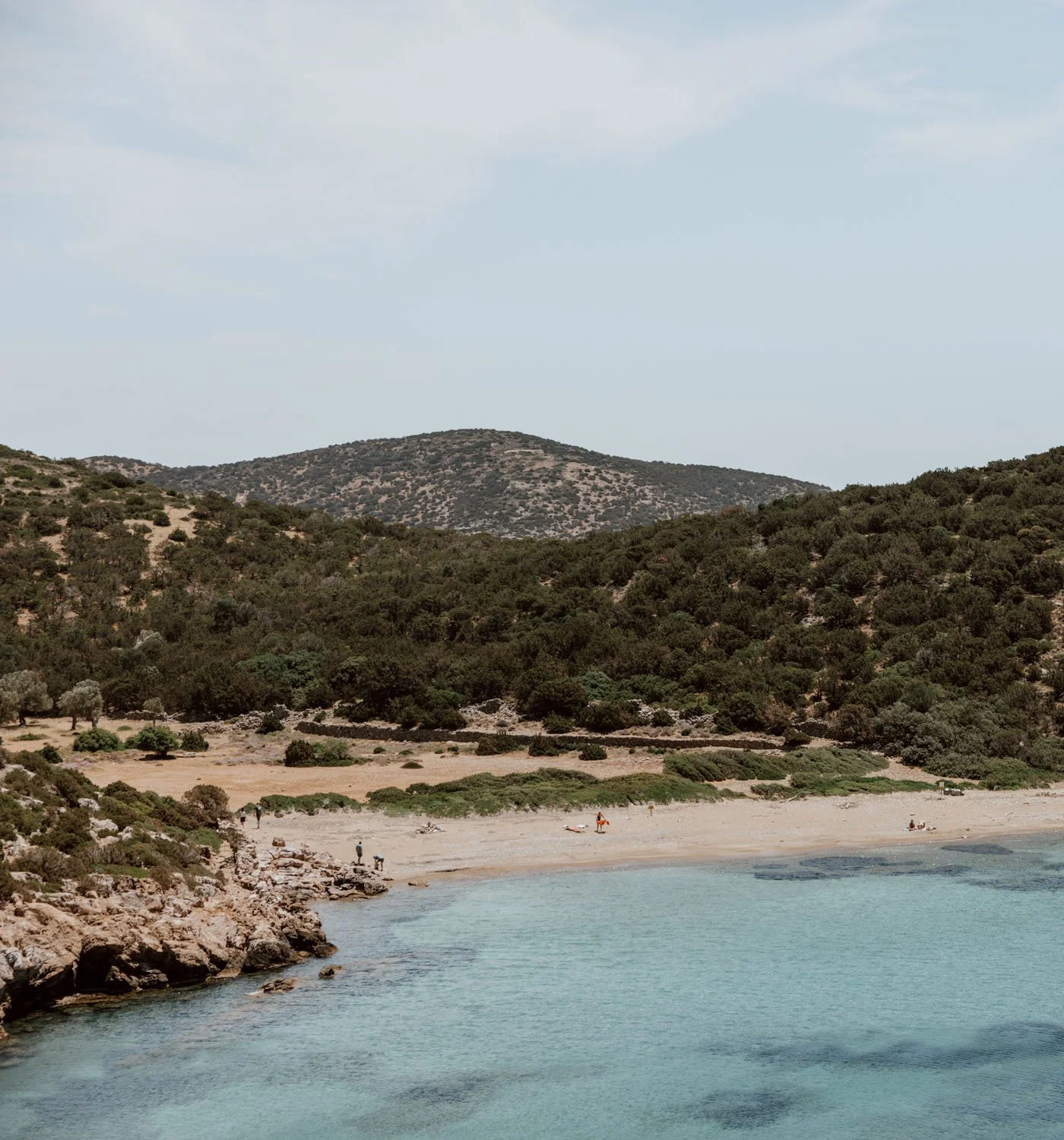
Tucked away in the rugged and undeveloped southern tip, you’ve got to work up a sweat to get down there (but it’s worth every bead).
We spent a glorious Sunday afternoon, sharing it with only a handful of others, and Fikiada’s water was the clearest we saw (through) in Sifnos.
The good news for those who aren’t regular hikers? The trail through the gnarled juniper bushes is eminently manageable and, as there are several ways to structure it, the distance can be lengthened or shortened based on your fitness and preferences.
If you’re looking for a slice of solitude and a more wild beach experience in Sifnos, this is where you’ll find it.
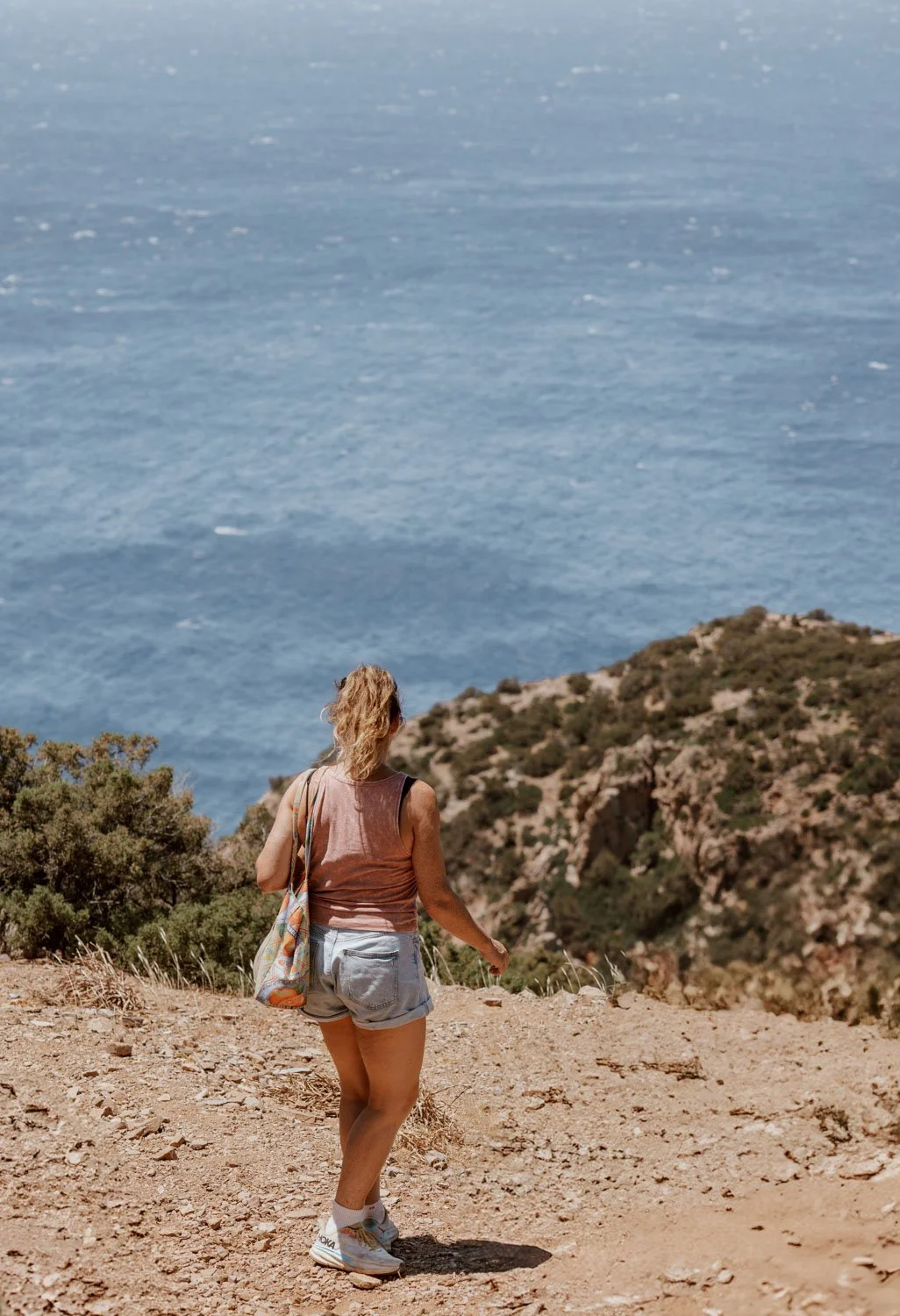
Go / The Platis Gialos - Fikiada loop would be the most challenging, but also the most rewarding way to visit Paralia Fikiada. The 11.4km circular route (Trail 4) takes an average of 4 hours, but you’d need to factor in longer to give yourself time to actually enjoy the beach too. If temperatures were cooler and we hadn’t just come off hiking the Lycian Way, this is how we’d have done it.
Note that you can also adapt Trail 4 into a shorter, more direct out-and-back from Platis Gialos - find out more details on the route here - but we highly recommend researching route and conditions before undertaking this option (especially in hot weather).
We opted for an even shorter route: driving our scooter closer to the trailhead (here on Google Maps), from where it was just under 45 minutes walking along Trail 4 to Fikiada, returning the same way. There’s a big caveat to this option though, which we unpack below.
You can also walk to Fikiada from Vathi along Trail 4a; previous accounts suggest it’s 45 minutes there, one hour back.
Know / The views and the trail are as much of the experience as the beach, and we’d put this down as an easy-to-moderate walk from the parking. Such things are always subjective though, and if you’re not fit or very mobile, it will present more issues and take longer.
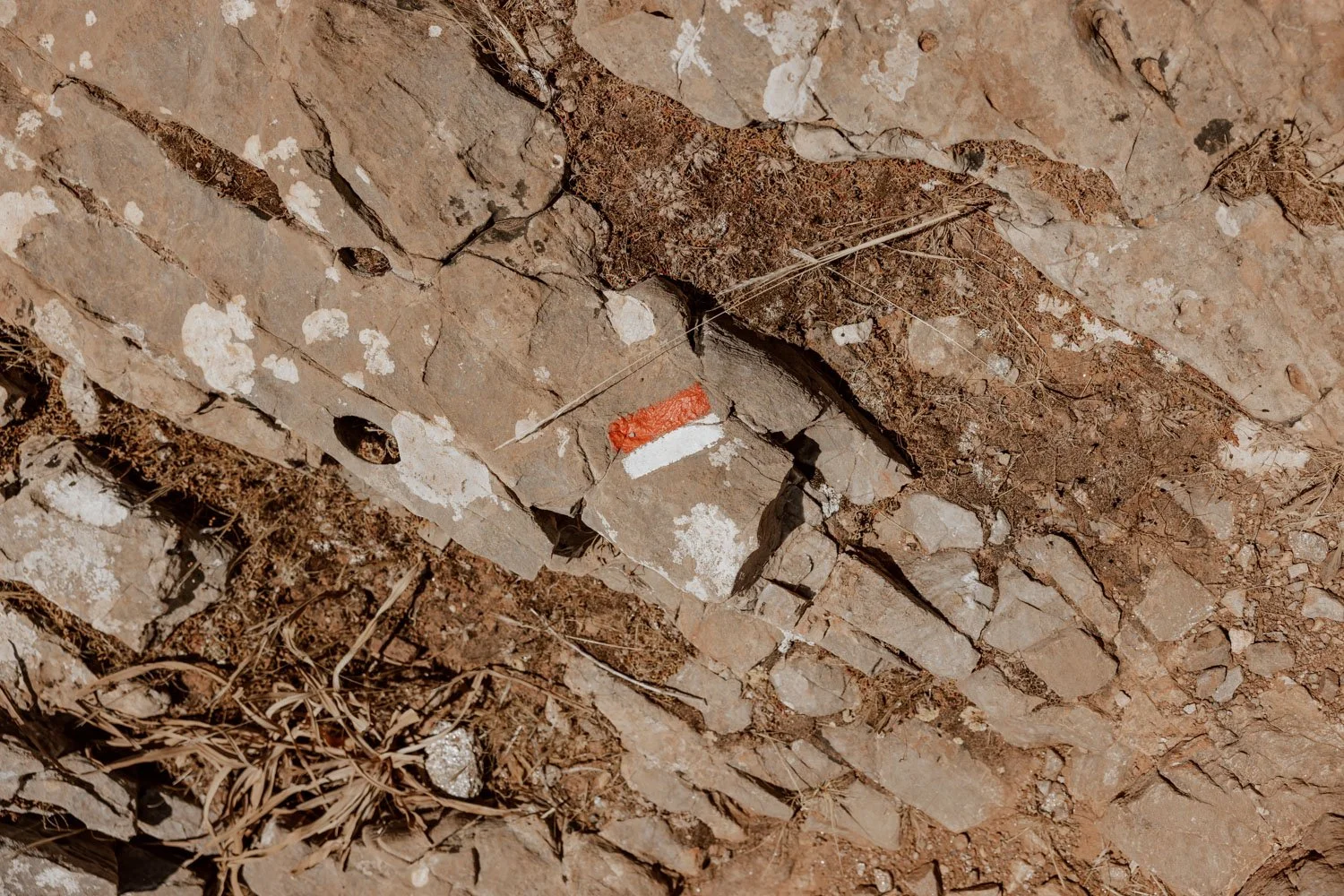
The trail is dusty, scrubby, uneven, and rocky, so you should definitely wear trainers (no flip-flops or Crocs). The red and white trail markers are numerous and well-spaced out, so it’s easy to follow. There are no facilities on the beach or anywhere near the trail, so it’s essential to bring plenty water, wear a cap (little to zero shade along the way and on the beach). Bring an umbrella if you want to spend more than a few hours on Fikiada.
This is one of the few beaches in Sifnos where naturism is possible.
Some people complain about there being a lot of trash on the beach and whilst it isn't pristine, much of what we saw was washed-in flotsam and jetsam, rather than littering, but it’s important that you don’t add to it - this means bringing out whatever you bring in.
Driving/ As mentioned, we drove our rental scooter up the steep road to the main trailhead, but parked up a little walk away (maps) in a spot before the road turned from pretty bad to bad. The way up was not to difficult to handle, but the sandy bends on the way down are really quite dangerous. Andrew’s really experienced on motorbikes and approached these with the necessary respect, but we still went down in the sand and did a bit of damage to the underside of the bike*!
Therefore, for anyone with a rental scooter not setting out on foot from Platis Gialo or Vathi, we recommend parking in this small lay-by (maps). It will increase your overall walking time and distance, but it’s the safest option.
If you’re a confident, experienced rider or have a car, then you can drive up the hill to this point (maps), where you’ll find a few areas to park a short walk from the trailhead. Don’t go beyond the ‘no parking’ sign and fence.
*thankfully we were both fine and charged a very fair €40 by the rental company (see more info in the ‘How To Get Around Sifnos’ section below).
Know/ Hiking is a popular activity on the island, and we were surprised to see the number of proper hiking kit types out in June. Link to the website and review some of the maps. However, it's super important to be aware of the conditions and plan accordingly - we'd skip almost all of them in July or August.
Watch The Sunset from Agios Symeon
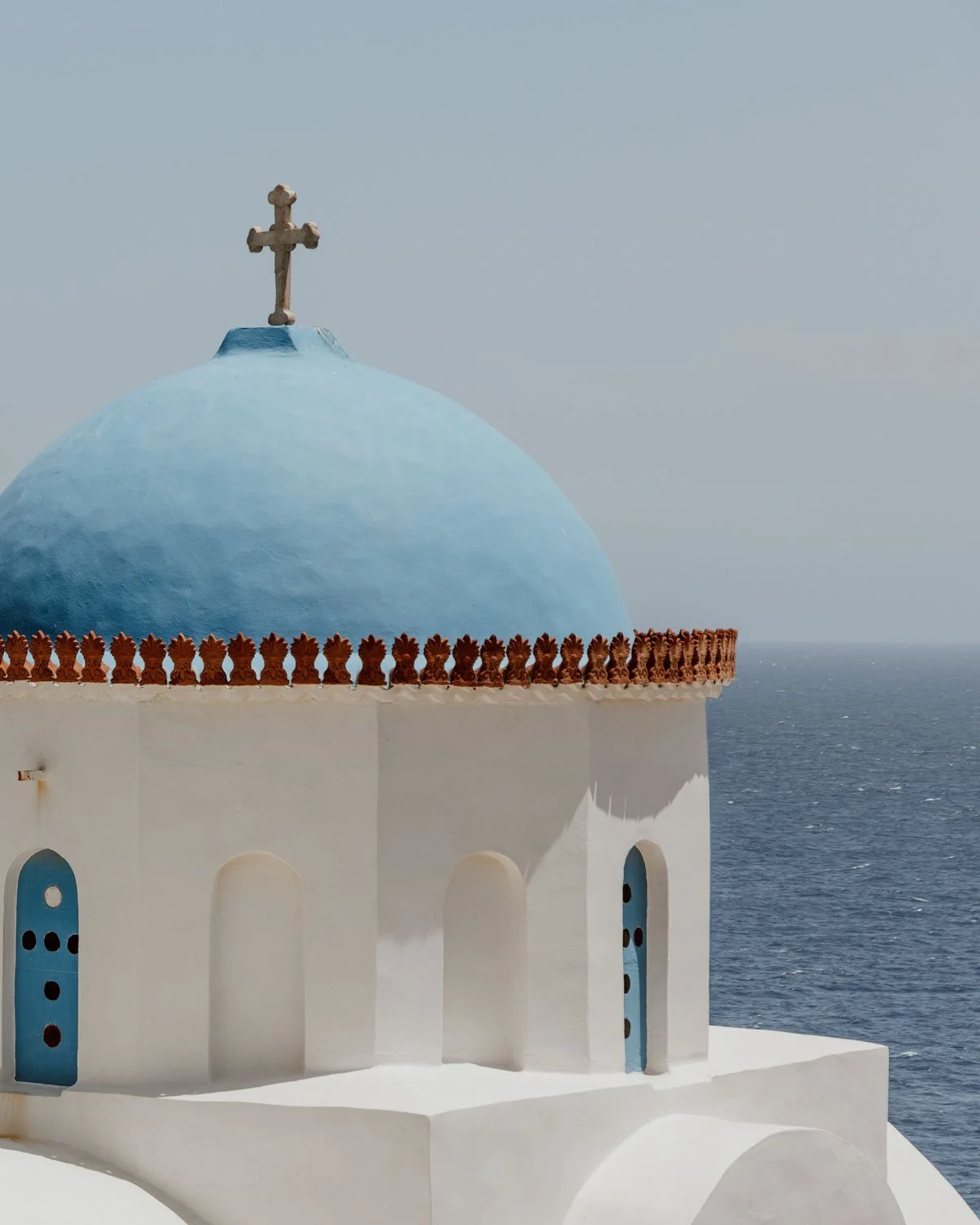
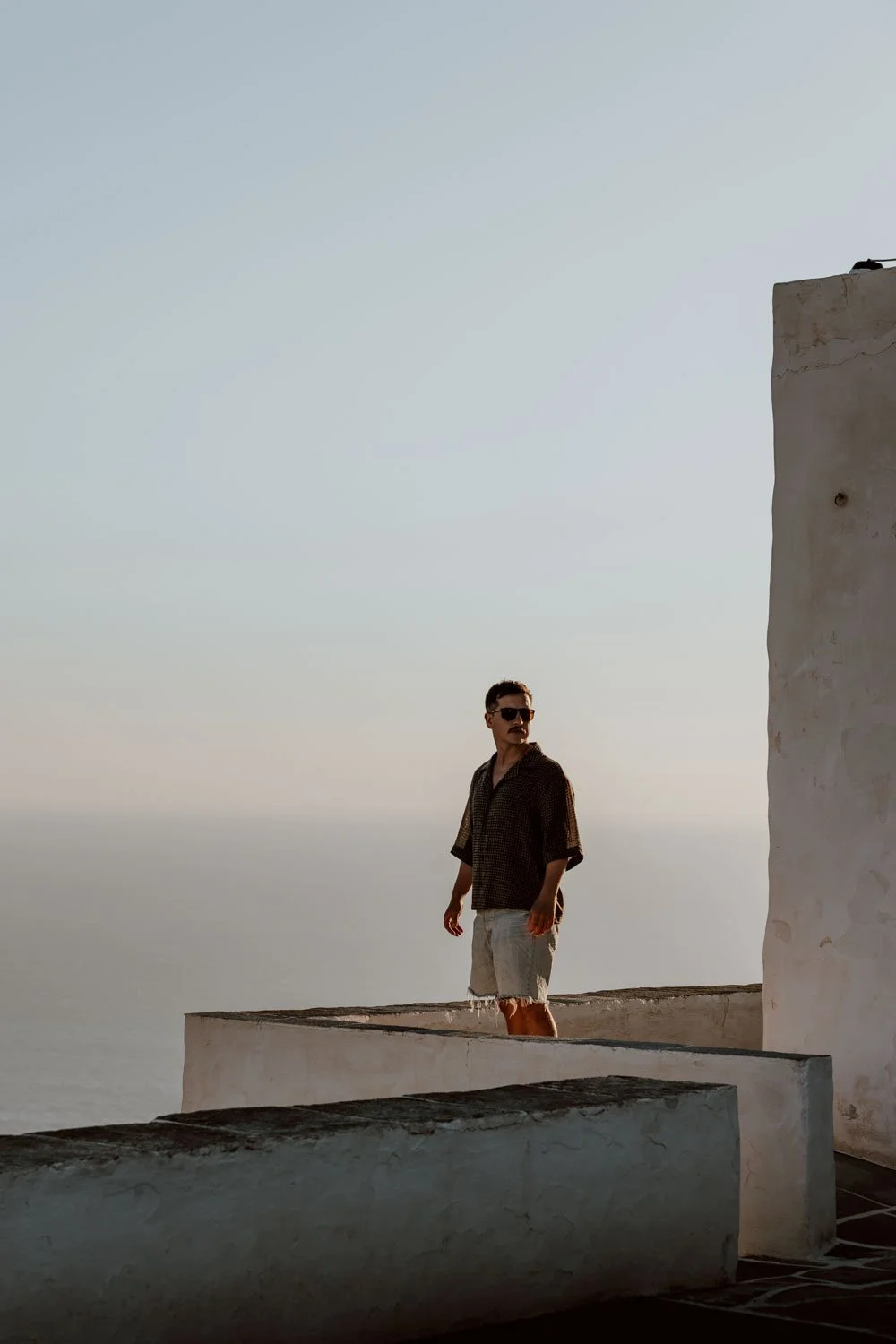
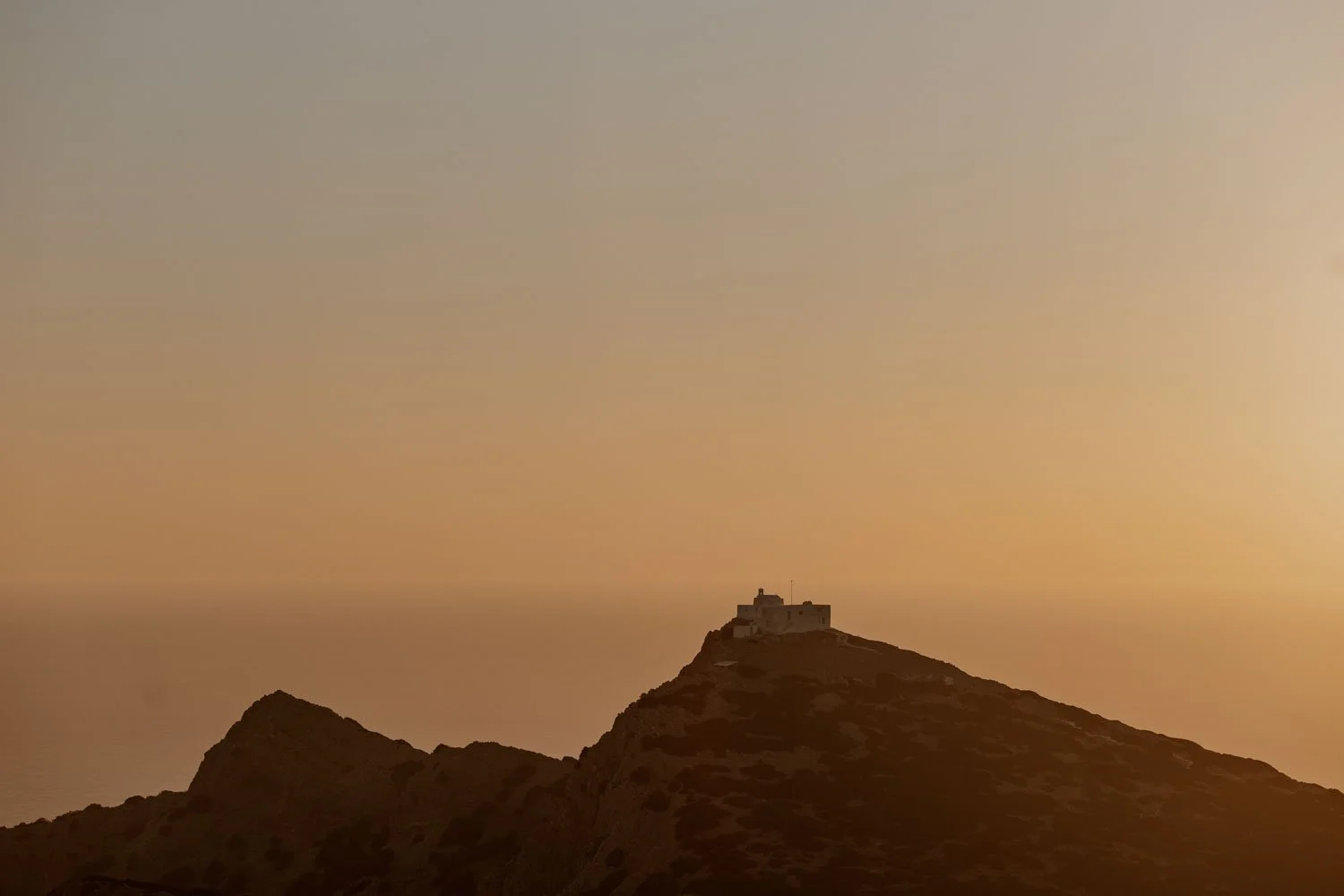
Precariously perched atop the second highest point on Sifnos, you’ll likely arrived Agios Symeon Church via a series of steep hairpins on a MARZIPAN road. The little blue and white church - which you can wave to when the ferry leaves - looks down steeply on Kamares port and is the most popular sunset spot in Sifnos.
It made sense for us to head there on our way back south from Cheronissos, but this was also the windiest day we experienced on the island. Buffeted on all sides, with a real concern that Emily may take flight at any moment, it unfortunately detracted a little from the delightful dance of light and landscape that was taking place before our eyes.
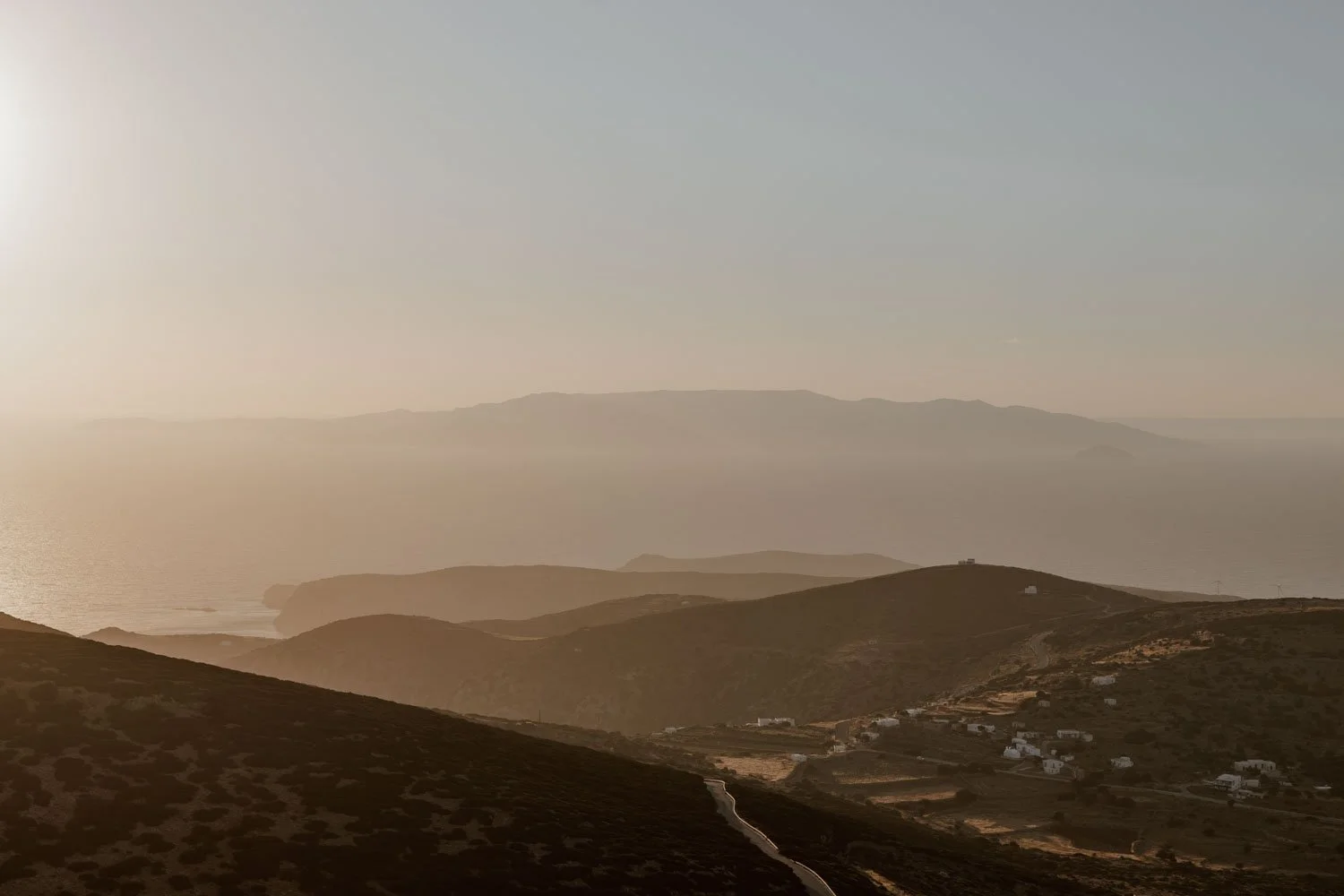
Be sure to seek out the small clay map on the ridge, which identifies the surrounding Cycladic islands. Most appear as little more than silhouettes on the horizon, but it’s a detail that brings the panorama to life and gives a meaningful context of the archipelago.
It is possible to enter the chapel, but this should only be done in the correct clothing and the appropriate respectful way.
Go / The road that snakes its way up is steep, with sharp bends and an roughly paved surface. It won’t be an issue with a car, but scooter drivers need to take care on the way down - everyone should take the bends slowly and cautiously in case there’s someone coming in the other direction.
There’s space for parking by the church.
It’s also possible to hike up to Agios Symeon from Artemonas following Trail 2, but there’s no public transport back.
Know / It was surprisingly quiet here during our late June visit but if you’ll be in Sifnos during the peak weeks of summer, aim to get to to the church around 45 minutes before to secure a good spot to watch the sun go down (and consider bringing a couple of cans of beer to keep you company).
Tip / A nearby alternative to watch the sun go down is the Sunset in Troulaki restaurant (maps, open from 4pm). We passed it on the way up + down, and it had a decent crowd there. Looking at the reviews, some only pop in for a drink but the food is well-rated.
A Slow Day on Paralia Vathi
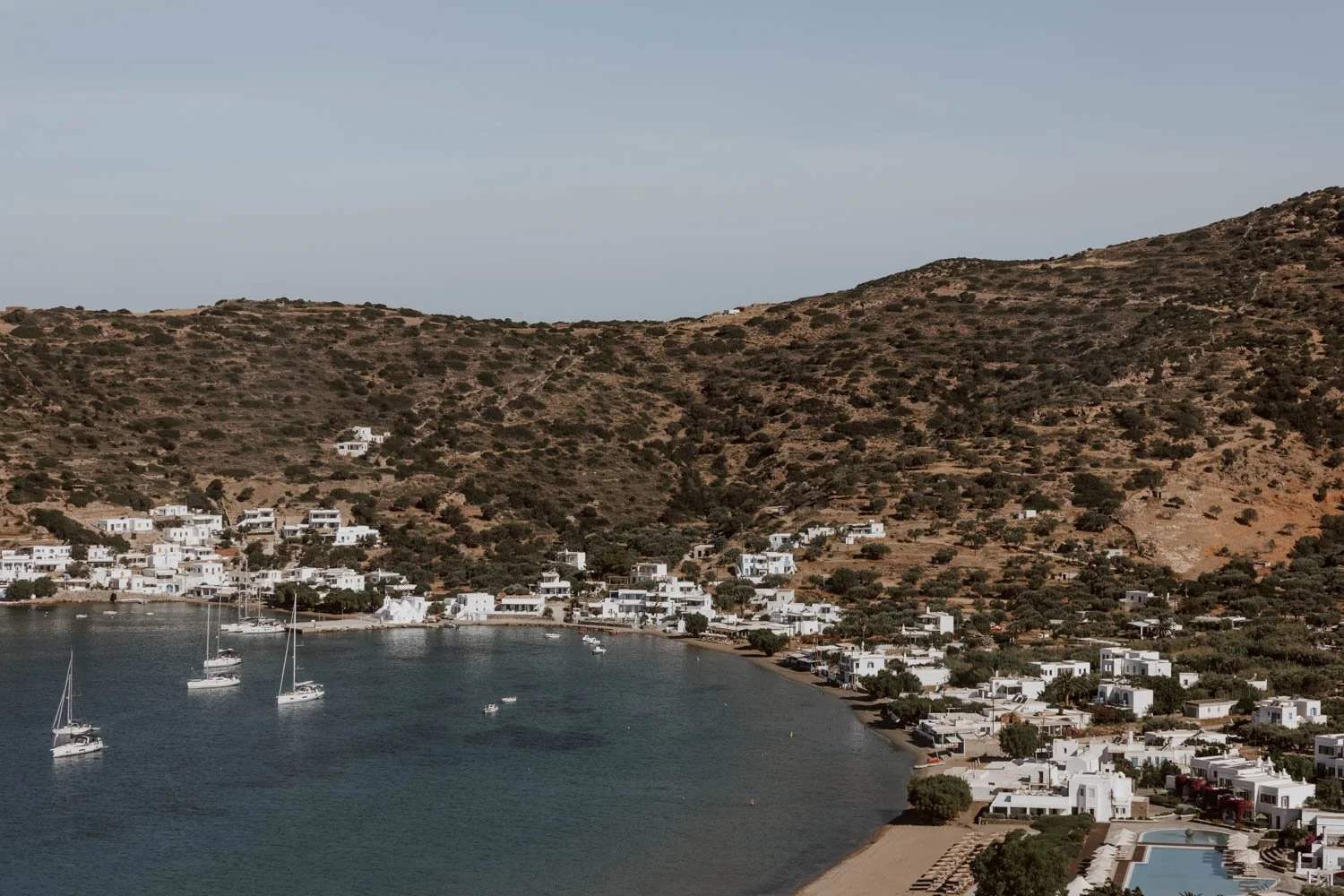
The final beach of the sandy southern trio, Paralia Vathi was only accessible by boat not too long ago.
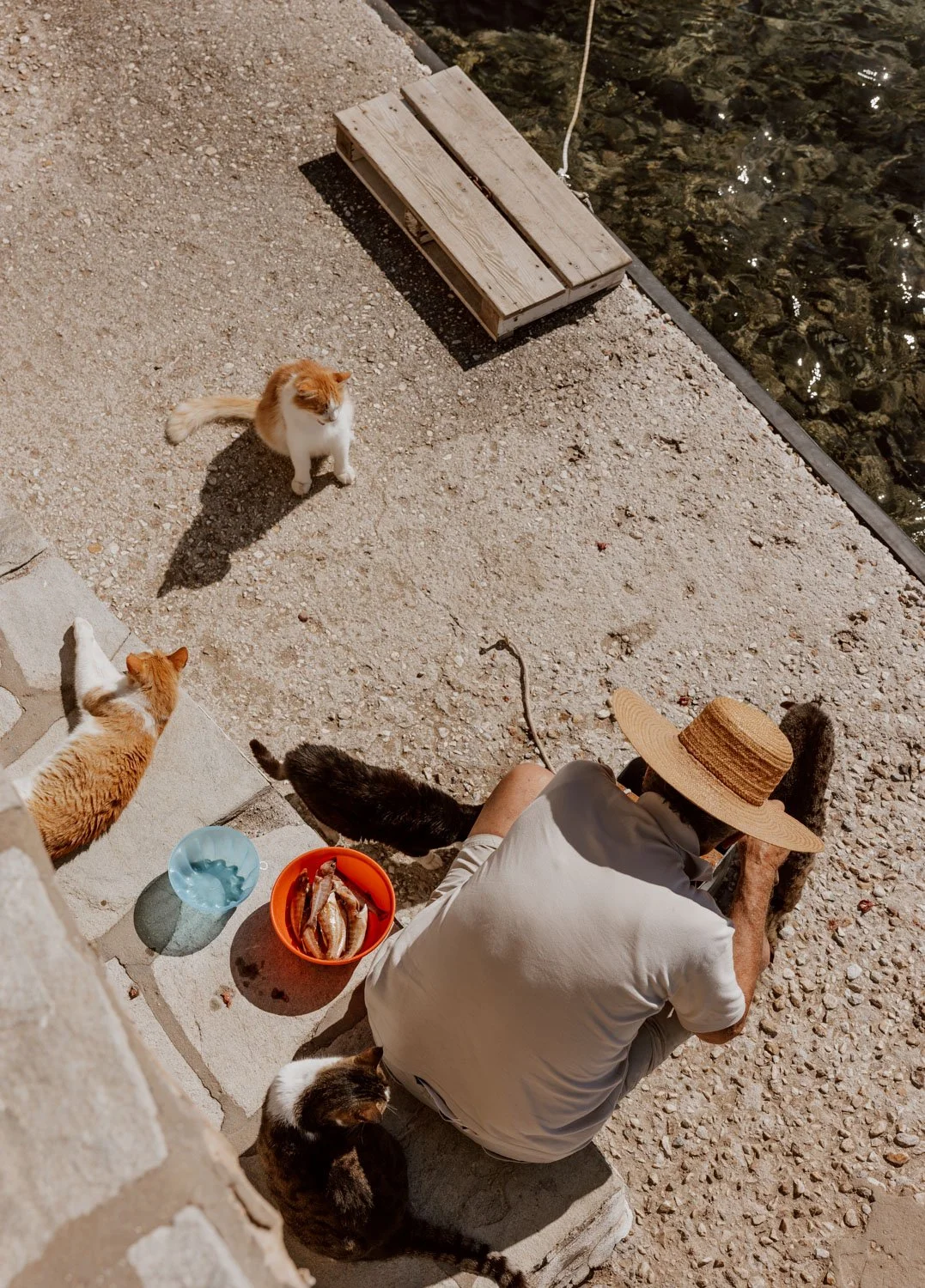
A half-moon bay divided by a beautiful chapel by the water, it will appeal most to those who already ‘get’ the vibe on small Greek islands like this: unflashy, unhurried, do the simple things well. When we arrived, the the only activity was a man feeding several cats from his fish bucket, another walking along the beach with bread and a bottle of ouzo, and a small electric wheelbarrow transporting vats of olive oil.
It’s deceptively large, but feels quieter, more relaxed and spread out than Platis Gialos and Faros. As with those, the water is calm and shallow, making it another place ideal for those travelling with young children.
Its central section you’ll arrive upon is a little scruffy, and we’d point you toward the southern part if you want a nicer spot to lay your towel down. There’s lots of free beach space here, plus a lifeguard, and it’s also where you’ll also find the 5-star Elies Resort and the Nostos beach bar.
Alternatively, saunter in the other direction through the archway, and you’ll eventually arrive at the patch of sand between Taxiarchis church and the Tsialkis Taverna. This area may be too small for some people, but it is opportune for nabbing yourself a good table at this scenic, family-run restaurant.
We'd suggest this isn't a must-do visit for the beach itself (although Emily sort of disagrees - she loved it here), but rather a place to come and have few hours of sunbathing and lunch.
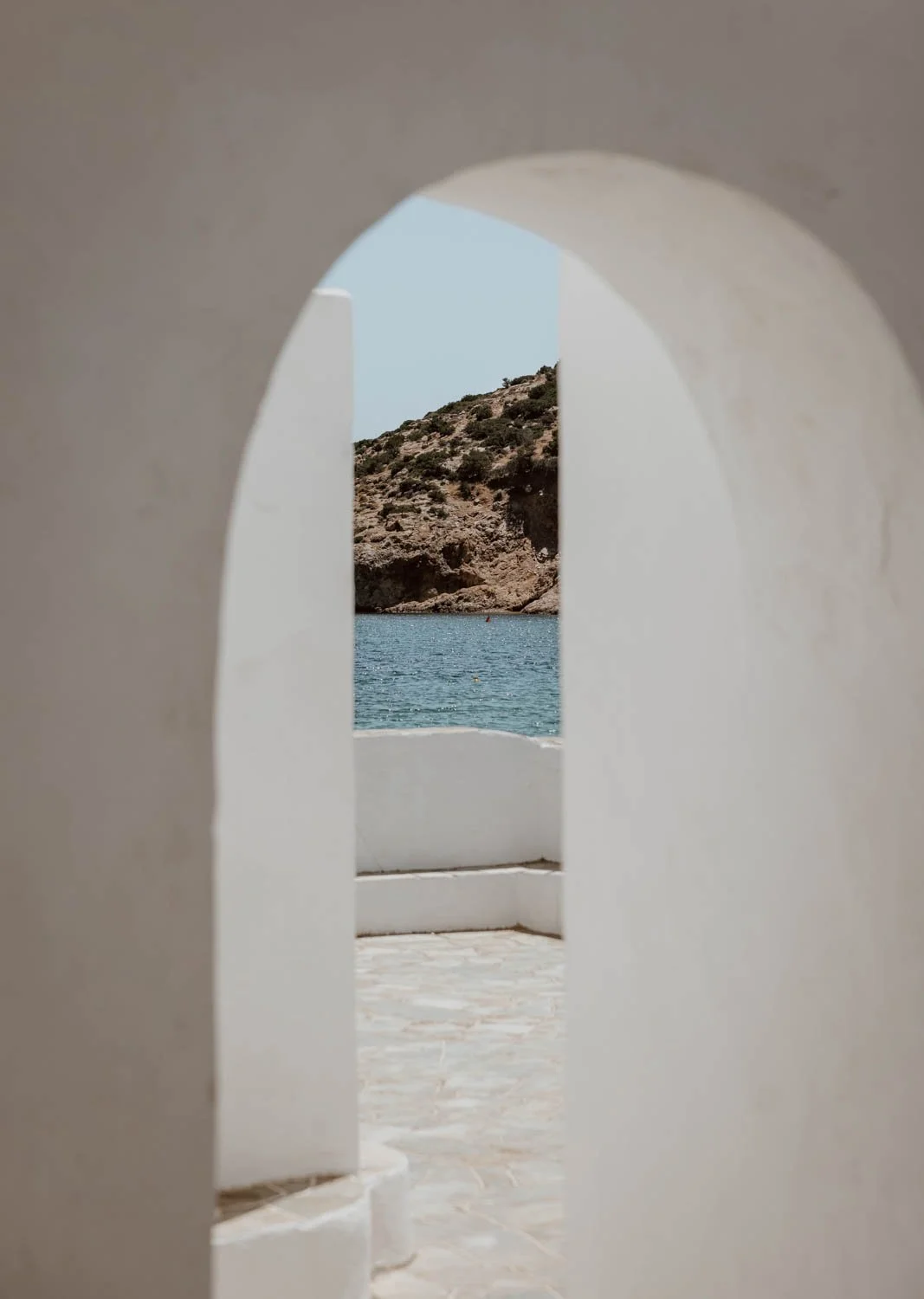
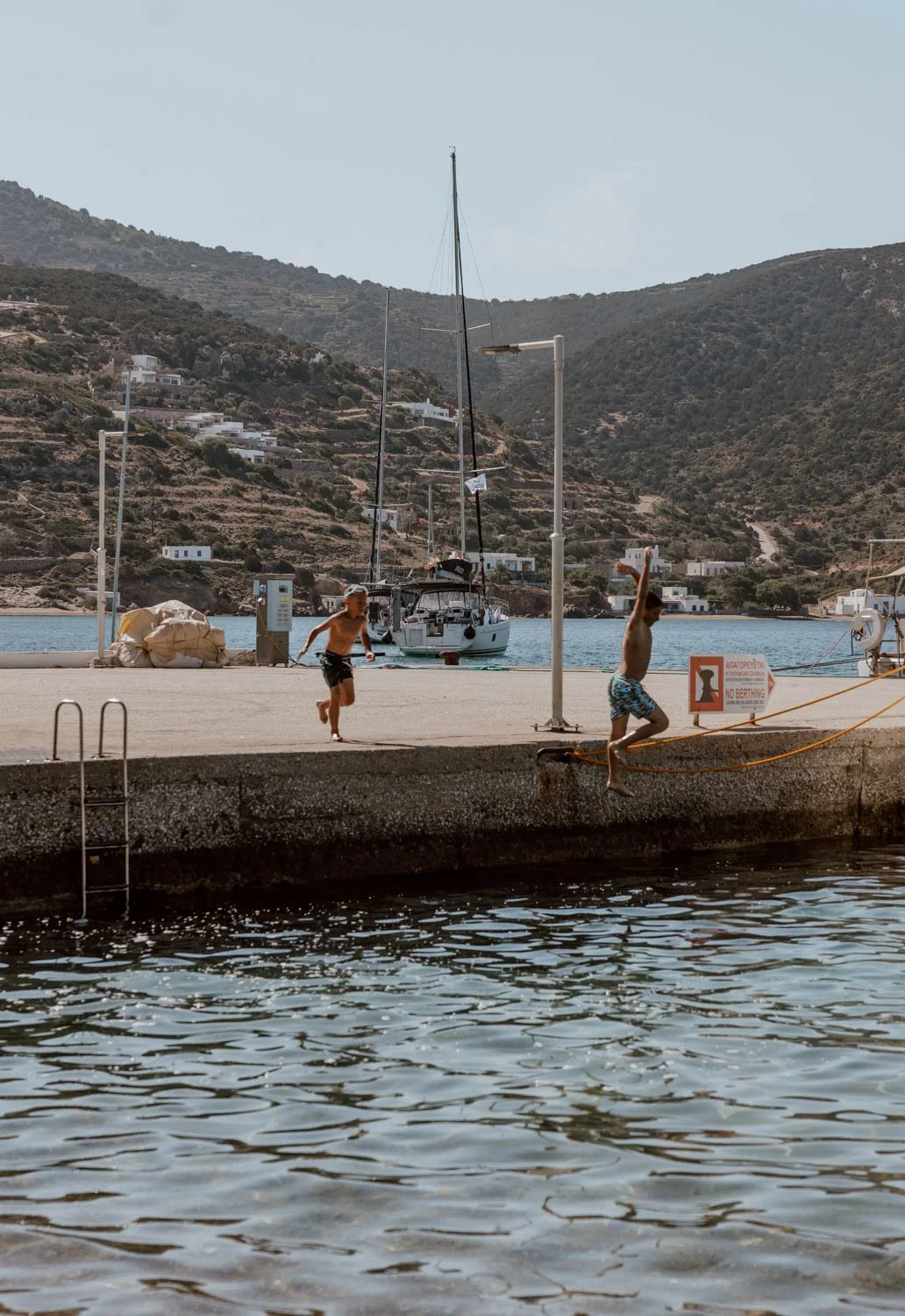
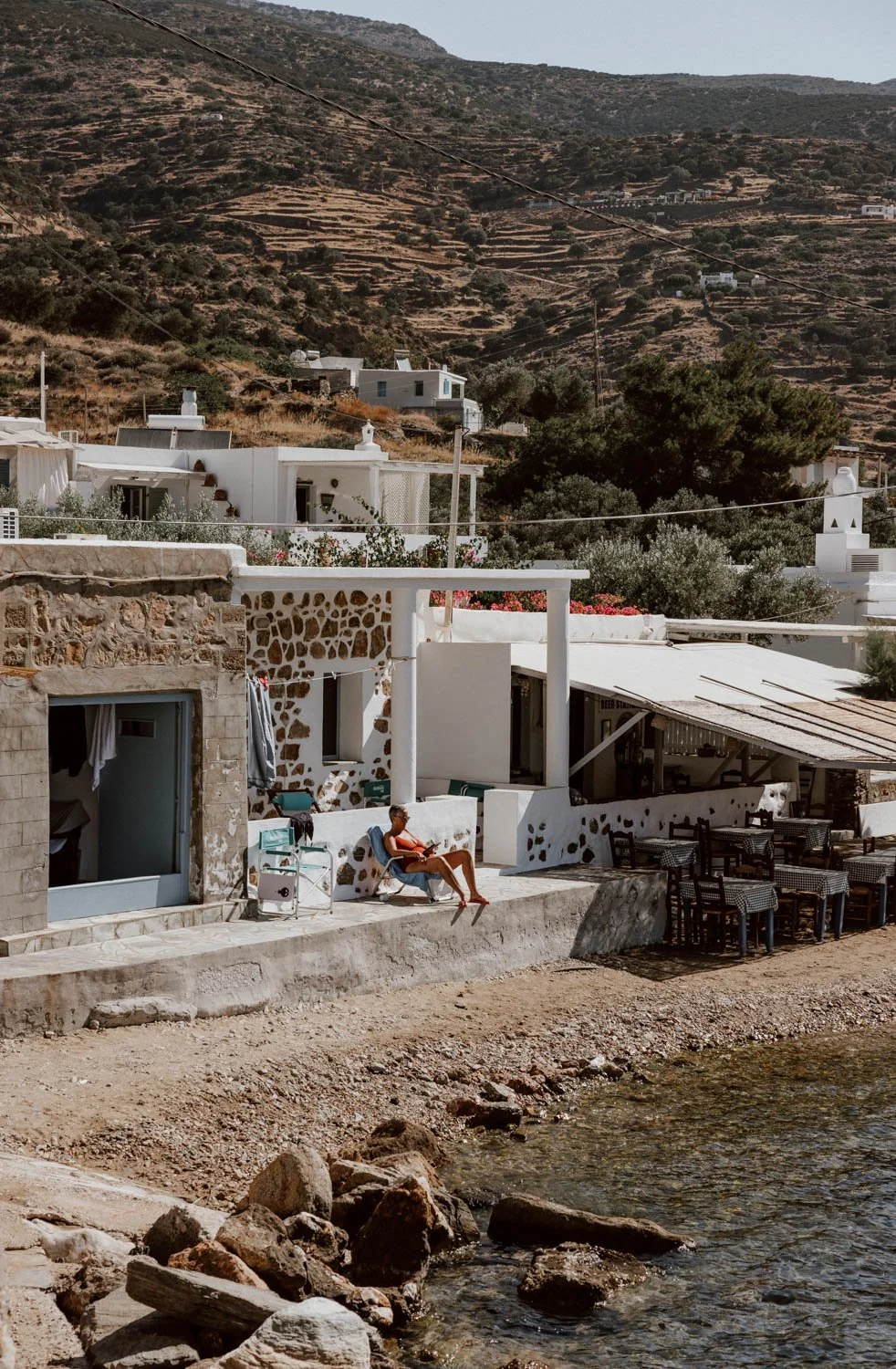
Eat & Drink / Under the shade of the tamarisk trees, the tables and chairs on the tilted sands of Tsialkis Taverna offer an idyllic setting. The food here at this busy family restaurant is traditional and tasty, and we’d happy to recommend it from our own experience.
There are a handful of other traditional tavernas on the longer section of beach - Okeanida would have been our next choice, whilst there’s also Manolis and the peeling pink platform of Deep Blue - but Tsialkis probably offers the most appealing locale for day trippers.
Bola is a more modern restaurant and beach cafe by the mini-market. We only went there to grab a freddo espresso for the sand, but it offers omlettes, burgers, and sandwiches if you want something like that. They also have a few close together sunbeds on a narrowed bit of sand (€30 plus €50 min spend on food), but it wouldn’t be our choice for the day.
At Nostos, two sun beds and an umbrella costs €35-40 depending on the season, and It's possible to prebook your spots online in advance.
Arrive / There are morning and afternoon Vathi buses from/to Artemonas & Apollonia, but departures aren’t as frequent as you may expect, so it’s a good idea to plan your day around the schedule. The bus stop is the little white shelter - here on Google Maps - a short walk from the beach.
If arriving by car or scooter, you can park for free here. Note that the parking area is located a few minutes walk from the beach, which is part of what gives Vathi such a wonderfully relaxed feel.
Stay / Looking for a special stay in Vathi? Elies Resorts is a long-standing favourite, or if you’d prefer something a little more intimate Eutopia Suites may suit you more. Alternatively, Aerides Boutique Rooms - set in an old seaside building once tied to the village’s potters and fishermen - offers a more affordable and characterful stay.
How To Get Around Sifnos & Some Travel Tips
At around 15 kilometres long and 7.6 wide (9.3 by 4.7 miles), Sifnos is smaller than most people expect and home to fewer than 3,000 residents. Roads are pretty much all paved, and one can reach nearly all of the main places by public transport or rental vehicles; we split our week between relying solely on the buses, then renting a scooter.
Apollonia and Artemonas are the hubs, with roads running out from them to the southern beaches and villages, and this layout makes planning for beach day trips straight forward.
Ferries & Arrival in Sifnos
The only way to arrive in Sifnos is by ferry (or expensive helicopter), and you have regular daily connections with Athens (Piraeus), Milos, Serifos, Kimolos, and Paros. You also have direct routes from Mykonos (2 hours), Santorini (3 hours), and Naxos (4 hours).
We recommend getting an overview of schedules and island-hopping connections on Ferryhopper.
You'll always arrive in the port village of Kamares. Whilst it's got a very decent sandy beach and certanly has its merits as a base, it doesn't make it into our 'best things to do in Sifnos' as a standalone destination. As your arrival point though, it's a good idea to know the following:
· There are regular buses from Kamares up the hill to Artemonas & Apollonia. You can find 'bus stop A' next to the triangular paving area with benches and trees just a short walk from the ferry dock, but you can also walk along the road and wait in the small shaded shelter at 'bus stop B' next to SunTrails Car Rental.
· The buses are all large 50+ seaters with a large luggage compartment underneath, so you can easily travel with suitcases.
· There are several car rental agencies a short walk from the ferry dock. If you know you'll require a vehicle for your stay, then it makes most sense to collect and drop-off here - check prices and availability here.
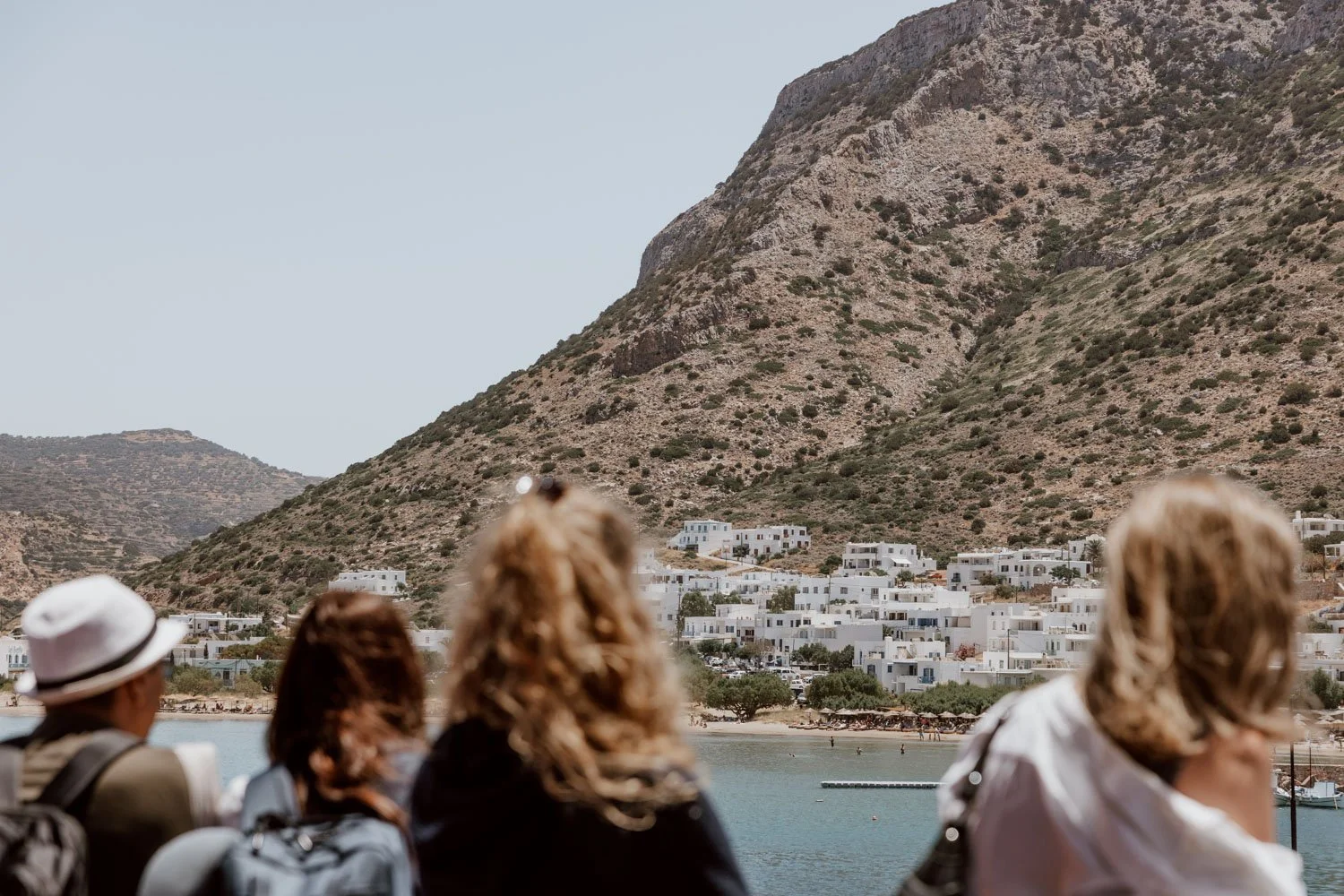
Buses in Sifnos
The good news is that, depending on where you're based and what you've got planned, it’s definitely possible to get around and enjoy most of Sifnos with the bus network. The caveat is that some routes run infrequently, so day trips need planning rather than spontaneity - and on shorter visits, the schedule may feel a little restrictive.
Our tips for the Sifnos buses:
· We never had an issue in June with getting a seat. However, in July to early September, the demand may make it a better idea to join the queue a little earlier.
· Routes and departure frequency scales up or down with the season, so don't take for granted that a connection or last bus time that exists in July will also be available in May or June.
· You can find the latest timetable and routes online here https://sifnosbus.gr. You'll also see several taped-up signs with QR codes on arrival in Kamares. We recommend scanning those to ensure you've got the latest version for your actual dates, and taking a screenshot for offline access.
· You should also take a shot of the list of taxi numbers there too, just as a back-up in case you miss the last bus.
· Most journeys costs €2.20 per person, but longer routes are €3.50 (i.e. Kastro - Faros, Platy Gialos - Cherronisos).
· Board and grab a seat, and the ticket collector (we call them the ayudante) will eventually come to collect payment and issue tickets. Cash and the correct change / coins are MUCH preferred by them - Andrew always has a plastic bag full of change handy to charm Greek shopkeepers and bus drivers - but you'll have no problems getting change for a €10 or €20 note.
· We did see a few people pay by card, but go old school and appreciate the clang of metal coins and counting out correct change.
· If there's no ayudante, then you just pay on exit to the driver.
· Always check the front of the bus to see what the destination is (but it's only in Greek), or ask the driver / ayudante if unsure. Buses tend to run direct from Artemonas and Apollonia to a single southern beach, rather than stopping at all of them, and on two occasions we saw people realise they'd boarded the wrong bus only after arriving at Vathi and Platis Gialos!
· Artemonas and Apollonia are definitely the best bases for travellers relying exclusively on the bus to get around. They have the most regular departures and direct connections to every place you'll want to spend the day, and you're only 25-30 minutes to Faros, Vathi, Platis Gialos, and even Cheronissos! The main bus stop in Artemonas is here on Google Maps , whilst you can find Apollonia's here.
· If staying at Kamares port or the southern beaches, routes are less frequent and often require a connection or change in Apollonia. This means your day trip days and evenings out will be shaped by the timetable, with more advance planning required and acceptance of some limitations.
Changing bus also requires a separate ticket.
This may mean renting a car is both more convenient for your plans, and more cost-effective than relying on buses and unexpected taxis.
· That being said, they're really good with late night buses back on Sifnos, so you will be able to have that sundowner and supper in Kastro, Platis Gialos, or Apollonia and Artemonas. However, just make sure you're there queuing for the last bus, not running for the last minute, as it can leave a smidge earlier than stated.
· Given the hub-and-spoke layout, if you're relying on buses, it's worth planning one beach per day rather than trying to link several - getting from one southern beach to another usually means backtracking through Apollonia first.
· The views are exceptional at some stages of the bus journey, so look out the window rather than scrolling.
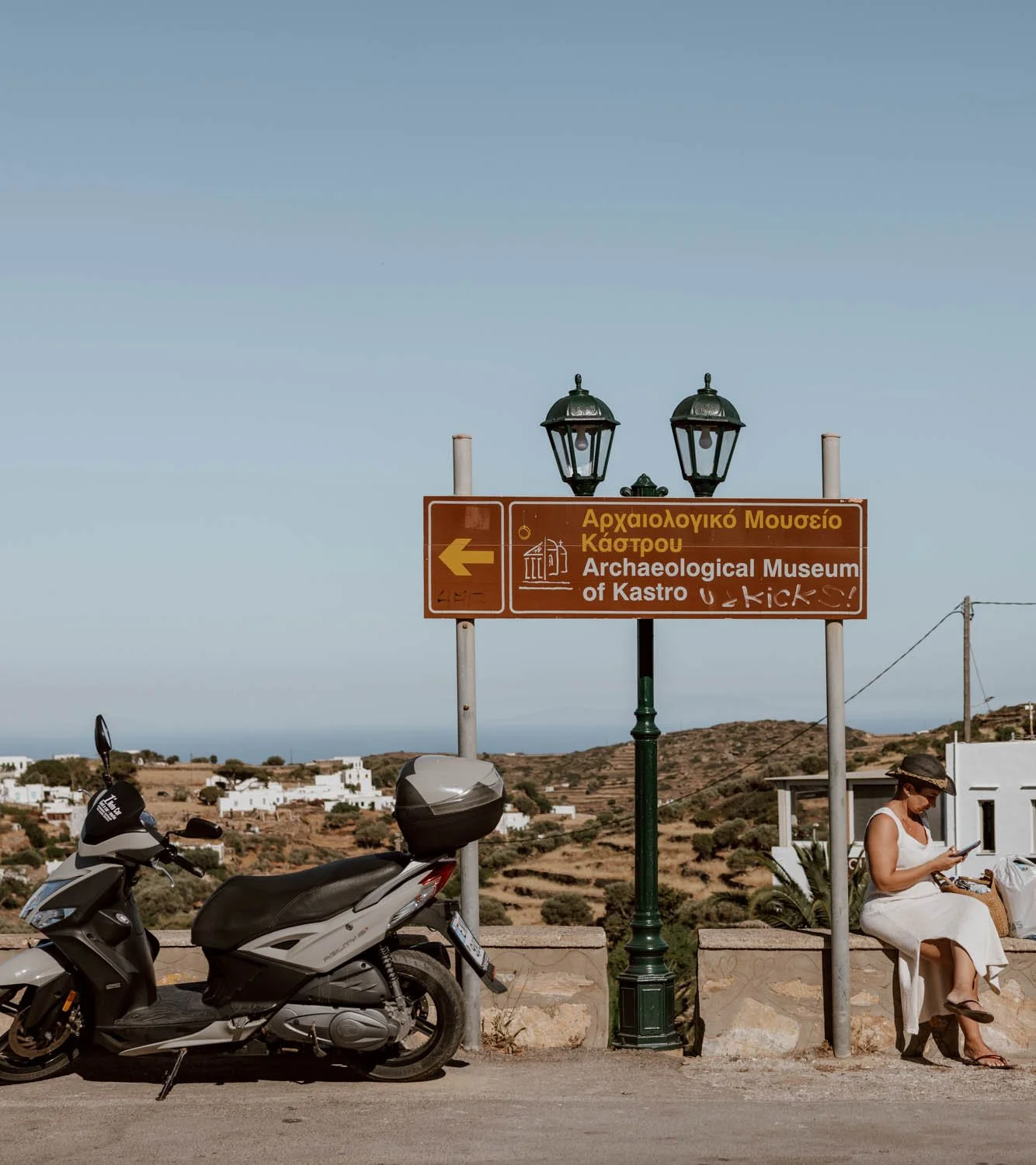
Car Rental in Sifnos & Scooters
For those with a remote base, travelling a group, or just less time but big plans, then having a car is probably going to be the better option.
As mentioned, there are several agencies based in Kamares and it's going to be most convenient to collect and drop-off from there. Find and compare XXXX,
The roads and conditions won't pose many issues, and parking is free and quite generous for all the beaches and villages. You do have to exercise caution at the slightly chaotic Apollonia junction, and if you're caught behind a reversing bus, try not to panic!
Scooters are also a good option for Sifnos, but it's important to ensure you have the correct licence and necessary insurance; many travel policies exclude coverage if you don't have a valid motorcycle licence or endorsement, so it's worth checking the fine print before you book.
Most roads will pose no issues, but you will need to really pay attention on the way up/down from Agios Symneos. Please also bear in mind our own experience on the road to Fikiiada, and note that the road to Paralia Vroulidia becomes awful quite quickly, so you should either park up at the main car park and walk, or go down a little to a more sheltered area - do not continue all the way down to the beach.
Based on our own positive experience, we can happily recommend Yannis Rent-a-Motorbike in Apollonia. with a 125CC scooter costing €35 per day.
We did see ATVs for rent in Sifnos, but we really don't think you need one.
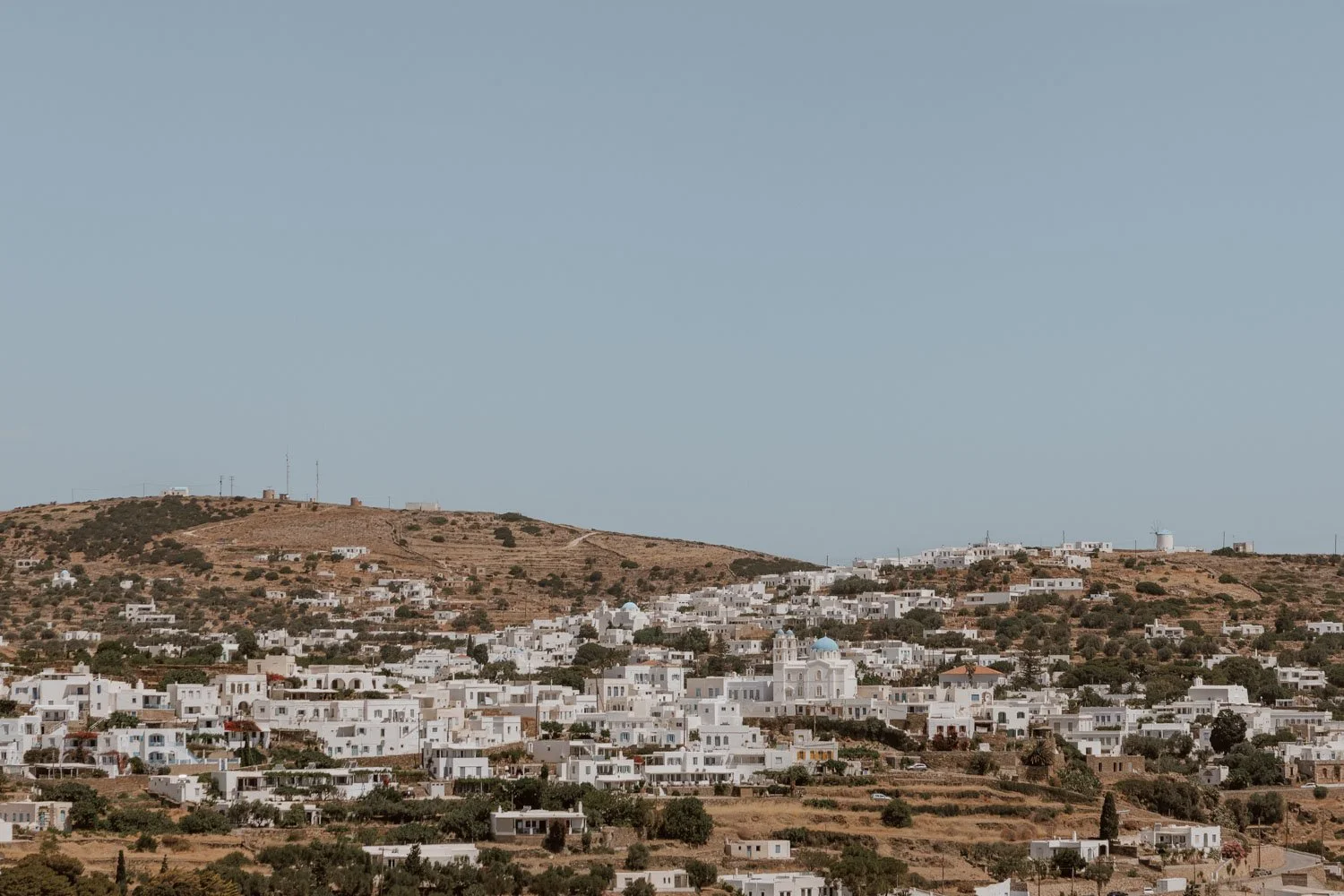
Hiking in Sifnos
Sifnos has an excellent network of hiking trails, and you'll see maps and waymarkers in many places. These range from practical walks anyone can do in under an hour to more rigorous 15km undertakings, but you'll also naturally walk parts of sections just as you're exploring the island.
Whilst we're avid hikers, our summer visit was very much NOT based around hiking, so we'll instead point you to the fantastic Sifnos Trails website where you'll find more details on all the routes.
One point: hiking in Sifnos in the heat of July to August is not recommended, and some days in June and September will also be too hot. If you're looking to make walking on Sifnos a key part of your plans, then we suggest May or Octobers as the better months.
Plan // Where To Stay in Sifnos



Our guide to the best things to do in Serifos, from exploring hilltop Chora, and wine tasting in the wilds, to finding the island’s loveliest beaches.