


18 Things to Know Before You Visit Panama
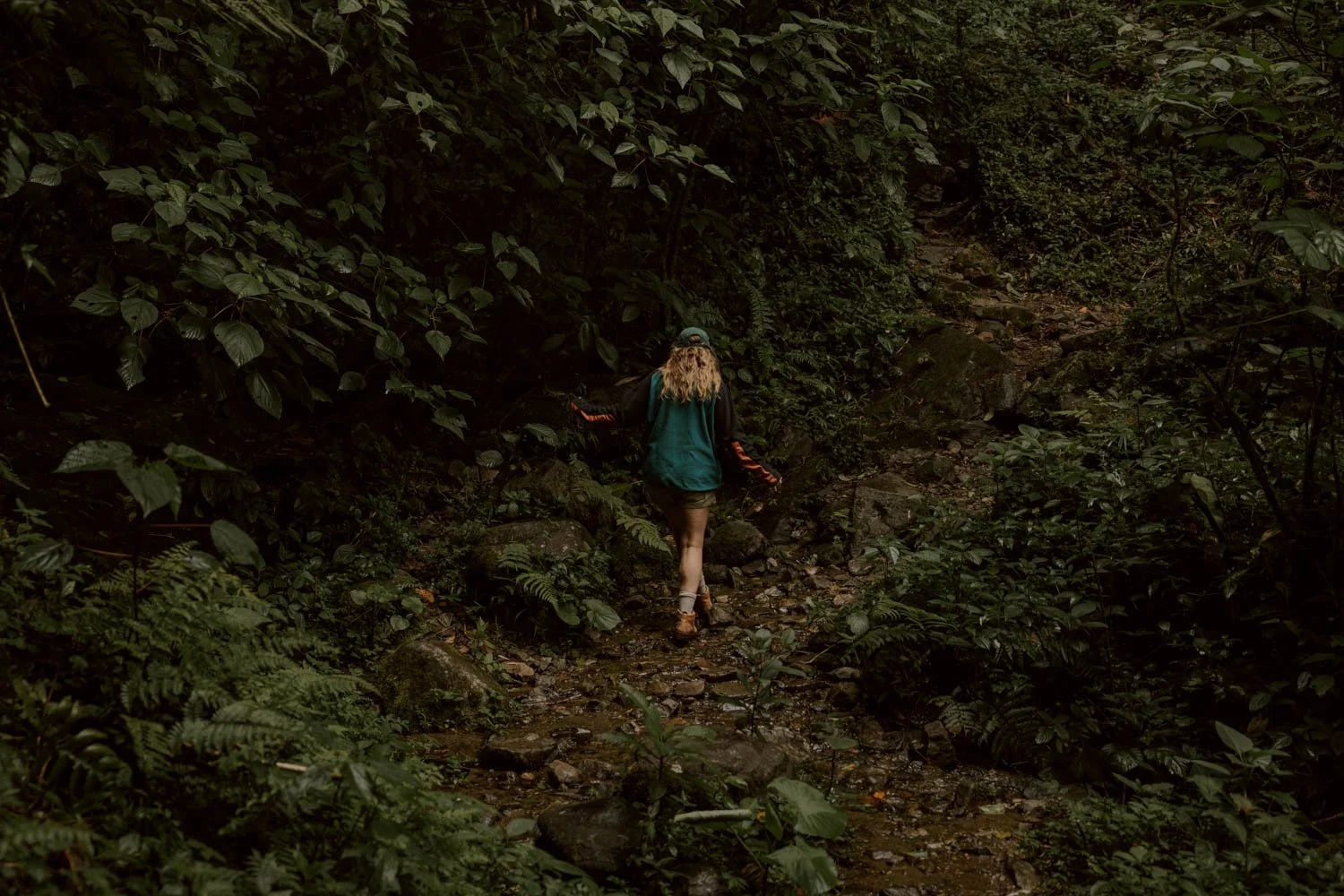
We learned a lot on our month-long adventure in Panama.
The country that unites two oceans and connects North and South America, it still flies relatively under the radar when people talk of travel in this part of the world. After our experience though, we think it’s ideal for a standalone adventure or worth lingering a little longer as you backpack through Central America.
If you’re just starting out with your planning, or making your way through our Panama travel guide series, this post will help you map your journey, make the most of your time, and experience Panama to the fullest.
As well as practical tips to shape your itinerary and avoid some common mistakes, we’ve also shared some of the essential context to help you understand the country and make the most of your time out there.
This is 18 Things To Know Before You Visit Panama.
Panama Is More Than The Canal
For many travellers, Panama begins and ends with the Canal. It’s the country’s most recognisable landmark and, for some, the main reason Panama appears on a Central American itinerary. But treating Panama as a stopover or overly focussing on the waterway misses both its diversity and the appeal of the country.
Whilst the Canal remains central to Panama’s identity and economy, accounting for around a quarter of national GDP, for the traveller it represents only one thread in a far more varied country. Beaches on two coasts, cloud forests, autonomous indigenous regions, surf towns, and a cornucopia of islands all lie well beyond the Canal Zone.
Planning a trip that looks past the obvious is what turns a short, predictable visit into a rewarding, surprising one.
Panama’s Relationship With The US Shapes A Lot
And yet, to understand Panama is to understand the Canal, and the country’s complex relationship with the United States lies at the root of both.
Much of the country’s modern history is inseparable from American strategic interests.
At the start of the 20th century, the United States played a decisive role in Panama’s separation from Colombia, driven chiefly by the desire to build and control an interoceanic canal. The quirky geography of the isthmus of Panama made it the ideal place to attempt to link the Pacific and Atlantic Oceans and, when the Canal opened in 1914, it didn’t just transform global trade; it effectively shaped the trajectory of the Panamanian state. For decades, the Canal Zone - a wide corridor slicing through a sovereign nation - operated as a US-administered territory, complete with American governance, infrastructure, housing, and laws.
This arrangement lasted far longer than many first-time visitors may realise. It wasn’t until 1999 that full control of the Canal was formally handed back to Panama, following a gradual transfer process agreed decades earlier. By that point, the economic, political, and cultural imprint of the United States was deeply embedded. The everyday use of the US dollar, the prominence of Panama City as a financial and logistics hub, and the country’s outward-facing, international character all stem from this period.
The relationship has also had darker moments, with the US invasion of Panama in 1989 in order to arrest General Manuel Noriega marking a particular nadir.
For travellers, this history explains a great deal. It helps make sense of why Panama often feels more globally oriented than its neighbours, why the Canal remains central to both the national identity and the economy, and why the country occupies such a distinctive position within Central America - shaped as much by external forces as by its own slender geography.
Which is why…
Learn More // We highly recommend queuing up the three-part podcast - The Narco Dictator - which is all about Manuel Noriega, the geo-politics of the canal, and Panama’s complex history with the United States (iTunes - Spotify)
It May Look Small…
…but that’s just half the story.
Panama’s narrow shape can be misleading.
While distances look short on the map and the PanAmerican highway dominates, the country rarely moves in straight lines. Huge swathes of forest stretch for miles, roads cut through sparsely populated ranching country, and long sections of the Pacific coast aren’t connected by a single coastal road.
Instead, travelling here often means retracing your steps back to a main highway before veering off again Ad Roads to reach the next surf village or beach. Island-hopping replaces driving in places, buses give way to small boats, and journeys that look short on a map can easily consume a full day in transit.
This is especially true if you’re travelling by public bus. Whilst services are cheap and frequent, indirect connections are common and journeys often involve multiple changes, waiting time, and a certain amount of patience. This means that shared shuttles linking Panama’s most popular destinations have become increasingly common - they’re more expensive, but can shave hours off long travel days and make tight itineraries workable.
That said, there’s still value in embracing local transport at least occasionally. We'll always be suckers for proper Central Americanbuses and boats as it gives such a unique insight into the country that point-to-point transfers never quite replicate.
Plan // Our (Almost) Perfect Panama Itinerary
Dry & Wet Season | Know Your Months
Panama’s seasons are often reduced to a simple dry-versus-wet divide, but the reality on the ground is more nuanced than that.
Broadly speaking, the dry season runs from December to April, and the most popular time to visit. Prices and numbers increase, but so does the guarantee of great weather in much of the country - especially its Pacific coast beaches.
The rainy (or green) season lasts from May to November, with October usually the wettest month.
For those now panicking that their Latin American itinerary leaves them no choice but to travel through Panama in the middle of this should take heart in the fact that the rainy season doesn’t usually mean constant downpours or days written off entirely. More often, rain arrives in heavy bursts, particularly in the afternoon or evening, leaving mornings clear and usable.
It does still require some consideration for your itinerary, particularly on logistics and activities.
Roads deteriorate more quickly, especially secondary and unsealed routes; sea crossings can become choppier and less predictable; and hiking trails turn muddy or overgrown (there are definitely a few hikes in El Valle and Boquete we wouldn’t want to do after a downpour!). These shifts don’t necessarily ruin a trip, but they do influence what’s practical, enjoyable, or worth the effort at certain times of year.
Whilst we wouldn’t go in the middle of rainy season, those travelling in the shoulder season can benefit from lusher landscapes, more dramatic rivers and waterfalls, cheaper prices, and fewer crowds overall.
And Then There’s the Caribbean Side
One of the most common planning mistakes in Panama is assuming the entire country follows the same seasonal pattern.
The Caribbean coast most definitely does not.
We saw this play out very clearly on our own trip. We were travelling in Panama throughout January, a period that sits firmly within the dry season on the Pacific side, and for the most part that held true. Outside of the highland town of Boquete, where afternoon rain is almost a daily feature regardless of the month, we experienced largely dry, settled weather across the country.
Then we reached Bocas del Toro, and the pattern shifted abruptly.
Over the course of our six-night stay on the archipelago, the weather was persistently poor. Rain dominated much of our time on the islands - sometimes falling steadily from morning to evening, other times cutting large chunks out of the day - and we only saw sustained sunshine on arrival and again as we were leaving. This wasn’t a case of passing tropical showers; it had a real impact on how we experienced Bocas.
That experience isn’t unusual, and it’s where short visits are most vulnerable.
In broad terms, Bocas tends to be at its driest between February and April, with September and October often offering a second, quieter dry window that works well as a shoulder season. Unless you’re solely visits Bocas, the problem with the latter is that much of the rest of the country isn’t getting good weather at all.
Outside of those months, rainfall is more likely and often more persistent in tropical Bocas, even when the Pacific side of Panama is enjoying clear skies.
Rule of thumb? If you only have a couple of days on the islands outside their dry season periods, it’s entirely possible to experience much more than rain than sunshine, which gives a very different impression to the Caribbean vacation destination many expect.
There Are Some Items Everyone Will Need to Pack
Panama’s split personality when it comes to weather has a direct impact on what you’ll carry. With two coasts operating on different seasonal rhythms - and some inland destinations doing their own thing entirely - this isn’t a country where you can simply throw an exclusively summer wardrobe into a backpack and call it done.
Even during the so-called dry season, rain is rarely absent altogether. In places like Boquete, afternoon rain is common almost year-round, while El Valle de Antón can feel damp and overcast even when coastal areas are bright and dry. Add the unpredictability of the Caribbean side into the mix, and flexibility matters more than optimism.
A lightweight rain jacket is essential, regardless of when you’re travelling in Panama. This isn’t about preparing for days of relentless rain so much as being able to carry on when showers roll through - whether that’s a sudden downpour on a hike, a wet afternoon in the highlands, or an unexpectedly soggy stretch on the islands. We certainly used ours far more than expected in Bocas!
We also always say that you shouldn't go anywhere near Central America without a pair of hiking boots - and this remains true for Panama. Sure, if you are only here for a week and focussing purely on the capital city and perhaps the islands you can get away without them, but so many of our favourite experiences in this diverse country were found at the end of a trail (and paths can be muddy, uneven, or slippery even in good conditions). To do Panama properly, you'll want to hike!
If you’re heading into the highlands, you’ll also need at least a small amount of warm clothing. Evenings in places like Boquete and El Valle can feel surprisingly cool, and early starts on the trails are often chilly before the day warms up. You don’t need to pack heavily, but a decent fleece and a pair of long trousers make a real difference, especially if you’re planning to be out early or stay up late.
Finally, mosquitos are part of life in Panama. If they tend to find you, a lightweight long-sleeved layer is worth having to throw on in the evenings. This is particularly relevant in Bocas del Toro, where mosquitos can be persistent and malaria - while rare - is present. It’s not something most travellers need to worry about excessively, but covering up when needed is a simple way to stay comfortable.
In terms of bug spray, we use and recommend Incognito.
Know // Panama is generally pretty relaxed when it comes to cultural expectations and clothing, but travellers should cover up in churches, keep swimwear to the beach, and be aware of the setting - locals notice and appreciate respect. In indigenous regions like Guna Yala and Ngäbe-Buglé, consideration for dress and conduct are more important as what’s fine elsewhere in Panama may not be appropriate there.
It Has Two Currencies, Sort Of
One of the most visible legacies of Panama’s relationship with the United States shows up in everyday life: money. Panama’s use of the US dollar isn’t there as a convenience for travellers or a modern workaround for a flagging economy, but has actually been baked into the country’s financial system from the very beginning.
When Panama became independent from Colombia in the early 20th century, the new state made a deliberate decision not to issue its own paper currency. Instead, it adopted the US dollar as legal tender, anchoring the economy to American monetary stability at a time when the Canal - then under US control - would come to define the country’s economic future.
Panama does also have its own official currency though, the Balboa (PAB), but it exists only as coins and has always been pegged one-to-one with the US dollar. There have never been Balboa banknotes. In practice, this means Panama operates a fully dollarised economy, with US notes circulating alongside Panamanian coins in daily use.
For travellers, the implications are practical rather than theoretical. Prices are stable, ATMs dispense US dollars by default, and you can generally use dollars and Balboas interchangeably. In local-run restaurants, markets, and on buses, prices are often marked with a “B” for Balboa, but paying in US dollars is almost always fine. The only time this caught us out was on a local bus when a driver refused to accept a US dollar coin - whether that was a one-off or more common is hard to say, but it’s worth knowing that paper notes are always the safest bet.
It’s One of the More Expensive Central American Countries
Panama has long had a reputation for being more expensive than much of Central America, and that reputation is largely deserved.
On our first visit back in 2014, our time in the country was objectively short. Some of that came down to logistics - we had plans to meet family for Christmas and were keen to make it to Colombia for the New Year - but a significant factor was cost. Accommodation, transport, tours, and eating in traveller-facing places all added up quickly, and we found ourselves hop-scotching across large swathes of the country rather than lingering.
That dynamic hasn’t changed much. Compared to neighbouring countries, Panama consistently sits at the higher end of the regional price range, and backpacker budgets are often stretched unless you’re paying attention. In Panama City in particular, prices can feel surprisingly familiar. Meals in some restaurants rival what you’d expect to pay in parts of Europe, and there are places where a dinner bill wouldn’t look out of place in London. For travellers visiting Panama on a shorter holiday from the US or Europe, this may not register as especially expensive or prohibitive, but for those travelling long-term in the region, the difference becomes noticeable very quickly.
Activities can push costs up further. As one example, diving in Santa Catalina came in at close to $200 USD per person - the most expensive dive we’ve done anywhere in the world. It’s a bit outlier, but it’s also a good illustration of how quickly certain experiences can eat into a budget if you’re not selective.
The incredible San Blas islands are also an experience that needs to be budgeted for if you want to do it right.
That said, Panama isn’t uniformly expensive, and it’s far from unaffordable if you approach it with some intention. Unlike neighbouring Costa Rica, there’s isn’t an entry fee slapped on lots of activities, and value can certainly still be found! Eating in local restaurants makes a dramatic difference to daily spend, public transport is plentiful and much cheaper than tourist shuttles, and dorm beds remain reasonably priced if you steer clear of flashpacker-style hostels. A cold beer can still be found for a dollar.
Importantly, as Panama isn’t viewed as a ‘cheap’ destination, this works to the advantage of travellers with a bit more budget. Much of the country has largely avoided the tourism levels seen elsewhere in Central America, and so the experience often feels more relaxed, less crowded, and better preserved as a result (especially in comparison to Costa Rica).
Paying for Things in Panama: Cash, Cards, and ATMs
Panama is one of the easier countries in the region to pay by card, but it’s still not a place where you can rely on cards everywhere.
In cities and established tourist hubs, card payment is widely accepted. Step off the main trail, though, and cash quickly becomes essential. Surf towns, islands, buses, and local eateries often operate on a cash-only basis, and assuming you can tap your way through the country is an easy mistake to make.
ATMs are widespread, but there are a couple of points worth knowing before you start using them. In 2024, Panama introduced a standardised system for foreign cards, with a fixed withdrawal fee (typically around $6.50–$6.80) and a maximum withdrawal limit of $250 per transaction. You can attempt to take out more, but machines will cap the amount and apply the fee on top. In practical terms, fewer, larger withdrawals make more sense than repeated small ones.
We noted that card machines in restaurants and bars will often not show you the amount you're paying after the employee has keyed it in. If it's a big amount or you're uncertain, make sure to get a receipt (factura) or double check your notification before you leave.
You’ll also see Yappy advertised everywhere. This is Panama’s hugely popular mobile payment app, widely used by locals instead of cash, but it requires a Panamanian bank account, so most travellers won’t be able to use it.
Good to Know // Most prices are, annoyingly, displayed like the US system with the ITBMS 7% tax added in addition to what's advertised - this was particularly common in gringo-facing businesses. So, for example, our $15 bike rental was actually $16.05 each. Remember to factor in the price increase, and note the extra charge often seemed to evaporate if you paid by cash…
An Entry Requirement To Plan Around
On paper, entering Panama is straightforward.
There’s no official entry fee, no standard exit fee, and many nationalities - including UK citizens - can enter visa-free for tourism.
Where travellers most often run into trouble is around proof of onward travel, and this applies at land borders as well as airports. Panama is strict on this requirement and border officials routinely ask to see evidence that you’ve got firm plans to leave at some point - whether that’s a bus ticket or a flight - and you should assume you’ll need to show it.
Not a big problem for standalone two-week vacations, not ideal for those travelling through Latin America with no fixed plans or flight home booked.
Officials may also ask for proof of accommodation or sufficient funds, though in practice this seems to be rare. We’ve never been asked ourselves, nor met other travellers who have, but it’s worth knowing these requirements exist.
Also, while the standard tourist entry for many nationalities is officially up to 180 days, travellers are often stamped in for 90 days without explanation. If you really need a tourist visa for more that three months, you should mention it prior to receiving your stamp. And don’t just assume you can reset your stay by briefly leaving Panama and returning - for example, by crossing into a neighbouring country. Immigration officials may question this and, in some cases, detain travellers who appear to be attempting to extend their stay informally.
Read More // If you’re travelling extensively in Central America, you absolutely have to read our Overview of Central America's Border Crossings | Fees, Visas, Requirements and Scams’
You Can’t Travel Overland From/To Colombia
Panama does not connect to Colombia, its southern neighbour, by road.
Instead, the Pan-American Highway ends at the edge of the Darién Gap, a vast region of dense rainforest, swamps, and river systems with no permanent road infrastructure, where overland travel has long been impractical and unsafe.
Yet while the terrain alone would make road construction difficult, geography is only part of the story. For decades, the Darién has been shaped by the spillover of Colombia’s civil conflict, with guerrilla groups, paramilitary forces, drug trafficking networks, and organised crime operating in and around the region. This has made the area persistently dangerous and not just challenging to cross, but actively hostile to any attempt.
For decades, the Darién has been associated with kidnappings, violent crime, and lawlessness, and it remains one of the most dangerous border regions in the Americas. Those security realities - alongside concerns around environmental destruction, Indigenous land rights, and the spread of livestock disease - are why no serious attempt has ever been made to build a highway through it.
That same combination of danger and isolation is now playing out in a different way. In recent years, the Darién has become one of the world’s most perilous migration routes, with thousands of people attempting the crossing on foot in ‘caravans’ each year, often with tragic consequences.
This has only reinforced the fact that the Darien remains closed to conventional travel, and brings the idea of a continuous overland route through the Americas to a definitive halt.
For travellers, the practical takeaway is simple but important: there is no safe or legal way to cross from Panama into Colombia (or vice-versa) by land. Instead, going between the two countries requires either a flight or a boat, and this needs to be factored into your planning for any itineraries covering both Central and South America.
Good To Know // One of the most popular ways for travellers going between Panama and Colombia is to do a multi-day sailing via the San Blas - find out more in this post
You Can Drink Most Tap Water
One of Panama’s quiet advantages is that, in most places travellers spend time, the tap water is safe to drink. Cities, towns, and much of the mainland have treated water supplies, and for many visitors this comes as a pleasant surprise after travelling elsewhere in Central America.
That said, it’s not universal. The main exceptions are island and archipelago destinations, where infrastructure is more limited. In San Blas, drinking water has to be brought in by boat, usually in large containers, and bottled water is the norm. In Bocas del Toro, there’s no shortage of running water, but it isn’t considered potable, and you’ll want to stick to bottled or filtered water throughout your stay.
Even where tap water is safe, you may notice a short…adjustment…period when you first arrive. This is usually mild and temporary, and many people find that simply brushing their teeth and drinking the tap water from the outset helps their system adapt more quickly than switching back and forth between bottled and tap.
For those who prefer an extra layer of reassurance, a reusable filtered bottle is a good compromise - particularly if you’re hiking, travelling between regions, or spending time in places where bottled water is the default. It cuts down on plastic waste, saves money over the course of a longer trip, and means you’re not constantly thinking about where your next bottle is coming from.
We have used our Water-to-Go travel filter water bottles for years now, and they’ve given us access to clean and safe water across Central and South America, Asia, and Africa - we genuinely wouldn’t travel anywhere without them. Their 750ml Active bottle is the one to go for.
Head to the Water-to-Go website and use the code ‘ADR15’ at checkout for 15% off, or buy one here on Amazon.
Panama Generally Feels Safe But With Clear Exceptions
By regional standards, Panama tends to feel calm and comfortable to travel in. For most visitors, violent crime is unlikely to touch their day-to-day experience, and moving around the country rarely comes with the sense of tension that is occasionally experienced in some parts of Central America.
That said, safety in this country is not uniform, and there were definitely certain neighbourhoods in the Panama City where we paid a little more attention to our surroundings and where our cameras were. Certain neighbourhoods like El Chorrillo, Curundú, and San Miguelito are best avoided entirely (but particularly after dark), and choosing where you stay can have a noticeable impact on how comfortable the city feels. Most travellers spend their time in well-established areas, but it’s worth being aware that the city changes character quickly from one district to the next - and in the case of Casco Viejo, sometimes one street to the next.
Bocas del Toro deserves more specific mention. While it remains a popular destination, it has a documented history of sexual assaults and violent crimes against women. These incidents are not everyday occurrences, but the pattern is significant enough that it shouldn’t be glossed over. Solo travellers, particularly women, should take extra care with accommodation choices, nightlife, and moving around alone after dark, especially in quieter or poorly lit areas.
None of this means Panama requires paranoia or constant vigilance. But it also isn’t a country where complacency is rewarded. A basic level of situational awareness - understanding where you are, how places feel at night, and when to be cautious - goes a long way, and for most travellers, that balance is enough to make Panama feel both safe and enjoyable.
Read More // Where to Stay in Panama City
A Road Trip May Be Perfect
For years, we’ve criss-crossed Central America by bus, boat, and by our own two feet. Yet despite travelling extensively across the region, we’d somehow never seriously considered renting a car - partly because we always assumed it would be tricky or too expensive, partly because it didn’t fit backpacker routes, and partly because slowly getting around with its unique blend of public transport is a significant element of the travel experience.
But here at Ad Roads, we really do love a road trip - and it quickly became clear that Panama was (mostly) built for it.
Like the rest of the region, renting your own wheels here absolutely isn’t necessary for a good travel experience. However, it can be the difference between creating the itinerary you actually want, rather than the one constrained by bus timetables, shared shuttles, and awkward connections.
Panama is also unusually well-suited to a self-drive adventure. Roads are generally in good condition, signage is clear, distances are manageable, and - crucially - local drivers aren’t lunatics.
For us, a Panama road trip unlocked parts of the country that would have been difficult or time-consuming to reach otherwise, but it also gave us flexibility: slow mornings when the light was good, spontaneous swims, coffee stops that turned into conversations, and the freedom to shape each day as it unfolded rather than working backwards from the last bus.
There are still budget and logisitical considerations - and anticipation of the omnipresent speed traps - but the good news is that don’t need a 4×4 or lots of experience to do your road trip right.
Keep Reading // Driving in Panama (and Car Rental Tips)
The Shit Bucket
As with the rest of Central America, the shit bucket reigns supreme.
For those unacquainted, this means that after you've done your number two business, your used toilet paper should not be flushed. Instead, it should go in the bin.
The drains, sewage, and septic tanks in this part of the world just can't cope with lots of toilet paper and, as vile as it may sound to the first-timer, you do quickly get used to the set-up and it isn't quite as smelly and unhygienic as it sounds...
In fact, the real problem lies in when you go back home after a long trip in this part of the world and forget to switch back...
You Don’t Need Spanish…
…but you’ll enjoy Panama an awful lot more if you have some!
English is well-spoken in parts of Panama City and tourist hubs, but elsewhere it’s limited. Even basic Spanish smooths transport, ordering food, and everyday interactions, and changes how welcoming the country feels.
Oh, by the way, in and around Bocas del Toro, English becomes the first language of many locals.
Expat Communities Exist, But It Doesn’t Feel Sanitised
One of our enduring frustrations with parts of Costa Rica is how Americanised some destinations have become. In certain places, it can feel as though you’ve stepped into a version of the United States that just happens to sit in the tropics - familiar chains, familiar rhythms, and an atmosphere that rarely feels rooted in Central America at all. While high visitor numbers play a role, it’s often the scale and influence of long-term expat communities that underpins the feeling.
(this isn’t to throw shade on Americans specifically by the way, see Brits in southern Spain).
Knowing that Panama is also home to a sizeable North American expat and retiree population, we were wary of encountering the same dynamic here. Panama City aside - where international influence is part of the city’s character - we half-expected popular traveller stops to feel softened, filtered, or overly tailored to foreign tastes.
Refreshingly, that hasn’t been our experience. There’s no denying the presence of foreign investment in many of the places travellers visit, but it didn’t overwhelm the local character in our experience. Panamanian daily life continues alongside it, rather than being displaced by it.
Even in places like Boquete, a town often singled out for its retiree population, the balance felt different to what we’d feared. Yes, expats are visible, but the town still feels very much grounded in Panamanian life, shaped by its market days, local businesses, and agricultural roots rather than by imported routines. It never felt like a place wholly redesigned for outsiders.
Indeed, you don’t need to seek out obscure corners to feel like you’re in Panama - in most places, it’s simply there.
The San Blas & Panama City Combination
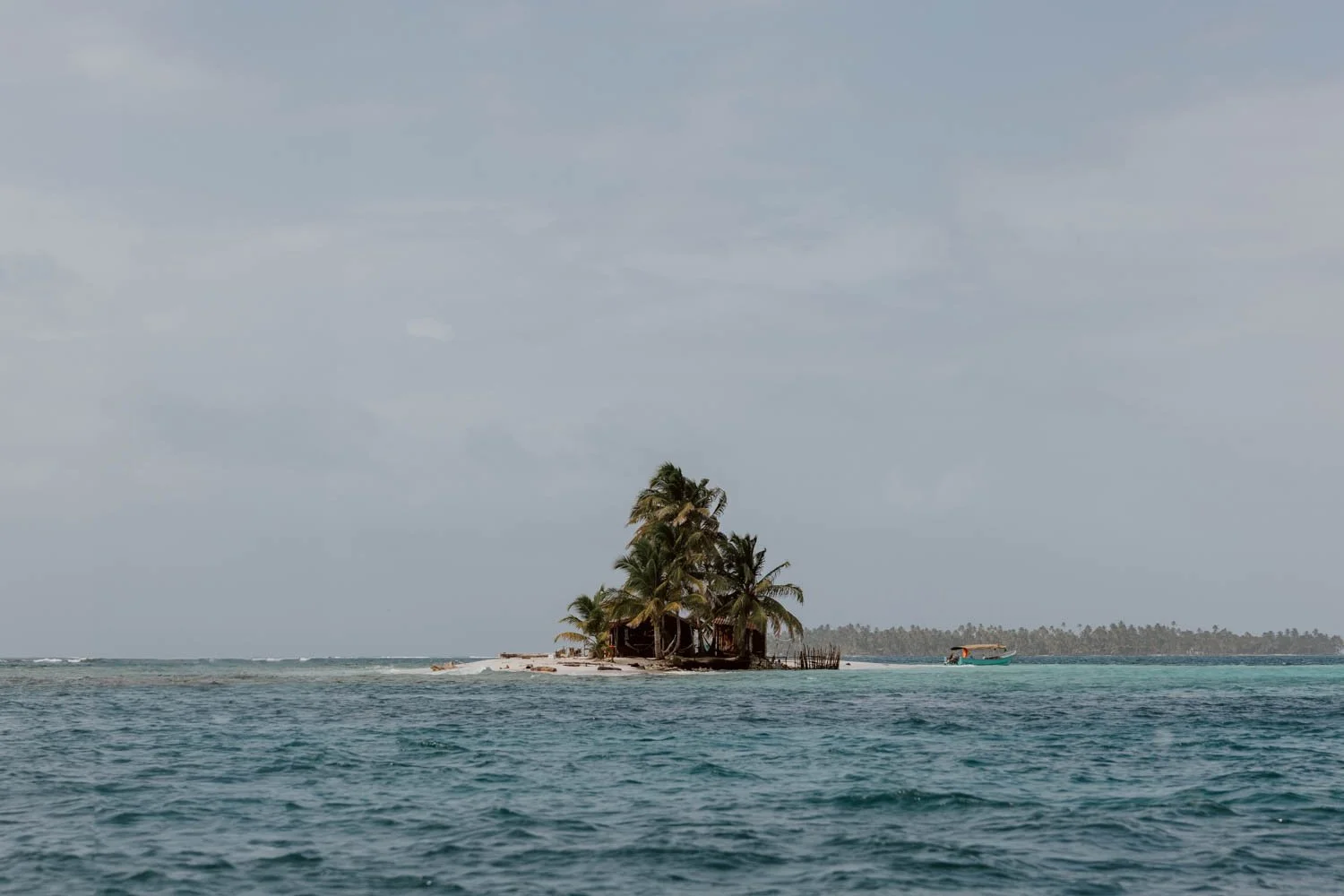
As we’ve said in our best things to do in Panama blog, the San Blas islands are right up there for first-timers.
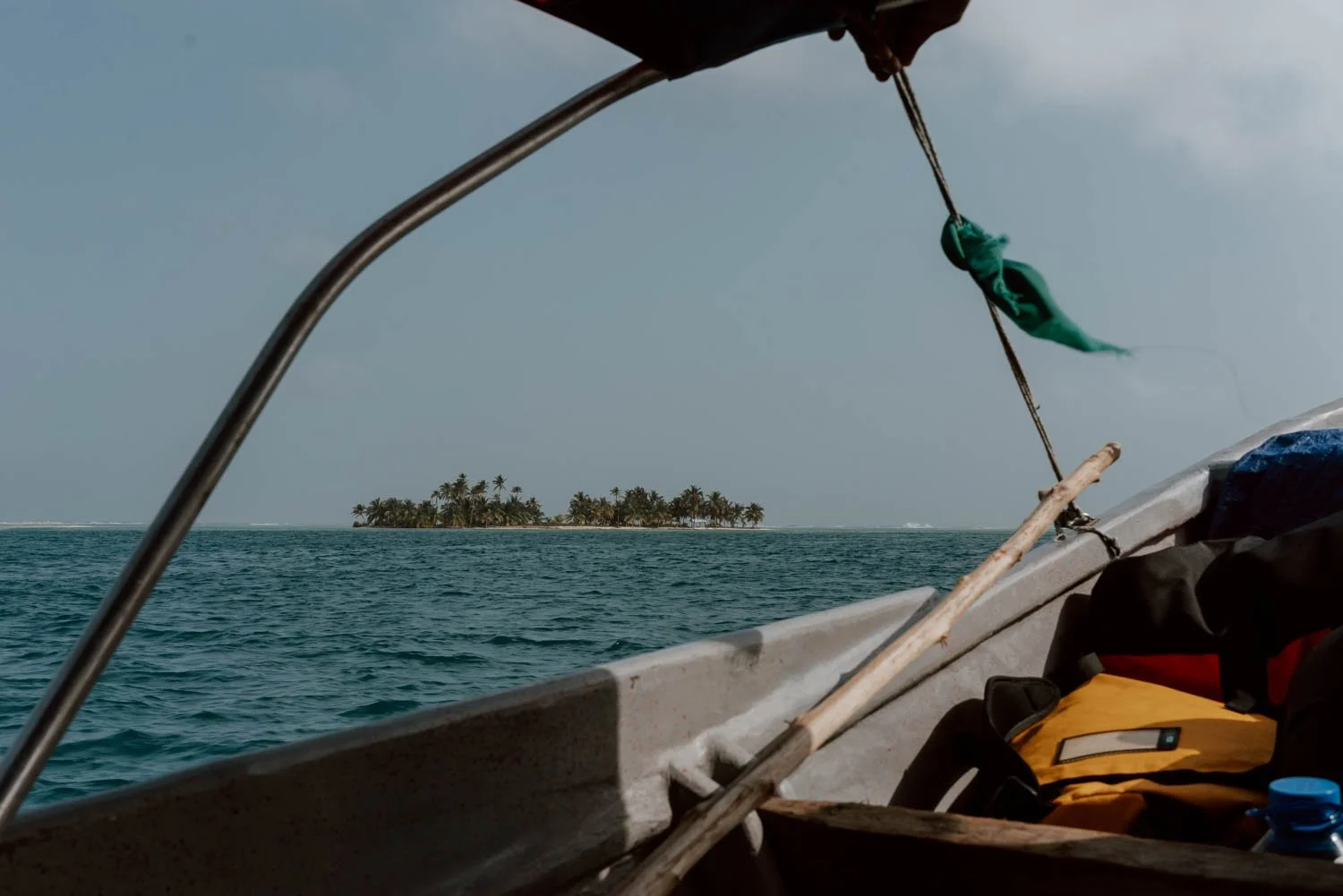
However, there’s no public transport, no ferry to catch, and no commercial flights either. Access and tourism across the autonomous archipelago is tightly controlled by the indigenous Guna Yala, and it isn’t the sort of destination where you just turn up with no plans.
Before settling on your own itinerary, it’s essential to know that Panama City is the start point for standalone San Blas day trips, multi-day island experiences, and for any backpacker visiting the islands on the boat from Panama to Colombia.
After you’re done on the paradise islands, you’ll likely also have to return to the capital for one night.
This means, despite how distinct they are, you should view both the San Blas islands and Panama City as a duo and plan your time in both accordingly.
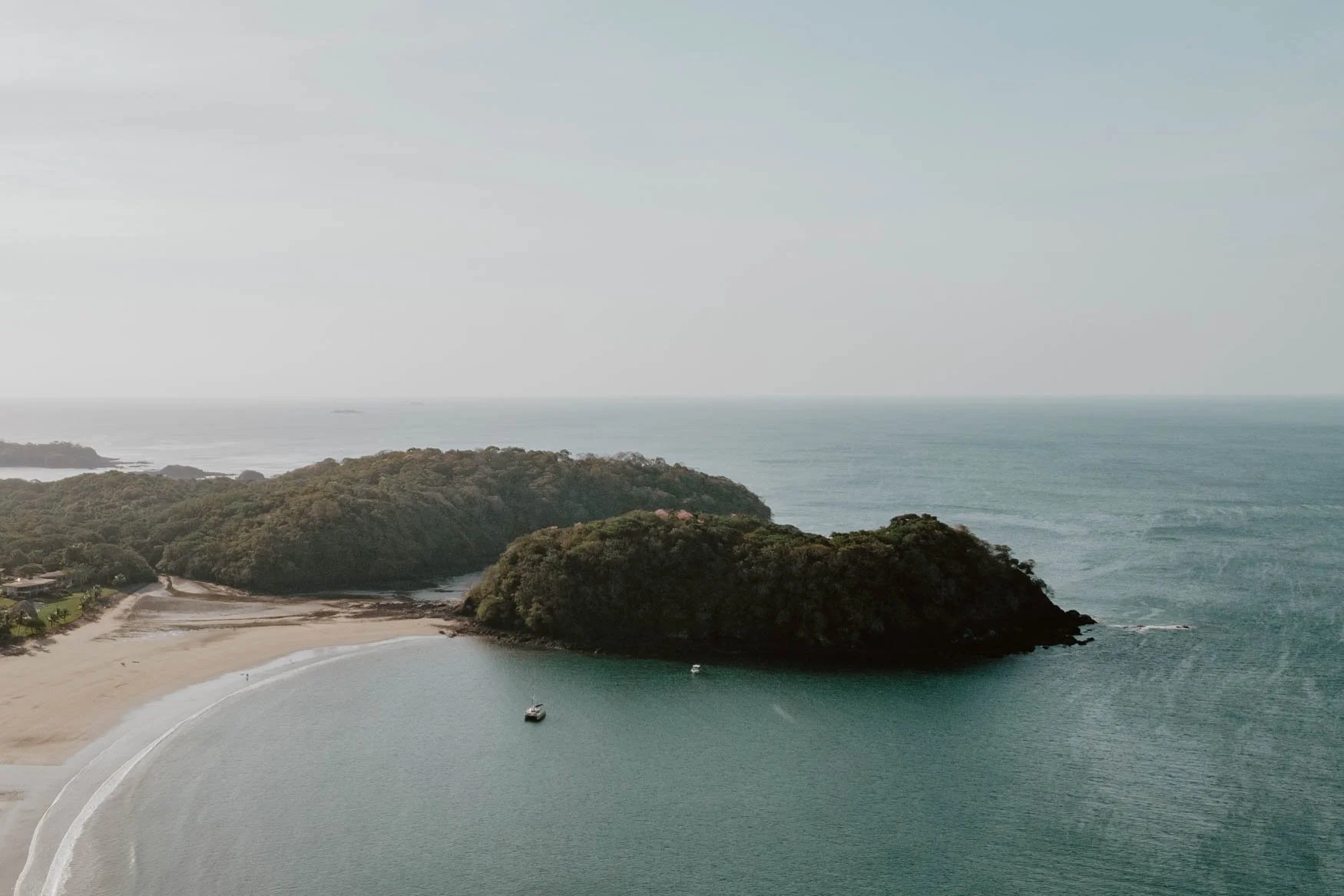
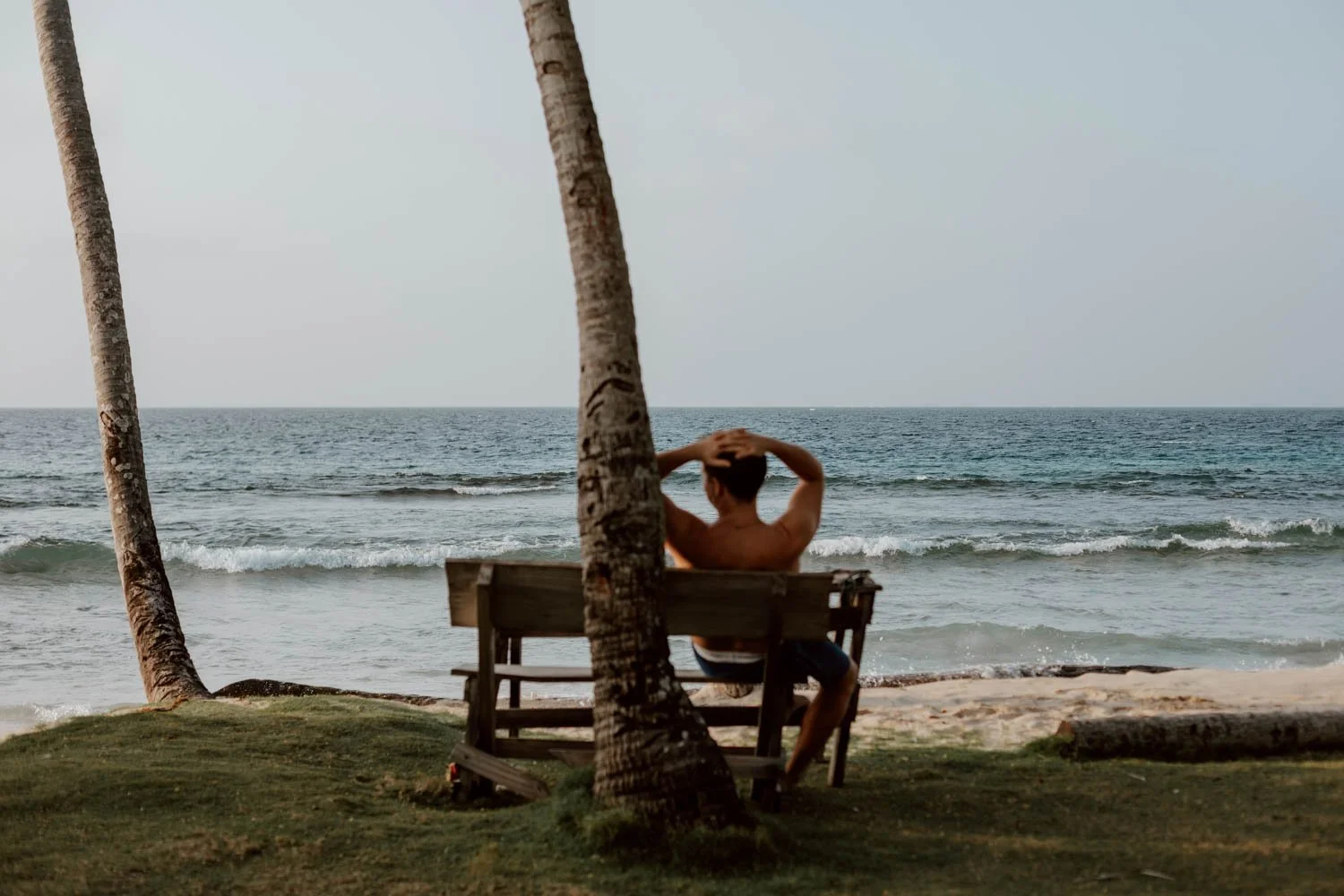
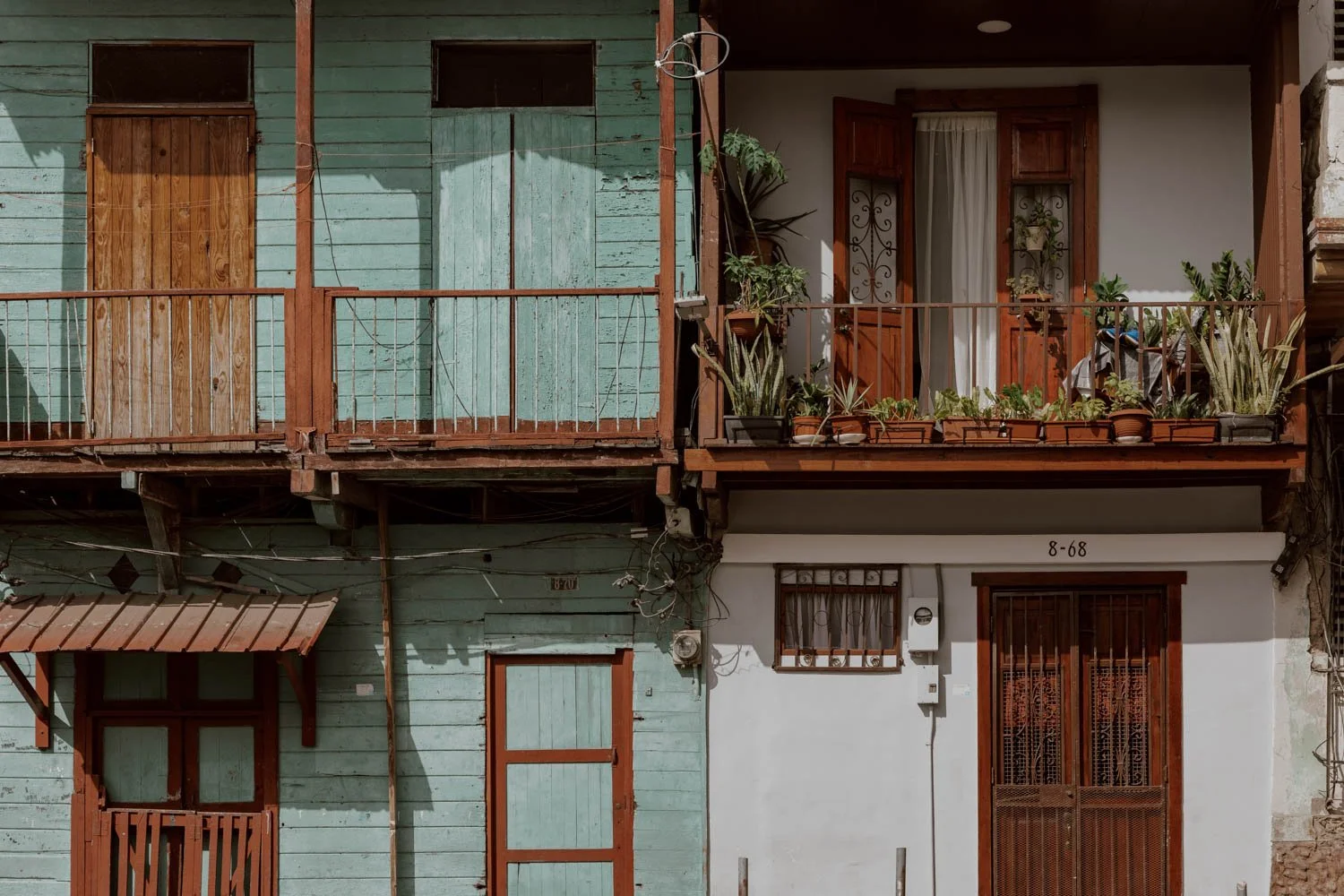
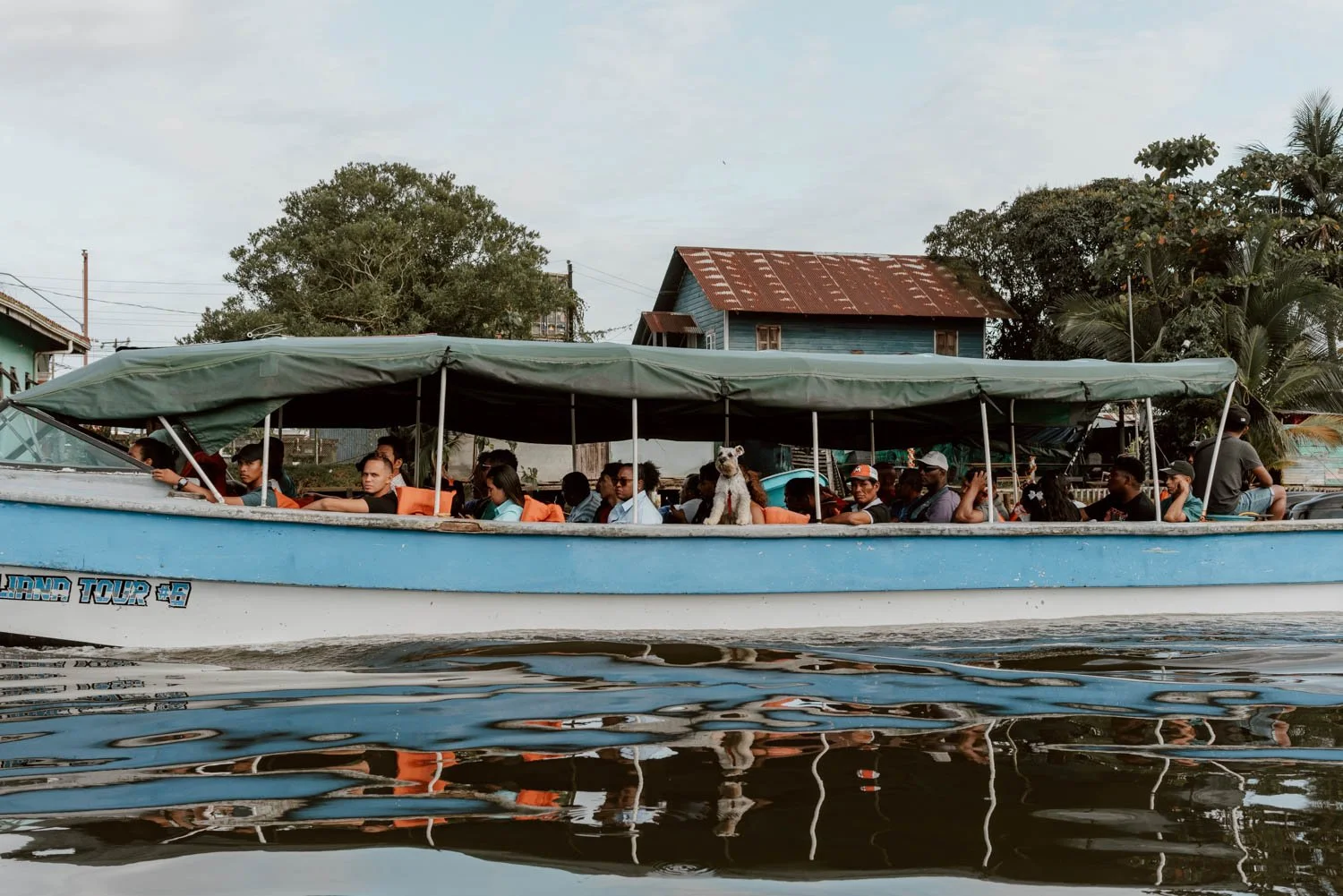
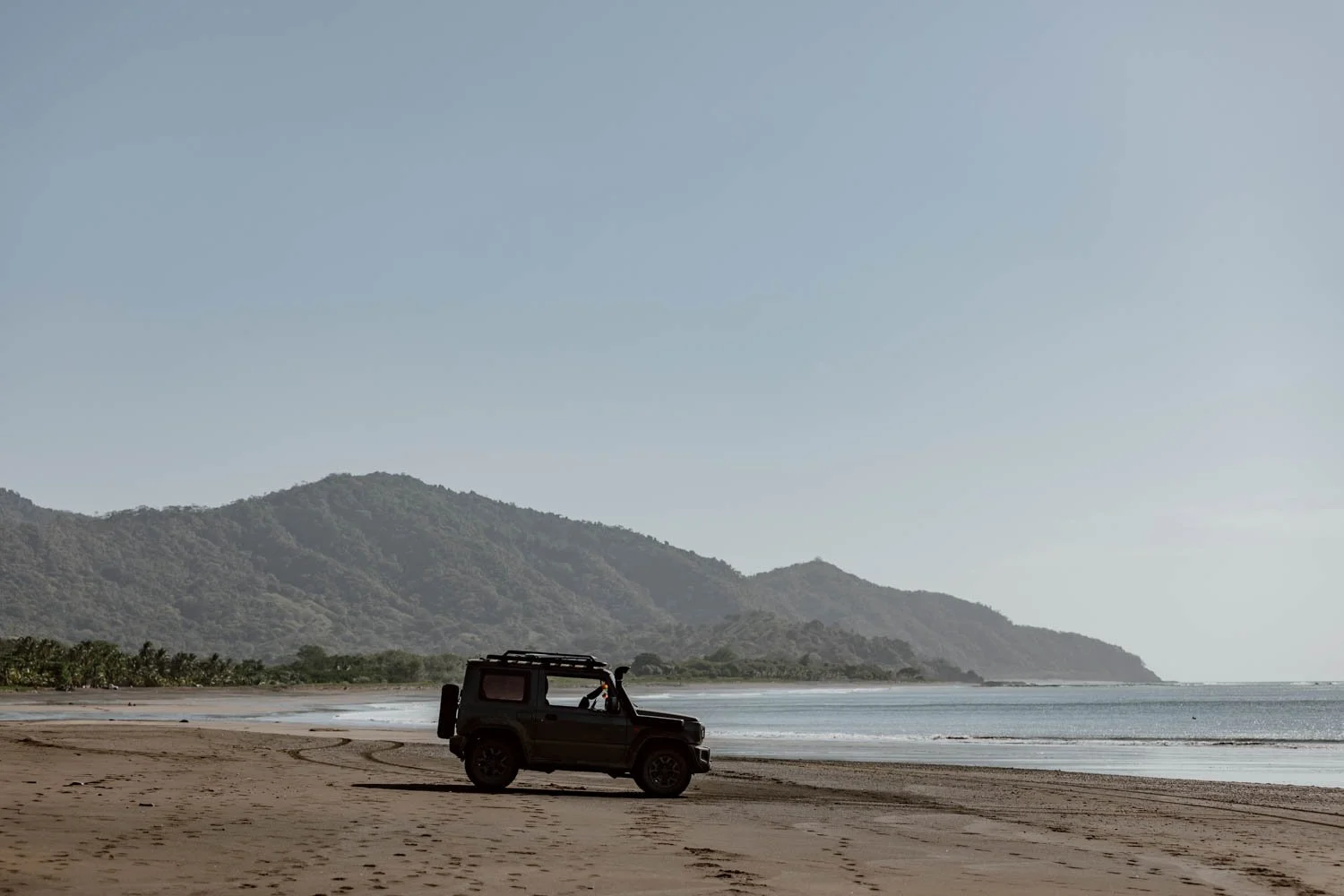
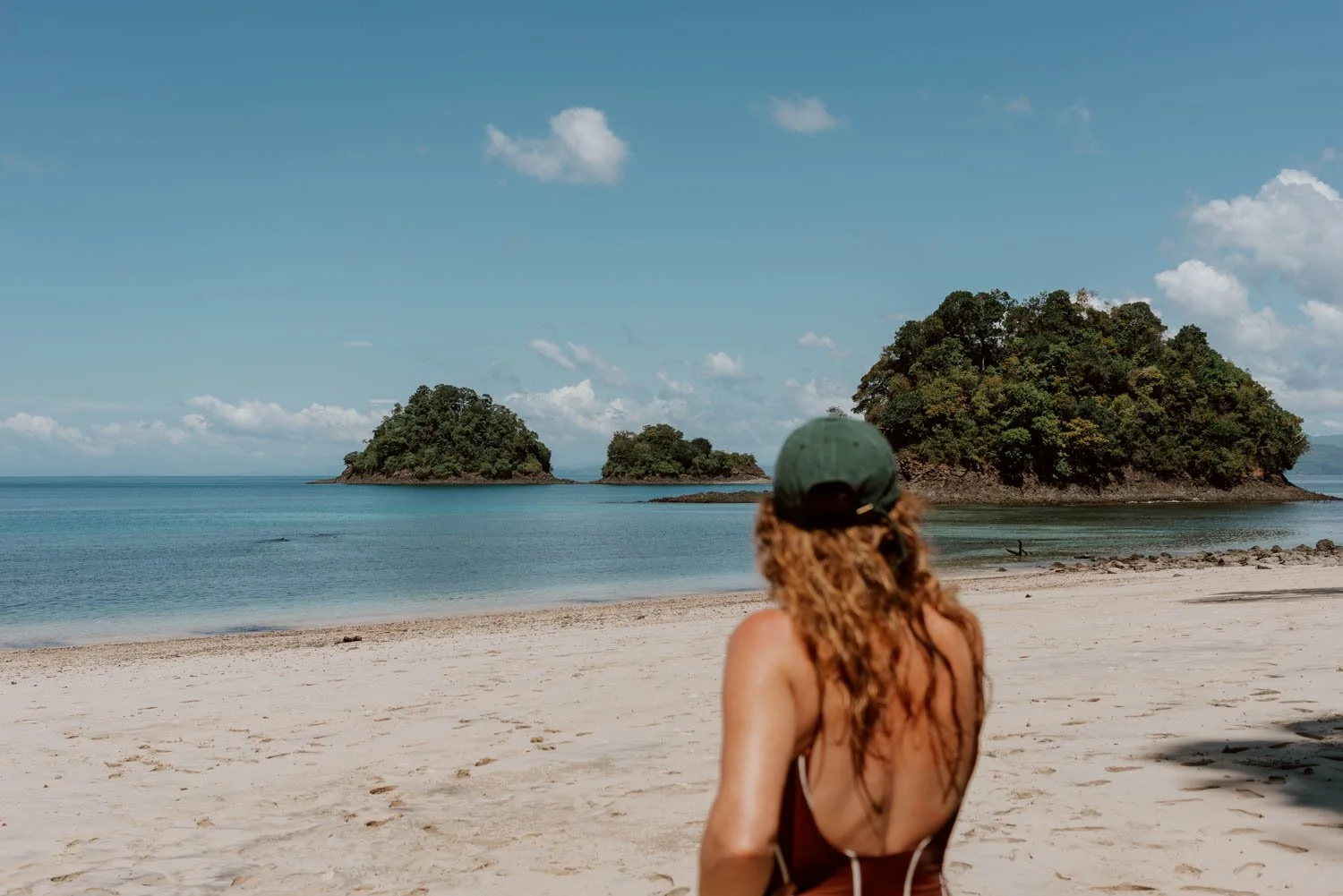



Our practical tips to shape your route and essential context to help you make the most of your time out in Panama.