



How To Visit Machu Picchu In 2026 | Tickets, Routes & Tips
Planning a trip to Peru? Our guide has everything you need to know to visit Machu Picchu, including the latest rules, how to get there and - most importantly - how to buy tickets for Machu Picchu.
Completely updated in April 2026

Machu Picchu isn’t simply another stop on a convoluted trip through the Americas - it is the reason for many to board a plane to Peru in the first place.
One of the most famous places in South America and a UNESCO World Heritage Site, it was deservedly chosen as one of the New Seven Wonders of the World.
That means it’s very, very popular, and planning a visit is no longer as simple as turning up and buying whichever ticket is available.
Receiving more than a million visitors a year, it was only a matter of time before stricter rules and regulations were brought in to conserve this important Incan citadel for future generations to come, better protect it from overtourism, and improve aspects of the visitor experience.
In recent years, access to Machu Picchu has become far more structured, with timed entry, tighter visitor controls, and a ticketing system built around specific circuits and routes rather than one general admission pass. Since June 2024, the site has operated under a new system of three official circuits split into ten routes, and in 2026 travellers still need to make these choices before buying.
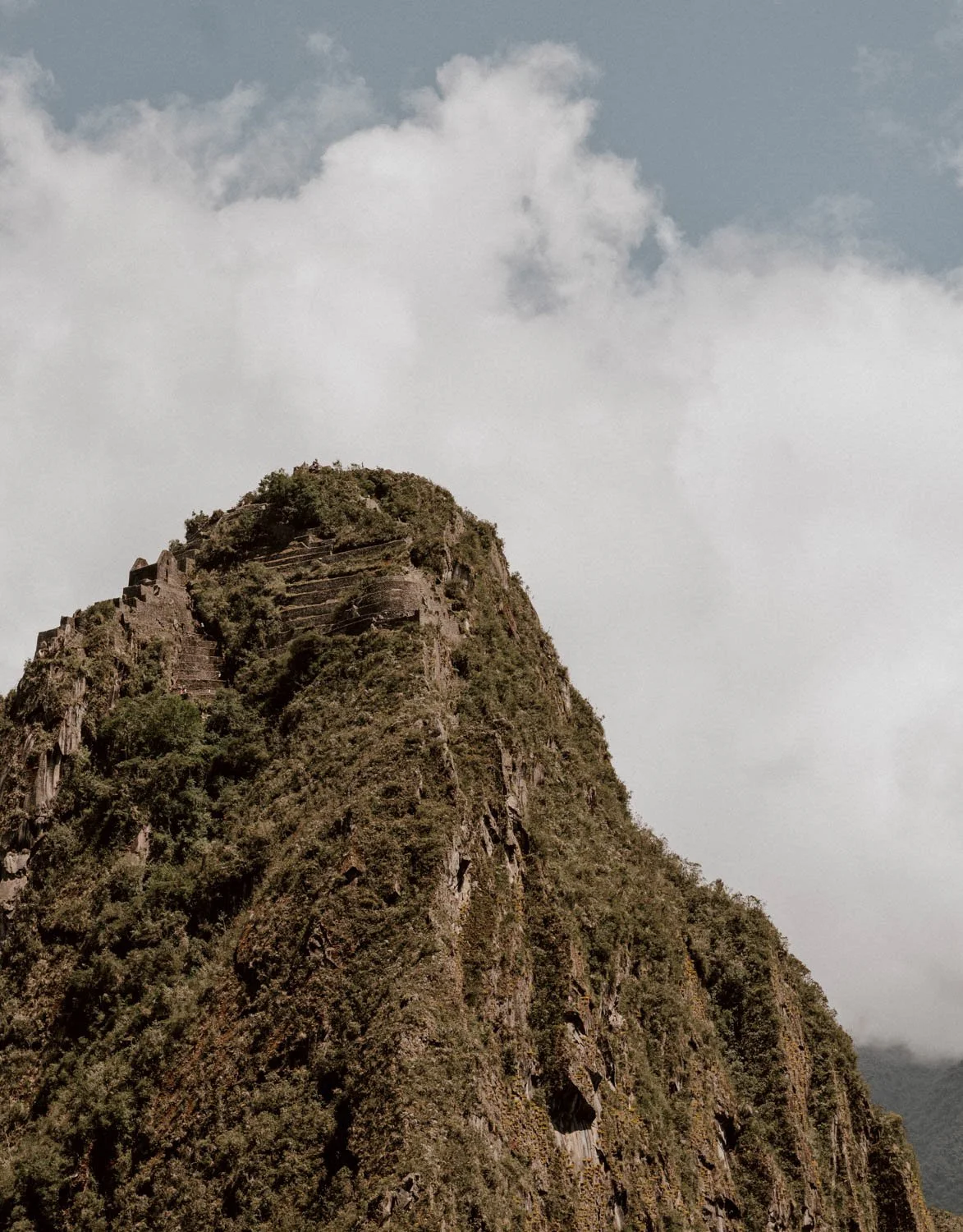
All of that has made visiting Machu Picchu more bureaucratic than it used to be, but also made it much easier to get the day wrong if you book without understanding what each ticket actually includes. Not every route gives you the classic postcard view, the same sectors of the citadel, or the extra hikes - including Huayna Picchu and Machu Picchu Mountain - are tied to specific tickets and can sell out well in advance.
That is why it is worth planning ahead. A little bit of research now can be the difference between getting the visit you imagined and ending up with a ticket that does not match it at all.
And that’s where our guide comes in.
We’ve been fortunate enough to visit Machu Picchu twice in recent years, and have done our best to summarise and explain it all for you: the costs, where you can buy official tickets, the differences between the circuits, the combo packages, and the main reason you should get things sorted before you arrive in Peru.
At the end of the post, you can also find advice on how to get to Machu Picchu and other tips to make the most of your time there.
Simply put, do not visit Machu Picchu or buy your ticket without reading this guide!
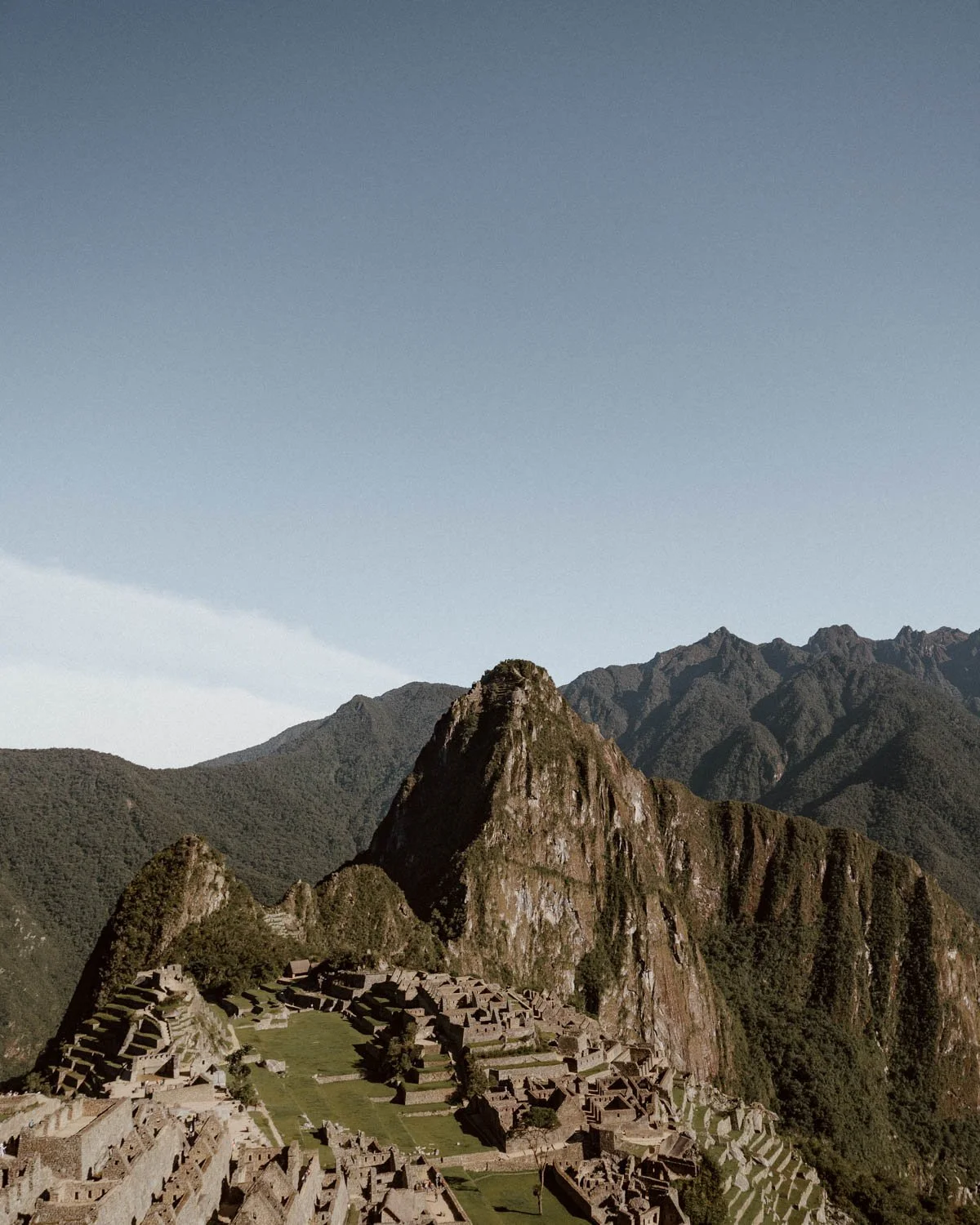
The Essentials
Rules / New routes in 2024
Quota / Strict daily limits on visitor numbers (5,600 in high season)
Plan / Tickets must be purchased in advance, online or in person
Pick / Multiple ticket types + circuits to choose from
Buy / Tickets via official site or aggregator like GetYourGuide
How / Visit from Aguas Calientes, Ollantaytambo, or Cusco
Day / Possible as day trip from Cusco (but only on a tour)
Hike / Inca Trail is the only multi-day trek that finishes in Machu Picchu
How & Where to Buy a Machu Picchu Ticket
The first thing to know is that tickets to Machu Picchu cannot be bought at the entrance gate to the site itself and the safest approach by far is to buy your ticket online in advance. This is especially important if your dates are fixed, if you are travelling in the busier months, or if you want one of the more in-demand routes such as Huayna Picchu or Machu Picchu Mountain.
As we mentioned in our introduction, there is no longer one standard entry pass to Machu Picchu, with access now organised around specific circuits and routes - and not all of them offer the same experience. Some are built around the classic panoramic viewpoint, others focus more on the ruins themselves, and some include one of the additional hikes. We explain the differences in the next section, but it is worth understanding now that the ticket you choose has a real impact on the visit.
In practical terms, most travellers now have three realistic ways to get a Machu Picchu ticket: buy online in advance through the official platform, buy one of the limited in-person tickets in Aguas Calientes (sometimes referred to as Machu Picchu Pueblo) for the following day, or book a tour which includes entry as part of the package.
In terms of cost, there is no longer one simple headline price that applies to everyone, as rates now vary depending on the route you choose and the fare category you fall into. As a rough guide, standard citadel routes are currently S/152 for foreign adults, while tickets that include Machu Picchu Mountain, Huayna Picchu, or the Great Cavern are S/200. We’ve also heard rumours that prices may be increasing later in 2026…
We have broken down each of the four ways of purchasing your Machu Picchu ticket below.
Online | In Advance
For most of you reading this, this is the best option.
Official Machu Picchu tickets are now sold online through TuBoleto, the Ministry of Culture’s booking platform. That is the first place to check availability, and it should be your default option if you already know your dates. The site is still not the slickest booking platform in the world, but it is the official and cheapest route for most travellers.
When buying online, you will need to choose your date, entry time, circuit, and specific route at the time of purchase, so it helps to understand the ticket structure before going in. Once booked, make sure you save your confirmation details and download your ticket properly rather than assuming you will sort it later.
It’s important to be aware that although you can translate various parts of the website into English, the actual ticket buying part of the process is only available in Spanish - if you feel uncomfortable about doing this, consider booking via a site like GetYourGuide or Viator which also sell the admission tickets.
Additionally, note longer possible to transfer, change the date or request a refund for tickets bought via the official website (or indeed via an aggregator like those mentioned above).
Aguas Calientes | In Person
If official tickets are sold out online, there is still a second option.
A limited number of tickets are held back for in-person sale each day in Aguas Calientes, the town below the citadel. These are sold in person at the Ministry of Culture office, and they are for entry the following day rather than the same day.
This can work as a useful fallback for those who are already in the Sacred Valley or Cusco and have some flexibility, but it is not something to build a tight Peru itinerary around unless you are comfortable with a bit of uncertainty.
At the time of update, 1,000 tickets are made available each day for in-person purchase in Aguas Calientes, and the official advice is to check availability before going. Bring your passport and be prepared for the fact that the route you want may not be the one still available.
You can find the ticket office here on maps.
Join a Machu Picchu Tour
The good news for those of you that have booked yourself on to a Machu Picchu tour - whether that be part of a multi-day hike such as the Inca Trail or the Lares Trek, or a simple day trip from Cusco - is that the Machu Picchu ticket is almost always included in the fee.
If standalone Machu Picchu tickets are sold out for your dates, this means joining a tour offers a fantastic ‘Plan B’ opportunity to get a ticket last minute.
The cost will vary considerably dependent upon duration of tour and what’s included, but three good examples to take a look at are:
A four-hour tour from Aguas Calientes that includes transport, Circuit 2 entry ticket and guide.
A full-day tour from Cusco including round-trip transport - bus from Cusco to Ollantaytambo, onwards train to Aguas Calientes, then bus to Machu Picchu - admission to Machu Picchu with guide plus optional lunch. (A similar tour is also available here).
This four-day Inca Trail tour has thousands of excellent reviews and is a good choice if you’d like to really make that Machu Picchu experience special!
Plan | The 7 Best Day Trips from Cusco
How Far in Advance to Buy Your Machu Picchu Ticket?
If your dates are fixed, buy your ticket as soon as you reasonably can.
It used to be possible to leave Machu Picchu until the last minute and sort everything in Cusco or Aguas Calientes a few days before. That is no longer something we would recommend for most travellers, especially if this is a once-in-a-lifetime visit or part of a shorter Peru itinerary.
The routes most people want can and do sell out, particularly those tied to Huayna Picchu or Machu Picchu Mountain, and the better all-round tickets for first-time visitors do not tend to linger either. Indeed, a quick look at the time of update, and the earliest available tickets for the popular routes were four months away!
As a general rule, the busier the season and the less flexibility you have, the earlier you should book. High tourism season in Peru runs from May to October, with the greatest number of visitors seen in July and August.
For 2026, Machu Picchu tickets were released in stages through the official system from late 2025 onwards, with different travel months opening on different dates in January rather than everything going live at once. In future, this means a lack of availability does not always mean tickets have sold out, but once your month is open, it is worth booking quickly if your plans are fixed, as the more popular routes do not tend to hang around.
The main exception is travellers with a lot of flexibility who are already in Peru and are happy to work around what is available rather than aiming for one specific route. For everyone else, leaving Machu Picchu to chance is a risk that is very rarely worth taking.
Four Things to Know Before Buying Machu Picchu Tickets
Over the past few years, a series of significant new rules have been introduced at Machu Picchu in an effort to better protect the citadel, manage overtourism, and improve the long-term sustainability of visits. Some of those changes were first brought in before the pandemic, others followed after the site reopened, and the system has continued to evolve since.
As mentioned, we’ve been fortunate enough to visit Machu Picchu twice, and in truth some of these measures were long overdue. For a site this important and this heavily visited, tighter controls were probably inevitable.
That said, the process has also become far more bureaucratic than it used to be, and some of the rules can feel unnecessarily complicated when all you are trying to do is buy the right ticket and make the most of your time there. More importantly, not all tickets now give the same experience, so it is entirely possible to book without realising you are signing up for a very different visit from the one you had in mind.
That is why it is worth understanding the main changes before you buy anything.
Limitations on Number of Daily Visitors
Strict limits are in place on the number of people allowed into Machu Picchu each day.
For 2026, the maximum daily capacity is 5,600 visitors on designated high-season dates, and 4,500 on the rest of the year. Last year’s official guidance also made clear that 4,600 of those tickets are sold online, with a further 1,000 held back for in-person purchase in Machu Picchu Pueblo for next-day entry.
That means two things for travellers.
First, availability can disappear much earlier than it used to, especially on the more popular routes. Second, if you leave things too late, you may still get in - but not necessarily on the route or at the time you actually wanted.
Good to Know // The limitation on Inca Trail hikers remain that same, capped at 500 for the standard Trail, and 250 for the short Inca Trail.
Plan | Everything You Need To Know Before Hiking The Inca Trail
Designated Entry Times
Machu Picchu does not work like an open-ended all-day attraction any more. Instead, the site now operates on timed entry, and when buying your ticket you will need to choose a specific entry slot. The available timings vary depending on the circuit or route, so do not assume every ticket offers the same schedule.
That means your train, bus, and arrival in Machu Picchu Pueblo all need to work backwards from the ticket you have managed to buy, not the other way around. This matters particularly if you are travelling independently from Cusco or Ollantaytambo, where leaving too little buffer can create unnecessary stress on the day.
It is also worth taking the entry time seriously: it is printed on your ticket, and current guidance allows only a limited tolerance period, so arriving too late may mean being refused entry.
No Re-Entry
Once you leave Machu Picchu, you cannot simply go back in on the same ticket.
The official visitor information states that there is no re-entry, with the exception of tickets that include mountain routes. In practical terms, that means you should use the toilets, check your bag properly, and make sure you have everything you need before passing through the entrance.
The only exception to this rule is if you have previously purchased a second ticket in order to access multiple circuits; you will then be able to leave after completing one, and re-enter on the second ticket.
New Circuits Around Machu Picchu
Gone are the days when you could clamber about on the ruins (a good change), or walk around in whichever direction you chose (not such a good change).
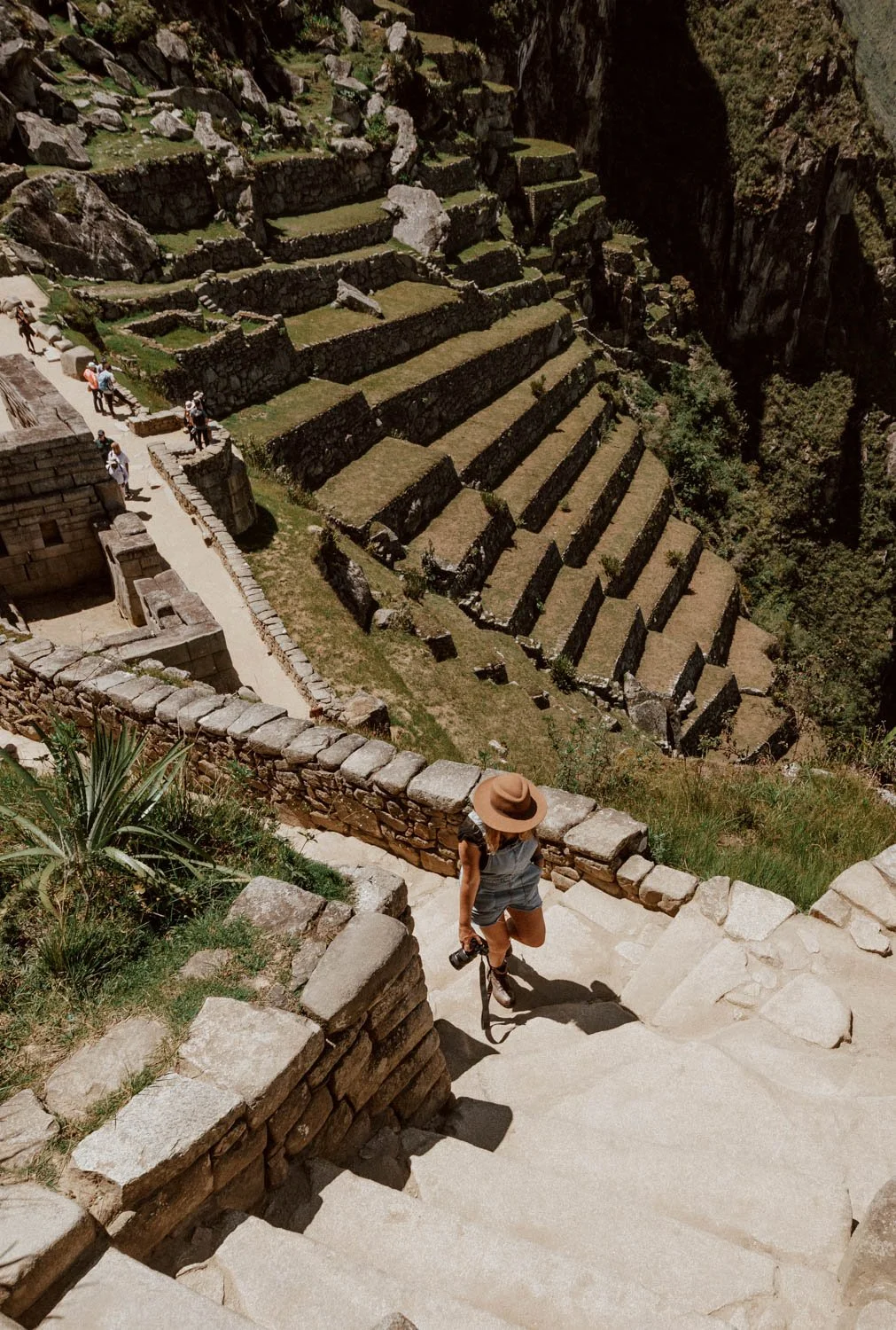
Machu Picchu now operates on a far more controlled system, and the most important thing to understand is that not all tickets offer the same experience. Since June 2024, access has been organised around three official circuits, which are then divided into a number of specific routes. The circuit and route you choose will determine what parts of the site you see, whether you get the classic postcard viewpoint, and whether you can include one of the additional hikes such as Huayna Picchu, Machu Picchu Mountain, Intipunku, Huchuypicchu, or the Inca Bridge.
In other words, there is no longer one standard Machu Picchu ticket that simply gets everyone into the same place for the same visit. You are choosing a version of Machu Picchu, not just an entry pass.
Yes, it is too damn complicated.
You’d think that given this quite significant change and bureaucratic hurdle, the official website would make choosing a circuit easy? Nope. It’s confusing as hell, and to make matters worse the routes keep changing!
So, before jumping into the various Machu Picchu tickets that are available, we need to do a brief explainer of the three circuits you can choose:
Circuit 1 | The panoramic circuit. This is the one built around the famous elevated views over Machu Picchu, and some of the routes within it also include additional hikes. If the classic photo is your absolute priority, this is the option you’ll likely want to pick.
Circuit 2 | Generally the best all-round option for most first-time visitors. It is the circuit that combines some of the best-known viewpoints with a fuller route through the citadel itself, which is why it tends to be the most sought-after choice.
Circuit 3 | Focuses more on the lower part of the citadel and is also the one tied to Huayna Picchu and some of the other add-on routes. It can still be an excellent visit, but it is not automatically the best fit for everyone, especially if the classic upper-terrace view is a non-negotiable part of your day.
The important takeaway, before we get into the ticket options themselves, is that buying the wrong ticket can leave you with a very different experience from the one you thought you were booking. Not every route gives you the classic view, not every route covers the same parts of the ruins, and not every ticket includes the hikes people get most excited about.
So before jumping into the ticket options themselves, it is worth getting your head around the fact that they are not remotely interchangeable (however much the official booking system seems to assume you will somehow work that out for yourself).
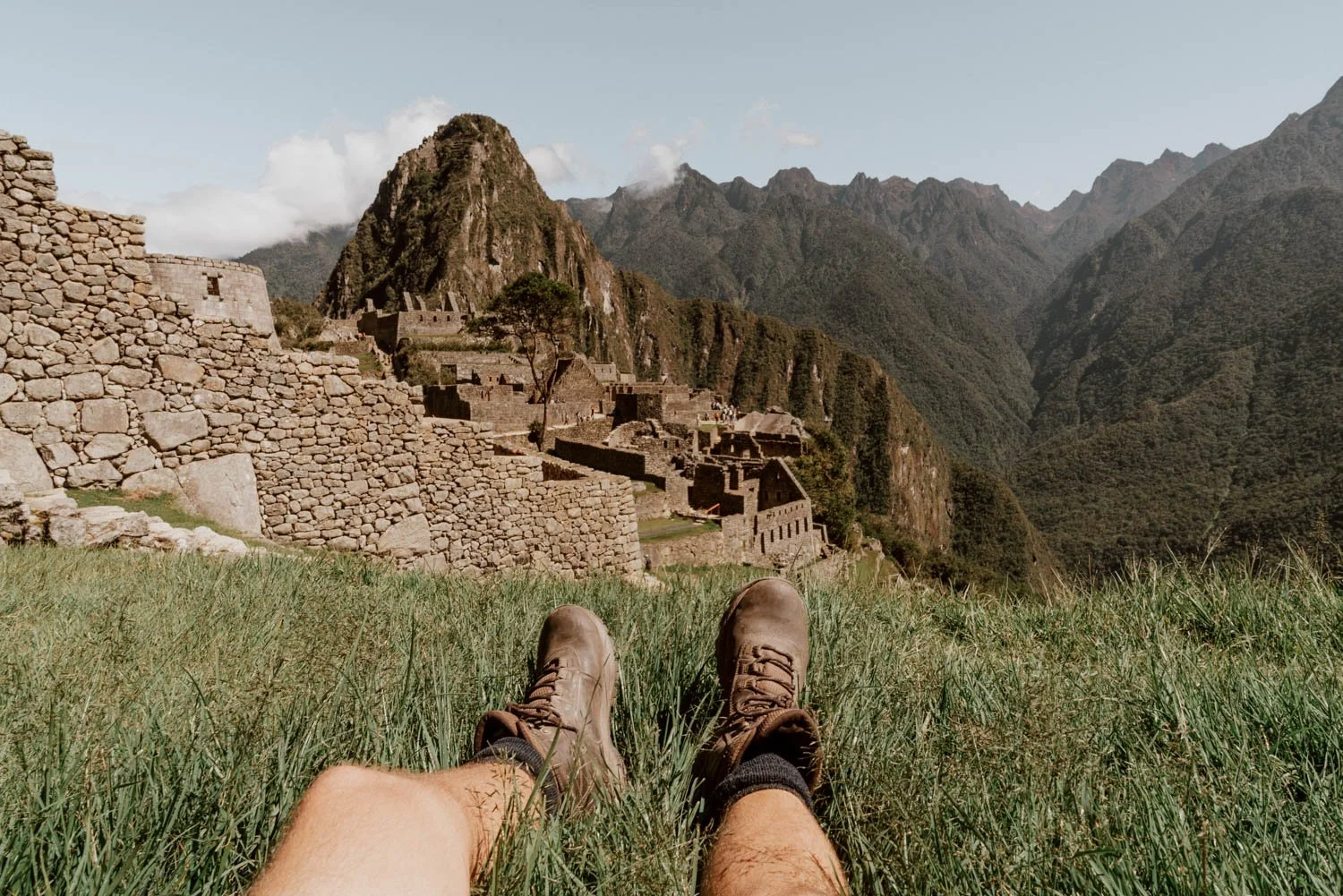
Machu Picchu Tickets Available
Okay, now you know that there are three circuits, you’re probably wondering how to pick your actual route and which ticket to buy?
For the purpose of simplicity - and to avoid making this section wordier than it needs to be - we thought the clearest way to break it down was with a table that sets out each ticket and route, what it is best for, whether it includes the classic view, whether it includes an extra hike, the current price, and our take on who it is actually best suited to.
If you don’t want to overthink it, our top pick for most first-time visitors remains Circuit 2-B. It offers the most well-rounded experience, and because it is the ticket that will suit the greatest number of people, it also tends to be one of the first to sell out - so if that is the one you want, book early.
It is also worth knowing that if your aim is to do absolutely everything at Machu Picchu, one ticket will not cover it. These days, seeing the citadel, getting the classic view, and adding one or more of the extra hikes may require multiple tickets, and in some cases more than one visit spread across different entry times or even different days.
Travel Tip // If you haven’t been super organised with your trip planning and discover that there are not tickets left for the day you’d like to visit (or only tickets for routes that you don’t really fancy), don’t forget to look at webistes like GetYourGuide or Viator that also sell admission tickets. Yes, they’re a little more expensive but they usually have much better availability than the official site.
Alternatively, consider booking a highly-rated tour like this one which includes a Circuit 2 tickets, transport from Aguas Calientes and a guide.
How to Get to Machu Picchu: The Group Hiking Options
The Inca Trail
There are few hikes more famous than the Inca Trail, the iconic four day / three night hike which leads travellers from km.82 (the start point 40 minutes outside the town of Ollantaytambo) all the way to Machu Picchu via its exclusive Sun Gate (also called Inti Punku).
It’s not for the faint of heart, but as we can attest to (this is how we visited Machu Picchu for the second time), it will create the sort of travel memories that last a lifetime.
We won’t go into too much detail here, instead if this multi-day hike is something you’re interested in, be sure to check out our ‘Complete Guide to Hiking the Inca Trail’ and our ‘Inca Trail Packing List’.
We joined this Inca Trail Tour with G Adventures (which we highly recommend) but if it’s a little out of your price range you can check out the excellent, popular and highly-rated group tour.
As you will probably already be aware, you will need to book the Inca Trail hike at least several months in advance of your arrival in Cusco.
Good News // An excellent development is the introduction of a limit of 14kg that a porter can carry. These guys are the absolute heroes of the Inca Trail, and we were astounded by how much they were expected to carry upon their backs for several days - this intervention is a real improvement for their well-being. We suggest you give a decent tip too.
The Salkantay Trek
A popular alternative to the Inca Trail, the 74 kilometre Salkantay Trek begins in Mollepata, a small town 100km from Cusco. Reaching a maximum elevation of 4600m, it includes the crystal clear waters of Humantay glacier lake, along mountain passes and offers incredible views.
You have the option of staying in basic accommodation or camping, and whilst most opt to do this as a tour it’s also popular to do independently. The standard duration is five days but it can be done in as little as four and stretched as long as eight (via a more comprehensive route).
Due to the fact that this trek ends in Aguas Calientes rather than Machu Picchu, it’s also a bit cheaper than the Inca Trail.
Many people choose to book this tour on arrival to Cusco, but if you’d like to get something sorted in advance, this five-day small group tour has hundreds and hundreds of exceptional good reviews. Alternatively, if you’re shorted on time, consider this four-day option (which includes a night in a space dome tent perfect for stargazing!).
The Lares Trek
Considered to be more of a cultural experience than the other popular trails, the Lares Trek is a four-day / three-night route that begins in the town of Lares, 40 miles north of Cusco.
A little less demanding that the other options, as well as experiencing the stunning backdrop fo the Peruvian Andes, you will pass through small villages to gain an insight into their culture and way of life.
It’s also an excellent option for those that aren’t the biggest fans of camping, as the hiking portion of this trek actually terminates in Ollantaytambo from where you’ll jump on the train to Aguas Calientes and spend the night in a hotel, before heading out to Machu Picchu the following morning.
As with the Salkantay Trek, many people chose to sort their tour place out on arrival to Cusco, but if you’re on a tighter itinerary or which to get something booked in, in advance, this excellent tour has incredible reviews.
The Jungle Trek
One for the adventurous types, the four-day / three-night Jungle Trek offers travellers the chance to head out river rafting, indulge in downhill mountain biking, hike in the jungle and even zip-line across the canopy.
Unlike most of the other multi-day hikes, accommodation throughout the trip is in hostels (yay for no camping!), with the final night being spent in Aguas Calientes.
You can book this tour in advance here.
How to Get to Machu Picchu: The DIY Budget Routes
For those travelling Peru on a budget, it may be nice to know that there are a couple of ways to make a trip to the Incan citadel a little more pocket-friendly.
The Long Walk Along the Train Tracks
This is actually the route that we took the first time and whilst a 30 km walk alongside train tracks is definitely not advisable (or indeed preferable) for probably the vast majority of visitors to Machu Picchu, it is by far the cheapest way of getting there.
From Ollantaytambo you’ll need to take a colectivo to Km.82 where you can access the tracks. The entire journey should take between 7 and 8 hours.
We’ve written an entire guide for those wanting to (responsibly) follow in our footsteps, so be sure to check it out for full and frank details. Find the post here.
Note that this route finishes in Aguas Calientes; continue reading for details on how to get from Aguas Calientes to Machu Picchu later in this post.
The Route That Goes Via Hidroelectrica
Another popular option with the budget backpacker, but this one involves significantly less walking.
Instead, you’ll take either a shuttle bus from Cusco, or a series of colectivos from either Cusco or Ollantaytambo terminating in Hidroelectrica from which it’s a 2 - 3 hour walk along the tracks the end point of Aguas Calientes.
Again, we’ve written a full guide on how to get to follow this route - find our post here.
Alternatively, you could consider booking round trip transportation from Cusco to Hidroelectrica in advance here.
How to Get to Machu Picchu: The Train Options
The vast majority of people visit Machu Picchu not by engaging in a multi-day hike, but instead via a rather fancy train journey from either Cusco or Ollantaytambo.
You have the option of either a direct train from Cusco, a direct train from Ollantaytambo (if you wanted to spend a couple of days here before) or a same-day bus from Cusco & train from Ollantaytambo combo.
Prices vary depending upon which you pick, the time of year your travel (it’s more expensive during high season), and the type of train that you travel on - of which there are three:
Hiram Bingham | This is the most luxurious option - and coming in at at least $500 USD per person, one way - by far the most expensive. It is worth noting that this ticket includes lots of goodies on board the train, your entrance to Machu Picchu and a guided tour but clearly, at this price point, is not going to be an option for the vast majority of travellers. Note that this option is only available if travelling from Cusco.
Tickets can be bought on the official website, but note that you’re only able to book a one-way ticket on the Hiram Bingham for the outgoing train; the return journey will be one of the regular services which should be booked at the same time. If you’d prefer both legs of the journey to be on a luxury train, alternatively you can book your tickets here.
Vistadome | A much more pocket friendly option, this train is famed for its glass ceiling along spectacular views as you travel to Machu Picchu. Your ticket includes some snacks onboard and light entertainment. You can book your tickets here or via Perurail.
Expedition | This is the cheapest option, but still a pleasant experience - on par with travelling in a first class carriage in the UK. There are however no food or extras in your ticket price, which can be as low as $50 USD in the off-peak season.
How to Reach Machu Picchu From Aguas Calientes
For those of you not completing the Inca Trail - or visiting on a day trip from Cusco - in order to reach Machu Picchu you will have to first pass through Aguas Calientes. From this small tourist-centric town (also called Machu Picchu Pueblo), you have two ways to reach the site entry point:
Hike
Probably one to avoid if you’ve arrived in the Sacred Valley without allowing yourself to acclimatise, but a lovely, relatively easy hike otherwise.
To find the start of the trail, simply follow the route of the shuttle buses towards Machu Picchu until the road takes a sharp left turn over the river and you pass a small bridge (this should take no longer than 30 minutes).
Immediately after the bridge, take a right turn down a small lane and keep going until you reach the clearly sign-posted trail head. From here it is around another 60 minutes uphill walking to the entrance of Machu Picchu.
Shuttle Bus
For most people, especially anyone with an early entry slot and no desire to arrive at Machu Picchu already sweaty, the shuttle bus is the preferred method of transport to the entrance. But note that at US$12 each way or US$24 for a return, it is eye-wateringly expensive in terms of the typical distance / cost ratio you will see everywhere else in Peru.
The buses are operated by Consettur and leave from Aguas Calientes, close to the train station (find the departure point here on maps). The ride up the switchbacks takes around 20 to 25 minutes, and buses run regularly throughout the day when full rather than to a rigid timetable. Expect departures roughly every 10 to 15 minutes, with the first uphill buses leaving from 5.30am.
Tickets can be bought in person in town if you would rather keep things flexible, but if your entry time is tight or you simply prefer having one less thing to sort on the day, we’d recommend booking ahead on the official website (note that the website is now called ‘Camino a la Maravilla’ so they may have rebranded).
One important thing to remember is that the bus ticket itself does not have a fixed departure time. You are not booking the 6.10 bus or the 7.20 bus; you are simply buying the ride up or down. That said, your Machu Picchu entry ticket absolutely does have a time on it, so this is not the moment for optimistic timing.
In practical terms, that means leaving more buffer than you think you need, particularly for the first departures of the day. The bus ride itself is short, but the queue, ticket check, and general pre-entry admin can all nibble away at the margins if you are cutting it fine.
Important to Know // One thing worth flagging, because it is genuinely confusing: you may also find another site, Machupicchu.Centre (with the URL busconsettur.com), quoting much higher prices - currently US$23 one way and US$35 return. That appears to be a reseller, so if you are booking online, it is worth double-checking that you are on the official purchase route before paying.
Other Things To Know Before You Visit Machu Picchu
You Don’t Need a Guide
This is one of those rules that caused a lot of confusion when the regulations first started changing.
At one stage, the official line seemed to suggest that independent visitors would need to hire a guide on arrival unless they were entering as part of an organised tour. That no longer appears to be the case.
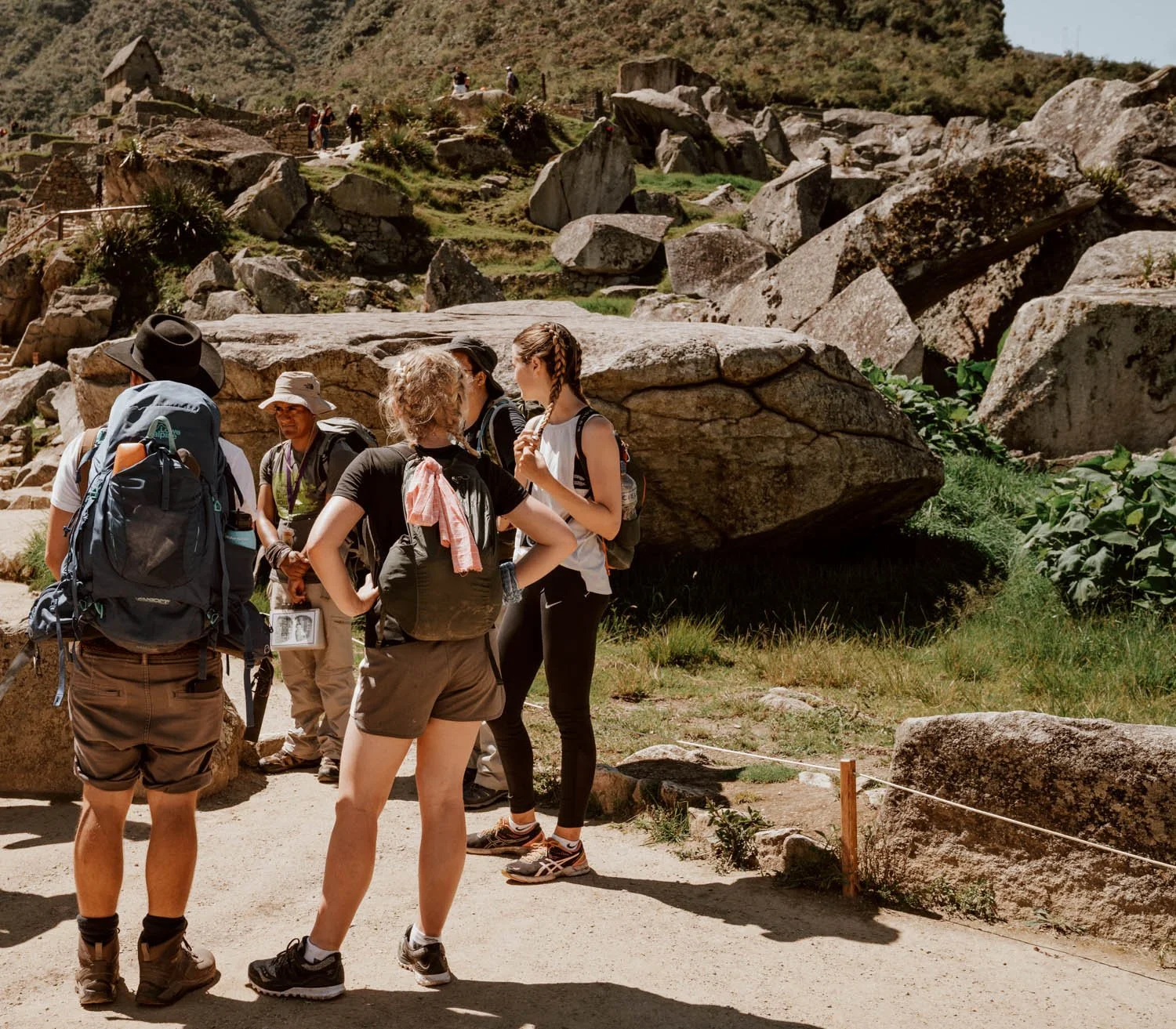
That said, some people will absolutely get more out of the visit with one. If you want a deeper understanding of the site’s history, religious significance, and what exactly you are looking at beyond a series of very impressive stones, then hiring a guide can still be worthwhile. There are usually plenty hanging around the entrance, but as ever, do not feel obliged to latch onto the first person who approaches you looking energetic and official.
Technically they should all hold a degree in tourism, but perhaps don’t rush into accepting an offer from the first guide that approaches as knowledge and language skills and vary quite considerably.
The price per person for a guide depends on the number in the group, but as a general rule a 2.5 hour tour for 1-2 people will cost approx. S/140 in total. Should you have a larger group, expect the per person price to reduce. Tipping is often expected, but is absolutely not mandatory so do not feel that you have to.
Alternatively, you can buy your ticket, shuttle transport and guide as a complete package - click here for more information.
The Best Time to Visit Machu Picchu
Whilst a visit to Machu Picchu is certainly bucket-list fulfilling at any time of the year, there are definite plus points to visits at a particular time of the year.
For example, should you want to see this New Wonder of the World the way you have seen in in photographs - clear blue skies with only a wisp of beautiful cloud, ruins bathed in golden sunlight - you’ll need to visit in the dry season, between May and October when the weather is at its best.
Unfortunately, from June to August, this will also correspond with the largest crowds. Due to the fixed ticket numbers each day, there is a natural cap on visitor numbers, but we definitely noticed a difference in the number of people milling about during our visit in the low season, as compared to the high season.
A with much of Peru, it’s important to note that visitors in low season run a much greater chance of experiencing heavy downpours, so be prepared for this.
Have Your Paperwork in Order
For those that lack a little organisation, this one is super important: your Machu Picchu ticket is tied to your personal details and you must have your passport with you in order to enter. This does not mean a photocopy of your passport, nor a blurry photo on your phone, but your genuine, valid passport. Turn up without it and you almost certainly won’t get in.
With regards to tickets, thankfully the Machu Picchu guys have finally come into the 21st century, and you’re able to simply show your entry ticket on your phone instead of having to run around Cusco or Aguas Calientes trying to find somewhere to print it out!
Just be sure that the name on your ticket matches the name on your passport.
Don’t Be a Dick
Besides serious concerns regarding sustainability, the other reason it was felt that stricter rules needed to be brought into force was due to the lack of respect some travellers have shown to the site.
Contrary to what some leaping, flashing, and generally in-bad-taste selfies would suggest, Machu Picchu is a revered site. And when people time and time again show that they can’t play nice, the toy needs to be taken away - or in this case, an abundance of guards brought in with very loud whistles.
The official code of conduct is now very clear: no shouting, no whistling, no running, no jumping, no climbing on the walls, no disturbing wildlife, no drones, no smoking or vaping, no wandering off the marked routes, and no doing anything that generally suggests you have confused this with a mildly chaotic hen do. Violations can lead to immediate expulsion without a refund.
So yes, treat the site with the respect it deserves.
Be Aware of What You can and Can’t Bring in
If you had visions of laying out a picnic overlooking picture-perfect ruins, now is the time to scrap it - the rules concerning food, and pretty much everything else are now pretty stringent in Machu Picchu to reduce litter, lingering, and - in some cases - fun.
Water bottles are fine (we’d recommend filling up a refillable one before you enter) but food of any description is not, so leave those sandwiches back in the hostel.
Neither are tripods, drones, obnoxious selfie sticks, or large backpacks. Trust us when we say that those guards have eyes everywhere, and you’ll soon be alerted to the fact that you’ve brought in something you shouldn’t.
If you fall foul of the backpack rule - the official rules prohibit bags larger than 40 x 35 x 20 cm - there is a storage place before the entrance.
Be Sure to Pee First
Understandably for a site that is hundreds of years old, there are no toilets once you step through the turnstiles at the entrance to Machu Picchu - so be sure to pee before you enter. This is especially important with the new rule that bans re-entry, meaning that if you don’t take a prophylactic toilet break before heading in, you may find yourself negotiating much of Machu Picchu with your legs firmly crossed.
There’s a toilet next to the luggage storage that costs 2 soles per person (if you’ve arrived here after the Inca Trail, like we did, it’ll be the best 2 soles you’ve ever spent!).
Where to Next?
Everything You Need to Know Before Hiking the Inca Trail
How to Get to Machu Picchu on the Cheap!
How to Get to Machu Picchu Via Hidroelectrica
13 Wonderful Things to Do in Cusco
12 Essential Things to Know Before Hiking in Peru
A Short Guide to Ollantaytambo





Planning a trip to Peru? You’ll definitely want to visit Machu Picchu? You’ll need to know the new rules, regulations and ticket options for 2022. Here’s everything you need to know!