



How To Spend A Day (Or More) in Vannes
Whether you’re visiting for a few hours or using the city as a base for exploring the Golf du Morbihan, these are the best things to do in Vannes.
Updated August 2026
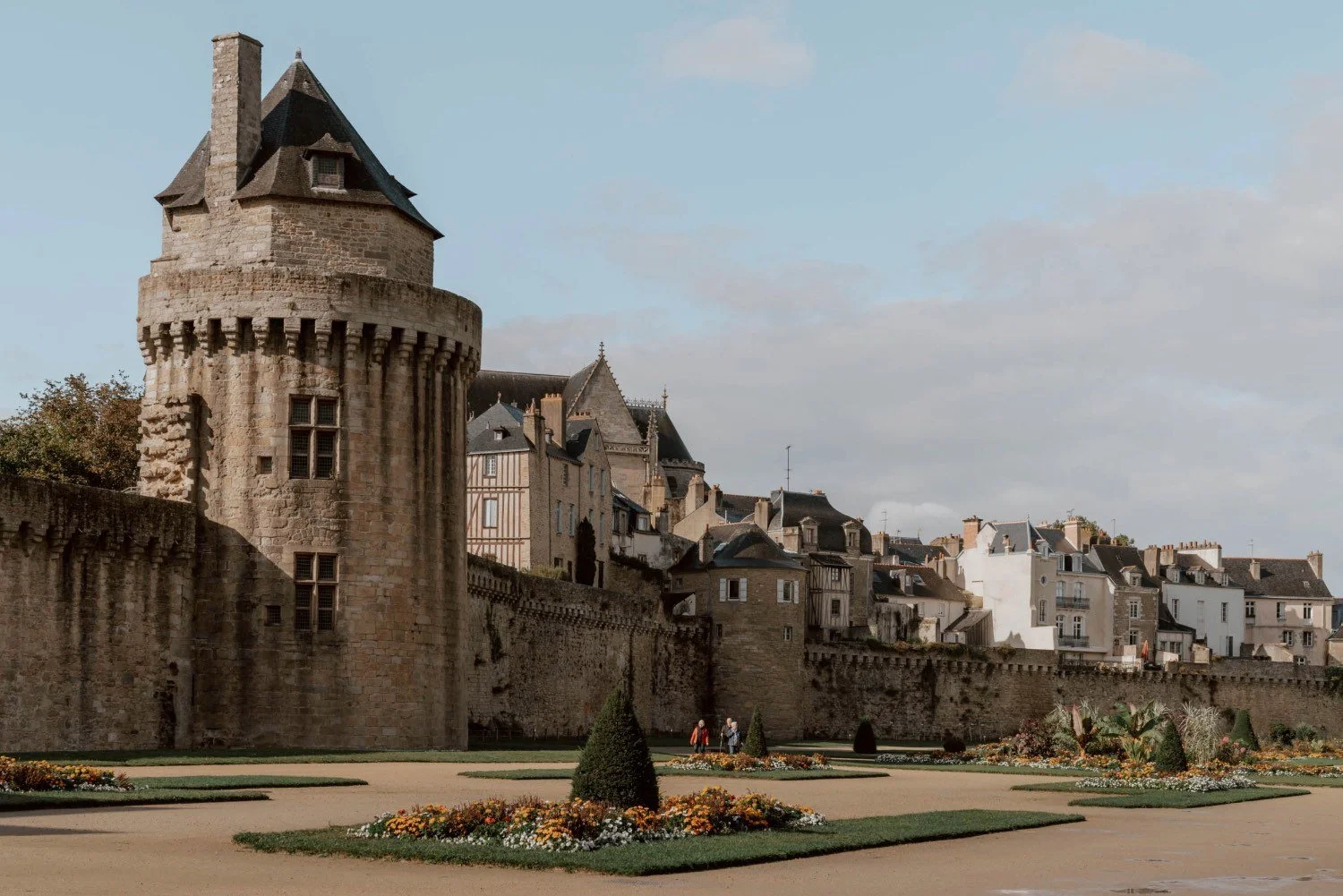
On the south coast of Brittany, at the head of the island-studded Golfe du Morbihan, you’ll find the handsome market town of Vannes.
It may not be bursting with big tourist attractions or renowned for a grand historical moment, but Vannes certainly has plenty of charms to offer day-trippers in the region.
The capital of the Morbihan département, with a population of around 60,000 people, its excellent selection of thriving independent shops and restaurants, film-set pretty medieval streets and emerging arts scene belie its relatively modest size.
This is why, despite a downpour first time round, we actually visited Vannes twice in our week of slow travel in Brittany.
In this post, we've shared our recommendations for your own time here - whether it's just a half-day visit on your way to/from somewhere else on the coast, or a longer stay in this southern town near the sea.
These are the best things to do in Vannes.
The Vannes Essentials
Plan / Allow a full day for Vannes itself; stay for two nights if you also want to explore the Golfe du Morbihan or visit one of its islands
Explore / Wander the old town, seek out the half-timbered houses around Place Henri IV, walk beside the ramparts, and continue through Saint-Patern to the harbour
Market / Visit on Wednesday or Saturday morning, when the main market spreads through Place des Lices
Eat / Conduct your own kouign-amann taste test between François and La Huche à Pain
Stay / Choose Maison de la Garenne for a characterful central guesthouse, or Villa Kerasy for a small spa hotel. Our apartment picks are L’Arche de Noé for old-town character, and this half-timbered home in Saint-Patern for two bedrooms.
Island / Île d’Arz is the simplest independent island trip from Vannes, with daily ferries taking around 20–30 minutes
Sail / Travel further into the gulf on this full-day trip to Belle-Île-en-Mer, or join this three-hour evening cruise during the summer
Arrive / Direct trains from Paris take under three hours, with Vannes station around 15 minutes on foot from the historical centre
Works / The cathedral is expected to remain closed until 2027, while Château de l’Hermine is closed during its transformation into the Musée des Beaux-Arts, currently due to open in 2028
The Best Things to Do in Vannes
Saunter Around The Old Town
As travel around the Golfe du Morbihan is all about water, nature, islands, and countryside retreats by apple orchards, Vannes offers the opportunity for a change of pace and scenery.
It’s more like saunter and shuffle than hustle and bustle though.
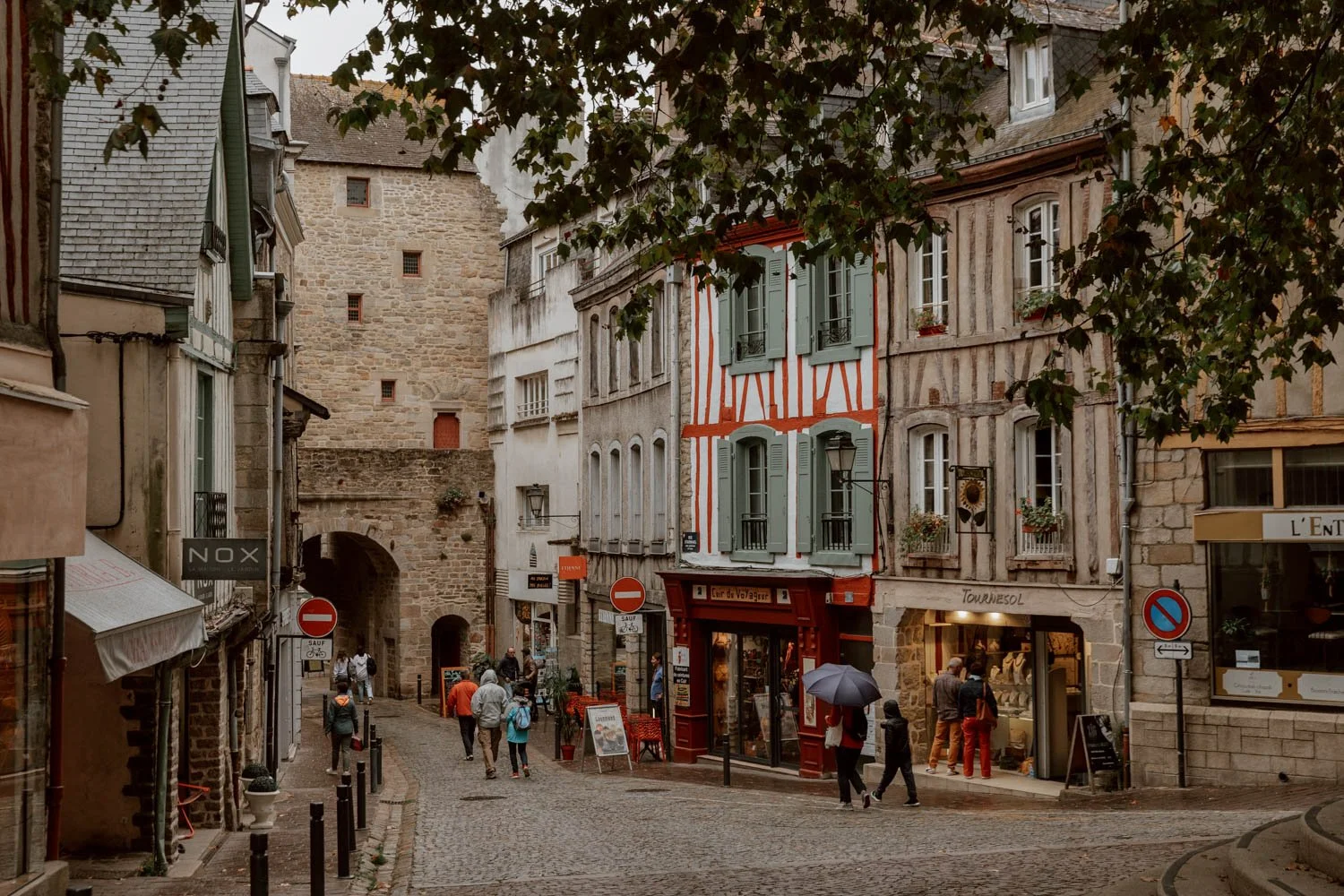
Encircled by ramparts and imposing defensive towers, much of your time in Vannes will be within the historical centre; a place where you’ll slowly meander around the cobblestones on foot, browse boutiques and antiques, sip coffee in a photogenic square or two, and find many of the best things to do in Vannes as well.
You enter old Vannes through one of several old portes, relics of the town’s fortified redesign following a handful of sackings in the 13th century, and the granite Porte Saint Vincent (maps) is the main access point. According to legend of the Vannetais, if the raised hand of the saint’s statue atop the gate is lowered, their town will be swallowed whole by water…
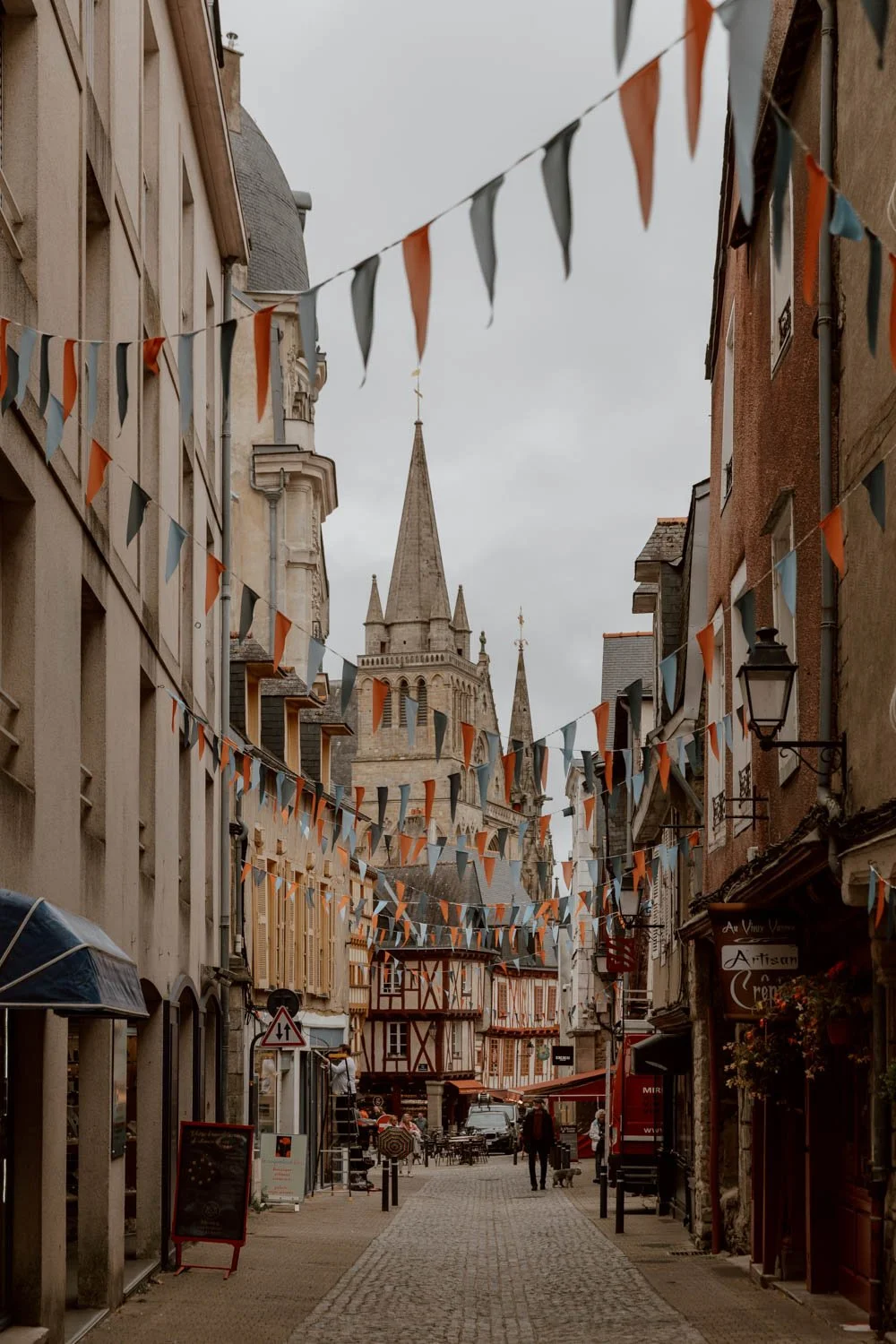
Vannes feels like a film-set version of a certain French aesthetic for several reasons, but we couldn't help but notice how much the variety of independent shops dotted throughout the historic centre added to this. With wooden signs and beautiful window displays, there's everything from antiques to boutiques, homemade jams to hand-crafted Japanese blades, and vinyl records to Instagram-worthy interiors; with many a treasure to be found over the course of an afternoon's browsing, we recommend leaving aside some time for shopping.
The Cathédrale Saint-Pierre (maps) has a surprisingly austere interior but its blend of Romanesque, Gothic, and Renaissance style is worth your time, and it’s free to enter.* Rue Saint-Guenhaël, to the right of the Cathedral entrance’s red doors, leads down to the Porte Prison and has a number of excellent curio, book, and art shops as well as one of the best crêperies in Vannes (Crêperie Saint-Guenhaël).
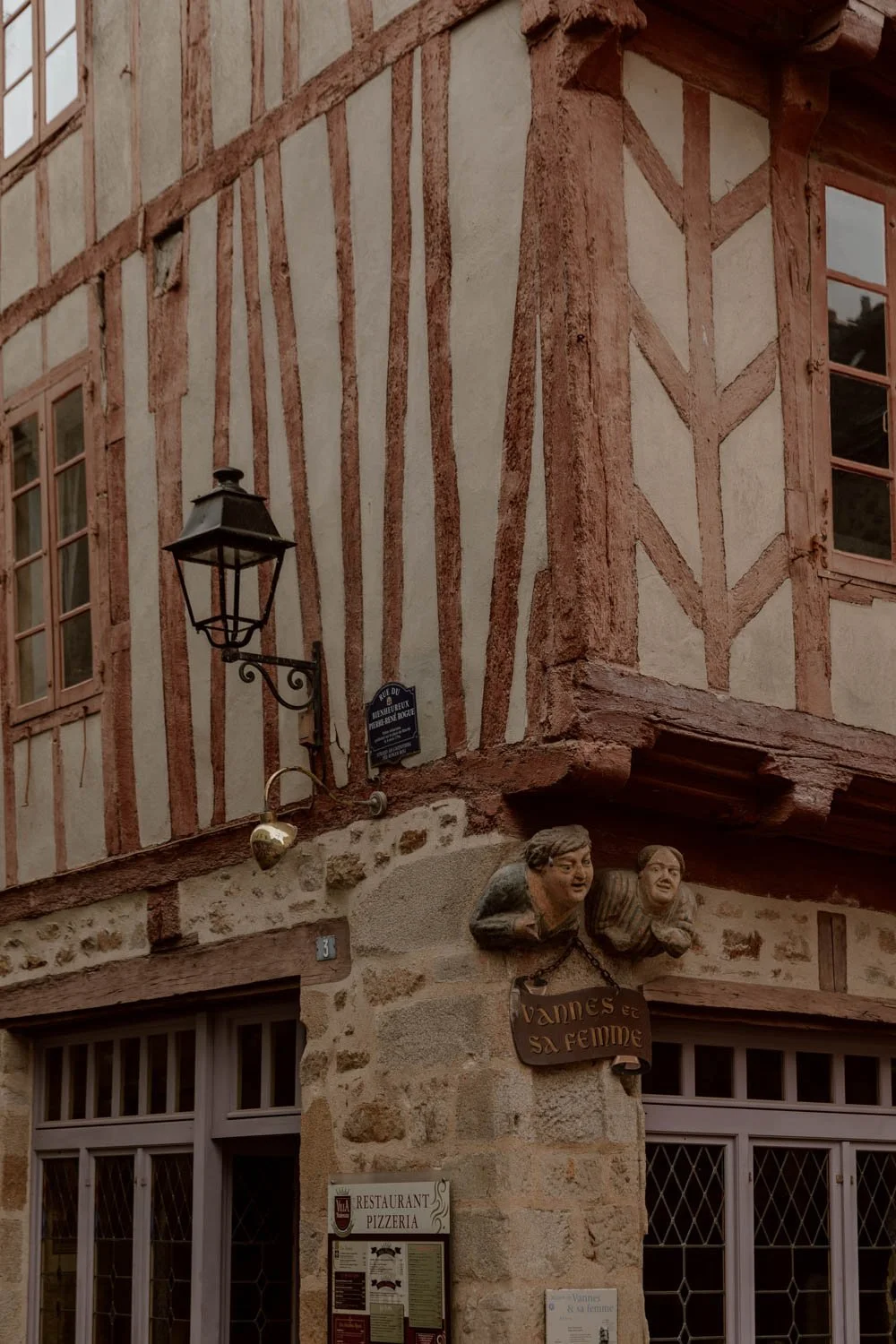
If you see a surprisingly large number of people gathered on the corner of Rue du Bienheureux-Pierre-René-Rogue and Rue Noé it's due to the most famous couple in Vannes residing there. Mr & Mrs Vannes - or Vannes et sa femme - are two jovial painted granite busts set into the corner of a 16th-century timber-framed house, and have become one of the town’s most photographed curiosities.
*The Cathédrale Saint-Pierre is currently closed for major restoration, with the work expected to continue until 2027.
The Half-Timbered Houses
The team at Ad Roads now actually live in a 400-year old half-timbered house (that is a sentence I never thought I'd write), so our appreciation of this slanting, over-hanging, higgledy-piggledy architectural style has shifted considerably since we moved in: instead of gazing at bulging walls and beams in wonderment, it's more 'is our house going to fall down?' and 'the insurance costs how much!?'
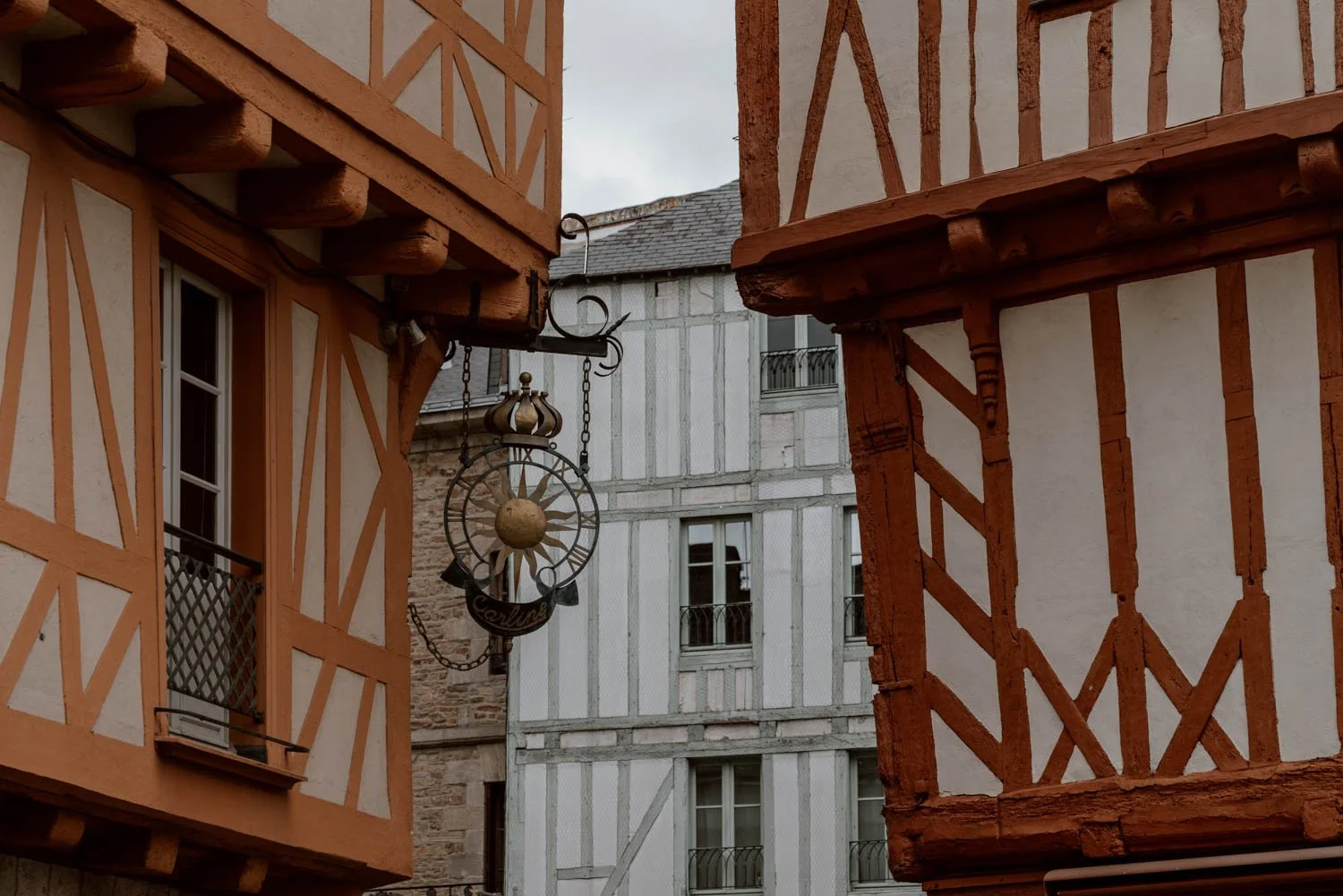
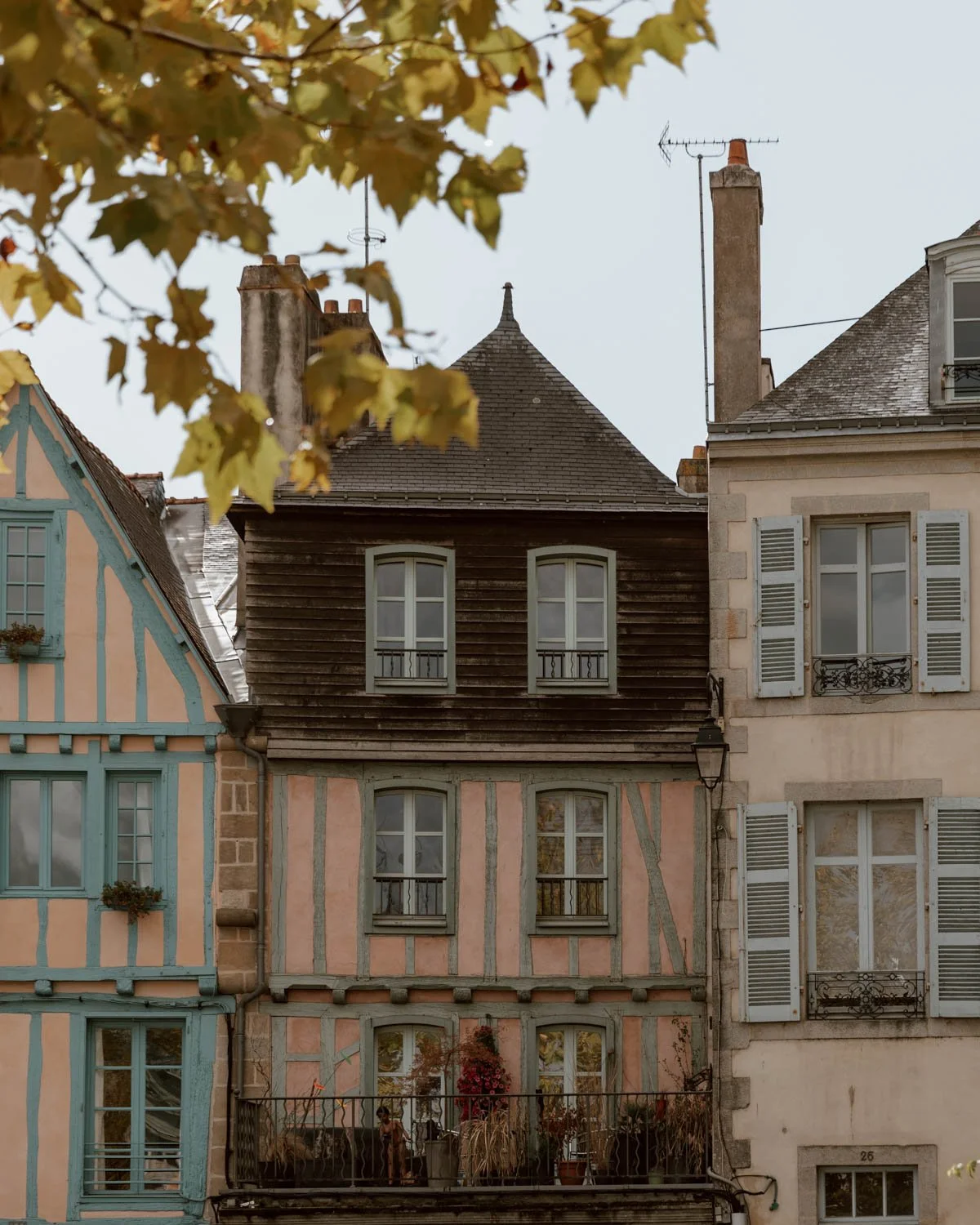
For people living in England, timber-frame Tudor houses are quite a common sight, but usually referred to as the 'old black and white houses', given that they almost always exist in sober monochrome. Here in the cobbled streets of old Vannes though, it's a positive explosion of colour, with the beams painted various tasteful shades of red, orange, yellow, green, and even bright blue.
In French, they're known as maisons à colombages - half-timbered houses - and typically date from as early as the Middle Ages to the 17th century. Some of the finer examples were constructed when the Breton Parliament, exiled from Rennes, was based here.
You can appreciate these facades as you saunter around the old town, but there are also some beautiful examples outside the gates. Some of the prettiest points to see or photograph are:
Place Henri IV | Arguably the prettiest little place in Vannes, it's a good spot to sit with a coffee and admire the facades and shop-fronts. Look up so you don't miss the point where two half-timbered buildings which almost 'kiss' each other across the space, with the Cathedral spire in the background. Find it here on Google Maps.
Quai Eric Tabarly | Outside the city walls on the port's promenade, there is a photogenic collection across the water and to the right hand side of Café du Kiosque (maps)
Porte Prison | The vibrant red and white of Bar Le Saint Nicolas by the imposing old prison gate is quite a bold example of the form (maps)!
Saint-Patern | Beyond Porte Prison, Vannes’ oldest neighbourhood has further half-timbered houses along Rue Saint-Patern and around the church. It is worth continuing this way around lunch or dinner too, as the surrounding streets contain a good concentration of crêperies, bars, and restaurants.
The Ramparts & The Garden
If you've spent some time in Saint-Malo, it's important to understand that although three-quarters of the enclosure survives, the medieval defensive walls and ramparts of Vannes are not quite as preserved, clear-cut, accessible or dramatic as those sea-facing ones. Indeed, we were a little confused about when we were actually on them or looking at them in parts, and it isn't really possible to walk along them in the style of other walled cities (like the aforementioned Saint-Malo or York in England).
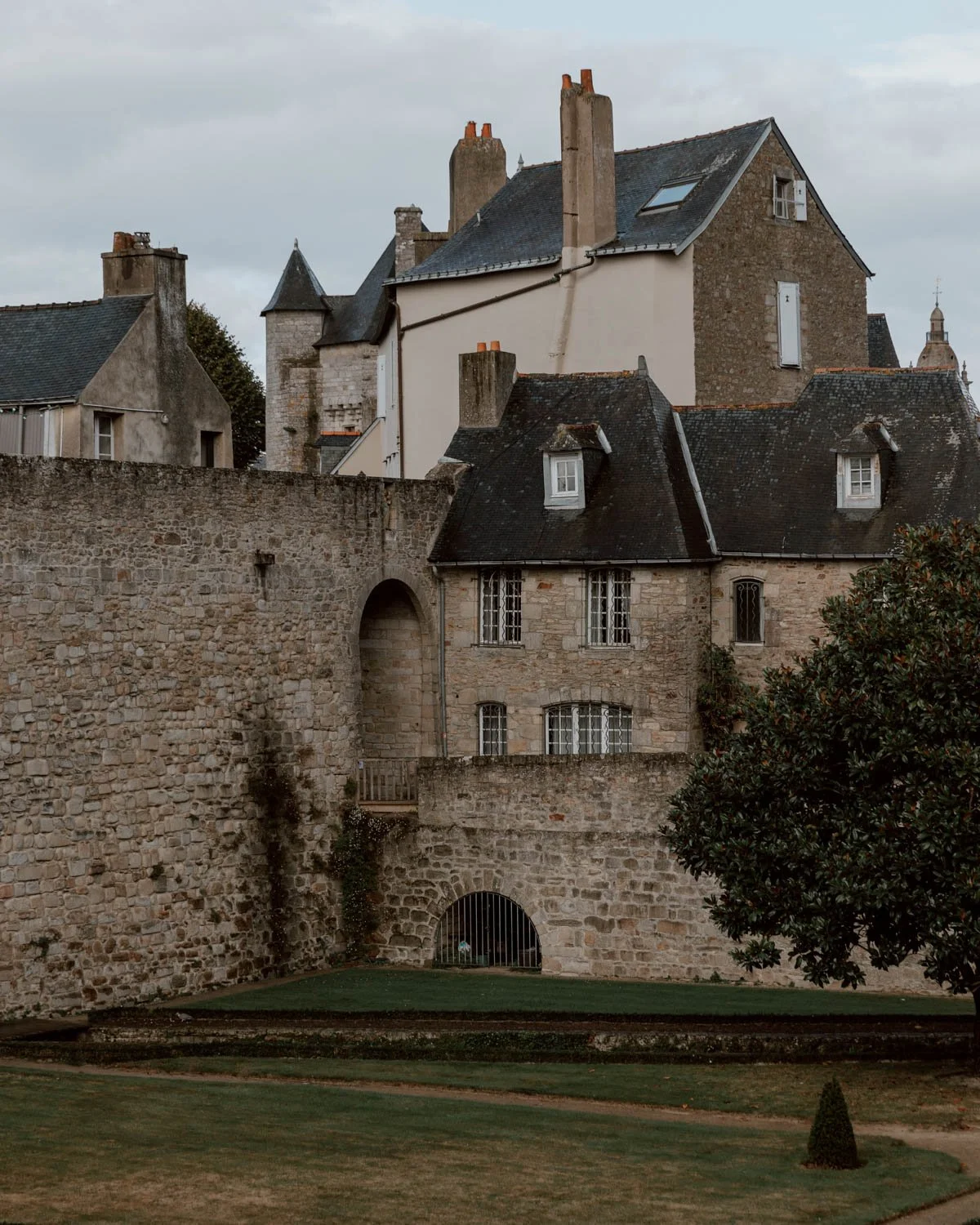
However, what is crystal clear is that the best place to appreciate what remains of them, and enjoy one of the best viewpoints of Vannes, is by the Jardin des Remparts (maps).
These pretty public gardens, designed and laid out in the typically pristine and prim French-style, lie between the ramparts, watchtowers and a trickle of the river Marle flowing toward little old washhouses (lavoirs). As well as providing a setting for festivals, concerts, and occasional markets, they offer an enjoyable place to relax in the sunshine, give your feet a rest after a few hours' walking the cobblestone streets, or people watch with a photogenic backdrop.
Admire Château de l’Hermine
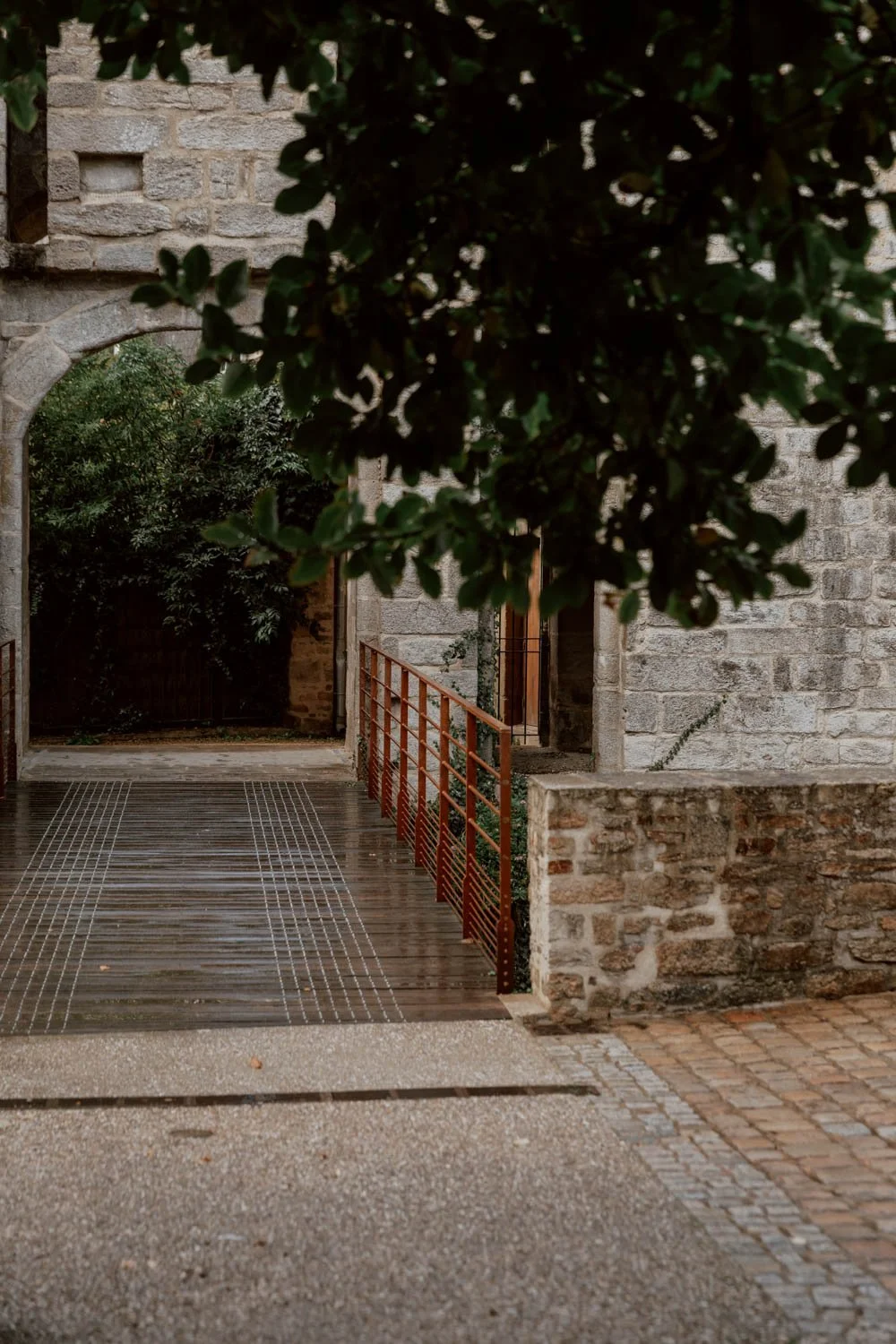
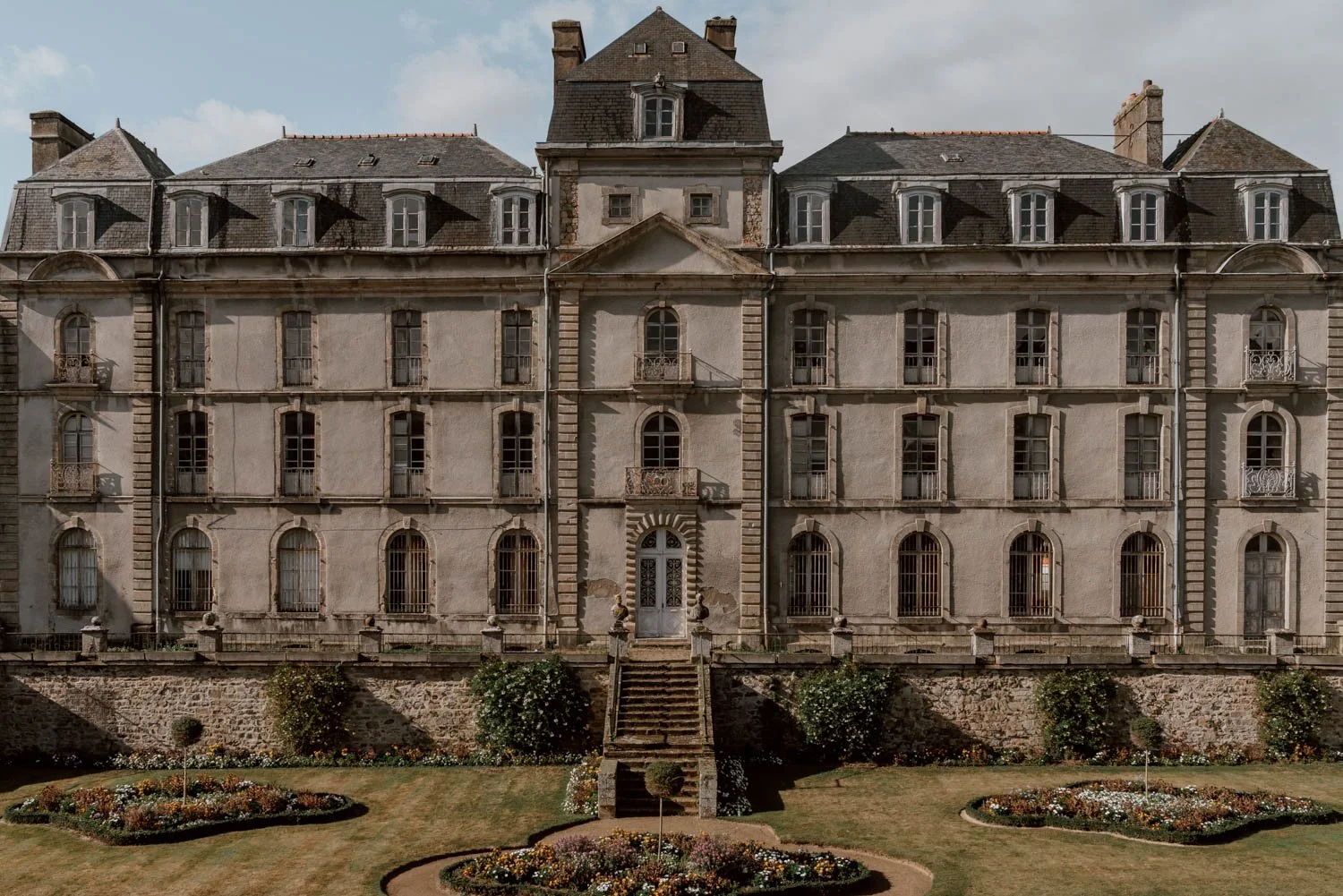
Just a short walk from the gardens, you'll find the stunning Chateau de l’Hermine integrated into the ramparts.
The building, one of the most striking we saw in Vannes, is often mistaken for being the fortified residence of the Duke of Brittany. Although the original Château de l’Hermine (maps) was built here for Duke Jean IV in the 1380s, it was long thought to have disappeared almost entirely after its partial destruction, with much of its stone reused to repair the ramparts and build the port of Vannes.
However, excavations carried out in 2022 and 2023 revealed that far more of the medieval castle had survived beneath the courtyard than anyone realised. Archaeologists uncovered substantial parts of the ducal residence, including staircases, sections of the moat, and the remains of a watermill - discoveries which have significantly changed what is known about the castle.
And so, what you see today is an altogether more modern construction, relatively speaking of course, built in the 18th century on the same site as the Duke's castle. It passed into the State's ownership following the owner's bankruptcy, and has been used for all manner of activities and functions since, before being acquired by the City of Vannes in 1976.
The building is now being restored and extended as the permanent home of Vannes’ Musée des Beaux-Arts. The excavations delayed and reshaped the project, and the museum is now expected to open in 2028. Until then, the château remains closed while construction continues around it, so the view will look rather different from our photographs.
Travel Tip // There are a different ways to combine the above, but we recommend exiting the old town at Porte Saint Vincent (maps), taking a left toward Chateau de l’Hermine, down the stairs at Porte Poterne and entering the Jardin des Ramparts via the Lavoirs de la Garenne (the public washhouses dating back to the late 18th century - maps). After you're done there, continue on to Porte Prison (maps) and re-enter the historical centre there.
You can of course do this in reverse too, and note that the best viewpoint for photos is actually from the roadside on the level above the gardens.
During the museum works, pedestrian access around Porte Poterne may occasionally be diverted, but the gardens remain accessible.
The Kouign-Amman Taste Test
One must arrive to Place des Lices with an appetite.
The curiously-shaped square, once the setting for jousting tournaments, is the first place you'll visit if you enter Vannes through Porte Saint Vincent and the shops of Rue Saint Vincent, and we recommend you have a quick stop to indulge in Brittany's sweetest treat.
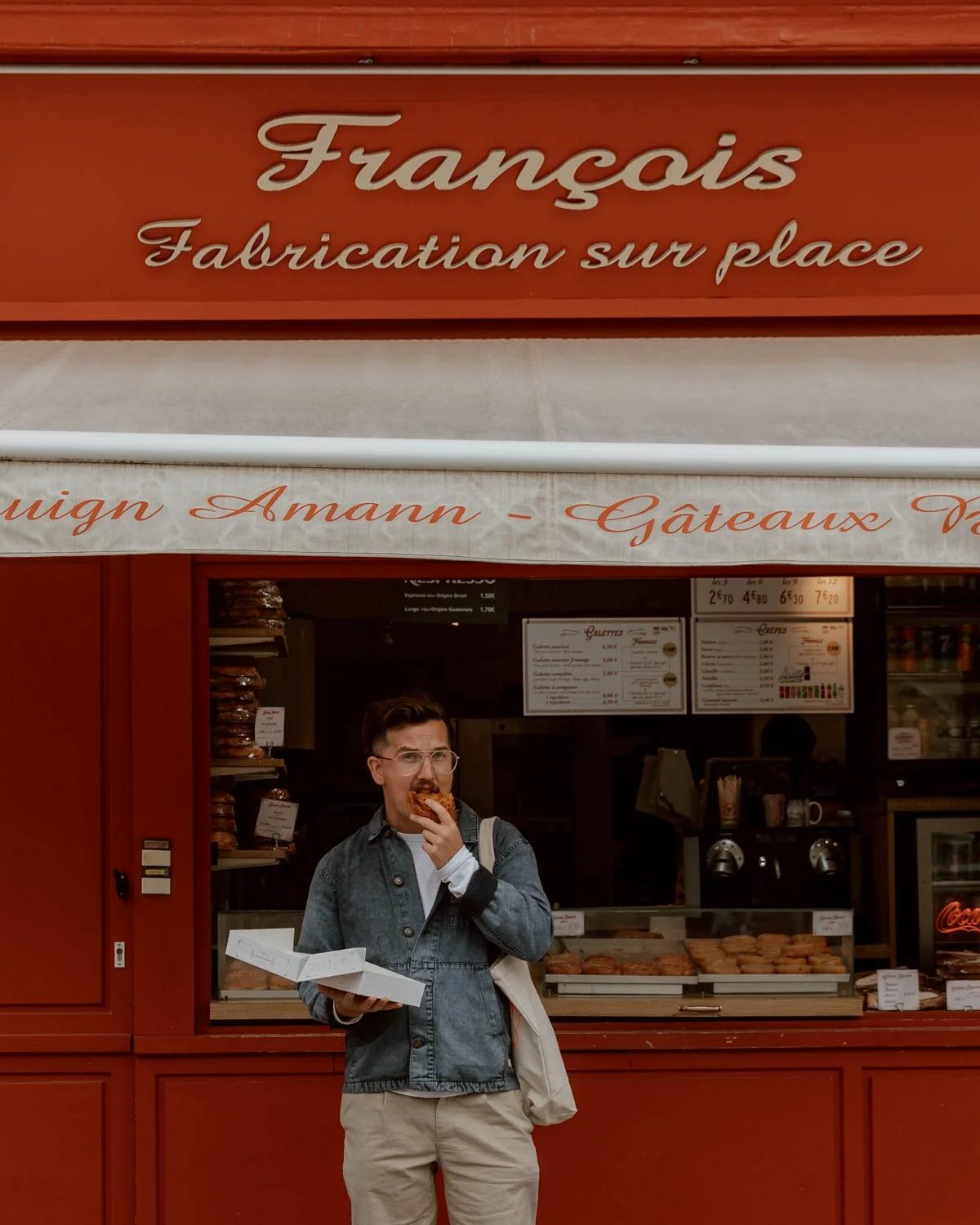
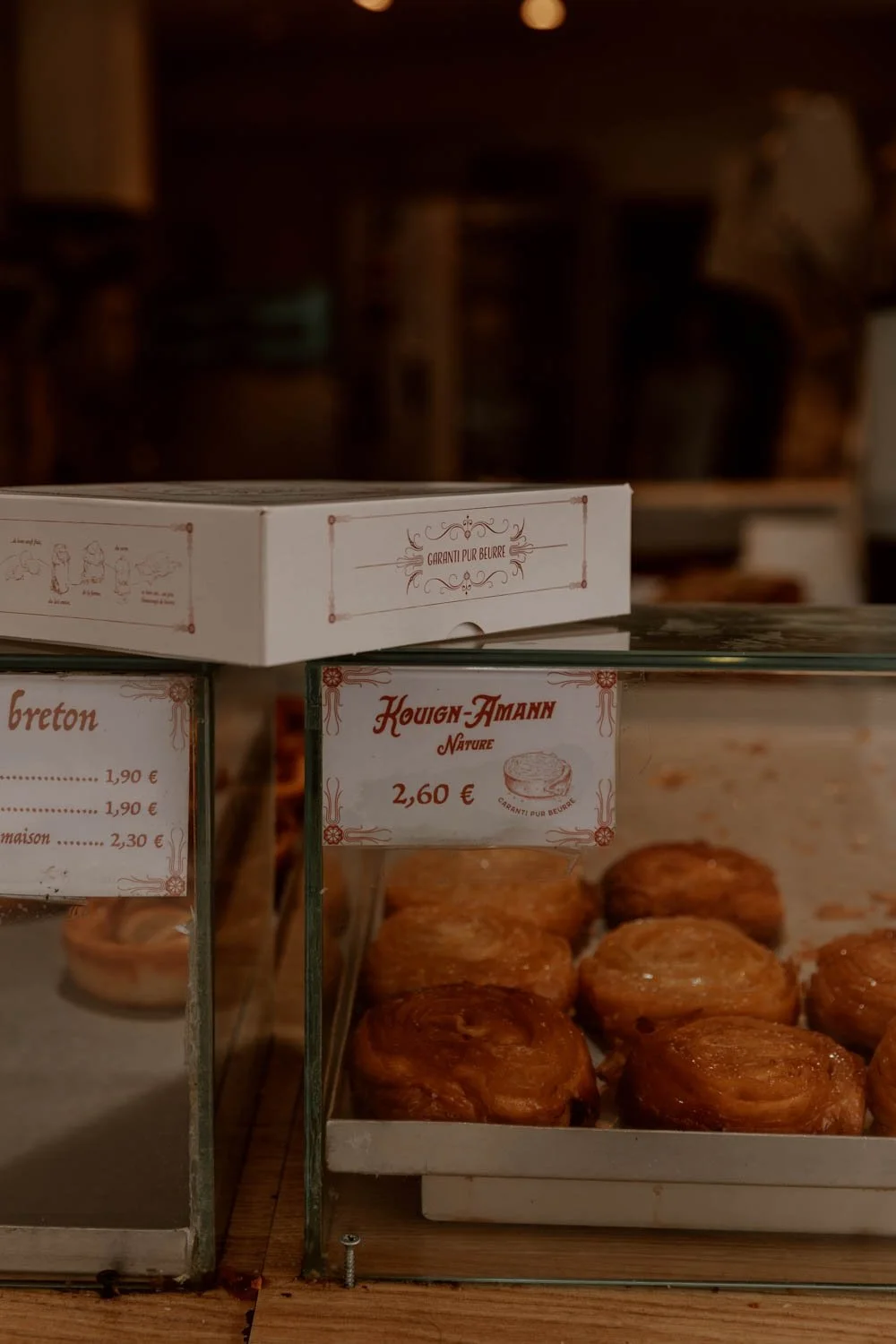
We had the good fortune to order a kouign-amman, the regional pastry and a calorie-busting work of buttery glazed goodness, on our first day of this trip, and one half of Ad Roads insisted that we have at least one each day before the boat back to Blighty.
Our noses led us toward François (maps) on the first brief, rainy visit to Vannes, where the sweet buttery smell wafts out all day and we bought a box (that didn’t last thirty minutes) of a fresh Kouign-Amman and an exquisite version of the dense gâteau breton.
However, an Instagram follower who lives in Nantes insisted that we really should have gone to La Huche à Pain (maps), where her family stop to buy pastries any time they're off to Île aux Moines.
So, naturally, in the interests of science and research, we had to go back.
Armed with this knowledge dear reader, you can now arrive and know exactly what to do. Both these bakeries are found in Place des Lices, almost exactly opposite one another, so do a taste test for yourself (or grab a box to take with you), and let us know which was your favourite.
Aside from indulgent pastries, Place des Lices is also the spot to come for food generally in Vannes. It's got Halles des Lices, the permanent indoors market (open from Tuesday to Sunday between September and June, and daily in July and August, from 8am to 2pm), as well as the Marché de Vannes taking over on Wednesdays and Saturdays from 8am to 1.30pm. We'd make a point of visiting around this if it fits your itinerary, with stalls selling Brittany's renowned oysters and seafood, cheeses, ciders, and all manner of other local produce and goodies.
A couple of streets away, the separate Halle aux Poissons opens on Tuesday, Wednesday, Friday, and Saturday mornings, with counters piled with fish and shellfish from the Breton coast.
The Museums
There are two small museums of note in Vannes, both situated in the historical centre. A visit in either doesn't take up more than an hour or two at most, and they're ideal rainy day activities too.
The one we'd suggest your prioritise is La Cohue - Le Musée des Beaux-Arts de Vannes (maps). Set within a 13th century building that was once the Breton Parliament, the space of stone, oak and shadows is as far away from a white cube as you could hope. Its permanent displays include Christ on the Cross by Delacroix and a collection devoted to Vannes-born artist Geneviève Asse, alongside temporary exhibitions and contemporary installations in the central passage.
The Museum of History and Archaeology in Château Gaillard (maps) focuses on the Neolithic period (there are numerous sites in the region) and the early history of Vannes and Brittany. However, it is currently closed for renovation, with no reopening date yet announced.
Also worth knowing about is the Hôtel de Limur, a grand 17th-century townhouse which now houses Vannes’ Centre d’Interprétation de l’Architecture et du Patrimoine. Its exhibitions use maps, models, and archival material to trace how the city has developed since Antiquity, while the restored building is part of the appeal in its own right. Entry is free, although opening days and hours vary through the year.
Where + When | Opening hours vary according to the season: in June and September La Cohue opens daily from 1.30pm to 6pm, and throughout July and August it’s open 10am to 6pm. October 1st to May 31st it opens 1.30pm to 6pm Tuesday to Sunday, excluding public holidays.
Admission is €5, reduced to €3, and free for visitors under 26.
Entry to Hôtel de Limur is free, although opening days and hours vary through the year.
Did You Know // Brittany became part of France in 1532, and the Treaty of Union was signed here in Vannes.
A Drink By The Harbour
Despite its proximity to the sea and its historic wealth accrued from its trading port, for us old Vannes doesn't really feel like a coastal city; the squawk of seagulls and scent of salted air weren't present at all within the walls, and the character of the buildings and streets didn't scream maritime either.
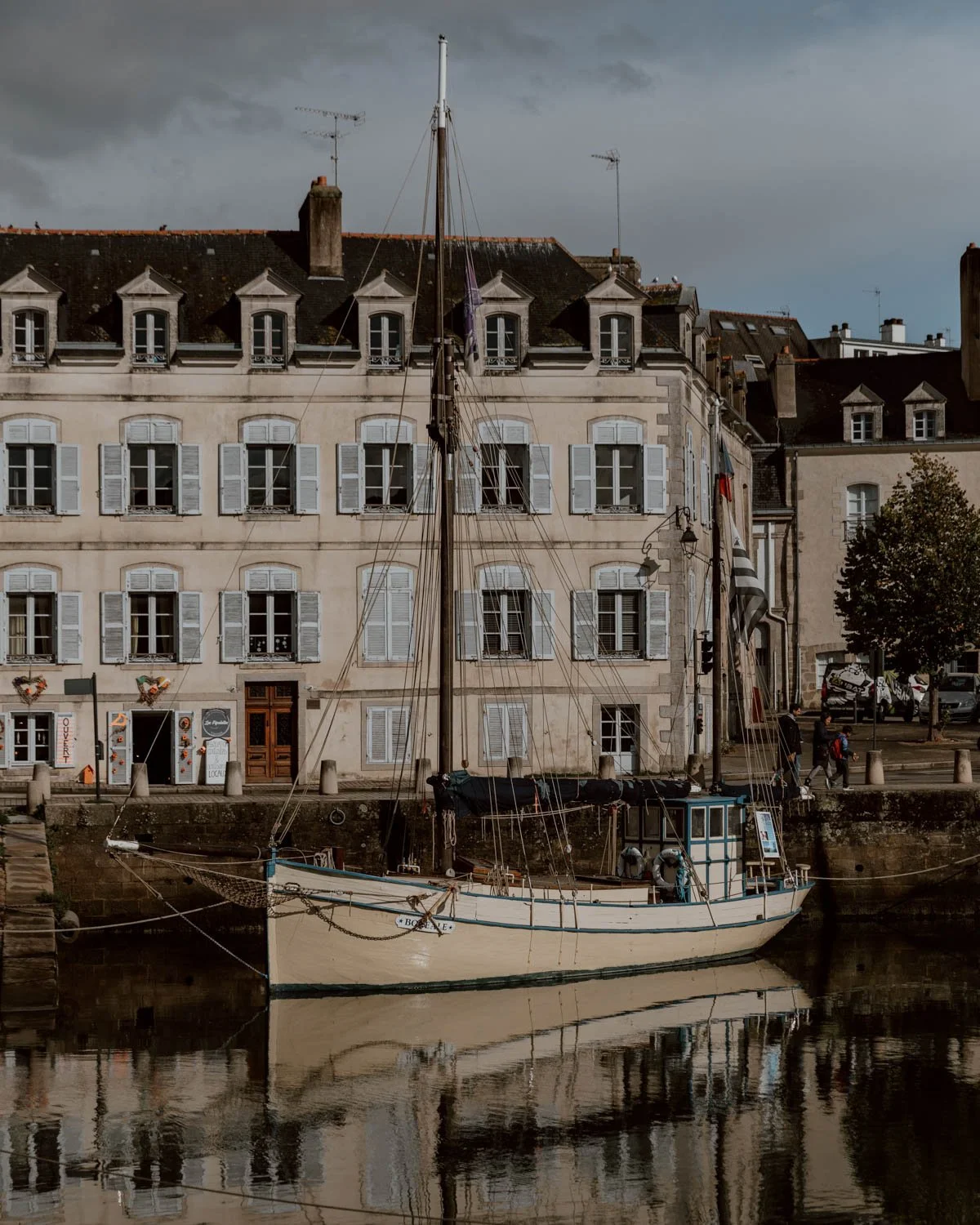
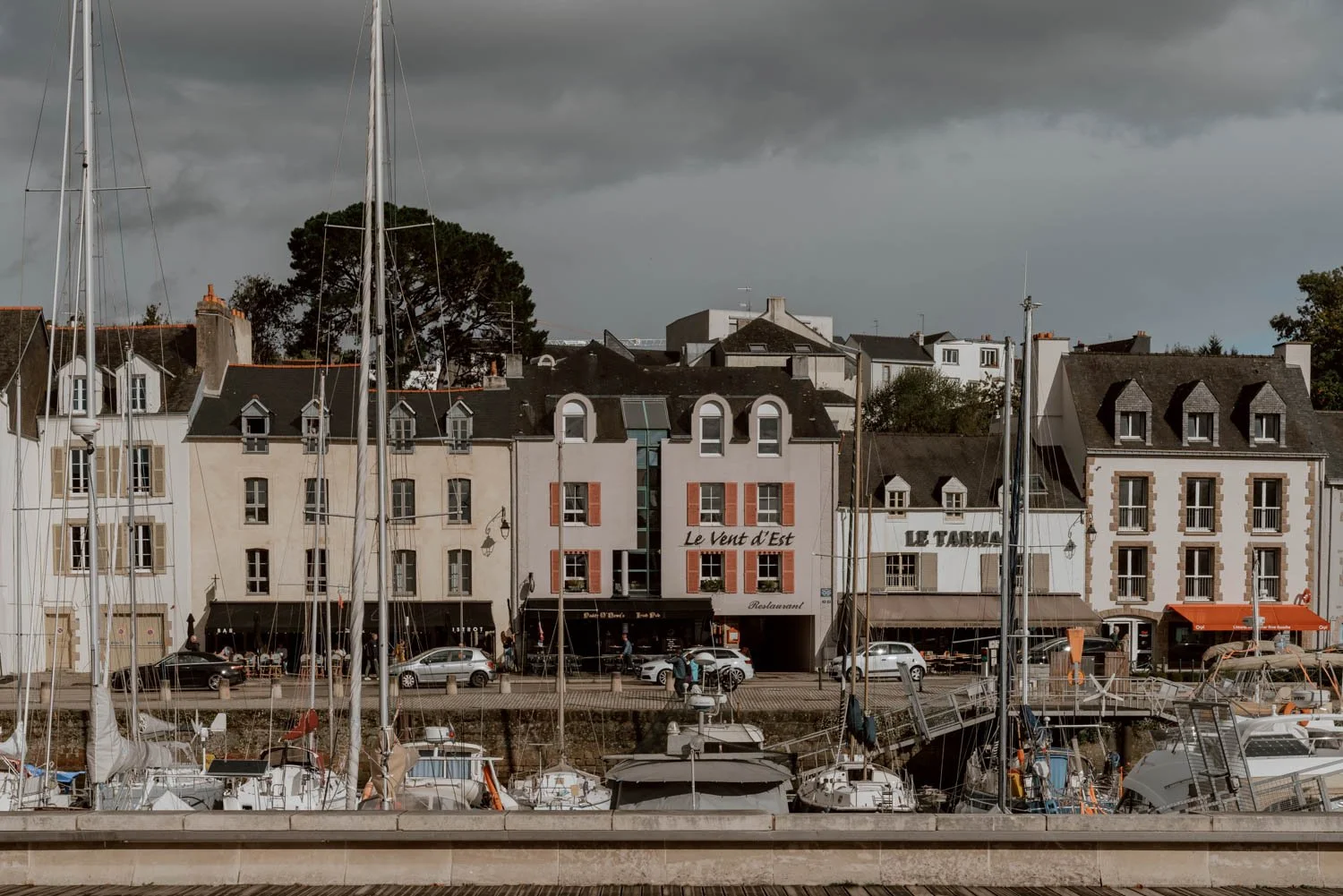
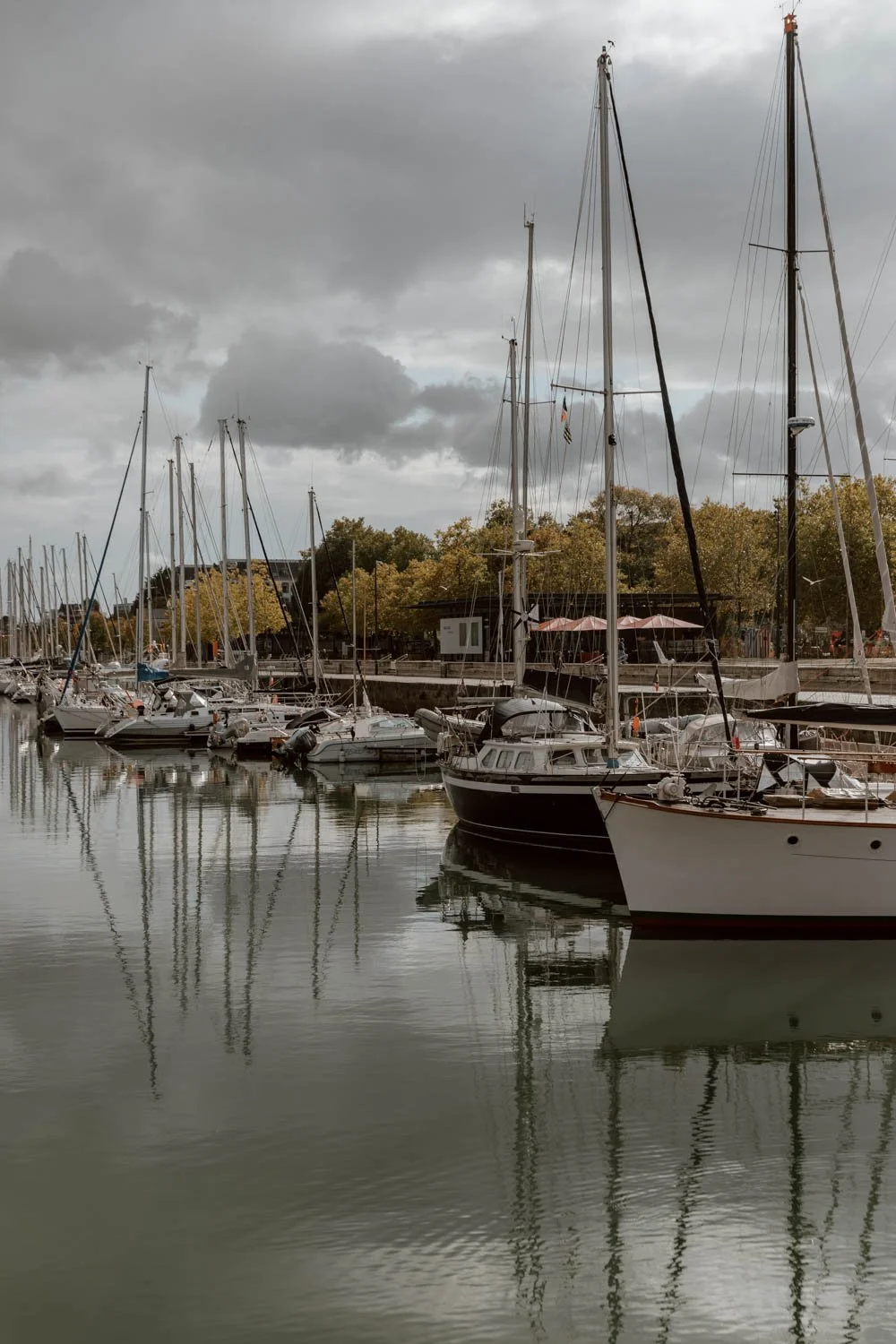
It's only when stepping outside Porte Saint Vincent that it all starts to make sense, with around 300 sailboats old and new bobbing away in the thin marina on La Marle. This 2km long channel connects the town to the Gulf of Morbihan, and is actually a deceptively large harbour due to its stretched out, linear design. As well as bringing sailors in and out, the surroundings were substantially redeveloped during the early 2000s to create Le Port de Plaisance, a lively area full of restaurants, bars, and social spaces.
Place Gambetta, the square immediately outside Porte Saint Vincent which replaced a bridge that once linked the port to the ramparts, is a good spot for a long lunch and dinner - especially if other restaurants have already stoped service - and there are some cool bars lining the left bank of the harbour.
The pedestrianised promenade starting here will also bring you as far as Vannes’ Gare Maritime and the green waterfront around Parc du Golfe.
Travel Tip //In cider country, a rebel drinks beer; a rebel leader brews it. A very popular place amongst locals is Brasserie Awen (maps), a craft beer microbrewery and restaurant opened in 2019. It's about a 20-minute walk along the promenade from the historical centre, or a short drive, with its own beers brewed on-site alongside guest beers from other French microbreweries. If in doubt, order a flight of six beers to find your favourite!
Short brewery visits are also available for €5 with advance reservation, with the option to add a tasting flight afterwards.
To get a better idea of how important cider is to Brittany’s culture, read this article.
A Day Trip To The Islands
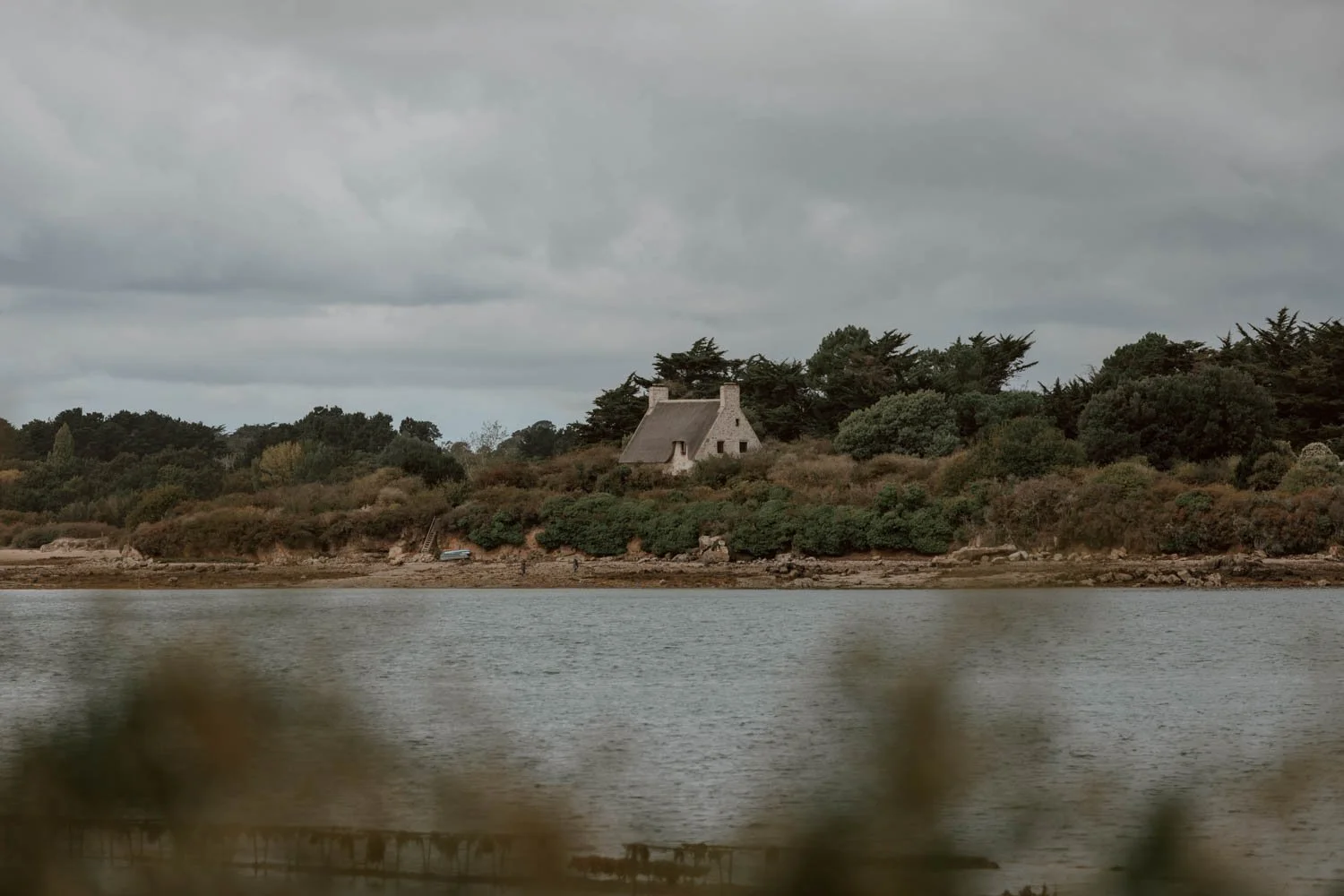
The Golfe du Morbihan is scattered with around 40 islands and islets, although Île d'Arz and Île-aux-Moines are its two principal inhabited islands - and the easiest for visitors to explore.
Sought-after summer holiday destinations with French nature lovers, each offers up fantastic options for year-round walks, cycles, and disconnections in an unspoiled, peaceful place which feels like it's a million miles away from the mainland.
The good news for travellers though is that one of them is actually just a 20 to 30-minute ferry ride away from Vannes, with boats running daily throughout the year!
We spent a couple of days exploring little Île d'Arz on rented bicycles, but it's definitely feasible as a day trip from Vannes if you're based in the city and looking for a change of scenery - find out more and transport connections in our guide to the Île d'Arz.
From Vannes, it’s also possible to make your way to Île-aux-Moines, the larger of the two islands, although it is a little less convenient if travelling independently. The quickest route is to travel 15 kilometres from Vannes to Port-Blanc by car or Kicéo bus 23 then take the five-minute ferry across the water. Boats run at least every 30 minutes, every day of the year.
For a more ambitious day trip, this direct return crossing to Belle-Île-en-Mer operates from Vannes between April and October. The journey takes around two hours each way, leaving several hours to explore Le Palais and a small part of the island independently before returning that evening.
Good To Know // It’s also possible to simply do a shorter boat trip from Vannes to explore the Golfe du Morbihan. From May to September, this three-hour evening cruise leaves Vannes on Thursday evenings and includes an apéritif box and drink, with a vegetarian version available on request.
Where to Stay in Vannes
For a first visit, we would stay either within the historic centre or close to the inner harbour, where nearly everything in this guide can be reached on foot. Conleau offers a more coastal stay with swimming and waterside walks outside the door, while Domaine du Liziec is one for travellers arriving by car who want the hotel itself to form part of the trip.
The Best Hotels in Vannes
Maison de la Garenne | Our first choice for character and location. This five-room guesthouse occupies an 1898 mansion just outside the old town, retaining its marble fireplaces, parquet floors, large windows, and tiled entrance hall. Breakfast is included, while the enclosed garden hides an outdoor swim spa and small wellness area.
Villa Kerasy Hotel | Particularly convenient for anyone arriving by train, but considerably more interesting than the location might suggest. Its 15 individually decorated rooms draw upon the historic Route des Indes, with silks, dark woods, and antique pieces carried through into the private spa and Japanese garden. It’s gorgeous!
Le Maury | A smart, contemporary four-star hotel around five minutes from the ramparts, with air-conditioned rooms, an inviting bar, and a spa containing a sauna, hammam, and sensory shower. It has less individual character than the two properties above, but offers a strong combination of central location, facilities, and price.
La Villa du Port | These modern studios and apartments come with proper kitchens, making this particularly good for families or a longer stay. The marina and Place Gambetta are within walking distance, while the indoor pool, large hot tub, garden, and optional private parking provide rather more than the average self-catering apartment.
Best Western Plus Le Roof | The clear choice for waking beside the water. Set at the tip of the Presqu’île de Conleau, it has mature gardens, two restaurants, free parking, and several rooms with balconies overlooking the gulf. The beach and seawater swimming pool are outside, although you will need the bus, a bicycle, or a short drive to reach the old town.
Domaine du Liziec | Vannes’ standout luxury hotel combines a restored 16th-century manor with orchards, herb gardens, and walking paths across its extensive grounds. There is also an indoor pool, spa, brasserie, and Olivier Samson’s Michelin-starred La Table du Liziec. It sits approximately three kilometres from the centre, so we would choose it for the complete stay rather than location alone.
The Best Airbnbs in Vannes
L’Arche de Noé | A warm and beautifully considered one-bedroom apartment inside a 17th-century building in the pedestrianised old town. Its windows overlook a remarkable private garden and the rooftops beyond, while the market, museums, port, and restaurants are all outside. It is on the second floor without a lift and best suited to couples.
The Bright Central Apartment | A compact but well-equipped, light and bright one-bedroom apartment between the station and port, with a south-facing living room, projector, workspace, and full kitchen. The bedroom opens onto a small, quieter balcony at the rear. This is the host’s main residence and sits on the second floor without a lift.
The Saint-Patern Apartment | Set within a 17th-century half-timbered building in Vannes’ oldest neighbourhood, this smartly renovated apartment has two bedrooms, including a generous king-size room, and space for four. The second bedroom is enclosed with internal glazing, so it is better for a family than two couples requiring complete privacy.
The Intramuros Apartment | One of the strongest choices for a family or group, with three proper double bedrooms spread across more than 100 square metres. High ceilings, wood floors, and windows on two sides preserve the scale of the historic building, while Rue Saint-Vincent, the market, and the harbour sit immediately outside. It also has an excellent kitchen.
The Left Bank | More understated than the old-town apartments above, this is a bright, unfussy place in a quiet residential block near the harbour. The apartment itself is fairly plain, but a wall of windows brings plenty of light into the wood-floored living room and looks out towards the trees surrounding the building.
Boat Moored in Central Vannes | For something entirely different, this 12-metre yacht remains moored on a secure pontoon in the centre of Vannes, five minutes from the old town and market. It has two compact double cabins, a small kitchen, and seating above deck overlooking the harbour.
How To Get To Vannes
There's no airport in or near Vannes, and most of you will visit by train or as part of a longer road-trip in and around Brittany.
If you're arriving, like us, on the ferry from Britain to Brittany, then it's a 2-hour drive from the northern city of Saint Malo to Vannes in the south. For this reason, it makes sense to include it in and around the Golfe du Morhiban / south coast section of your travels.
The most convenient place to park up is the paid underground Parking Q-Park Port (maps), which is a two-minute walk from the main entrance gate to the historical centre.
It's less than three hours from Paris to Vannes by train, with several departures a day, and numerous connections to other French cities. The Gare de Vannes / train station is situated a 15-minute walk from one of the entrances gates to the historical centre - find it here.
As we mentioned, if arriving from Île d'Arz, the port is a short drive or bus ride from the historical centre.
Where to Next?
Cider, Seaweed and Slow Travels in Brittany
The Île-D'Arz Travel Guide | An Island In Brittany
The Best Things to Do in St Malo (published soon)
A Journey Through Nouvelle-Aquitaine
Our Favourite Things to Do in Angouleme
The 11 Best Things to Do in La Rochelle
Five Pretty Villages and Towns to Visit in the Dordogne
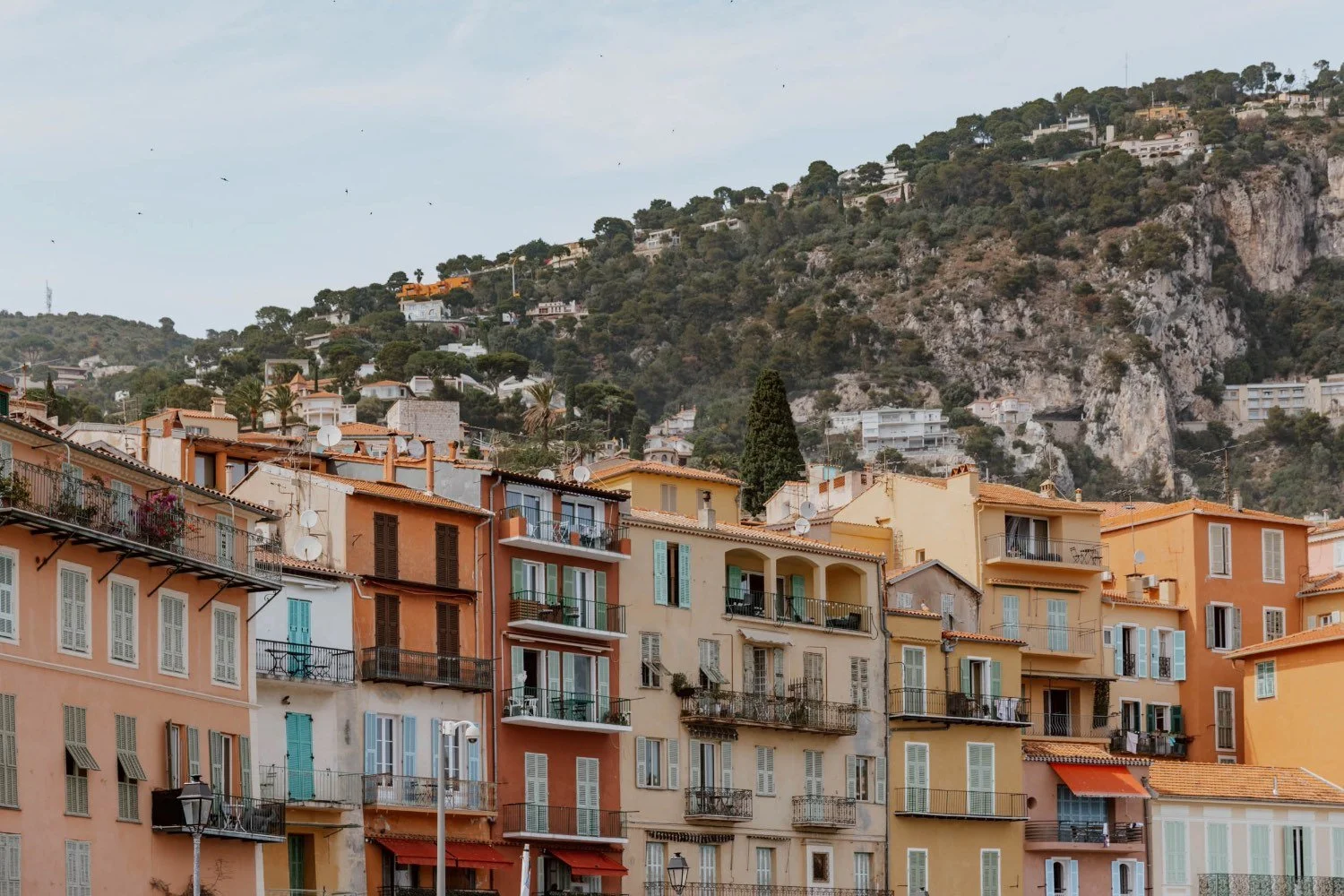
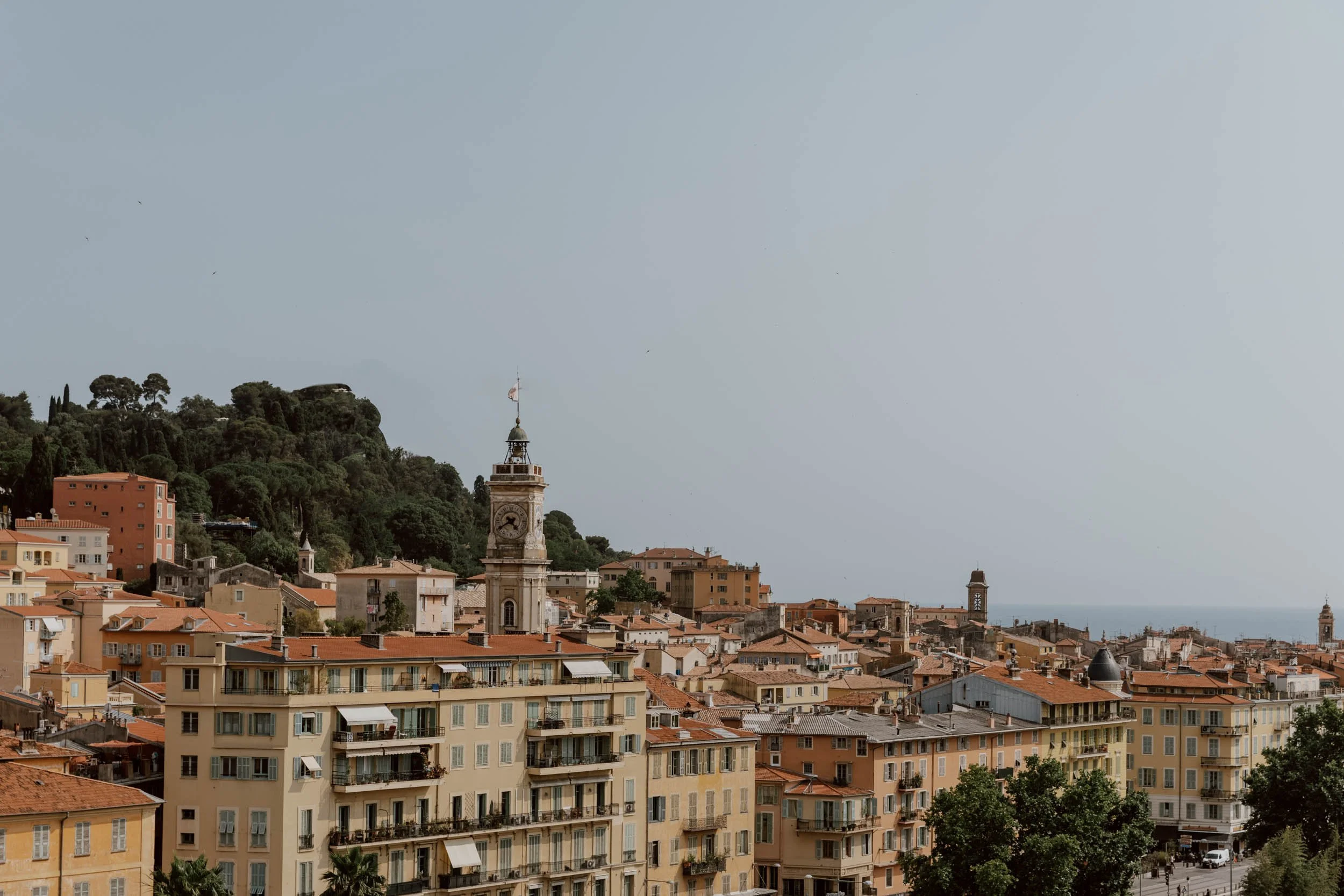



The capital of the Morbihan département, with a population of around 60,000 people, the pretty port and market town of Vannes is an excellent stop in southern Brittany. Plan ahead with our guide to the best things to do in Vannes.